
Binary Options Guide for Nigerian Traders
Explore binary options trading in Nigeria 🇳🇬: learn how they work, spot risks, master strategies, and understand local regulations for smart trading decisions.
Edited By
Charlotte Price
Binary options trading has caught the interest of many Nigerian investors in recent years, but the topic can be confusing without a proper grasp of the legal framework. A binary options trading licence is not just a formality; it’s a regulatory requirement that ensures trading platforms operate transparently and protect traders’ funds.
In Nigeria, the regulatory landscape surrounding binary options remains complex. The Securities and Exchange Commission (SEC) oversees investment vehicles and securities but has yet to grant explicit licences specifically for binary options platforms. This regulatory gap means many binary options providers operate without proper local authorisation, exposing Nigerian traders to significant risks.
Understandably, traders are drawn to binary options because of their straightforward "yes or no" payout style, which seems easier than navigating complex forex or stock markets. However, without a valid licence from recognised regulators—either Nigerian or reputable international bodies—there’s no guarantee of fairness or fund security.
Unlicensed platforms may disappear with your money overnight, leaving no legal recourse. Traders in Nigeria must prioritise platforms with verifiable licences and transparent operations.
Obtaining a binary options trading licence typically involves meeting strict standards:
Demonstrating adequate capital to cover liabilities
Implementing risk management and client fund protection
Clear disclosure of trade terms for users
Regular reporting to regulatory agencies
For Nigerian companies interested in offering binary options trading, the process requires close liaison with both local financial authorities and potentially foreign regulators, depending on where the platform is hosted. Many international binary options platforms look to European or Caribbean regulators for licensing, but such licences might not guarantee protection under Nigerian law.
Traders should therefore look out for these warning signs of unlicensed platforms:
Lack of Nigerian regulatory approval or disclosure
Absence of transparent trading history and audit reports
Promises of guaranteed returns or unrealistically high profits
To protect investments, use only platforms regulated by respected bodies such as CySEC (Cyprus Securities and Exchange Commission) or those registered as authorised dealers under Nigerian SEC guidelines. This approach reduces the chance of falling victim to scams or illegal operations.
In sum, knowing about the binary options trading licence and its implications helps Nigerian traders make informed choices. This knowledge guards against avoidable losses and promotes safer participation in the evolving digital trading ecosystem.
A binary options trading licence is an official authorisation granted by a financial regulator to firms or platforms offering binary options trading services. This licence signifies that the business operates within the legal framework set by the regulatory body, ensuring certain standards of transparency, security, and accountability. For Nigerian traders, understanding this licence is key because it directly affects the safety of their investments and ability to seek redress if things go wrong.
Having a licence means the operator meets specific rules designed to protect traders. For example, licensed platforms usually follow strict requirements on fund segregation, meaning client money is kept separate from company funds. This reduces the risk of losing investments if the company runs into trouble. In contrast, unlicensed platforms may be less reliable and prone to scams, a problem that has caused losses for many Nigerian traders.
In simple terms, a binary options trading licence is a permit that allows a company to legally offer binary options contracts to customers. Its purpose is to regulate the market, not to forbid trading but to make sure operators play by the rules so customers are not taken advantage of. The licence also requires operators to disclose risks clearly, maintain financial health, and implement fair trading practices.
For instance, if a Nigerian firm wishes to provide binary options trading services, securing a licence from the Securities and Exchange Commission (SEC) ensures it complies with the country’s financial laws. This reduces fraudulent activities like price manipulation or non-payment of winnings, which are common challenges in unregulated spaces.
Globally, different jurisdictions issue binary options licences under varying rules. For instance:
European Union: Cyprus Securities and Exchange Commission (CySEC) issues licences with high standards of investor protection. Brokers in Nigeria often advertise CySEC licence to show credibility.
United Kingdom: The Financial Conduct Authority (FCA) regulates binary options strictly and has banned retail binary options trading since 2018 due to associated risks.
Australia: Australian Securities and Investments Commission (ASIC) controlled brokers until recently restricted retail binary options.
Some countries do not recognise binary options licences at all or have outright bans, making it risky for traders dealing with platforms claiming licences from such places. Nigerian traders should prioritise platforms regulated by reputable bodies.
Understanding what a binary options trading licence entails helps Nigerian traders avoid pitfalls and make informed choices, especially given the risks associated with unlicensed operators in the local and international markets.
Nigeria's regulatory framework for binary options is designed to protect investors and maintain the integrity of the financial market. Given the emerging interest in binary options trading, especially among younger Nigerian investors, clear regulations are necessary to mitigate risks associated with scams and unlicensed operators. The Securities and Exchange Commission (SEC) plays a central role in this framework, setting the standards for licensing, monitoring, and enforcement.
Having regulatory oversight ensures Nigerian traders have recourse if things go wrong and promotes transparency among brokers and trading platforms. For instance, the SEC's directives require brokers to prove capital adequacy and operational competence before they can legally offer binary options services in Nigeria. This means traders can be more confident when choosing platforms verified by SEC, unlike with unregulated outfits that operate like shadowy tokunbo dealers without guarantees.
The SEC regulates capital markets in Nigeria, which now includes the supervision of binary options trading platforms. It issues licences to compliant brokers and requires them to submit regular reports on their financial health and trading activity. The SEC also investigates complaints about fraudulent activities or unethical conduct, stepping in to protect investors.
For example, in recent years, the SEC moved decisively against several unregistered binary options brokers allegedly defrauding Nigerian clients. These actions demonstrate its growing involvement in ensuring a safer trading environment. Traders should verify a broker's SEC registration before engaging, as this status indicates legal approval and some level of oversight.
Cyprus Securities and Exchange Commission (CySEC) is one of the most well-known regulators for binary options brokers, largely because many platforms servicing Nigerians are registered there. CySEC requires firms to have a minimum capital threshold, implement client fund protection measures, and adhere to transparency standards. These requirements help reduce fraud risks and promote fair dealing.
However, some Nigerian traders mistakenly trust CySEC registration as the sole mark of legitimacy. While CySEC’s rules are stricter than many jurisdictions, Nigerian authorities still advise checking for local compliance to ensure legal recourse within Nigeria.
The UK's Financial Conduct Authority (FCA) is among the most stringent regulators globally. It prohibits binary options trading for retail investors due to high risk and potential for loss. This ban signals the FCA’s cautious stance and serves as a warning that binary options carry significant dangers.
For Nigerian traders, this means platforms licensed only by FCA might not offer binary options services publicly. Traders should note the FCA's prohibition and not assume a platform is safe simply because of FCA affiliation. Rather, FCA presence signals the importance of caution.
Australian Securities and Investments Commission (ASIC) allows and closely supervises binary options trading but imposes strict conduct rules and capital requirements on operators. ASIC-regulated brokers must provide clear risk disclosures and maintain transparent business practices.
Nigerian investors dealing with ASIC-licensed brokers benefit from these rules but should remain mindful that cross-border issues can complicate dispute resolution. Combining ASIC regulation with local SEC oversight, where possible, offers better protection.
Understanding how Nigeria’s SEC compares with international regulators helps traders navigate licensing claims and select safer platforms. Always verify brokers’ regulatory credentials both locally and internationally before committing funds.
Understanding who needs a binary options trading licence is critical, especially for Nigerian traders and businesses looking to operate legally and profitably. A licence is not just a formality—it’s a mark of trust and accountability in the often high-risk world of binary options trading. Knowing exactly which parties must obtain this licence helps both regulators and traders steer clear of fraud and malpractice.
Binary options trading platforms and brokers are the primary entities required to secure a licence. These are companies or individuals who provide the software, infrastructure, and market access that allow traders to buy and sell binary options contracts. For example, a broker operating in Nigeria offering binary options services to clients must register and obtain a licence from the Securities and Exchange Commission (SEC) in Nigeria. This licence confirms that the broker complies with national laws, meets minimum capital requirements, and follows operational standards meant to protect clients.
Unlicensed brokers operate without oversight, exposing traders to scams and fraudulent activities. Therefore, platforms like Pocket Option or expertoption.com, if available in Nigeria, need the proper licensing to build confidence among their users. Besides licensing, these brokers must also maintain transparent records, secure client funds, and submit periodic reports to regulators.
Unlike brokers, individual traders looking to trade binary options for personal account generally do not need to obtain a licence. The licence obligation mainly falls on entities running the platforms. However, traders should still understand the legal environment they operate within and only engage with licensed brokers.
That said, advanced roles such as professional fund managers or investment advisers who manage other people's money in binary options trading will need relevant licences. This is because they operate as intermediaries and require clear regulatory approval to protect their clients against risks.
In all, Nigerian regulators focus on licensing organisations that handle public funds and trading platforms. Individual traders benefit by ensuring they use only platforms with proper licences, avoiding unregulated scams that have claimed many victims in Nigeria’s digital trading space.
Having a clear picture of who needs a licence helps you, as a trader or investor, make informed decisions and reduces the chance of falling victim to dubious operators. In Nigeria, the SEC maintains the list of licensed trading companies, so always check their status before committing funds.
Trading platforms and brokers must have a binary options licence to operate legally.
Individual traders usually do not need a licence but should trade on platforms that are licensed.
Professional fund managers dealing with binary options need appropriate licensing.
Always verify a platform's regulatory status with SEC Nigeria to avoid fraud.
Understanding this distinction matters because it guides compliance and protects investments in a market still evolving in Nigeria.
Obtaining a binary options trading licence is an essential step for anyone wanting to operate legally and safely in Nigeria’s financial market. This process ensures that brokers and trading platforms meet regulatory standards designed to protect traders, maintain market integrity, and reduce fraud. For Nigerian traders, knowing these steps not only aids trust in their chosen platforms but also helps them avoid the many unlicensed operators who thrive here.
The process begins with submitting a formal application to the Securities and Exchange Commission (SEC) Nigeria. Applicants must provide detailed company information, including proof of incorporation, principal officers’ identities, and business plans that outline how they intend to conduct binary options operations.
Documentation usually includes audited financial statements, operational policies, compliance manuals, and client protection measures. For example, a platform must show its strategy for safeguarding user funds and preventing market manipulation. Failure to provide comprehensive and accurate documentation often leads to rejection or delays.
Regulators require a minimum capital deposit to ensure firms have enough financial backing to support their trading operations and absorb potential losses. While specific amounts may vary, beginners often need to provide at least ₦100 million to satisfy SEC’s expectations. This capital acts as a buffer, preventing brokers from folding under pressure and abandoning customers.
This requirement reassures traders that the licence holder is financially sound, reducing risks of sudden platform closure or withdrawal freezes. For instance, a new broker starting operations with the stipulated capital is more likely to uphold its commitments than one operating on thin margins.
Beyond financial strength, the operational technology must meet defined standards. Platforms should have reliable software capable of real-time trade execution, secure data encryption, and comprehensive client account management systems. These systems help prevent cyber attacks and maintain user trust.
A broker employing outdated technology risks system failures that can cause traders to lose money unfairly. Nigerian traders, who sometimes experience inconsistent power supply, must look out for licensed operators that guarantee uptime and quick issue resolution through quality infrastructure.
Licensing is not a one-time event; it requires continuous compliance with SEC regulations. This includes timely submission of financial reports, audit results, and updates on changes in operational processes. Regulators may conduct inspections or request additional information to verify activities.
Consistent compliance encourages transparency and can prevent sanctions or licence revocation. It also means brokers must keep traders informed about regulatory changes or operational risks that could affect their investments.
Always verify if a platform is licensed and regularly complies with SEC requirements. This practice protects you from scams and preserves your investment.
In summary, obtaining and maintaining a binary options trading licence in Nigeria is about proving financial stability, adhering to strict operational standards, and staying accountable to regulators. This process shields Nigerian investors from dodgy platforms and provides a safer trading environment.
Trading binary options without a proper licence carries substantial risks, especially within Nigeria's unique financial landscape. Unlicensed platforms often operate beyond regulatory oversight, putting traders at a disadvantage if disputes arise. Without regulation, there is no guarantee of transparency or fairness, which can result in difficulty retrieving funds or distorted trade results.
Many unlicensed platforms use tactics designed to deceive unsuspecting traders. One frequent issue is price manipulation, where the platform artificially alters expiry rates or asset prices to ensure traders lose. This is unlike licensed brokers who must provide verifiable market data. Another scam involves bonus traps: enticing traders with generous bonuses that come with hidden withdrawal restrictions, trapping users in a cycle of continuous deposits.
There are also instances of identity theft or misuse, where fraudsters collect sensitive information such as BVN or bank details and exploit them. Nigerian traders have reported cases where unlicensed operators suddenly restrict account access after large deposits, then disappear without refund. Fraudulent platforms may also bombard users with aggressive marketing calls and messages, pressuring them into riskier trades.
Confirming a broker’s regulatory status should be your first step before trading. Legitimate operators will have a licence from recognised bodies like the Nigerian Securities and Exchange Commission (SEC) or international regulators such as CySEC or ASIC. These licences ensure the platform complies with financial rules, including client fund segregation and anti-money laundering (AML) measures. You can usually verify licences via official regulator websites—check the broker’s name, licence number, and current standing.
It’s essential to avoid platforms claiming dubious or unverifiable regulator endorsements. Beware of websites that mimic regulatory logos or provide fake certificates. A real licence means the broker submits to oversight and you have a channel for complaints if things go wrong.
Besides official verification, user reviews provide practical insights into a platform's reputation. Look for consistent feedback across independent sources, focusing on withdrawal experiences, customer service quality, and platform reliability. Complaints about delayed payments or account closures without explanation are major red flags.
Be cautious of brokers with overwhelmingly positive reviews that look overly generic or staged. Scammers often plant fake testimonials to build false trust. Also, platforms with opaque terms, poor website security, or those pushing unrealistic profits should be avoided. Nigerian traders should also beware of operators lacking local contact information or refusing to provide clear communication channels.
Remember: Trading through unlicensed platforms exposes you to avoidable risks. Always verify licences and listen to genuine user experiences to protect your investments.
Avoid the temptation of quick profits by choosing licensed brokers with proven track records. This step not only safeguards your money but also ensures you trade within Nigeria’s evolving legal framework for binary options.
Navigating the binary options market demands more than just understanding trading mechanics; Nigerian traders must also be vigilant about the credentials of brokers and how they manage risk. This section aims to provide practical tips that address these two essential areas, helping investors protect their funds and trade smartly in a market often riddled with dubious operators.
Before committing money to any binary options platform, Nigerian traders should thoroughly check the broker's regulatory status. An authorised broker ought to be registered with the Securities and Exchange Commission (SEC) of Nigeria or reputable international regulators such as CySEC in Cyprus or the FCA in the UK. Verification usually involves visiting the SEC’s official website or contacting them directly.
In addition, examine the broker's history—how long they have operated, user reviews from trusted financial forums, and any records of complaints or sanctions. For example, if a broker promises unrealistic returns or pressures you to deposit large sums quickly, this could be a red flag. Always avoid platforms lacking transparency or proper contact information, as these often signal unlicensed operations.
Establishing clear financial boundaries is crucial when dealing with binary options. Setting daily or weekly loss limits helps prevent you from chasing losses, a common pitfall in trading. For instance, if you decide to only risk ₦50,000 per week, once that limit is hit, stop trading to reassess your strategy. This discipline prevents emotional decisions that can lead to larger losses.
Practical tools like automated stop-loss orders or alerts on your trading platform can aid in enforcing these limits. Setting limits is not just about controlling losses but also about preserving capital for future trades, especially in volatile markets.
Leverage allows traders to control positions larger than their actual capital, but excessive use can wipe out your funds quickly. Nigerian traders should be cautious, especially since many binary options platforms offer high leverage levels that magnify both gains and losses.
A practical approach is to use leverage levels that correspond with your risk tolerance, perhaps starting low and increasing only as confidence and strategy improve. Avoid borrowing money or using funds meant for essential expenses. Overleveraging often leads to margin calls that force you out of trades prematurely, resulting in heavy losses.
Vigilance in verifying brokers and disciplined risk management are not optional—they form the bedrock of sustainable binary options trading in Nigeria. Traders who follow these guidelines stand a better chance of navigating this risky market with some degree of profitability and peace of mind.
Adhering to these practical steps helps protect your capital and positions you for informed investment decisions. Keep these tips in mind as you engage with Nigeria’s evolving binary options scene.
Explore binary options trading in Nigeria 🇳🇬: learn how they work, spot risks, master strategies, and understand local regulations for smart trading decisions.
Learn how binary option trading works📈, discover top platforms, smart strategies, and essential risks—all tailored for Nigerian traders🇳🇬 to trade wisely!
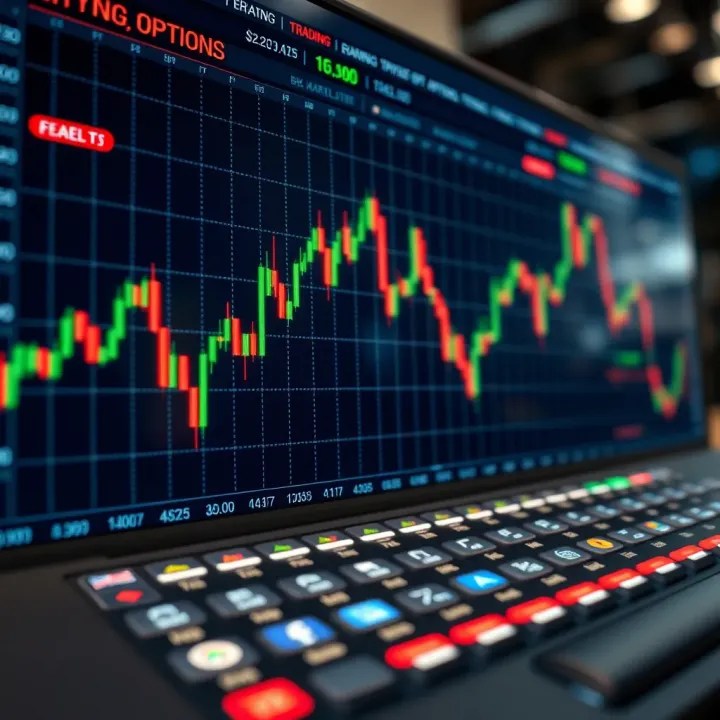
📈 Explore how binary options trading works in Nigeria, learn about laws, risks, and winning strategies to trade smarter and safer today! 🇳🇬
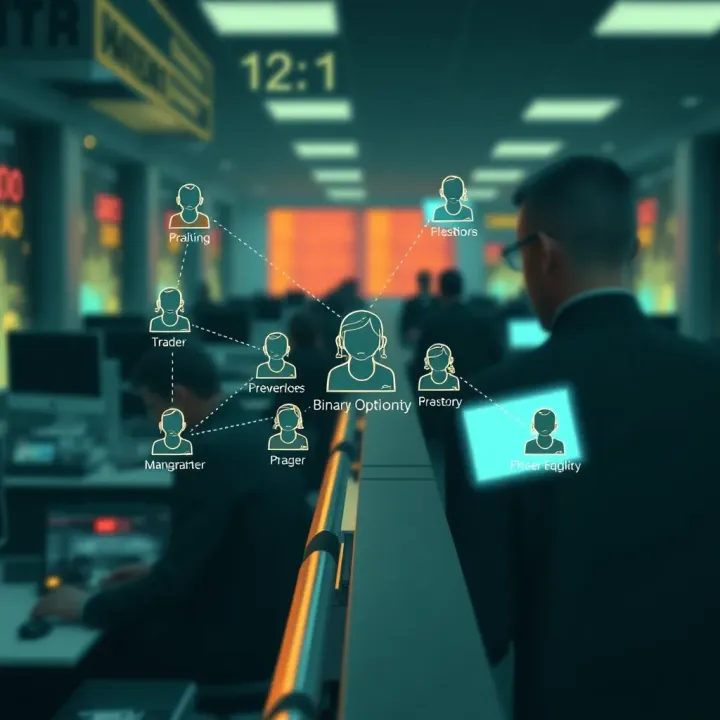
Discover how Nigerian traders can navigate binary options forums 🕵️♂️—find trusted platforms, join smart discussions, avoid scams, and learn from the community.
Based on 14 reviews