
Best Forex Trading Platforms for Beginners in Nigeria
New to forex trading in Nigeria? 🌍 Discover how to pick the best beginner-friendly platform with tips on security, fees, features, and usability for confident trading.
Edited By
Amelia Clarke
Forex trading offers Nigerians a chance to participate in the world’s largest financial market, where currencies are bought and sold daily. It’s an accessible option for those looking to diversify income streams or invest outside traditional channels. However, starting forex trading without solid knowledge can lead to losses instead of profits.
The foreign exchange market operates 24 hours daily, five days a week, adapting well to Nigeria’s time zone and allowing flexible trading hours. It involves the exchange of currency pairs like USD/NGN or EUR/USD, where traders speculate on price movements to earn returns.
A beginner should first understand the basic concepts - what currency pairs are, how market volatility works, and the influence of global economic events. For example, a sudden change in US interest rates may impact the naira’s exchange rate, creating trading opportunities or risks.
Choosing the right forex broker is equally important. Brokers act as intermediaries between you and the global market. In Nigeria, it is crucial to pick brokers regulated by credible bodies, such as the Nigerian Securities and Exchange Commission (SEC) or internationally recognised regulators, to avoid fraud. Also, check their trading platforms, fees, and customer support before committing funds.
Managing risks is a skill to develop from the start. Forex involves leverage, which can amplify gains but also increase losses rapidly. Beginners should avoid using high leverage and instead practise with demo accounts provided by brokers to get a feel of live trading without risking real money.
Starting forex trading requires more than just luck or guessing market trends; research, discipline, and careful planning are your strongest assets.
By understanding these basics and approaching trading patiently, new Nigerian forex traders can build a foundation for profitable and sustainable trading. The following sections will offer simple steps to set up your account, practical tips on market analysis, and ways to protect your capital effectively.
Grasping the basics of forex trading is a must if you want to trade confidently and avoid costly mistakes. This section lays out key concepts and terms that set the foundation for all your trading activities, especially relevant for Nigerians navigating local market conditions.
Forex trading involves exchanging one currency for another. It's like changing your naira for dollars or euros when travelling abroad, but with the aim to make a profit from changes in exchange rates. For instance, if you buy US dollars at ₦410 and the rate moves to ₦415, selling the dollars can earn you a gain. The forex market operates 24 hours, allowing you to trade at your convenience.
Forex trading often revolves around major currency pairs like EUR/USD (euro versus US dollar), GBP/USD (British pound versus US dollar), and USD/JPY (US dollar versus Japanese yen). These pairs are liquid and have tight spreads, meaning lower transaction costs. For Nigerian traders, USD/NGN isn't traded directly on most platforms due to official controls, so understanding major pairs helps in building skills before venturing into more complex or exotic pairs.
Unlike stock markets, forex does not have a single central exchange. It’s a decentralised market, operating over counter (OTC), with participants from global banks to individual traders. Forex trading relies heavily on factors like central bank policies, geopolitical events, and economic data. This contrasts with stock trading where company performance dominates price movements. Forex’s continuous operation and high liquidity make it attractive, though it requires understanding unique risks.
A pip is the smallest price move in a currency pair, usually the fourth decimal point. For example, if EUR/USD moves from 1.1000 to 1.1001, that 0.0001 change is one pip. A lot is the standard size of a forex trade. A standard lot equals 100,000 units of the base currency, but mini and micro lots allow smaller trades. Leverage lets you control a bigger position with a smaller amount of money, say 100:1 leverage means ₦1,000 controls ₦100,000. Margin is the collateral you put down to open a position, essentially a security deposit.
There are several order types, but beginners should focus on market orders (buy or sell immediately at current prices) and limit orders (set a price level to buy or sell in the future). Stop-loss orders are crucial too—they automatically close a trade to limit losses. For instance, setting a stop-loss ten pips below your entry helps manage risks without constant monitoring.
The bid price is what buyers are willing to pay, while the ask price is what sellers want. The difference between these is the spread, which represents a cost to traders. Lower spreads mean cheaper trades. If EUR/USD has a bid of 1.2000 and an ask of 1.2002, the spread is 2 pips. Understanding this helps you decide which brokers and pairs offer better trading conditions.
Mastering these basics builds your confidence and sharpens your approach to forex trading. Avoid jumping in without this groundwork, or you risk losing your hard-earned ₦. Trading isn't a get-rich-quick scheme; it needs informed steps and steady learning.
Setting up properly before starting forex trading in Nigeria is vital. It serves as the foundation that supports your trading activities, ensuring you don’t waste resources or fall victim to common pitfalls. A well-prepared setup also helps you navigate the unique Nigerian financial environment, where factors like naira exchange volatility, local payment restrictions, and regulatory considerations come into play.
Broker regulation and safety considerations
The Nigerian forex market has attracted many traders, but also some unreliable brokers. To stay safe, pick brokers regulated by established authorities such as the Financial Conduct Authority (FCA), Cyprus Securities and Exchange Commission (CySEC), or even Nigerian regulators like the Securities and Exchange Commission (SEC) Nigeria where applicable. Regulation ensures the broker follows certain rules designed to protect traders, such as keeping client funds separate from the broker’s funds.
In Nigeria’s context, where scams are a concern, a regulated broker adds a layer of trust. For example, brokers like FXTM and HotForex have licenses from multiple regulators, offering peace of mind to Nigerian traders.
Features to look for: spreads, commissions, platform usability
When choosing a broker, consider the costs of trading. Tight spreads and low commissions reduce your trading expenses, making small gains more profitable. Some brokers offer fixed spreads, which can shield you from wide fluctuations during volatile times—a useful feature during Nigeria’s market hours influenced by global events.
The trading platform itself matters a lot. Platforms like MetaTrader 4 or 5 provide user-friendly interfaces and robust tools. Nigerian traders benefit from brokers that offer mobile apps, as internet connectivity can be irregular, and many rely on mobile devices.
Popular Forex brokers accessible to Nigerians
Several brokers have tailored services for Nigerians. For instance, OctaFX and Alpari support local bank transfers and accept deposits in naira, simplifying the funding process. Some brokers also collaborate with payment services like Paystack or Flutterwave, making it easier to fund accounts from Nigeria. Always check if a broker supports local deposit and withdrawal methods before signing up.
Account types and selecting the right one
Forex brokers usually offer several account types catering to beginners and experienced traders alike. For Nigerian beginners, standard or micro accounts are often best. They require smaller deposits, allowing you to start trading without large capital.
Look out for accounts that permit practice trading with demo funds too, helping you familiarise yourself without risk. Some brokers even provide Islamic (swap-free) accounts for traders observing Shariah principles, which can be relevant in Nigeria.
How to fund your account with ₦ - local payment methods
Funding your forex account using naira often involves local payment options such as bank transfers, debit cards, or mobile money services. Brokers that integrate payment processors like Paystack or Flutterwave boost convenience. You may also find brokers accepting Quickteller or Remita.
Choosing these methods avoids the usual headaches of forex funding, like long waits or high conversion fees. For example, funding your account directly from GTBank or Zenith Bank tends to be faster and cheaper than international wire transfers.
Understanding currency conversion and transaction fees
Since forex trading involves foreign currencies (mostly US dollars or euros), your naira deposit often undergoes currency conversion. This process may attract fees, affecting your effective trade capital.
Be sure to check the broker’s policy on conversion rates, as well as your payment method’s charges. Some brokers offer accounts denominated in naira to avoid repeated conversions. However, such accounts might have limited currency pairs available or higher spreads. Understanding these trade-offs is key to managing your costs effectively.
Setting up your trading accounts properly from the start can save you from unnecessary losses and hassle. Always prioritise safety, ease of funding, and cost efficiency when choosing brokers and accounts in Nigeria.
By paying careful attention to these setup steps, Nigerian beginners can build a strong base for successful forex trading.
Developing a trading strategy is a critical step for any forex trader in Nigeria. Without a clear approach, traders risk making impulsive decisions that often lead to losses. A well-planned strategy helps to define entry and exit points, manage risk, and improve overall discipline in trading. This section highlights key elements that will help beginners approach the forex market with confidence and better chances of success.
Fundamental analysis involves studying economic indicators and news events that influence currency prices. For example, the Central Bank of Nigeria’s (CBN) monetary policy decisions, inflation rate, or Nigeria's GDP growth can affect the Nigerian naira’s strength against other currencies. Traders watch reports like trade balances, interest rates, and political stability to predict currency movements. This approach is vital because it anchors your trades to real-world economic factors rather than guesswork.
Technical analysis uses charts and statistical indicators to forecast price movements based on past data. Common tools include Moving Averages, Relative Strength Index (RSI), and Fibonacci retracements. For instance, if the RSI shows a currency pair is oversold, it might signal a buying opportunity. Nigerians trading forex often rely on these tools to identify trends or reversal points, making technical analysis practical for short-term trades.
Effective traders don’t rely solely on one method. Combining fundamental and technical analysis offers a fuller picture. For example, if fundamental news suggests the naira should weaken, but technical charts show strong support levels, a trader might wait for confirmation before entering a trade. This blend helps avoid rash decisions and improves timing, increasing the likelihood of profitable trades.
Stop-loss and take-profit orders are safeguards that automatically close your trade at predetermined prices to limit losses or secure profits. In Nigeria’s volatile market, setting a stop-loss protects your capital from sudden price swings caused by unexpected news or naira fluctuations. For example, if you buy USD/NGN at ₦460 and set a stop-loss at ₦455, your trade closes automatically if the price dips, avoiding bigger losses.
Leverage allows you to control large positions with a small amount of capital but also magnifies risk. Nigerian traders should be cautious with high leverage—using 10:1 or lower is safer given the naira's unpredictability and market gaps. For example, a ₦50,000 deposit with 10:1 leverage controls ₦500,000 in the market, but a 2% adverse move could wipe out your deposit. Responsible leverage helps preserve funds and sustain trading.
Emotional control is often overlooked but essential. Fear and greed can lead traders to enter too many trades or hold losing positions hoping for reversals. This overtrading usually erodes profits. Nigerian traders should set daily limits and stick to their strategies regardless of emotions. Discipline keeps trading consistent and reduces costly mistakes. A simple practice is reviewing your trade journal regularly to learn from previous experiences and strengthen your approach.
A solid trading strategy balances market analysis with risk management, offering Nigerian traders a practical path to grow their investments steadily while protecting their capital from unpredictable market swings.
Starting forex trading can be overwhelming without hands-on practice. This section sheds light on the practical actions you need to take to move from theory to live trading. Understanding these steps ensures you prepare properly, avoid rash decisions, and gradually build up real-world experience before risking your naira.
Using demo accounts allows you to test trading strategies without risking real money. These accounts simulate live market conditions, giving you a chance to familiarise yourself with the trading platform, try out order types, and respond to market changes in real time. For instance, a beginner might try short-term trades on the USD/NGN pair during demo to see how short swings happen without losing capital.
Practising before investing real money is critical because it builds your confidence and helps avoid costly mistakes from impatience or lack of understanding. It’s like how a young driver learns in a quiet area before hitting busy Lagos traffic. Demo trading also exposes you to managing emotions under pressure, an aspect many new traders overlook but one that often causes premature exit or overtrading.
Choosing the right currency pair to start with matters a lot. Stick to major pairs such as USD/EUR, USD/NGN, or GBP/USD that have good liquidity and tighter spreads. These pairs are easier to analyse due to abundant information and lower volatility compared to exotic pairs. For example, starting with USD/NGN makes sense for Nigerians since you understand the local economic drivers affecting the naira.
Placing orders and monitoring your positions is where practice meets reality. Order types like market orders, stop-loss, and take-profit need to be used wisely to control risk and lock profits. Say you buy USD/NGN at ₦415 and set a stop-loss at ₦413; if the market dips, you don’t lose much. Monitoring means checking your trade frequently to adjust or close positions if market conditions shift, such as unexpected CBN policy announcements.
Tracking your performance and learning from mistakes is crucial to becoming a better trader. Keep a simple trading journal noting the currency pair, order type, reasons for entering and exiting, and the outcome. Over time, patterns emerge showing what works and where you make errors, like overleveraging or ignoring market trends. This reflection helps refine strategy and improves your success rate.
Practically, forex trading is a skill honed through patient trial, smart decision-making, and disciplined review. Starting with demo trades then moving to carefully chosen live trades provides a solid foundation for lasting growth in Nigeria's forex market.
Forex trading in Nigeria comes with certain challenges that every beginner must understand before jumping in. These obstacles range from dealing with price swings caused by news events to recognising scams that target unsuspecting traders. Knowing how to handle these issues not only protects your capital but also improves your confidence and chances of success.
Forex markets respond quickly to global and local events. For Nigerian traders, announcements such as the Central Bank of Nigeria’s (CBN) monetary policy changes, unexpected naira devaluation, or shifts in oil prices often cause rapid currency movements. For example, a sudden fuel subsidy removal may trigger a spike in the naira to dollar exchange rate, impacting forex pairs involving the NGN.
This means you need to monitor economic calendars carefully, especially for scheduled events like CBN's policy meetings or key US economic reports, which indirectly influence naira value. Ignoring these can expose your trades to sudden losses as prices jump unpredictably.
When markets become volatile, setting clear stop-loss orders to limit potential losses is critical. If you’re trading pairs like USD/NGN or EUR/USD, rapid price swings can erase gains quickly if you leave positions open without controls.
Consider lowering your leverage during such times. High leverage might multiply gains but also losses, which can wipe out your account in no time. For instance, using 1:5 leverage instead of 1:50 during volatile ember months can protect your funds better.
Also, avoid overtrading and keep your emotions in check to prevent making impulsive decisions under pressure. Taking breaks and reassessing your strategy often helps prevent mistakes that can pile up during turbulent periods.
Scams remain a significant hurdle for many Nigerian beginners in forex. Watch for brokers promising guaranteed profits or huge returns with little risk—these are buzzwords often linked to fraud.
Beware brokers asking for excessive upfront fees or pushing you to invest large sums quickly. Also, if a platform lacks a user-friendly interface or provides unclear withdrawal procedures, treat it with suspicion. For example, many bogus brokers have disappeared with traders’ funds after months of inactivity.
Before signing up with any forex broker, check whether they are regulated by credible Nigerian authorities such as the Securities and Exchange Commission (SEC) Nigeria or the Central Bank of Nigeria (CBN). Registered entities comply with guidelines aimed at protecting investors.
Using verified brokers means you can report any misconduct or get legal recourse more easily. Nigerian financial news outlets and official websites often publish updated lists of authorised brokers. Simply skipping unlicensed operators can save you from heartache and loss.
Protecting your capital and trading smartly starts with knowing the risks and recognising warning signs early. Take time to understand each challenge and remember that careful preparation beats rushed trading every time.
By mastering these challenges, you’ll build strong groundwork to trade forex confidently in Nigeria’s dynamic environment.
New to forex trading in Nigeria? 🌍 Discover how to pick the best beginner-friendly platform with tips on security, fees, features, and usability for confident trading.
📱 New to forex trading in Nigeria? Discover how to pick the best app, compare features, stay safe, and trade confidently on mobile platforms.
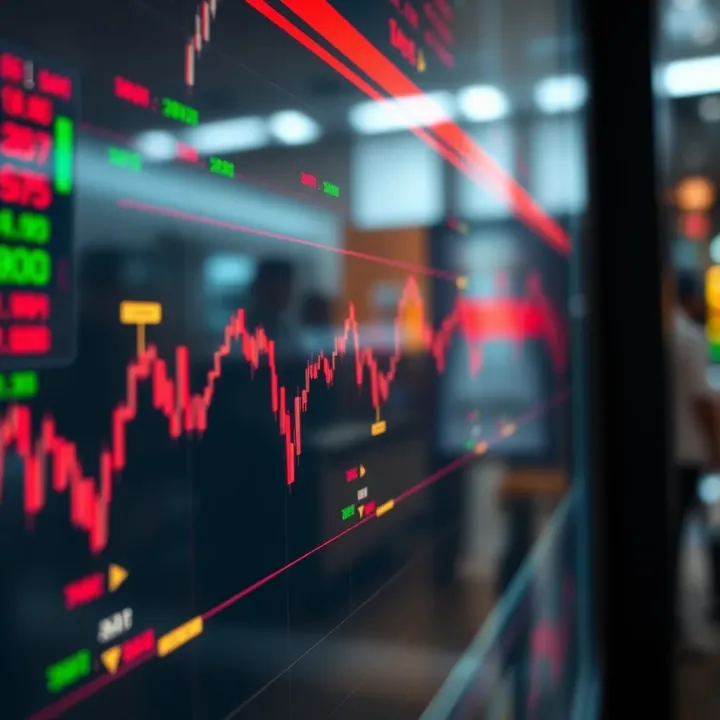
Learn the essentials of forex trading in Nigeria 🇳🇬. Discover key terms, strategies, risk tips, and how to pick a trustworthy broker to get started safely.
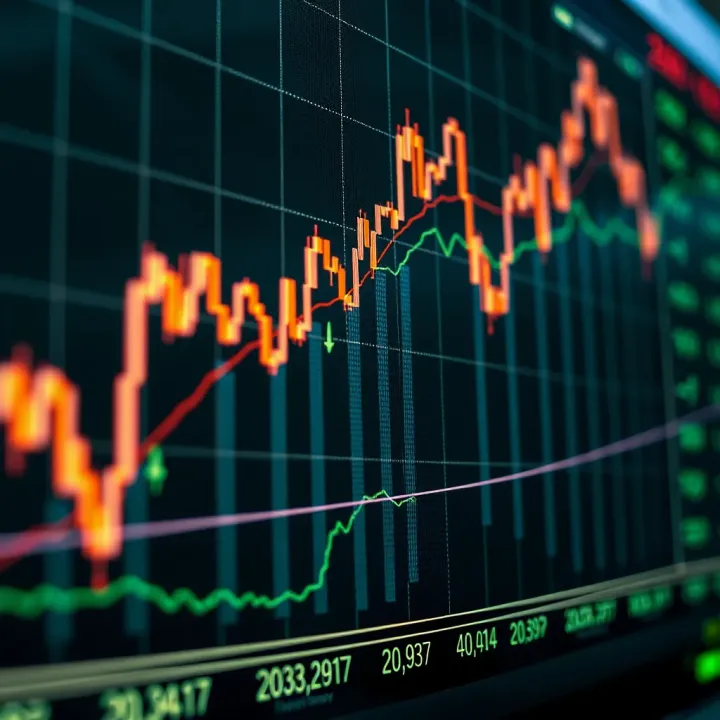
📊 Discover practical steps and essential forex trading tips🎯 tailored for Nigerians🇳🇬. Learn risk management, strategies, and market basics today!
Based on 14 reviews