
Best Trading Apps for Beginners in Nigeria
📱 New to trading in Nigeria? Discover how to pick the best app with tips on security, ease of use, fees, and markets to trade confidently and safely 📊
Edited By
Daniel Edwards
Forex trading has gained solid ground in Nigeria recently, especially with the rise of mobile trading apps. For many Nigerians, these apps offer a quick and straightforward way to tap into the global currency markets without needing a traditional broker or physical trading floor. However, before jumping in, it's vital to understand what forex trading involves, particularly within the Nigerian context.
At its core, forex trading is the buying and selling of currencies to profit from changes in exchange rates. For example, you might buy the US dollar (USD) when its value is low against the Nigerian naira (₦), then sell it later when the dollar strengthens. This process might seem easy in theory, but the forex market is volatile and requires careful attention.
Mobile apps have made it easier to navigate forex trading in Nigeria. Apps like MetaTrader 4 (MT4), MetaTrader 5 (MT5), and local platforms such as Oanda and IG provide user-friendly interfaces with real-time currency quotes, charts, and various technical analysis tools.
Accessibility: Unlike the past where trading required large capital or a physical broker, apps allow anyone with a smartphone and internet connection to trade.
Speed: Transactions execute instantly, allowing you to respond quickly to market moves.
Tools: Most apps come with charting features, trend indicators, and even demo accounts for practice.
Affordability: Minimum trade sizes are low, sometimes as small as $1 (around ₦450), making it easier to start with manageable funds.
For beginners in Nigeria, forex trading via apps can be a practical way to learn the market, but caution is necessary:
Understand the risks: Forex can be profitable but is also high-risk. The fast movement of exchange rates means your investment can gain or lose value very quickly.
Beware of scams: Fraudulent platforms target newcomers regularly. Always verify if the app is regulated by recognised bodies (like the Securities and Exchange Commission Nigeria or international regulators).
Start with a demo account: Many apps offer practice accounts using virtual money so you can learn without losing real funds.
Learn the basics: Grasp concepts like leverage, margin, spreads, and currency pairs before trading.
By properly understanding and using forex trading apps, Nigerians can participate confidently in the forex market. The following sections will guide you through choosing the right app, key features to look for, and practical steps to begin your trading journey safely.
Understanding forex trading is vital for anyone looking to tap into the bustling Nigerian market. Forex trading involves buying one currency while selling another, aiming to profit from changes in exchange rates. This activity has gained traction because Nigerians see it as a way to generate income in foreign currencies like the US dollar or euro, which are often more stable compared to the naira.
At its core, forex trading is about exchanging currencies. Imagine you travel abroad; you exchange naira for dollars, pounds, or euros. Similarly, in forex trading, you buy and sell currency pairs—for example, the USD/NGN pair—expecting their value to change. This is practical because it allows access to global funds, and traders can profit when the foreign currency strengthens against the naira.
The forex market is a worldwide, decentralised marketplace where currencies are traded 24 hours a day, five days a week. It’s driven by banks, governments, corporations, and individual traders. Unlike stock markets with set hours, forex trading shifts as markets open and close across continents—from Asia to Europe to America—giving continuous opportunities. For Nigerian traders, this means they can trade whenever suits them best, especially outside traditional Nigerian banking hours.
Forex trading ties into the Nigerian economy because currency fluctuations influence import prices, inflation, and business costs. For instance, when the naira weakens, imported goods—like electronics or fuel—get pricier, impacting everyday life. Traders who watch these trends can potentially benefit by speculating on currency moves. Plus, with Nigeria’s reliance on foreign exchange from oil exports, the forex market reflects wider economic health, making it relevant for Nigerians interested in finance.
Mobile technology has made forex trading accessible to many Nigerians. With smartphones becoming commonplace—even outside urban areas—apps allow people to trade from anywhere, whether at a market stall or a university library. No need for bulky equipment or physical trading floors; just internet and a good app like MetaTrader 4 can get you started. This ease lowers entry barriers for youths and working professionals alike.
Many Nigerians are attracted by the chance to earn in dollars or euros, currencies that hold value better than the naira. Forex trading offers a way to create additional income or cushion against inflation. For example, a trader who invests ₦50,000 in the forex market might earn profits paid in dollars, which can help with expenses like tuition or travel abroad. This potential makes forex a popular option beyond traditional savings or side hustles.
Unlike standard jobs bound by 9 to 5, forex trading operates all day during weekdays, thanks to its global nature. Nigerians can trade at midnight or early morning without conflicting with daily activities. This flexibility suits students juggling studies, commuters in Lagos facing traffic snarls, or mama put owners running their businesses during the day. It allows traders to fit trading into their schedules, raising its appeal across different groups.
Forex trading apps bring global currency markets to the palm of your hand, making it possible for Nigerians from different walks of life to explore new financial opportunities with learnable risks.
By grasping what forex trading is and why it draws Nigerians, beginners can approach the market with more confidence and realistic expectations. This foundation is crucial before starting to trade, helping to navigate risks and identify opportunities effectively.
Selecting the right forex trading app is a key step for beginners in Nigeria. The app acts as your gateway to global currency markets, so it must be reliable, easy to navigate, and secure. A poor choice can lead to frustration, security risks, or wasted funds, especially for those just learning the ropes. This section highlights practical features to look out for and covers some popular apps accessible to Nigerian traders.
A forex trading app with a straightforward interface makes the trading experience less daunting. Beginners benefit from clean layouts where charts, currency pairs, and trading buttons are easy to find and understand. For example, MetaTrader 4 (MT4) is widely used because its dashboard shows essential information at a glance without unnecessary clutter. This helps prevent costly errors caused by confusion or misclicks. Also, apps that support clear visual cues and simple navigation reduce the learning curve and encourage consistent trading.
Given the rise in online fraud and scams in Nigeria, security is not negotiable when picking a forex app. Look for platforms with two-factor authentication (2FA), end-to-end encryption, and regulated brokerage partnerships. These features guard your personal data and funds from cyberattacks. For instance, reputable apps often adhere to international standards or are licensed by recognised bodies like the Nigerian Securities and Exchange Commission (SEC). Ignoring security can expose you to hacking or financial loss, making thorough vetting essential.
Many beginners stumble because of limited knowledge, so forex apps offering built-in tutorials, market news, and webinars add value. These resources help users understand strategies, market trends, and how to use the app effectively. For example, some apps provide daily forex analysis or beginner-friendly glossaries tailored for Nigerian traders. Accessing such tools within the app means you can learn and trade in one place, speeding up your progress without extra costs.
MetaTrader 4 and its newer version MT5 remain favourites due to their balance of sophistication and usability. They support multiple chart types, technical indicators, and automated trading – useful even for beginners learning gradually. Despite being global products, these apps are fully compatible with Nigerian bank transfers and local payment methods. Other international apps like IQ Option and Olymp Trade are also common but differ in features and regulatory status, so check carefully before committing.
Nigeria's growing fintech scene has brought apps designed with local traders in mind. Platforms like Evest and Bamboo not only allow forex and stocks trading but integrate with Nigerian banks for faster deposits and withdrawals. They often feature Naira trading pairs or offer payments via local wallets like SystemSpecs’ Remita. These local fintech apps also tend to provide customer support that understands the Nigerian market, including challenges like network interruptions or currency fluctuations.
Reliable customer service can save a lot of headache, especially when dealing with live trades or technical glitches. Check if the app offers responsive support channels like live chat, phone lines, or WhatsApp contacts. Besides, community reviews give insight into real experiences beyond marketing claims. Platforms with active user forums or social media groups allow beginners to share tips, report issues, and learn from others. For example, traders often discuss their experiences with app withdrawals or updates, signalling how trustworthy the app is.
Choosing the right forex trading app isn’t about picking the flashiest platform but one that matches your comfort, offers good security, and supports your learning journey. Careful selection sets the stage for sustainable trading success.
Starting forex trading on a mobile app might seem straightforward, but following clear steps is essential to avoid costly mistakes. This section sheds light on practical procedures every Nigerian beginner must know to trade effectively and securely. From account setup to practising with demo accounts, the steps help you build confidence and understand the platform.
Registration process and verification are the first hurdles when you start forex trading on an app. Typically, you provide basic details like your full name, phone number, and email. Nigerian apps often require a National Identification Number (NIN) or Bank Verification Number (BVN) to meet local regulations and prevent fraud. Verification involves uploading valid identification, such as a passport or driver's licence, and sometimes a proof of address. This step protects you by ensuring only legitimate traders can access the platform.
Next comes linking bank accounts or wallets. Since you’ll need to fund your trades and withdraw profits, linking a Nigerian bank account directly to the trading app is vital. Many apps support popular banks like GTBank, Access Bank, and Zenith Bank. Some apps also allow connection to e-wallets like OPay or PalmPay for added convenience. This setup ensures smooth deposits and withdrawals without delays or unnecessary fees that might otherwise eat into your trading capital.
Understanding deposit and withdrawal procedures helps you manage funds wisely. Deposits usually clear almost instantly, but withdrawals might take one to three business days depending on your bank or wallet provider. It's essential to check minimum deposit amounts, withdrawal limits, and possible charges before committing. For example, some apps might require a minimum deposit of ₦5,000 or charge withdrawal fees. By knowing these details, you avoid surprises that could disrupt your trading plans.
The purpose and benefits of demo trading cannot be overstated for beginners. Demo accounts simulate real forex markets using virtual money, allowing you to experience real-time trading conditions without risking your naira. This feature is a lifesaver for understanding price fluctuations, order types, and execution speed. A beginner who practises for weeks on a demo account generally avoids common rookie errors when switching to live trading.
Testing different strategies risk-free is why many successful traders started with demo accounts. You can try out methods like scalping, swing trading, or news-based trading without losing money. Also, the demo environment helps you get familiar with the app’s interface, charts, and analytical tools. For instance, you might discover that a particular technical indicator suits your style before going live with actual funds. It's the safest way to refine your skills, build discipline, and gain confidence before facing real market pressures.
Opening a trading account and practising on a demo are key steps that separate casual interest from serious trading. They prepare you to manage your funds responsibly and respond well under pressure.
By carefully following these steps, you set yourself on the right path to becoming a competent forex trader on your preferred mobile app in Nigeria. Keep focus on getting your basics right, and the experience will be far more rewarding.
When stepping into forex trading, managing risks and staying safe are not optional—they are essentials. The volatile nature of the forex market means fortunes can swing quickly, so knowing the common dangers and how to guard against them helps protect your capital and nerves. Especially for beginners navigating Nigerian apps, understanding these risks sharpens your ability to trade smartly.
The forex market is famously unpredictable. Prices can shoot up or plunge within minutes due to economic reports, political shifts, or sudden global events. For instance, an unexpected Central Bank of Nigeria (CBN) policy change or a headline about global commodity prices can cause sharp naira exchange rate fluctuations. Such volatility can erase gains or magnify losses quickly, so traders must be ready for swift price moves.
Leverage allows you to trade with more money than you physically have, amplifying both profits and losses. Many apps offer high leverage, sometimes up to 1:500. While this looks attractive, misusing leverage is a common trap. For example, a ₦10,000 investment with 100:1 leverage means controlling ₦1,000,000 in currency. Just a 1% adverse move could wipe out your entire deposit. Beginners sometimes over-leverage out of excitement, only to lose everything fast.
Unfortunately, unregulated forex brokers or fake apps targeting Nigerian traders pop up regularly. These scams may promise guaranteed returns or seem too good to be true. They might disappear with traders' funds or manipulate prices unfairly. Such risks highlight the need for vigilance when picking brokers and apps to avoid falling victim to fraudsters.
Opting for brokers regulated by credible bodies — like the Securities and Exchange Commission (SEC) Nigeria or international regulators such as FCA (UK) or CySEC (Cyprus) — ensures a minimum standard of trust. Regulated brokers must keep client funds separate from their own, submit to audits, and follow fair trading practices. This reduces the danger of your money disappearing overnight.
Account security is crucial. Many trading apps allow 2FA, which requires a code from your phone in addition to your password. This extra step blocks unauthorised logins, even if someone guesses your password. Use complex, unique passwords and avoid reusing them across sites. For instance, a password like "Jollof2024!" is better than "password123".
Stop-loss orders limit potential losses by automatically selling your position if the price reaches a set level. For example, if you bought USD/NGN at ₦460 and set a stop-loss at ₦455, your trade exits before losing more than ₦5 per dollar. This tool is essential to protect your capital from sudden market swings without constant monitoring. New traders often overlook stop losses, risking bigger losses than necessary.
Managing risks well is as vital as understanding how to trade itself. By recognising common pitfalls and following solid safety measures, Nigerian traders can build their forex journey on firmer ground, reducing unnecessary losses and frustrations.
Growing your confidence and skills is essential in forex trading, particularly for beginners in Nigeria where the market can be unpredictable. Understanding how to improve and refine your trading approach helps protect your capital and increases your chances of consistent success. This section covers practical ways to learn effectively and develop a strategy tailored to your trading style.
Online courses and tutorials tailored for Nigerians offer focused content that reflects local market conditions, regulations, and trading platforms popular in Nigeria. Such courses often include explanations of how the naira behaves against major currencies like the dollar and euro, plus practical tips relevant to the Nigerian economy. For example, courses from Nigerian fintech companies or local trading educators typically address issues like naira liquidity, forex trading taxes, and how to navigate CBN policies, making the lessons more relatable and actionable.
Many of these tutorials provide step-by-step guidance on using popular trading apps like MetaTrader 4 or local alternatives such as Access Bank's trading app. This allows beginners to grasp the technical side of trading apps faster. You can usually find these resources on YouTube channels, Nigerian-based forex blogs, and specialised training platforms, where practical walkthroughs and case studies help you learn at your own pace.
Joining local trading groups and forums is another vital step to boost your trading skills. Nigerian trading communities, whether on WhatsApp, Telegram, or Facebook, provide a space to share market insights, discuss best practices, and warn each other about scams or unreliable brokers. Being part of these groups exposes you to real-time market gists and strategies that other traders use, sometimes uncovering local trends not found in global analyses.
Moreover, interacting with more experienced traders can motivate you to stay disciplined and adapt your strategy according to market changes. However, always be cautious and verify information, as some groups may share biased or unverified tips. Look for groups moderated by credible traders or connected to reputable training centres.
Understanding technical and fundamental analysis is fundamental to formulating a solid trading strategy. Technical analysis examines price charts and indicators to predict future movements, while fundamental analysis looks at economic data, geopolitical events, and market news. For example, when Nigeria’s inflation rate rises or the CBN changes interest rates, these factors influence the naira's strength and should guide your trading decisions.
Learning how to read candlestick patterns, support and resistance levels, as well as news releases from the Nigerian Bureau of Statistics, helps you anticipate market shifts with more confidence. Combining both analyses can give you a clearer picture, preventing you from making trades based purely on guesswork or emotion.
Practising patience and discipline is often overlooked but critical to forex success. As tempting as quick profits may seem, forex trading requires a calm mind and adherence to your chosen plan. For example, setting stop-loss orders helps you limit losses when trades don’t go your way, but you must resist the urge to move these stops impulsively.
Successful traders know when to step back and reassess instead of chasing every market move. Staying patient while waiting for ideal entry and exit points protects your capital and builds long-term confidence. Regularly reviewing your trades to learn from mistakes and successes also strengthens discipline and improves your judgement over time.
Developing confidence in forex trading doesn’t happen overnight. Using tailored learning resources, engaging with trustworthy communities, combining analysis methods, and maintaining patience are steps that help beginners trade smarter and safer in Nigeria's dynamic forex market.
📱 New to trading in Nigeria? Discover how to pick the best app with tips on security, ease of use, fees, and markets to trade confidently and safely 📊
Discover how to pick the best trading app in Nigeria! Learn about fees, security, local rules, user-friendliness, and tips for beginners 📈🇳🇬
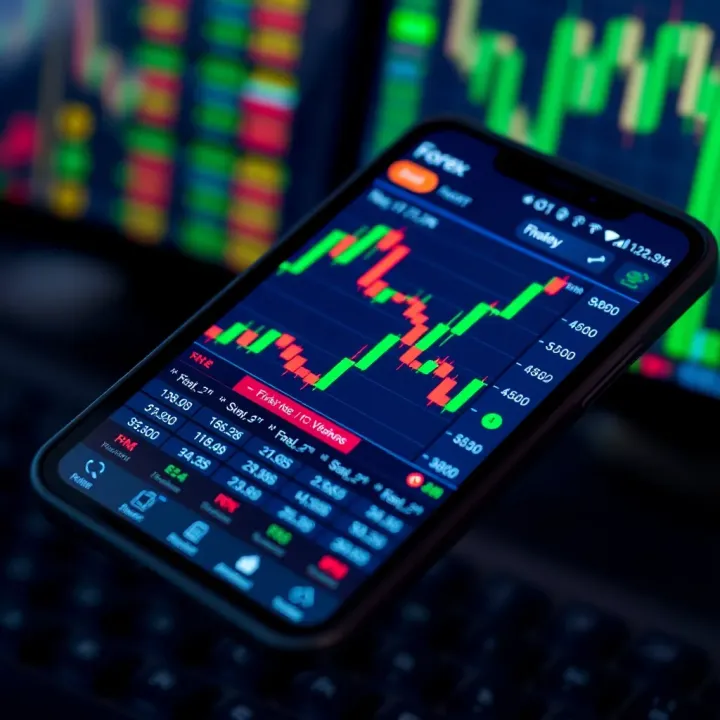
Discover top forex trading apps in Nigeria 📱, learn key features, and get smart tips to boost your trading efficiency and protect your investments securely.
New to forex trading in Nigeria? 🌍 Discover how to pick the best beginner-friendly platform with tips on security, fees, features, and usability for confident trading.
Based on 11 reviews