
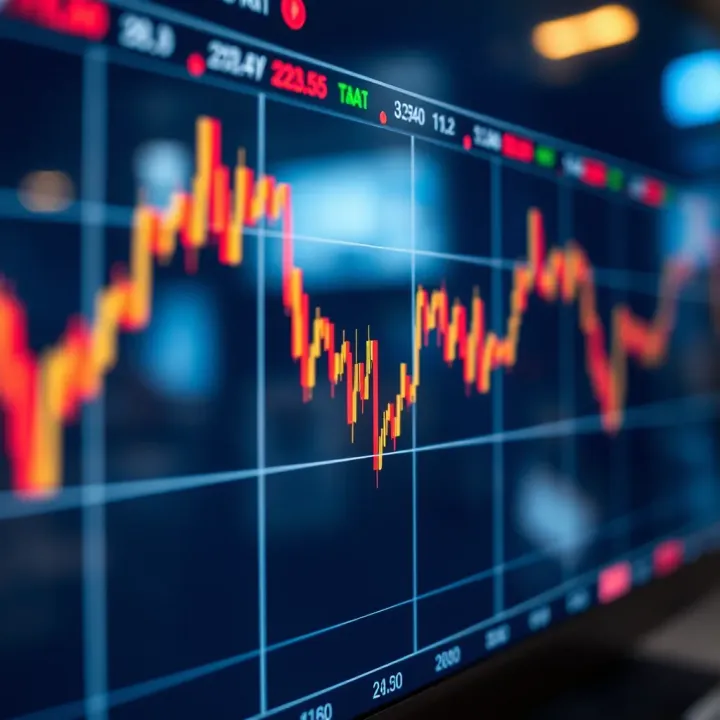
What Is Forex Trading? Understanding Foreign Exchange
📈 Understand forex trading in Nigeria: how currency buying and selling works, key players, risks, platforms, and regulations to start making profits now.
Edited By
Henry Collins
Forex trading, which means buying and selling different currencies to make profit from their changing values, has become popular among Nigerian investors. However, for many Muslims in Nigeria, the question of whether engaging in forex trading is halal (permissible) or haram (forbidden) under Islamic law remains unclear. This concern is valid because Islamic finance prohibits certain practices, especially those involving excessive uncertainty (gharar), interest (riba), and unethical dealings.
Islamic principles focus on fairness, transparency, and avoiding exploitation. When it comes to currency trading, these principles raise important questions. For example, does speculative trading involve gambling (maysir)? Is it free from interest-based transactions? And how does the timing of currency exchanges affect permissibility?
Understanding these nuances matters for Nigerian traders who want to align their investment activities with their faith while navigating local economic realities, including naira volatility and forex market regulations.
Key issues debated by Islamic scholars on forex trading include:
Immediate exchange: Islamic law generally requires exchange of currencies to occur hand-to-hand (spot) without delay. Delayed settlement can render the transaction haram.
Avoiding riba: Interest-based lending or borrowing during forex trades is not allowed.
Speculation vs. legitimate trading: Excessive gambling-like speculation is forbidden, but hedging real economic risks may be permissible.
This article will explore differing scholarly views, identify practices considered halal in forex trading, and highlight how Nigerian Muslims can trade within Sharia guidelines. By analysing case examples relevant to Nigeria’s market, readers will gain a clearer picture of ethical currency trading.
In the next sections, we will address these principles in detail and offer practical advice that respects Islamic values while engaging with Nigeria’s dynamic forex environment.
Understanding the basics of forex trading is essential before assessing whether it aligns with Islamic principles. Forex trading is the global market where currencies are bought and sold, allowing traders to profit from changes in exchange rates. Given the growing interest among Nigerian Muslims, grasping how forex works, its platforms, and appeal helps place the Islamic perspective in context.
Forex trading involves exchanging one currency for another simultaneously, aiming to capitalise on the currency’s value fluctuations. For example, a trader might buy the US dollar against the Nigerian naira (USD/NGN) expecting the dollar to strengthen. When the exchange rate shifts favourably, the trader sells back the dollar to make a profit. This process happens over electronic platforms 24 hours a day since global currency markets operate across different time zones.
Currencies in forex are always quoted in pairs, such as EUR/USD or USD/NGN. The first currency (base) is bought or sold against the second (quote). The price shows how much of the quote currency is needed to buy one unit of the base currency. Currency pairs reflect economic relations between countries — for example, Nigeria’s trade link with the US impacts the USD/NGN pair. Traders watch these pairs to predict movements and make trading decisions based on geopolitical news, economic data, and central bank policies.
Nigerian traders usually access forex markets through online brokers with platforms like MetaTrader 4 and MetaTrader 5, which are popular for their user-friendly interfaces and advanced analysis tools. Other platforms include local services offered by companies like FXTM Nigeria and HotForex Nigeria, which provide support tailored to the local market. These platforms enable traders to execute orders, monitor price charts, and manage accounts conveniently from smartphones or computers.
The online nature of forex trading removes geographic barriers, enabling Nigerians in cities like Lagos and Abuja to participate from home or even at a mama put. Brokers accessible through internet connections require minimal capital to open accounts. This flexibility makes forex trading attractive, especially to youth and people unable to fully engage in traditional employment.
Forex markets are highly liquid and volatile, allowing traders to make profits within hours or days. For Nigerians facing inflation and the naira’s volatility, short-term trading offers a chance to benefit from exchange rate swings alongside traditional income sources. Still, this potential comes with risk; market movements can quickly erase gains.
Forex trading suits individuals juggling jobs, studies, or businesses because trades can be opened and closed quickly, even in minutes. Nigerians who work as commercial motorbike riders (okada), shop owners, or students often use evenings or weekends to trade. This flexibility helps supplement income without demanding full-time commitment.
Knowing how forex trading works and what makes it attractive in Nigeria lays the groundwork for understanding whether it complies with Islamic teachings and how traders can approach it responsibly.
Understanding Islamic principles is vital for Nigerian Muslims involved or interested in forex trading. These principles guide what is permissible (halal) and what is forbidden (haram) in financial dealings, ensuring trades align with Shariah law. Key concepts such as riba (interest), gharar (excessive uncertainty), and maysir (gambling) help traders evaluate forex practices through an Islamic lens.
Riba refers to any guaranteed interest earned on loans or investments. In Islam, earning money from money itself without effort or risk is forbidden. This principle impacts forex trading where interest can arise through swap or rollover fees when positions stay open overnight. For example, many conventional brokers charge or pay swap interest depending on the currency pair's interest differential. Nigerian Muslim traders need to avoid such charges by opting for Islamic or swap-free accounts that remove interest-bearing components.
Gharar means ambiguity or excessive uncertainty in a contract that makes outcomes unpredictable or unfair. Islamic finance demands clarity and certainty in transactions. Forex markets are volatile by nature, but speculative trading that involves unclear contract terms or excessive risk falls under gharar. For instance, entering trades without understanding leverage effects or contract specifications can involve gharar. Traders should prioritise transparent trading conditions and avoid deals where terms are vague or unsettled.
Maysir refers to winning or losing money by chance or gambling. Speculative forex trading sometimes borders on gambling, especially when traders place bets without sound analysis or rely entirely on luck. This is discouraged in Islam as earnings should result from productive effort and real economic activity, not mere chance. Nigerian Muslims can steer clear of maysir by adopting informed strategies, proper risk management, and avoiding trades driven purely by speculation.
For currency exchange to be valid under Shariah, the exchange must be immediate or hand-to-hand (known as "tayyib"). This means the two currencies are swapped on the spot without delay. In forex trading, this principle sheds light on the legitimacy of contract settlements and delivery. When currency trades are settled instantly, the transaction adheres better to Islamic requirements, ensuring no interest or uncertainty taints the deal.
Delays in currency settlement contradict the hand-to-hand exchange rule and can introduce riba or gharar. Traditional forex contracts often settle two business days later (T+2), creating a gap where interest or speculation might arise. In Nigeria, this delay is a concern because it risks making forex trading haram. Islamic scholars emphasise using brokers offering real-time settlement or Islamic accounts that ensure no delayed payments. Traders must confirm their broker’s process to avoid violating this principle.
Successful and Shariah-compliant forex trading hinges on understanding these principles clearly, choosing the right trading platforms, and practising discipline to avoid forbidden elements like interest, uncertainty, and gambling.
By paying attention to Islamic finance rules, Nigerian Muslim traders can engage in forex trading more confidently and ethically, aligning financial ambition with religious duty.
The debate on the permissibility of forex trading in Islam has gained traction among Nigerian Muslims due to the increasing popularity of currency trading as a source of income. Understanding the differing views is critical because forex trading involves elements that brush close to prohibited areas under Shariah law, such as interest (riba) and excessive uncertainty (gharar). At the same time, it can offer legitimate trading opportunities if the principles are properly observed. This section sheds light on the arguments on both sides to help you make an informed decision.
One key argument for forex trading being halal revolves around the concept of bay al-sarf, the exchange of currencies where the delivery (hand-to-hand exchange) happens instantly. Islamic law demands that currency transactions occur immediately to avoid riba. In practical terms, trading platforms that settle trades without delays align better with this requirement. For example, some brokers offer real-time currency swaps, making the trade compliant with the immediate exchange condition. This supports the view that forex, when done with instant settlement, is legitimate and free from interest.
Islamic forex accounts, commonly known as swap-free accounts, remove overnight interest charges (swap or rollover fees). Since paying or receiving interest contradicts Shariah law, these accounts are crucial for Muslim traders. Nigerian brokers licensed for Islamic accounts, such as Al-Hilal Group or those operating through local fintech, provide this feature. Traders can thus participate without worrying about accruing forbidden interest, making forex trading more acceptable from an Islamic perspective.
Some scholars permit speculative trading as long as it does not involve unethical elements like gambling or interest. They argue that speculation is not inherently haram if it is based on market analysis and involves real assets exchanged instantly. For instance, if a trader buys euros with naira at spot rate and the exchange happens immediately, subsequent price changes allow legitimate profit or loss. This view recognises forex trading as a valid market activity subject to responsible behaviour and knowledge.
Leverage allows traders to control large positions with minimal capital, but it often brings hidden interest charges via swaps or margin costs. This borrowing at interest contradicts the ban on riba. Many Nigerian traders fall into this trap without realising, especially when using standard accounts that automatically apply leverage and charge fees overnight. This creates a strong case for forex trading to be considered haram unless these issues are addressed.
When forex trading becomes purely speculative without underlying asset exchange or knowledge, it resembles gambling (maysir), which Islam prohibits. Some traders treat forex as a lottery, making random bets on currency direction hoping for quick profits. This behaviour voids the legitimacy of trading because it involves excessive uncertainty and chance, rather than informed decision-making.
Traditional forex trading often involves delayed settlements, where currency delivery happens days after the trade. Such delay can introduce riba or excessive uncertainty (gharar) because money owes money without immediate handover. Islamic law forbids this since it promotes unfair advantage and risk. Many online brokers’ default settlement mechanisms may therefore be problematic.
Not all forex trading is the same. Halal trading involves actual exchange with immediate transfer, no interest payments, and informed decisions based on analysis or hedging needs. Illicit speculation, on the other hand, neglects these principles and relies on chance. Nigerian traders must identify which approach they follow, ensuring alignment with Islamic ethics.
The trader’s intention and understanding significantly influence the permissibility of forex trading. Entering the market with knowledge, clear strategies, and ethical purpose leans towards halal, while reckless gambling-like behaviour swings to haram. This means continuous education and awareness about Islamic finance principles are essential.
Nigerian Muslims can better stay within Shariah guidelines by using Islamic forex accounts and banking services that avoid riba and exploit fair contract terms. Islamic banks and licensed fintech platforms provide crucial infrastructure to facilitate compliant forex activities. This reduces the risk of slipping into prohibited practices unintentionally.
Forex trading occupies a fine line between halal and haram depending on practice. Nigerian Muslims should prioritise immediate exchange, avoid interest, and trade responsibly to ensure compliance with Islamic principles.
Through understanding this debate, you can navigate forex trading better, balancing potential profit with religious duties.
Forex trading, while popular, raises valid concerns about its compliance with Islamic law. For Nigerian Muslims interested in currency trading, understanding how to trade within Islamic guidelines is essential to avoid falling into practices considered haram. Proper adherence not only aligns with one’s faith but also helps protect against financial pitfalls common in unregulated trading.
Swap-free accounts, often called Islamic forex accounts, remove interest payments which are forbidden (riba) in Islam. These accounts do not charge overnight fees, which otherwise accumulate if a position remains open past the trading day. For example, a trader using a regular account might pay a small overnight interest on leveraged trades, but with a swap-free account, this charge is eliminated.
This feature makes it easier for Nigerian Muslims to trade without violating the prohibition against earning or paying interest. Brokers offering swap-free accounts tailor their services to meet these conditions, ensuring trades comply with Shariah principles.
Choosing the right broker is crucial. Nigerian traders should look for brokers officially licensed to provide Islamic forex accounts. Such brokers usually operate under regulatory bodies and follow Islamic finance rules. Verification involves checking the broker’s licensing status and confirming they offer clearly marked Islamic or swap-free accounts.
A trusted broker in Nigeria will also provide transparent terms, including how they handle spreads and commissions, without resorting to hidden fees that might contradict Islamic guidelines. Picking a reputable broker reduces exposure to scams or unethical practices rampant in less regulated markets.
Many brokers offer leverage to amplify traders’ buying power, but this often involves interest charges. Nigerian Muslim traders should avoid leveraged trades that carry overnight interest, as this directly conflicts with Islamic prohibitions on riba.
Instead, trading without leverage or using accounts designed explicitly to avoid such charges ensures compliance. For instance, using a swap-free account with zero leverage prevents inadvertent interest payments, keeping trading halal.
One key Islamic finance principle is the requirement for immediate exchange during trading, meaning the currencies swapped should settle hand-to-hand without delay. Nigerian traders must verify that their broker executes trades promptly and does not delay settlement, which can lead to gharar (excessive uncertainty) or riba.
Some brokers use deferred settlement methods that complicate Shariah compliance. Ensuring that the trade occurs with direct and immediate currency transfer eliminates this risk, positioning the trade as halal.
Responsible trading means managing risks prudently to avoid speculation that resembles gambling (maysir). Nigerian traders should set clear limits on losses, avoid impulsive trading, and educate themselves on market dynamics.
Using stop-loss orders, limiting trade sizes to affordable amounts, and continually updating knowledge about market conditions all help minimise exposure to excessive risk. This approach respects Islamic ethics and promotes long-term trading sustainability.
Nigerian Muslims can engage in forex trading successfully and ethically by choosing swap-free accounts, working with licensed brokers, ensuring immediate currency exchange, and practising responsible risk management. These steps help align trading activities with Islamic values while navigating the volatile forex market.
Adopting these measures turns forex trading from a risky venture into a more disciplined and faith-compliant endeavour, allowing traders in Nigeria to pursue gains without compromising their religious beliefs.
Trading forex in Nigeria presents not just opportunities but also significant risks and ethical challenges that traders must understand clearly. The volatile nature of currency markets, combined with local economic factors and regulatory gaps, can expose traders to financial losses and unethical practices. Awareness of these risks alongside a strong commitment to ethical conduct is essential for anyone engaging in forex trading within the Nigerian context.
One of the most pressing financial risks is the fluctuation of the naira. Given Nigeria’s economy, where the naira regularly faces pressure due to trade imbalances, foreign exchange reserves movements, and external shocks, currency values can swing dramatically. For example, a trader holding USD positions might gain or lose considerably overnight simply because of sudden naira depreciation or appreciation. This volatility amplifies forex trading risk, especially for those relying on short-term speculative trades without adequate market analysis.
Monetary policy decisions by the Central Bank of Nigeria (CBN) also play a critical role in forex market behaviour. When the CBN changes its intervention strategies—such as altering interest rates, imposing forex restrictions, or adjusting the official exchange rates—markets can react swiftly and unpredictably. Traders must stay current with CBN announcements, as these moves affect liquidity and pricing. For instance, during periods of tight forex supply, naira restrictions can widen spreads, making forex trading costlier and riskier for retail participants.
Scams and unregulated brokers remain a significant concern for Nigerian forex traders. Many operators market themselves aggressively online but lack proper licences or oversight by the Securities and Exchange Commission (SEC) Nigeria or other relevant bodies. Such brokers might disappear with investors’ funds or manipulate trading platforms. To avoid falling victim, traders need to verify brokers’ credentials thoroughly and prefer entities regulated by recognised authorities.
Transparency and honest trading form the bedrock of ethical forex practice. Traders should ensure they understand all fees involved, such as spreads, commissions, or swap charges, especially in Islamic (swap-free) accounts. Avoiding hidden charges prevents misunderstandings and aligns trading with the principles of fairness demanded by Shariah. Honest brokers also provide clear contract terms and reliable customer support, which Nigerians should prioritise.
Community awareness and education are equally vital for mitigating risks and promoting ethical trading. Many naive traders jump into forex attracted by quick profits but lack a fundamental understanding of market dynamics or Islamic compliance issues. Regular seminars, online courses, and trusted forums can empower traders with practical knowledge. Additionally, spreading awareness helps reduce susceptibility to scams and encourages responsible trading culture within Nigeria’s Muslim trading community.
Forex trading success in Nigeria depends not only on market knowledge but equally on recognising financial risks and committing to ethical standards that protect traders from harm.
📈 Understand forex trading in Nigeria: how currency buying and selling works, key players, risks, platforms, and regulations to start making profits now.
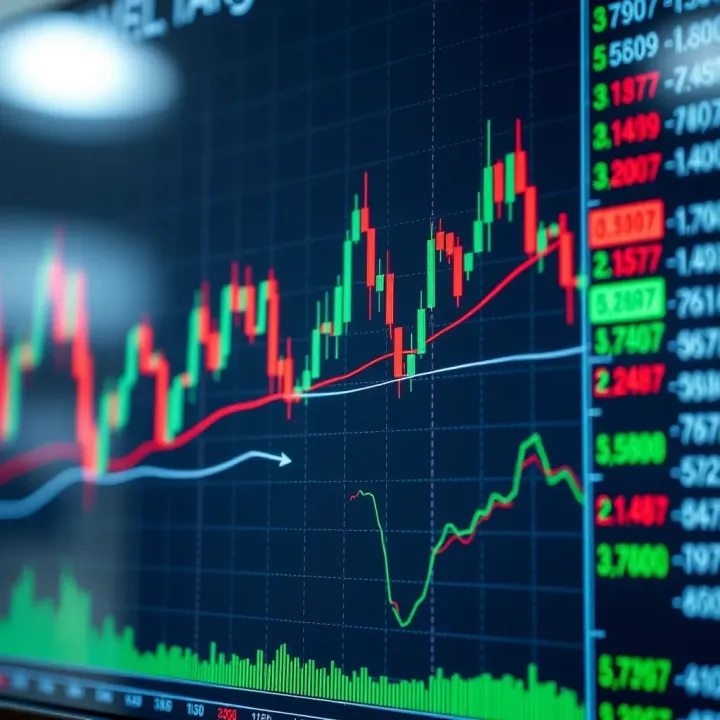
📊 Discover top forex trading indicators used by Nigerian traders for smart market analysis! Learn to combine tools & manage risks effectively.
Discover key benefits of forex trading—easy market access, high liquidity, and flexible risk options—ideal for Nigerian investors interested in financial markets 📈💹
📈 Learn how to win in forex trading with practical tips on market moves, risk control and strategy building. Discover tools Nigerian traders use daily to grow ₦ sustainably.
Based on 10 reviews