
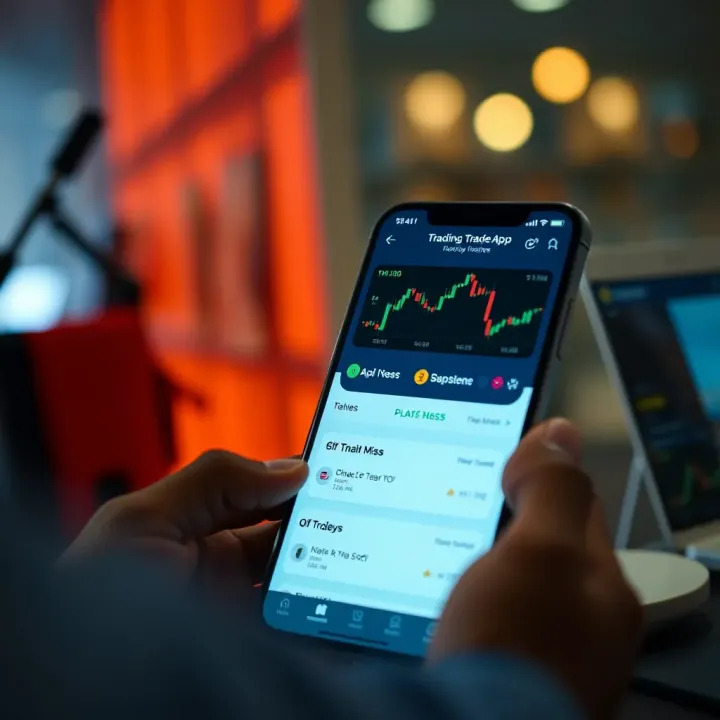
Choosing the Right Trading App for Nigerian Investors
📱 Discover how to pick the best trading app for Nigerian investors. Learn about features, security, fees, and trusted options tailored for Nigeria. 🇳🇬
Edited By
Oliver Wright
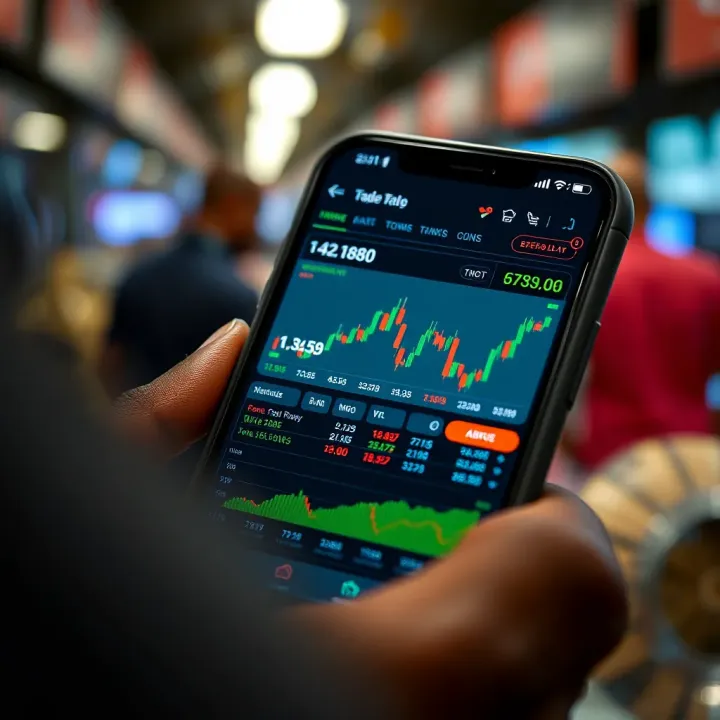
Trading apps have dramatically changed how Nigerians invest in stocks, forex, and cryptocurrencies. With smartphones more common than laptops for many traders across Lagos, Abuja, and beyond, these apps offer quick access to financial markets directly from your phone.
Choosing the right app boils down to understanding several key factors that reflect both the platform’s security and its usability. It's not just about downloading the most popular app or the one your friend uses at the mamaput. You want a tool that fits your investment goals and respects local market realities, including currency fluctuations, regulatory rules, and payment methods.
A secure trading app guarantees your funds and personal data are protected while offering easy navigation and efficient trade execution.
Here are some important points to consider:
Regulation compliance: The platform should be registered with the Securities and Exchange Commission (SEC) Nigeria or relevant regulatory bodies. This reduces risk of scams and ensures proper oversight.
Ease of use: Look for clean interfaces that let you buy, sell, and monitor investments without jumping through hoops. Apps with features like quick account funding using bank transfer, USSD codes, or integrated mobile wallets work better in Nigeria’s payment ecosystem.
Asset variety: Confirm the app supports trading across stocks, forex, or cryptocurrencies, depending on your interest. Some apps focus on NSE equities while others cater more to crypto.
Low fees and transparency: Charges can reduce your profit in the long run. Check for hidden fees, withdrawal limits, and foreign exchange rates if you trade internationally.
Customer support: Efficient helpdesk service, preferably with Nigerian contact options, helps resolve issues quickly, especially when dealing with markets operating in different time zones.
Understanding these factors will help you weed out unreliable or clunky apps. Instead, you can focus on platforms backed by fintech innovations and a local understanding, which deliver strong trading experiences tailored for Nigerian investors.
In the following sections, we will review some popular trading apps and dive into specific technical and practical considerations for Nigerian traders.
Understanding the variety of trading apps available in Nigeria is vital for anyone looking to invest or trade through mobile platforms. With the rise of fintech innovation in the country, investors now access diverse financial markets more conveniently than ever. This overview highlights the key types of trading platforms and the notable Nigerian and international apps, offering practical insights into their relevance and usability.
Stock market trading apps connect users directly to equities and securities markets such as the Nigerian Stock Exchange (NGX). These apps allow individuals to buy or sell shares listed in Nigeria and some global exchanges without visiting a brokerage office. For example, platforms like Bamboo and Chaka provide easy access to Nigerian shares and even US stocks, making them ideal for investors looking to diversify. These apps generally feature live market updates, portfolio tracking, and order execution—all critical for timely decision-making in a volatile market.
Forex (foreign exchange) trading apps enable users to trade currency pairs, including the naira against dollars or euros. Forex markets operate 24/7, appealing to those seeking short-term profits from currency fluctuations. Nigerian traders often prefer apps that offer real-time charts, leverage options, and tight spreads — features seen in platforms like FXTM and OctaFX. However, users must be cautious of high volatility and regulatory considerations surrounding forex trading in Nigeria, particularly with Central Bank policies affecting access.
Cryptocurrency apps cater to the growing interest in digital currencies like Bitcoin, Ethereum, and stablecoins. Popular platforms such as Binance and Luno offer Nigerians the chance to buy, sell, and store crypto assets conveniently. Given Nigeria's youthful population and tech-savviness, crypto trading apps have gained traction despite regulatory uncertainties. These apps typically provide wallet integration and sometimes educational content to help users navigate price swings and security risks.
Chaka, Trove, and Bamboo represent homegrown trading apps tailored for Nigerian investors. They stand out by offering straightforward interfaces and the ability to invest in both Nigerian and US markets with relatively low minimum deposits—sometimes as low as ₦1,000. Such platforms often partner with local banks for quick fund transfers and Cash withdrawals, making them accessible even for first-time investors. They also comply with Nigerian regulations, providing a safer environment amidst the proliferation of unregistered apps.
Despite local options, many Nigerian traders also use international platforms such as eToro, Interactive Brokers, and Binance. These provide access to a wider array of markets, from global stocks to forex and cryptocurrencies. However, users face challenges such as funding through Nigerian banks, currency conversion fees, and sometimes limited customer support tailored to Nigerian needs. Still, for experienced investors aiming for advanced trading tools or diversified portfolios, these international apps remain valuable.
Choosing the right trading app begins with recognising the type of market you want to trade and balancing local convenience with international market access. Each app offers different features that suit various trading strategies and levels of experience.
Understanding these options helps Nigerian investors make informed choices in the fast-growing digital trading landscape.
Choosing the right trading app in Nigeria goes beyond just picking a popular name. Certain features directly affect your trading experience, security, and cost efficiency. Understanding these aspects helps you avoid common pitfalls, improve trading outcomes, and protect your investments.
A well-designed app makes trading straightforward, especially for beginners. When the layout is intuitive, you spend less time hunting for tools and more time making decisions. For instance, a clear dashboard displaying your portfolio, watchlist, and market news all at one glance saves precious time. Apps like Bamboo emphasize clean design to simplify investment in stocks and ETFs.
Mobile data costs in Nigeria can add up, so apps that use data efficiently are a big plus. Some trading apps compress data or allow offline viewing of charts and portfolio summaries, helping you trade even in areas with weak connectivity. For traders in rural regions or those relying on limited data plans, this feature can be quite handy.
Your personal and financial information should be guarded against hackers. Look for apps that use strong encryption methods—Advanced Encryption Standard (AES) or similar—to secure data transmissions. This reduces the risk of your bank details or trading credentials being intercepted.
Trading apps should be registered or licensed by relevant Nigerian bodies like the Securities and Exchange Commission (SEC). Regulatory oversight means these platforms follow set rules, making your funds safer. While global apps operate here, Nigerian-regulated ones may better navigate local laws and currency controls.
Robust identification processes such as Know Your Customer (KYC) checks help prevent fraud and fake accounts. Apps that integrate BVN (Bank Verification Number) validation add another layer of protection. User verification also ensures that only authorised individuals access your account.
Some apps charge flat fees per trade, others percentage-based commissions, or even have hidden withdrawal or inactivity charges. For example, Chaka charges a 0.2% commission per trade, which is quite competitive, but you still need to watch out for withdrawal fees or inactivity penalties.
Flexible payment channels make funding your trading account easier. Nigerian traders prefer apps supporting local banks, USSD codes for quick transactions without internet, and mobile money options like Paga or OPay. These ensure quick access to your funds without unnecessary delays.
Fast and hassle-free deposits and withdrawals affect your ability to respond quickly to market movements. Platforms that allow instant bank transfers with minimal delays score highly here. For instance, Bamboo offers relatively quick fund withdrawals compared to some international platforms, which can take days.
In summary, consider how user-friendly the app is on your mobile, whether it secures your data properly, operates legally in Nigeria, and offers transparent costs with easy funding. These features ensure you can trade confidently and without avoidable headaches.
Trading apps have reshaped how Nigerian investors access financial markets. These platforms make it possible for many people to participate in stock, forex, and cryptocurrency trading with just a smartphone. Understanding how traders use these apps helps in choosing the right platform tailored to Nigerian market realities.
Internet coverage and smartphone ownership have steadily improved across Nigeria. In cities like Lagos, Abuja, and Port Harcourt, most people now own smartphones and enjoy reliable broadband services, making mobile trading apps highly accessible. However, rural areas face challenges with spotty internet coverage and lower smartphone adoption. For example, farmers in northern states might struggle with frequent network drops or older phones that cannot run the latest apps. This digital divide affects how easily Nigerians can engage with trading platforms, especially those needing real-time market updates.
Network stability is vital for efficient trading. A slow or unreliable connection can cause delays in order execution or failure to receive timely price alerts, potentially leading to losses. Users in cities often experience seamless trading sessions, while traders in less connected regions may face frustration. Some apps address this by optimising data usage or offering offline features like preloaded charts, enabling traders without constant internet to analyse markets and plan moves ahead. It's wise to pick trading apps that perform well even under poor network conditions, especially if you live outside major hubs.
Nigerian traders broadly adopt two main approaches: long-term investment and short-term trading. Many prefer long-term investment in stable stocks or exchange-traded funds via apps like Bamboo or Trove to build wealth steadily. This suits those who cannot constantly monitor markets due to work or power issues. Conversely, short-term trading—day trading or swing trading—gained popularity among younger traders equipped with faster internet and multiple monitoring tools. This strategy can be lucrative but demands quick decisions and constant attention, which not everyone can sustain regularly.
Automated alerts and analysis tools have become quite popular in Nigeria’s trading community. Apps that offer price notifications, trend analyses, and customised trading signals help investors make informed decisions fast. For example, if a trending stock hits a certain price, an alert will notify the trader immediately. These features significantly benefit busy Nigerians who can't watch screens all day. Tools for technical analysis, like Moving Averages or RSI indicators, are also commonly integrated, allowing users to spot trends and improve timing. Choosing apps with robust alert systems and clear analytics boosts chances of profitable trades.
Mobile trading apps in Nigeria are more than just tools; they reflect the diverse realities of Nigerian life—from urban hustle to rural challenges—and traders must consider these factors carefully when investing.
This understanding ensures you select a trading app that fits your lifestyle, internet access, and investment goals, helping you navigate the Nigerian financial market confidently.
Using trading apps in Nigeria isn't without its pitfalls. While these platforms offer convenience and access to various markets, investors face distinct risks shaped by local economic conditions and regulatory environments. Understanding these challenges helps traders make informed decisions and protects their investments.
The Nigerian naira's instability directly impacts trading activities, especially for forex and cryptocurrency investors. For example, a sharp depreciation of the naira against the US dollar can wipe out gains made on foreign currency trades when converting back to naira. This adds an extra layer of currency risk absent in more stable economies.
Similarly, crypto traders feel the effects as naira weakness makes buying cryptocurrencies more expensive in local terms. During bouts of naira volatility, some traders might delay transactions, affecting liquidity on local exchanges. This dynamic forces Nigerian investors to constantly monitor exchange rates alongside market trends.
The Central Bank of Nigeria (CBN) often adjusts policies that shape the forex and crypto landscape. For instance, the suspension of access to foreign exchange for crypto transactions in 2021 created uncertainty, sidelining many investors and slowing market growth.
These regulatory moves influence which trading apps remain accessible and compliant. Apps like Bamboo and Chaka navigate these policies by focusing more on equities and mutual funds, while crypto platforms must continuously adjust to fluctuating rules. Nigerian traders should stay updated on CBN announcements to avoid unexpected disruptions.
Scammers exploit the popularity of trading apps by creating fake versions designed to steal personal data or funds. These counterfeit apps often look nearly identical to legitimate ones but redirect users to fraudulent schemes.
For example, some traders have reported losing access to accounts after entering credentials on such fake platforms, leading to theft of funds. Ensuring you download apps only from official sources like Google Play Store or Apple App Store—and double-checking developer credentials—reduces this risk.
Two-factor authentication (2FA) adds a vital layer of security by requiring users to confirm their identity via a second method, such as a one-time password sent to a phone.
Trading apps that support 2FA make it tougher for hackers to breach accounts even if login details leak elsewhere. Nigerian traders should prioritise apps offering this feature and activate it immediately. This practice helps defend against unauthorised trades and protects your hard-earned funds.
The Nigerian trading landscape demands vigilant app selection and awareness of local risks, from currency swings to security threats. Staying alert and choosing reputable platforms can keep your investment safeguarded while navigating volatile markets.
Keeping an eye on future trends in trading apps is essential for Nigerian traders aiming to stay ahead of the market. As fintech and mobile technologies evolve, the way investors buy and sell assets will change noticeably. Understanding these shifts will help you choose platforms that offer better access, security, and convenience.
In Nigeria, collaboration between trading apps and payment platforms like Paystack and Flutterwave has made funding investment accounts much easier. Instead of relying solely on bank transfers, users can now link their wallets directly to trading apps for instant funding and withdrawals. This integration reduces delays, cuts down transaction hassles, and accommodates those without traditional bank accounts. For instance, some apps now accept payments directly from mobile money wallets, opening up access to underbanked populations.
Mobile wallets also improve ease of use, especially in times of poor banking infrastructure or network outages. Traders can fund accounts via OPay or PalmPay wallets without navigating multiple platforms. This seamless transfer mechanism enhances user experience, making it simpler to move money back and forth between bank accounts and trading platforms. Ultimately, these collaborations expand trading opportunities for Nigerians beyond urban centres.
Legal developments around cryptocurrency trading are shaping how Nigerians participate in digital assets. Although the Central Bank of Nigeria (CBN) restricted banks from dealing with crypto exchanges in early 2021, ongoing discussions suggest gradual regulatory frameworks might emerge to govern crypto activities. Such shifts could legitimize trading apps that offer crypto alongside stocks and forex, reassuring users about safety and compliance.
Alongside legal changes, educational efforts by fintech companies and NGOs aim to improve crypto awareness. Many Nigerians still see cryptocurrency as risky or confusing. Training webinars, online tutorials, and mobile-based courses help demystify blockchain technology and trading processes. These educational initiatives empower traders to make informed decisions, critically reducing scams and poor investments prevalent in the market.
Following these trends closely will help traders exploit new tools and avoid pitfalls as Nigeria's trading landscape matures. Choosing apps that adapt to payment integration and provide crypto education positions investors for smarter, safer trading.
Overall, future trends point to more accessible, integrated, and informed trading experiences in Nigeria. Staying updated on these developments ensures you pick the best trading app that meets both your current needs and those down the line.
📱 Discover how to pick the best trading app for Nigerian investors. Learn about features, security, fees, and trusted options tailored for Nigeria. 🇳🇬

📈 Discover how to pick the best trading app in Nigeria! Compare fees, features, and security to find your perfect fit. Ready to trade smarter? 💡🇳🇬
Discover how to pick the best copy trading app for Nigerian investors! Learn features, risks, and tips to follow top traders easily 📱💹
Explore top forex trading apps in Nigeria, learn key features, security tips, and strategies to trade smartly and safely on mobile 📱💱🇳🇬
Based on 7 reviews