
Top Forex Trading Sites for Nigerian Traders
Discover trusted forex trading sites for Nigerian traders. Learn about regulation, fees, tools, and resources to trade confidently. 📈💰🌍
Edited By
Isabella Murray
Forex trading has become a popular avenue for Nigerians aiming to grow their income amid fluctuating naira exchange rates and economic uncertainties. However, success begins with choosing a reliable forex trading site that safeguards your funds and offers effective trading tools.
Selecting a trustworthy platform is not just about flashy adverts or high bonuses. It demands careful consideration of a few key factors. First, check for proper regulation from recognised bodies such as the Securities and Exchange Commission (SEC) Nigeria or international authorities like the Financial Conduct Authority (FCA). Legitimate regulation reduces the risk of scams and gives you legal backing.
Next, look closely at the trading conditions offered. Factors like spreads, leverage options, and minimum deposit requirements directly affect your potential profits and losses. For example, a platform offering a very high leverage without proper risk controls can quickly wipe out your capital if you’re not cautious.
Technology matters too. A reliable forex site should provide a stable, user-friendly interface, preferably with mobile compatibility since many Nigerians trade on smartphones. Features like real-time charts, one-click trade execution, and fast deposit/withdrawal processes add real value.
Customer support is often overlooked. Efficient, accessible service via live chat, phone, or email might save you from frustration, especially if issues arise during volatile market hours.
Beware of platforms that promise guaranteed profits or ask for unusually large upfront payments. These red flags often signal illegitimate operations.
Here are some practical steps to verify a forex trading site:
Confirm regulatory licences and cross-check with the regulator’s official listings.
Read user reviews from Nigerian traders on forums and social media groups.
Test customer support responsiveness with inquiries before committing funds.
Start with a demo account or trade small amounts initially to assess platform performance.
Popular platforms trusted by Nigerian traders include IG Group, FP Markets, and local favourites like Chaka and Trove that offer forex alongside other assets. These brokers maintain transparent terms and comply with relevant regulations.
In summary, your choice of forex trading site shapes your entire experience and profitability. Focus on regulation, trading terms, technology, and support to protect your ₦ and trade confidently.
Choosing the right forex trading site is vital for Nigerian traders looking to protect their funds and maximise potential gains. A suitable platform must address Nigeria-specific concerns such as regulatory oversight, local payment methods, and ease of access over often unreliable internet connections. This ensures traders avoid scams and can deposit or withdraw their money without unnecessary delays or extra charges.
The Central Bank of Nigeria (CBN) plays a key role in regulating financial services, including forex trading activities within the country. A platform recognised or registered with the CBN or other Nigerian authorities is generally safer as it adheres to local laws and policies designed to protect traders. Equally, international brokers operating in Nigeria often secure licences from top global regulators like the Financial Conduct Authority (FCA) or Australian Securities and Investments Commission (ASIC), assuring further security.
Encryption and data protection are critical because traders share sensitive personal and financial details when registering or transacting. Reliable forex sites use strong SSL encryption protocols to protect user data from hackers and cyber threats. Nigerian traders should watch out for platforms that lack clear statements about data security or have poor reputations for customer privacy.
Separate client fund accounts help safeguard investors’ money. Legitimate brokers keep client deposits separated from operational funds, preventing misuse if the broker faces financial trouble. This protective step offers traders peace of mind, knowing their deposits won't be tied up in company debts or lost due to bankruptcy.
Trading and depositing using Nigerian Naira (₦) is a practical advantage. It avoids conversion rates and extra fees, which can eat into profits. Platforms allowing direct ₦ deposits or trading pairs in naira tailor their services better to the Nigerian market compared to those requiring only US dollars or euros.
Using local payment options like bank transfers, USSD codes, and popular Nigerian e-wallets (such as OPay, PalmPay, or Kuda) simplifies funding your account. These methods are familiar and accessible to many Nigerians. The alternative, relying solely on international payment systems, can be costlier or experience delays, especially during fuel scarcity or festive seasons when banking systems face heavy traffic.
Withdrawal speed and fees directly impact a trader’s experience. Some platforms charge hefty withdrawal fees or take weeks to process requests — a big disadvantage in volatile markets. Fast payout times and low fees are particularly important for Nigerian traders who may depend on their trading earnings for daily needs or reinvestment.
A forex platform must cater to both beginners and experienced traders. Beginners benefit from clean interfaces with guided tutorials, while professionals need advanced charting tools and quick execution features. For example, a Nigerian trader might prefer platforms with user-friendly dashboards that don't require a steep learning curve.
Mobile app availability is also important because many Nigerians trade on mobile devices. Given our network challenges, apps optimised for low bandwidth and unstable internet connections make trading smoother. Apps that crash frequently or consume too much data discourage active engagement.
Language and local customer support further enhance usability. Platforms offering support in English and local Nigerian languages provide better assistance. Having customer service teams available during Nigerian business hours addresses issues promptly, helping traders resolve problems related to account verification, payments, or technical glitches.
Choosing a forex site that ticks these boxes reduces risks and enhances your trading experience in Nigeria’s unique market.
In summary, a forex platform suitable for Nigerian traders observes local regulations, secures client funds, supports naira deposits, accommodates familiar payment options, processes withdrawals swiftly, and delivers an easy-to-use interface with responsive customer service. Keeping these factors in mind helps you trade confidently and safely.

Recognising a legitimate forex trading site is essential to protect your funds and ensure smooth trading. For Nigerian traders, this means avoiding scams and choosing platforms that follow local rules and international standards. Understanding how to verify legitimacy helps you trade without fears of withdrawal issues or fraud.
Global regulators maintain the integrity of forex markets by monitoring brokers and enforcing rules. Trusted authorities include the Financial Conduct Authority (FCA) in the UK, the Australian Securities and Investments Commission (ASIC), and the Cyprus Securities and Exchange Commission (CySEC). When a broker is licensed by these bodies, it indicates they meet strict requirements on transparency, fund safety, and fair treatment of clients.
For Nigerian traders, it’s equally important to verify if the broker is registered with Nigerian authorities like the Securities and Exchange Commission (SEC) Nigeria or the Central Bank of Nigeria (CBN). These bodies protect investors by enforcing compliance with local laws. Using brokers registered locally often means easier naira deposits, relevant customer support, and quicker dispute resolution.
Common scams in forex trading include fake brokers with no licence, unrealistic promises of guaranteed profits, or firms that make withdrawals impossible. Watch out for unsolicited calls offering high returns or brokers pressuring you to invest quickly. Promising bonuses with unreasonable terms or showing unverified track records are also red flags.
Trusted Nigerian trading forums like Nairaland’s forex section or finance groups on Twitter and Facebook can provide real user experiences. Engaging with these communities helps you spot patterns such as frequent withdrawal delays or unresponsive customer services. It also gives honest views from traders with similar local market realities.
Focus especially on complaints about withdrawals and hidden fees. A broker might advertise zero commission but sneak in charges through spread marks or withdrawal fees. Genuine platforms allow you to withdraw funds without hassle, while shady ones delay or block withdrawals citing vague reasons.
Distinguishing real feedback from paid promotions requires some caution. Sometimes, platforms post fake positive reviews to boost reputation. Look for detailed accounts that mention specific issues or successes rather than generic praise. Verified user profiles or consistent comments across multiple forums lend credibility.
Take your time to research before committing funds. Staying clear of unlicensed brokers and negative user experiences can save you both money and stress in your forex trading journey.
Through these steps, you increase your chances to trade securely and profitably with reputable forex trading sites accessible to Nigerians.
Nigerian traders face unique challenges like currency fluctuations, payment restrictions, and local regulatory nuances. Choosing the right forex platform means finding one that understands these concerns and offers practical solutions, whether it's through comprehensive tools, easy deposits in naira, or reliable customer service during Nigerian trading hours. Let's explore both international and local options to give you a clear picture.
Platforms like IG, Pepperstone, and XM have gained traction among Nigerian traders for their robust features and broad market access. IG, for example, offers a user-friendly interface with advanced charting and risk management tools that appeal to both beginners and seasoned traders. Pepperstone is known for its low spreads and fast execution, making it ideal for scalpers and day traders. XM stands out with its flexible account types and extensive educational resources, which many Nigerians find useful when starting out.
When it comes to deposit and withdrawal options, these brokers allow multiple methods that suit Nigerian users, such as bank transfers, credit/debit cards, and sometimes e-wallets like Skrill or Neteller. However, direct naira deposits are not always available, which means currency conversion fees may apply. Withdrawal times vary but generally range from 24 to 72 hours, a factor Nigerian traders should consider given the naira's volatility and the cost of accessing funds.
Leverage and spreads are critical for managing risk. These platforms usually offer leverage up to 1:500, but Nigerian traders should exercise caution because high leverage amplifies losses as well as gains. Spreads can start from as low as 0.1 pips on majors like EUR/USD, benefiting those who trade frequently. Choosing a broker with competitive spreads and manageable leverage limits can protect your capital while still allowing room for profit.
Forex brokers based within Nigeria or West Africa cater directly to the local market, addressing issues such as naira deposits and withdrawals more seamlessly. Examples include firms like NairaExFX and local branches of larger entities that understand the Nigerian regulatory landscape and customer expectations.
A local presence often brings advantages like quicker customer support on phone and live chat, sometimes in local languages or Pidgin, which adds convenience for many traders. Handling naira payments without forcing currency conversion lowers costs and speeds up transactions. Additionally, local brokers tend to align better with Nigerian trading hours and market patterns, offering timely promotions or support during embers months when trading activity rises.
That said, local brokers may face limitations compared to their international peers. They often offer fewer currency pairs and trading instruments, making diversification difficult. Regulatory oversight can be less rigorous, increasing some risks, while technology platforms may lag behind global standards in execution speed or analytics tools. Nigerian traders should weigh these factors carefully when opting for local services.
Choosing between international brokers and local providers depends on your trading style, risk appetite, and need for convenience. Combining insights from both can lead to more informed decisions.
In summary, Nigerian traders have access to a range of forex platforms, each with strengths and compromises. Understanding these trade-offs helps you pick a site that matches your goals and trading conditions in Nigeria. Always prioritise security, transparency, and ease of access to your funds in your choice.
Choosing a reliable forex trading site in Nigeria involves more than just checking licences or deposit methods. The tools and features a platform offers can make or break your trading experience. These elements help you make informed decisions, manage risks, and improve your chances of success in a market influenced by local factors like naira fluctuations and economic announcements.
Charting software and technical indicators are essential for any trader aiming to spot market trends and price movements accurately. Good platforms provide interactive charts with several time frames and access to popular technical indicators such as Moving Averages, Relative Strength Index (RSI), and Bollinger Bands. For instance, platforms like IG or Pepperstone offer these tools built-in, so you can analyse currency pairs against the Nigerian naira (₦) with real-time data.
Economic calendars and news feeds keep traders updated on upcoming economic events and breaking news that affect forex markets. Because the Nigerian economy experiences sudden policy changes and naira volatility, receiving timely alerts about Central Bank announcements, inflation data, or global news ensures you aren't caught off-guard. These feeds often include Nigerian market-specific updates as well as global financial news.
Demo accounts for practice allow you to trade with virtual money in a simulated environment. This is especially valuable for beginners or even professionals testing new strategies without risking actual funds. A quality demo account replicates live market conditions realistically and lets Nigerian traders familiarise themselves with local deposits, withdrawals, and market hours without real capital.
Reliable live chat and phone support during Nigerian trading hours is a must. Forex trading is fast paced, and any technical or account issues need quick solutions. Platforms operating in or serving Nigeria should offer customer service that matches local trading times, understanding unique challenges such as internet stability or payment gateway hiccups. For example, a trader in Lagos should not be left waiting until UK office hours to resolve a withdrawal question.
Training resources for beginners form the backbone of building solid trading skills. Look out for platforms that provide video tutorials, articles, and step-by-step guides tailored to Nigerian traders’ needs. Services like XM or Pepperstone run beginner-friendly courses explaining forex fundamentals, managing naira exposure, and understanding leverage safely.
Community engagement and webinars boost traders’ confidence by connecting them with experts and peers. Participating in live webinars or forums hosted by the platform helps you gain fresh insights, ask questions, and follow market commentary relevant to Nigerian conditions. These interactive sessions often reveal practical tips directly addressing local challenges such as exchange rate swings or the best times to trade around Nigerian economic reports.
Using platforms equipped with these features equips Nigerian traders to navigate forex markets with better understanding, responsiveness, and confidence, helping protect their funds and improve trading outcomes.
In summary, always prioritise trading sites that offer comprehensive tools, prompt support aligned with Nigerian market hours, and meaningful educational content. These features safeguard your investments and sharpen your trading edge in Nigeria’s dynamic forex arena.
Successful forex trading in Nigeria demands more than just picking the right platform; it requires a sharp eye on safety and practical strategies. This section offers clear, actionable guidance to protect your capital and improve your chances of profitable trades amid Nigeria's unique market conditions.
Starting your forex journey with a small amount of money helps manage risk and build learning experience without severe financial setbacks. For instance, beginning with ₦10,000 rather than ₦100,000 allows you to test a platform's performance and your strategy before committing more funds. Many Nigerian traders fall into the trap of depositing large sums early, only to discover hidden fees or poor execution, which can quickly drain accounts.
Before placing your money on any forex platform, check how withdrawals are handled. This step is crucial because some brokers delay or complicate withdrawal requests, costing you time and money. For example, ensure the broker supports swift transfers back to Nigerian bank accounts via local methods like bank transfers or USSD. Test this by making a small deposit and withdrawal upfront. Clarity on withdrawal fees and processing times protects you from surprises and builds trust.
Any platform or individual promising guaranteed profits should raise immediate red flags. Forex trading inherently involves risk; no one can assure consistent winners. Nigerian traders should be cautious of schemes claiming fixed daily or monthly returns. Such promises often mask scams designed to attract funds with no intention of payout. Instead, look out for transparent risk warnings and realistic earning potential.
The Nigerian naira (₦) often experiences sharp swings due to economic factors like oil price changes or government policies. This volatility affects forex trades involving naira pairs. Traders should monitor foreign exchange movements closely and avoid locking funds in unstable currencies without a clear plan. Hedging strategies or focusing on major pairs like USD/EUR might reduce risks tied to naira fluctuations.
Economic releases such as CBN monetary policy statements, inflation reports, or GDP figures tend to shake the forex market. Nigerian traders can benefit by scheduling trades before or after these announcements to avoid unexpected price spikes. For instance, avoiding open positions during the Central Bank’s policy rate decision can prevent losses from sudden volatility.
While leverage can amplify profits, it also increases potential losses. Many Nigerian brokers offer high leverage ratios, but traders must use them carefully. Applying modest leverage, such as 1:10 instead of 1:100, helps keep losses manageable. It’s wise to combine leverage with strict stop-loss orders to protect your capital from abrupt market turns common in local and global markets.
Starting small, verifying withdrawal ease, and avoiding ‘too-good-to-be-true’ promises are your first line of defence in secure forex trading. Coupled with strategies mindful of Nigeria’s market quirks, these tips promote steady growth and safer trading experiences.
These precautions and strategies fit within the Nigerian context, where local currency fluctuations and regulatory oversight shape trading success. Applying them sharply reduces risk and sets you on a qualified path to forex gains.
Discover trusted forex trading sites for Nigerian traders. Learn about regulation, fees, tools, and resources to trade confidently. 📈💰🌍
Explore the best forex trading sites for Nigerian traders! 🚀 Compare key features, security, costs, and tools to pick the perfect platform for you.
Find the best forex trading platform for Nigerians 🚀 Compare costs, features, regulation & support to boost your trading success in Nigeria's market 📈
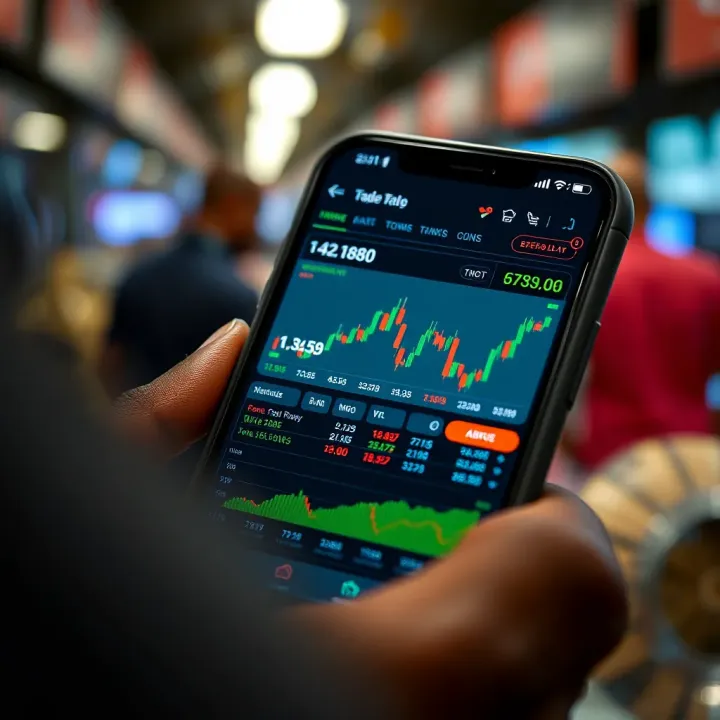
Explore top forex trading apps in Nigeria, learn key features, security tips, and strategies to trade smartly and safely on mobile 📱💱🇳🇬
Based on 15 reviews