
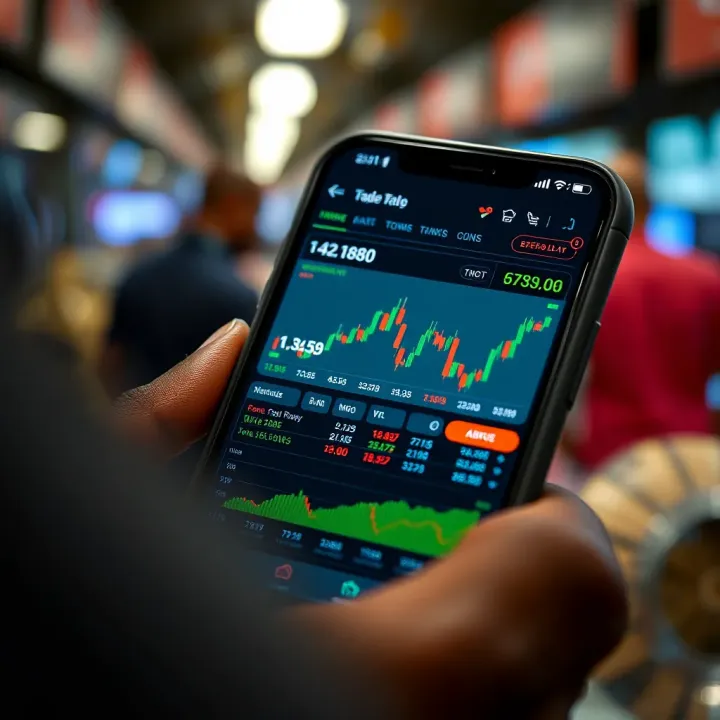
Choosing the Right Forex Trading App in Nigeria
Explore top forex trading apps in Nigeria, learn key features, security tips, and strategies to trade smartly and safely on mobile 📱💱🇳🇬
Edited By
Charlotte Evans
Selecting the right forex trading platform is a key step for Nigerian traders aiming to navigate the foreign exchange market effectively. These platforms act as the bridge between you and the global currency markets, enabling you to buy and sell currencies such as the US dollar, euro, or British pound. But not all platforms serve Nigerian traders equally well.
Many factors come into play when choosing a platform. Regulation is among the first to consider. Platforms licensed by recognised bodies such as the Securities and Exchange Commission (SEC) Nigeria or international regulators like the Financial Conduct Authority (FCA) in the UK offer a level of security for your funds. Unsurprisingly, several popular global platforms have faced issues with local Nigerian traders due to lack of proper licensing or customer support.
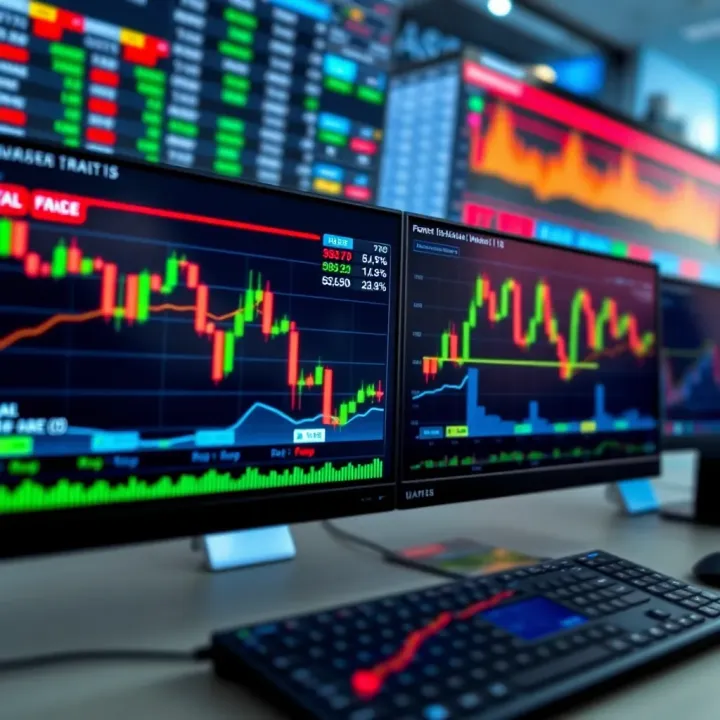
User experience also matters. The best platform should offer a straightforward interface, easy navigation, and clear charting tools to analyse market trends. Nigerian traders often face power outages and internet fluctuations, so a stable, mobile-friendly platform that performs well even on modest devices is a definite plus.
Local payment options deserve special attention. Banks in Nigeria remain key channels for deposits and withdrawals. Platforms that support direct bank transfers, USSD codes, or even local fintech wallets like OPay and PalmPay reduce friction in funding your trading account. Trading in Nigerian naira (₦) rather than forced foreign currency conversions can save you unnecessary costs and hassle.
Lastly, the availability of educational resources and customer support tailored for Nigerians can make a world of difference, especially if you are new to forex trading. Being able to reach support in local time zones and languages builds confidence.
Choosing a forex platform without checking for Nigerian-friendly features is like buying a tokunbo car without checking if spare parts are available locally — it might look good but can cause serious headaches.
In summary, when you weigh regulation, user experience, local payments, and support, you position yourself to trade smarter and safer. The next sections will unpack these elements further, helping you make an informed choice in the crowded forex platform market.
Grasping what forex trading platforms are and how they operate is vital for Nigerian traders aiming to succeed in the foreign exchange market. These platforms serve as the bridge between the trader and the global forex market, enabling users to buy or sell currencies, analyse price movements, and execute trades securely. Knowing their functionalities helps traders avoid costly mistakes and pick platforms that fit their trading style and local financial environment.
Forex trading platforms provide the tools traders need to interact with currency markets effectively. They offer live price feeds, charting tools, order execution options, and account management features. For example, a trader using a platform like MetaTrader 4 can monitor USD/NGN price fluctuations, place market or pending orders, and set stop-loss or take-profit limits to manage risks. Without these capabilities, trading becomes guesswork prone to costly errors.
Web-based platforms run directly in your internet browser without the need for installation. This convenience attracts many Nigerian traders who may switch between devices such as desktops at work and laptops at home. For instance, platforms like MetaTrader WebTrader provide instant access to trading accounts from anywhere with a stable internet connection, making it easier to respond to market changes on the go. They also reduce storage consumption but rely heavily on internet speed and may lack the advanced features found in desktop apps.
Desktop applications are software installed permanently on your computer, offering a fuller range of tools and better performance compared to web versions. Nigerian traders who prefer in-depth technical analysis often opt for desktop platforms like MetaTrader 5 or cTrader. These apps allow advanced charting, algorithmic trading (expert advisors), and faster execution speeds critical during volatile market hours. However, their use is limited when away from the installed PC, making them less suitable for traders who need continuous market access.
Mobile apps bring forex trading into the palms of Nigerian traders, enabling deal-making anywhere—be it while commuting on an okada or waiting in a barbing salon queue. Popular mobile apps provided by brokers like FXTM or local fintech players allow users to check market prices, place orders, receive alerts, and manage funds conveniently. While these apps emphasise usability and quick access, they may not support complex analysis tools, which means traders sometimes use mobile devices for monitoring and desktop platforms for executing detailed strategies.
Choosing the right platform type depends on your trading style, access needs, and the balance between depth of features and convenience. A blend of desktop and mobile platforms often serves Nigerian traders best, ensuring steady connectivity and analytical power.
Choosing a forex trading platform involves more than just picking a popular name. For Nigerian traders, specific features can significantly impact success and convenience. Understanding these features helps traders avoid avoidable risks and enhances their trading efficiency. This section covers essential aspects such as regulatory compliance, user interface simplicity, and payment methods tailored for Nigeria’s unique financial landscape.
Regulatory compliance is the backbone of a trustworthy trading platform. Nigerian traders must prioritise platforms licensed by reputable authorities like the Nigerian Securities and Exchange Commission (SEC) or international bodies like the Financial Conduct Authority (FCA) in the UK. A properly regulated platform reduces the risk of scams or sudden fund freezes, which are sadly common in the forex space. For instance, a trader using a platform registered with SEC Nigeria can expect better protection and a channel for dispute resolution, unlike unregulated ones that might disappear overnight.
Safety features beyond licensing matter too. Strong encryption, secure login protocols, and the ability to enable two-factor authentication keep your account safe from hackers. Especially where internet fraud remains high, these security measures become vital.
No trader wants a platform that feels like a maze, especially beginners. A clean, intuitive user interface helps you place trades quickly and monitor the market without confusion. Platforms like MetaTrader 4 (MT4) and MetaTrader 5 (MT5) strike a good balance by offering advanced tools while keeping navigation straightforward.
Look for options that allow quick access to charts, account balances, and trading history with minimal clicks. Also, platforms with customisable dashboards keep the experience personal, so you focus on what matters most.
Smooth deposit and withdrawal processes are often the deal-breakers for Nigerian traders. Platforms that support multiple local payment channels reduce delays and extra costs.
Direct bank transfers remain the most common funding method among Nigerian traders. It provides a straightforward and secure way to move funds between your bank and trading account. Since Nigerian banks enforce strict KYC (Know Your Customer) policies, transactions are traceable, reducing fraud risks.
For example, a trader in Lagos might fund their trading account directly from Zenith Bank or GTBank using internet banking or USSD code, enjoying near-instant credit without needing foreign exchange intermediaries.
USSD (Unstructured Supplementary Service Data) payments offer a convenient, phone-based method for funding without internet access. Given Nigeria's patchy mobile data in some regions, USSD is a practical alternative.
Platforms that accept USSD payments allow traders to fund accounts by dialling specific codes via their mobile phones. This method is fast, secure, and works on basic feature phones, making forex trading more accessible beyond urban centres.
Mobile money wallets, such as Paga and OPay, are gaining popularity for their ease and speed. They offer instant fund transfers with minimal charges compared to traditional banks.
Platforms integrating mobile money provide a modern funding method preferred by younger traders or those who regularly transact on mobile apps. Having these options saves time and cuts down on inconveniences like ATM queues or internet downtime.
Using platforms with local payment options not only saves you money but also reduces delays in funding or withdrawing, which can affect timely trading actions.
Understanding and prioritising these key features will help you select a forex trading platform that fits your needs as a Nigerian trader, giving you confidence and convenience as you participate in the currency markets.
Selecting the right forex trading platform requires careful comparison of key features that impact your trading success and convenience. For Nigerian traders, evaluating trading costs, currency options, and available tools can save you from unnecessary expenses and improve your market edge.
Trading platforms charge various fees that directly affect your profitability. Typical costs include spreads (difference between buying and selling prices), commissions per trade, and overnight financing or swap fees. For example, a platform with narrow spreads but high commissions might not be optimal if you trade frequently. Pay attention to hidden charges like withdrawal fees, which some platforms impose on withdrawals via Nigerian bank accounts or mobile payment options.
Consider a retail trader using MetaTrader 4 through a broker that charges a 1-pip spread versus another with a 0.5-pip spread but a commission of ₦500 per lot. Depending on your trade volume, one may be more cost-effective. Always calculate your total cost per trade to avoid surprises.
The range of available currency pairs shapes your trading strategies. Most platforms offer major pairs like USD/NGN, EUR/USD, and GBP/USD, but a platform with access to exotic or minor pairs such as USD/ZAR or NGN/CAD can offer diversification and new opportunities.
For Nigerian traders, platforms supporting ₦-denominated pairs and cross-border currencies can ease hedging strategies against naira volatility. If you intend to explore emerging markets or commodities tied to forex, select platforms enabling such pairs or instruments.
Robust charting tools allow traders to analyse market movements visually, spotting trends and entry points. Features like multiple timeframes, indicators (e.g., moving averages, RSI), and drawing tools are essential. MetaTrader 5, for example, offers over 80 built-in indicators plus the option to create custom ones.
Good technical analysis tools help traders make decisions based on price behaviour instead of guesswork. For example, a trader noticing a ‘head and shoulders’ pattern on the USD/NGN chart can prepare to exit before a downtrend.
Quality educational content supports skill development, vital for beginners and intermediates. Platforms providing tutorials, webinars, and strategy guides empower traders to understand forex dynamics better. For instance, a platform offering regular market updates and fundamental analysis explains how Nigerian economic indicators like inflation rates affect currency value.
Consistent learning reduces costly mistakes and builds trading confidence. When comparing platforms, look for those maintaining active educational programmes tailored for Nigerian market conditions.
Reliable customer service safeguards your trading experience. Platforms with round-the-clock support via live chat, phone, or email quickly resolve account issues or technical problems. Considering Nigeria’s varying internet infrastructure and time zones, localised support or Nigerian-based agents can be a big plus.
Prompt support ensures issues like payment delays or login troubles don’t stall your trades. Before committing, test the responsiveness and helpfulness of customer care through trial inquiries.
Comparing trading platforms involves more than surface features. Evaluating costs, currency options, and tools holistically empowers Nigerian traders to pick platforms that match their needs and trading style precisely.
Choosing a forex trading platform that suits Nigerian traders involves both understanding global favourites and recognising local options gaining ground. Popular platforms offer tested tools, reliability, and sometimes support tailored for Nigerian users, including payment methods and customer service in line with local needs.
MetaTrader 4 and 5 remain staples for many Nigerian forex traders. Their widespread use comes from a long track record of stability and extensive features. MT4 suits beginners with its simple interface, while MT5 adds more advanced charting and an economic calendar for deeper market analysis. Nigerian traders benefit from numerous local brokers offering these platforms with support for ₦ deposits via bank transfer or USSD, making fund management easier.
MetaTrader WebTrader complements the desktop versions by letting traders access their accounts through any browser, without installing software. This is handy for Nigerians who might switch between multiple devices or deal with limited storage space on their laptops or phones. The WebTrader keeps core trading functions intact, including real-time charts and order execution, ensuring mobility without sacrificing trading efficiency.
cTrader is another global platform gaining attention among Nigerian traders looking for a more intuitive interface and transparent pricing. It offers features like level II pricing and advanced order types, which can appeal to experienced forex investors. Many brokers incorporating cTrader also support local payment methods, helping users navigate naira funding challenges. Its ease in handling scalping strategies and fast execution makes it attractive for traders active in volatile markets.
Besides these global giants, Nigerian and regional platforms are carving out their niche by tailoring services to everyday trader challenges. For instance, some local fintech startups are integrating seamless onboarding with BVN verification and offering direct access to Nigerian banks. These platforms often include educational resources suited to the Nigerian context and customer support readily available via WhatsApp or local phone lines.
Such platforms are particularly valuable for new traders who want a more guided experience or those uncomfortable with complex international platforms. While still developing in sophistication, they focus heavily on usability and accessibility in the Nigerian environment, which includes unstable power supply and intermittent internet. This approach helps reduce barriers to entry and encourages more Nigerians to participate in forex trading safely.
Nigerian traders are advised to assess platforms not only by their global reputation but also by how well they support local payment options, customer service, and educational tools tailored to the Nigerian market.
In summary, integrating popular international platforms with emerging local options gives Nigerian traders a wide range of choices. These choices can suit novices seeking straightforward interfaces or experienced traders demanding advanced tools and localised support.
Protecting your forex trading account is a non-negotiable part of trading, especially given the rising cases of cyber attacks in Nigeria. A solid security setup safeguards your funds and personal information from getting into the wrong hands. Without proper measures, even the best trading strategies and dependable platforms won’t save you from losses caused by hacking or fraud.
Two-factor authentication (2FA) adds a critical security layer by requiring two separate credentials before you can access your trading account. Typically, after entering your password, you’ll need to provide a code sent to your phone or generated by an authentication app like Google Authenticator. This way, even if someone steals your password, they won’t get through without the second factor.
For Nigerian traders, using 2FA is especially important because passwords alone can be compromised through phishing scams or weak password practices. For example, platforms like MetaTrader and cTrader now offer 2FA support. Turning on this feature helps keep your account safe from unauthorised access, even when using shared or public networks common in urban areas.
Phishing remains a major threat to Nigerian traders. These scams often arrive as emails or messages that look official, asking you to click suspicious links or share login details. Always verify the sender’s email address and never provide credentials through links sent in unsolicited messages. Genuine forex platforms also won’t ask for your password via email or phone.
It’s wise to bookmark your trading platform’s official website to avoid accidentally visiting fake pages. Also, keep your device secure by updating software regularly and installing trusted antivirus programs. For example, some Nigerian traders have fallen victim after responding to fake MT4 login pages shared through WhatsApp groups claiming special account upgrades.
Handling your deposits and withdrawals safely protects your funds from theft and fraud. Nigerian forex traders should prefer platforms that support secure local payment options such as direct bank transfers, USSD payments, or trusted mobile money providers like Paga and OPay. These methods lower the risk of getting scammed compared to using informal agents or third-party wallets.
Always confirm transaction details before sending money. For instance, double-check the platform’s official bank account number when funding your trading account. Avoid sending money through unverified channels or accepting calls or messages requesting urgent payment changes.
Implementing these security practices helps Nigerian traders protect their trading accounts and funds from growing cyber risks. Taking small but consistent steps like enabling 2FA, being wary of phishing attempts, and using safe fund transfer methods makes a big difference in securing your forex journey.
Security isn’t just about tech; it’s about developing cautious habits to protect what you have invested. Stay alert and stay safe.
Explore top forex trading apps in Nigeria, learn key features, security tips, and strategies to trade smartly and safely on mobile 📱💱🇳🇬
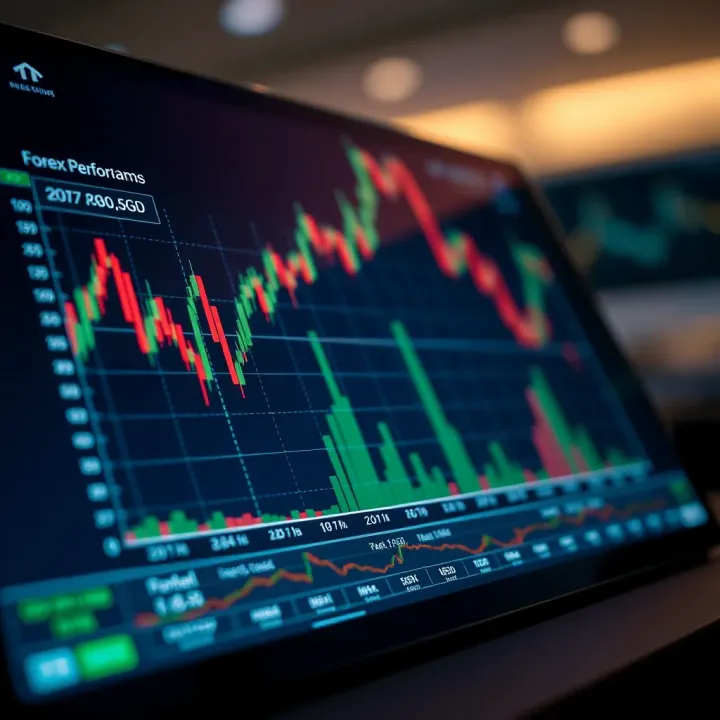
Discover how to pick the ideal forex trading platform in Nigeria 🇳🇬. Learn about security, fees, and features to trade confidently and safely 💹.
💹 Explore forex trading basics in Nigeria: understand currency pairs, market players, strategies, and risk management for smarter investments! 📈
Explore how Nigerian investors can benefit from forex trading 🌍. Learn about its high liquidity, market access, flexibility, and what sets it apart from other investments 📈.
Based on 9 reviews