
Best Trading Apps in Nigeria: Top Picks & Reviews
Explore the best trading apps in Nigeria 📱 Compare features, fees, security, and support for stocks, forex, and crypto to pick the right one for you!
Edited By
Thomas Grant
Crypto trading apps have gained serious traction among Nigerian investors, providing a digital gateway to global crypto markets. For many Nigerians, these apps offer a convenient option to buy, sell, and track digital assets right from their phones, bridging gaps caused by traditional banks' restrictions and currency volatility.
Understanding how these apps work and what features to look out for is vital. Most crypto trading apps connect users directly to exchanges or function as wallets and markets all in one. They enable swift transactions, price alerts, portfolio tracking, and sometimes educational resources to sharpen your trading skills.
Security is a top concern. Since these apps handle real money and sensitive data, they often include multi-factor authentication (MFA), biometric logins, and cold storage options to protect investors’ funds. But no system is foolproof, so Nigerians should be cautious about app permissions and avoid sharing private keys.
Using apps made or tailored for Nigerians is another advantage. Apps like Bundle Africa and Yellow Card understand local payment methods, allowing deposits and withdrawals in naira through bank transfers, USSD codes, or mobile money services. This local adaptability eases trade flow and saves on conversion fees.
Always verify the app’s licensing status and user reviews before investing serious sums. The crypto market's volatility demands careful app selection.
Here are some key features to consider when selecting crypto trading apps:
Ease of use: A clear, intuitive interface matters, especially for new investors.
Transaction fees: Look out for hidden charges that can eat into your profits.
Supported coins: The wider the range of cryptocurrencies, the better your investment options.
Payment options: Integration with Nigerian banks and mobile money services simplifies fund management.
Customer support: Responsive support can save you headaches during technical hiccups.
By understanding these basics, Nigerian investors can better navigate the evolving crypto space confidently and safely.
Understanding how crypto trading apps work is essential for anyone looking to invest or trade cryptocurrencies in Nigeria. These apps serve as gateways to global crypto markets, providing Nigerian investors direct access to buying, selling, and managing digital assets without visiting physical trading centres.
Cryptocurrency trading involves exchanging digital currencies like Bitcoin or Ethereum against other coins or fiat currencies such as the Nigerian Naira (₦). In simple terms, traders buy low and sell high, aiming to make a profit from price fluctuations. Unlike traditional stock markets, crypto markets operate 24/7, which means you can trade any time of day or night. This constant availability is quite useful for Nigerians dealing with time zone differences or busy schedules.
Crypto trading apps are designed to make participation in the crypto economy easier and more accessible. Nigerian investors no longer need to figure out complex wallet setups or rely on third-party brokers. Instead, these apps provide a one-stop platform where users can create wallets, fund accounts with naira via bank transfers or USSD codes, and start trading within minutes. For example, apps like Binance and Yellow Card Finance have tailored features that support direct naira payments, which helps overcome common banking restrictions.
Wallet integration is a core feature that allows users to store their cryptocurrencies safely within the app. Think of it like a digital purse where your crypto coins are held. It can be a hot wallet (connected online) for liquidity or sometimes an option for cold storage (offline) for added security. This is practical because it means you don't have to juggle multiple apps or services to track your assets. A Nigerian investor can quickly send ₦50,000 equivalent in Bitcoin to a family member or pay for an online service that accepts cryptocurrency directly from their in-app wallet.
One advantage of these apps is showing real-time prices of cryptocurrencies, reflecting the latest market movements globally. This feature is vital since crypto prices can swing sharply within minutes or even seconds. For instance, during a major news event, Bitcoin’s price might drop or rise quickly, and the app updates instantly to help you make timely decisions. In Nigeria’s fast-paced market, having this real-time data can be the difference between buying at ₦20 million per Bitcoin or ₦19.5 million.
Crypto trading apps enable users to place orders — buying or selling coins — directly from their mobile devices. When you place an order, the app communicates instantly with the exchange network to execute the transaction at the best available price. This speed and efficiency are essential to avoid slippage, especially in volatile markets. Nigerian traders appreciate this for its convenience, since executing trades without delays increases the chance of securing desired profits.
For investors who analyse market trends, many apps come with built-in charting tools and technical indicators. These help users read price movements, spot trends, and make informed predictions about where the market might head next. Instead of relying solely on gut feeling, traders can view candlestick patterns, moving averages, and volume data all within the app. This feature lends a professional edge, especially for experienced Nigerians who follow bearish or bullish cycles of digital assets closely.
Using trading apps effectively means understanding their key features—from wallets to order execution—to manage your investments safely and smartly in Nigeria’s unique market environment.
Crypto trading apps offer valuable tools but always remember that successful trading depends also on regular learning and staying alert to updates within the crypto space.
Security stands as a top priority for anyone involved in cryptocurrency trading, especially for Nigerian investors facing unique challenges. Ensuring your assets and personal information remain safe can prevent significant financial losses and stress. This section explores key security measures tailored to Nigerian users navigating crypto trading apps.
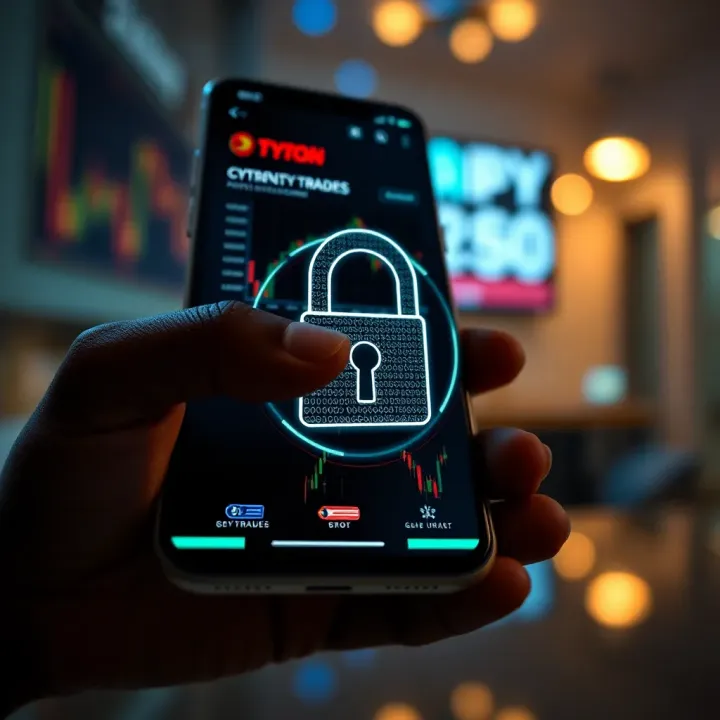
Two-Factor Authentication (2FA) adds an extra lock beyond your password. It typically requires a one-time code sent to your phone or generated by an app like Google Authenticator. For Nigerian traders, activating 2FA can prevent unauthorised access even if your password is compromised, guarding your naira-backed investments against hackers.
Strong passwords alone aren’t enough today, so using 2FA is a simple step that dramatically improves security. For example, if someone tries to log in from another device, the app will ask for the second verification step you control.
Strong Password Practices mean creating complex, unique passwords for every crypto platform. Avoid using obvious information like birthdates or common words. Instead, combine numbers, uppercase, lowercase letters, and symbols. Nigerian users can manage multiple passwords safely using tools like LastPass or Bitwarden, minimising the need to write them down.
Regularly updating your passwords helps too. Using the same password across different apps increases risk; if one platform is hacked, others become vulnerable. Think of it like locking all doors separately rather than relying on one weak lock.
Avoiding Phishing Attacks involves recognising fake emails, messages, or websites designed to steal your login details. These scams often mimic popular crypto apps or wallets. Nigerian investors should double-check URLs for slight misspellings or unusual domains and never click links from unreliable sources.
Phishing attempts can also come through WhatsApp or SMS. If a message asks for your password, private keys, or BVN linked to your trading account, be very suspicious. Legitimate apps won’t request such sensitive info over chat.
App Reviews and User Feedback provide a practical way to assess crypto apps before trusting them with your funds. Checking platforms like Google Play, Apple App Store, or Nigerian fintech forums can reveal recurring issues like slow transactions or poor customer service.
Pay attention to user complaints about withdrawals or unexplained delays, as these often signal problems. Choosing apps with a solid reputation minimizes risks and smoothens your trading experience.
Regulatory Compliance in Nigeria and Abroad influences an app’s trustworthiness. Some platforms operate under strict licences either from Nigerian authorities or overseas regulators like the UK’s Financial Conduct Authority (FCA).
While the Central Bank of Nigeria has yet to fully regulate cryptocurrencies, apps with transparent policies and good standing abroad usually offer better protection for Nigerians. Compliance means these apps follow rules designed to protect users, making them a safer choice for your investments.
Staying alert to security is not only about protecting money; it’s about maintaining control over your digital future in a complex and fast-moving market.
Being proactive about security and cautiously selecting trading apps can save Nigerian investors severe headaches and losses.
Navigating crypto trading platforms isn't always straightforward for Nigerian investors, mainly because of a few persistent challenges that can affect access, reliability, and profitability. These obstacles range from payment restrictions imposed by banks to unreliable internet connections and the swings in the naira's value. Understanding these challenges helps traders prepare better and avoid costly mistakes.
One of the biggest hurdles Nigerian crypto users encounter is the frequent restrictions by local banks blocking transactions related to cryptocurrency. Several banks have severally frozen accounts suspected of crypto trading activities due to regulatory uncertainty and a cautious stance towards the sector by the Central Bank of Nigeria (CBN). For example, investors trying to deposit ₦100,000 or more from a Nigerian bank to a crypto exchange may find their payments declined without warning, causing delays or missed trading opportunities.
Besides outright restrictions, transaction verification can be slow. Some platforms require bank transfers, but delays in inter-bank clearance or repeated rejections frustrate users. This makes paying into or withdrawing from crypto wallets cumbersome. Using alternative payment methods like USSD codes with fintech apps such as OPay or Kuda may help bypass these issues, but not all exchanges support them yet.
Reliable internet access is critical for effective crypto trading. However, many Nigerians suffer frequent power outages and patchy mobile network coverage, especially outside urban centres. For instance, attempting to execute a time-sensitive order on a trading app during peak hours, while dealing with intermittent 3G data or a single bar of signal, risks slippage or worse, failing to complete trades.
Many Nigerian investors depend heavily on mobile data plans that can be costly relative to budgets. A sudden data exhaustion in the middle of market activity can cause missed chances. Traders in Lagos or Abuja may enjoy better connectivity but still face these issues during embers months when network congestion spikes. The lack of Wi-Fi availability and fluctuating 4G speeds is another barrier.
The naira’s fluctuations present a subtle but real challenge for crypto investors who rely on converting the local currency to stablecoins or foreign currency-backed assets. For example, buying Bitcoin when the official exchange rate is ₦500 to $1 but the parallel market rate is ₦600 means actual costs differ depending on access channels. This discrepancy affects purchase power and can eat into gains or magnify losses.
Moreover, the naira’s volatility increases transaction costs, as some exchanges factor in exchange rate margins to mitigate risks. Investors looking to cash out crypto holdings find their proceeds vary widely day-to-day, making precise profit calculations tricky. This uncertainty discourages heavy capital allocations for crypto trading among many Nigerians.
To trade crypto effectively in Nigeria, recognising challenges like bank restrictions, connectivity limits, and currency volatility is key. Being aware gives you a chance to adapt strategies, seek alternative payment routes, and time trades with market and network conditions in mind.
Together, these hurdles shape the everyday experience of Nigerian crypto traders, emphasising the need for smart planning, patience, and a reliable support system while engaging the digital asset market locally.
Popular crypto trading apps that support Nigerian users play a significant role in making cryptocurrency accessible and manageable for local investors. Their ability to handle Naira transactions, offer user-friendly interfaces, and provide reliable customer support sets them apart in a market with unique challenges like fluctuating exchange rates and banking restrictions. Knowing which platforms fit well with Nigerian realities helps investors trade with confidence and avoid unnecessary hurdles.
Binance stands out as a major global crypto exchange that supports direct Naira deposits and withdrawals. This feature is quite practical for Nigerian users who want to avoid complicated currency conversion steps. Binance allows users to fund their accounts using local bank transfer channels, and its P2P (peer-to-peer) marketplace offers flexible options to buy or sell crypto with other Nigerians using Naira. However, users should be aware of occasional restrictions on bank transactions triggered by regulatory warnings from the Central Bank of Nigeria (CBN).
Bundle Africa is built specifically with Africans in mind, and it offers seamless Naira payment options. This app's integration with Nigerian banks and mobile money systems makes it convenient for local users to buy, sell, and store cryptocurrencies. Bundle's simplicity and support for Naira wallets give new investors an easier entry point into crypto trading without needing to deal with complex forex concerns or international transfers.
Yellow Card Finance is another user-friendly app that supports direct funding with Naira and ensures swift transactions at competitive rates. It caters heavily to Nigerian traders by providing a straightforward way to access Bitcoin and other major cryptocurrencies. Yellow Card’s compliance with local regulations enhances trust, while its local agent network helps_users on the ground top up or cash out seamlessly._
Ease of Use on Android and iOS is crucial since most Nigerian investors rely on smartphones for trading. Top apps like Binance, Bundle, and Yellow Card have mobile versions optimised to work well on both operating systems, even on devices with limited storage or slower internet connections. The clean design reduces the learning curve, making it easier to track prices, place orders, and manage wallets without feeling overwhelmed.
Customer Support Availability matters a lot in a market where payment delays or transaction issues can arise unexpectedly. Reliable apps provide responsive customer service through multiple channels like chat, email, and social media. For Nigerian users, having quick access to support in local time zones reduces frustration, especially when dealing with banking limits or KYC (Know Your Customer) verification hurdles.
Choosing the right crypto trading app with good Naira support and solid user experience can make or break your investment journey in Nigeria. It’s worth taking time to pick platforms that respect local conditions and offer dependable assistance.
Using crypto trading apps wisely can sharply increase your chances of success and reduce losses. These platforms offer great opportunities but come with risks that Nigerian investors must manage carefully. Adopting practical tips helps you navigate the challenges unique to Nigeria's market — from scams to price volatility — while making the most of technology.
The crypto space in Nigeria is fertile ground for scams due to limited regulation and growing hype. Fake ICOs, Ponzi schemes, and phishing scams often target unsuspecting investors. Be sceptical if an opportunity promises guaranteed high returns with little risk. For example, some telegram groups lure members with flashy investment plans that suddenly vanish, leaving investors penniless.
Always verify the app or platform’s legitimacy by checking user reviews, regulatory standing, and media coverage. Never share your private keys or security codes, no matter how official the request sounds. Protecting your account means staying alert and questioning offers that sound too good to be true.
Cryptocurrency remains highly volatile, and prices can swing wildly in hours. For Nigerian investors facing unstable naira exchange rates and economic uncertainties, this risk is even more pronounced. Treat every investment as speculative.
Set aside just a small portion of your disposable income for crypto trading, rather than putting all savings or essential funds at risk. For example, if you have ₦500,000 for investment, allocate only ₦50,000 or less to crypto, keeping the rest in safer assets or savings. This mindset prevents financial stress and allows you to learn trading without serious damage if losses occur.
Most crypto trading apps, like Binance or Bundle Africa, provide real-time news feeds and price alerts. These features keep you informed about sudden market swings, new coin listings, or important regulatory updates directly on your phone.
Leveraging these alerts is especially helpful during volatile periods common in Nigerian markets influenced by global events and local policy changes. For example, you might get an alert when Buhari’s government announces new policies on digital currencies, giving you a chance to act quickly.
Engaging with Nigerian crypto communities on platforms such as Twitter, Telegram, or specialised forums offers a unique edge. Local groups discuss issues like how people bypass banking restrictions, community scams warnings, or tips on recent profitable trades.
Joining these spaces means you’re not just trading alone but learning from people who understand the Nigerian environment, such as how to convert naira to stablecoins cheaply or which exchanges offer quicker withdrawals without exorbitant fees.
Minimising fees and delays in crypto transactions can increase your profits. Nigerian investors should compare network fees across apps since some platforms charge higher withdrawal fees or impose limits.
Using apps that support quick settlement and cheaper naira deposits, like Yellow Card Finance, trimmed your overall costs. Meanwhile, timing your trades to avoid congested network periods (which slow down transactions and hike fees) also helps. For instance, avoiding transfers during common peak hours in Nigeria prevents unnecessary delays and higher gas costs.
Being savvy about security, market info, and operational costs helps Nigerian investors turn crypto trading apps from mere tools into real profit drivers in their portfolios.
Explore the best trading apps in Nigeria 📱 Compare features, fees, security, and support for stocks, forex, and crypto to pick the right one for you!
Explore top crypto trading apps in Nigeria 🇳🇬. Learn about security, fees, usability, and key factors to choose the best app for your trading needs 📱💰.
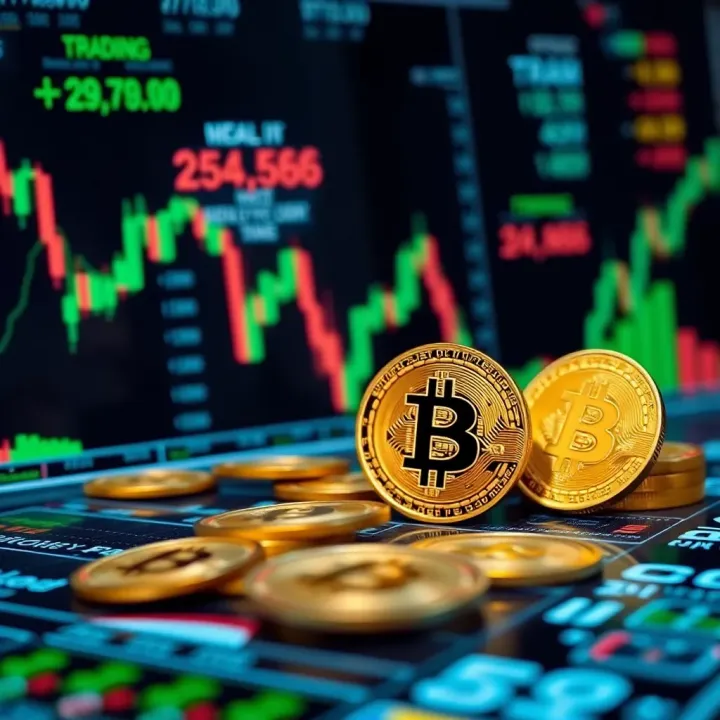
🔍 Explore crypto trading in Nigeria with tips on platforms, strategies, security, risks, and regulations. Get confident and trade smart in a fast-moving market!
🔍 Looking for the best trading app in Nigeria? Explore top features, low fees, strong security, and reliable support to trade confidently worldwide! 📱💹
Based on 15 reviews