
Effective Forex Trading Strategies for Nigerian Traders
📈 Discover effective forex trading strategies tailored for Nigerian traders. Learn how to manage risks, use technical & fundamental methods, and tackle common challenges.
Edited By
Sophia Bennett
Crypto trading has become an active venture for many Nigerians looking to grow their wealth beyond traditional banking. But trading cryptocurrencies is not just about jumping on trends or copying others blindly. It demands practical strategies tailored to Nigeria’s unique market situation, including fluctuating naira values and local payment methods.
Understanding basic principles such as market analysis, timing, and risk control forms the foundation of effective crypto trading. Nigerian traders often face challenges like limited access to some foreign exchanges and varying reliability of internet signals, which can affect trade execution.
For example, day trading—where you buy and sell within a single day—requires sharp attention to market swings and quick decision-making. Swing trading, on the other hand, allows holding assets over days or weeks to catch larger price movements. Both approaches work well but demand discipline and good timing.
Using local platforms like Paystack, OPay, or Bamboo for purchases and withdrawals can save cost and reduce transaction delays often seen with international wallets. Efficiently linking these platforms with reputable global exchanges such as Binance or Coinbase helps Nigerian investors avoid currency conversion headaches and leverage better liquidity.
Success in crypto trading hinges on a sharp grasp of market behaviour, solid risk management, and using platforms that suit Nigeria’s financial ecosystem.
To get started, Nigerian investors should:
Master chart reading and technical indicators relevant to cryptocurrency.
Stay updated on global and local news influencing prices.
Use stop-loss orders to protect against sudden drops.
Monitor naira’s stability to time entry and exits.
Being practical and adaptive, rather than relying solely on hype, will help traders navigate the volatile crypto space confidently. Clear strategies reduce guesswork and increase chances of steady profit.
Grasping the fundamentals of crypto trading is vital for Nigerian investors aiming to navigate the market effectively. Without a solid foundation, it's easy to make costly mistakes amid Nigeria’s unique financial environment, including naira volatility and fluctuating power supply. Understanding key concepts equips traders with the tools to evaluate opportunities critically and make sound decisions.
Cryptocurrency is a digital asset secured by cryptography, making it almost impossible to counterfeit or double-spend. Bitcoin, Ethereum, and Binance Coin are examples widely traded on Nigerian platforms. Knowing that cryptocurrencies operate on decentralised ledgers—blockchains—helps traders appreciate that no central bank or government controls these assets. For Nigerian investors, this means crypto trading operates outside traditional banking hours and standard monetary policies, offering both opportunity and risk.
The crypto market is known for its volatility; prices can swing drastically within hours or days. This unpredictability can bring huge profits but also steep losses. Liquidity, the ease of buying or selling an asset without affecting its price much, varies between coins. For instance, Bitcoin and Ethereum enjoy high liquidity on Nigerian exchanges like Binance Nigeria or Bundle, making them safer to trade compared to less popular tokens where prices might jump or drop suddenly due to low trading volume.
Crypto assets aren't all the same. They include:
Coins, like Bitcoin and Ethereum, which operate independently on their own blockchains.
Tokens, which run on existing blockchains and include utility tokens (used to access services) and security tokens (representing ownership stakes).
Stablecoins, pegged to currencies like the US dollar, offer price stability—useful for Nigerians seeking protection against naira's frequent fluctuations.
Knowing these distinctions helps traders pick assets that align with their risk profile and trading goals.
Crypto exchanges are online platforms where buyers and sellers meet. Nigerian investors commonly use local exchanges like Quidax or Paxful, or international ones like Binance and Coinbase. Each exchange lists trading pairs—for example, BTC/USDT or ETH/NGN—indicating what you can trade against what. Understanding pairs helps investors trade directly with naira or through stablecoins, offering flexibility in how they enter or exit positions.
Traders in Nigeria benefit by mastering different order types:
Market orders execute immediately at the best available price — ideal when you want to enter or exit quickly.
Limit orders let you set a specific price to buy or sell, useful when chasing a better deal but willing to wait.
Stop-loss orders act as safety nets, automatically selling your assets if the price dips to a certain point, protecting you from catastrophic losses especially important in Nigeria’s volatile market.
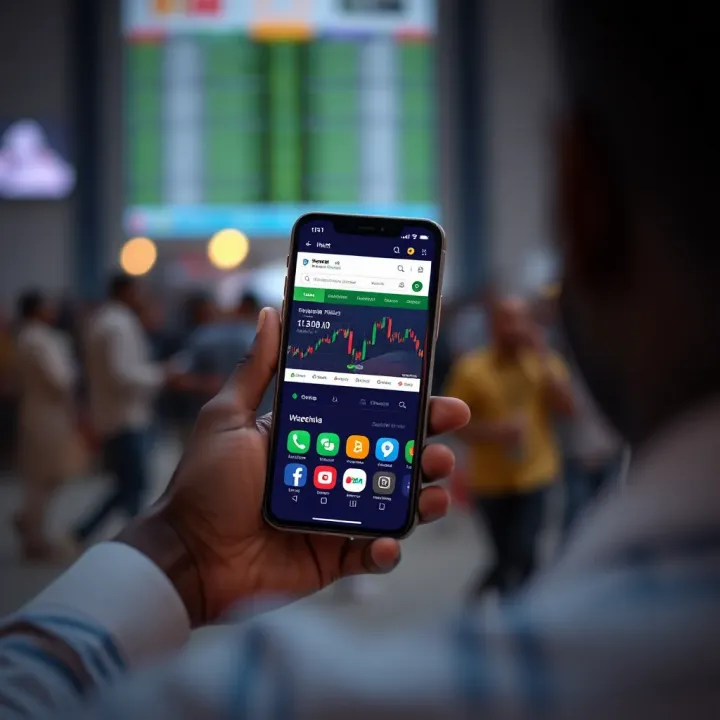
Using these tools smartly helps control risk and capitalise on trading opportunities.
Unlike stock exchanges, cryptocurrency markets operate 24/7 worldwide, meaning Nigerian traders can act anytime, even during weekends or public holidays. However, access can be affected by local factors such as unstable power supply or intermittent internet connectivity. Many Nigerian traders rely on mobile apps like Binance or OPay for flexibility. Knowing this allows traders to prepare for trading outside regular business hours and mitigate local disruptions.
For Nigerian investors, understanding these fundamentals is like having a reliable okada in Lagos traffic — it lets you navigate the twists and turns of the crypto market confidently and efficiently.
Understanding popular crypto trading strategies is essential for Nigerian investors looking to navigate the volatile cryptocurrency market confidently. These strategies offer practical frameworks to approach trading, balancing risk and profit potential based on differing time horizons and market conditions. Knowing which method aligns with your financial goals and trading style helps you avoid impulsive decisions that often lead to losses.
Identifying short-term opportunities hinges on spotting quick price moves within minutes or hours — ideal for investors who can monitor the market actively. For example, during high volatility on Binance or Luno, traders might capitalise on small price swings in Bitcoin or Ethereum by buying low and selling when prices inch up, sometimes multiple times a day.
Tools for quick market analysis are crucial to seize these fleeting chances. Traders often rely on candlestick charts, volume heatmaps, and real-time indicators like Relative Strength Index (RSI) and Moving Average Convergence Divergence (MACD) through platforms such as TradingView or the MT4 app. These tools give timely insights into market momentum and potential reversals, reducing guesswork.
Tips for managing rapid trades include setting strict stop-loss limits to prevent large losses from sudden reversals, and avoiding overtrading, which can drain capital through fees and emotional fatigue. For Nigerian traders, it's also wise to factor in network disruptions or power outages that may affect trade execution, so using mobile data backup or reliable power sources helps maintain consistency.
Using technical indicators for swing trading means analysing charts over days or weeks to capture medium-term trends. Indicators like Bollinger Bands and Fibonacci retracements help pinpoint entry and exit levels. For instance, a swing trader might enter a trade when Bitcoin dips below its 20-day moving average but bounces back above key support.
Balancing risk over days or weeks requires patience and discipline. Position holders avoid reacting to every minor news or price spike and instead watch broader market trends. In the Nigerian context, where market sentiment can be influenced by local factors like FX restrictions or naira depreciation, understanding these dynamics is vital to avoid panic selling.
Combining fundamental analysis adds depth to swing trading by considering news, regulatory updates, or adoption announcements impacting cryptocurrencies. For example, a positive mention of blockchain adoption by the CBN or a fintech integrating crypto payments with platforms like Paystack might justify holding a position despite short-term dips.
Long-term investment mindset focuses on holding cryptocurrencies for months or years, expecting substantial appreciation despite short-term volatility. This approach suits Nigerians aiming to build wealth steadily, especially with assets like Bitcoin and Ethereum considered digital gold.
Benefits of systematic buying through dollar-cost averaging (DCA) involve purchasing fixed amounts regularly regardless of price. This method smooths out buy-in costs over time, eliminating the guesswork of timing the volatile crypto market.
Mitigating naira volatility through DCA is particularly advantageous amid Nigeria’s fluctuating exchange rates. By spreading purchases over weeks or months, investors avoid the risk of converting naira to crypto at unfavourable exchange rates all at once. This protects investment value and reduces emotional stress during sharp naira changes.
Adopting a crypto trading strategy that fits your lifestyle and risk profile helps build consistency and resilience in the unpredictable market. Nigerian investors who master these approaches can trade with greater confidence and better manage local market challenges.
Risk management is vital for anyone trading cryptocurrency, especially Nigerian investors navigating the volatility of global crypto markets alongside local economic factors. Without proper controls, traders might quickly lose substantial funds due to sudden price swings or emotional decisions. Practically, managing risks means protecting your capital so you can stay in the game longer and benefit from profitable opportunities when they arise.
How to define stop-loss points: A stop-loss order sets a predetermined price at which you sell your crypto to prevent further losses if the market turns against your position. When deciding on your stop-loss, consider the volatility of the asset and your risk tolerance. For example, if Bitcoin fluctuates by about 5% daily, setting a stop-loss too tight at 2% could trigger a premature sell. In Nigeria, where market conditions sometimes add extra unpredictability, it's crucial to give your stop-loss enough breathing room to avoid needless exit from trades.
Locking in profits effectively: Take-profit orders enable traders to lock in gains by automatically selling when prices hit a target. Using take-profit helps avoid the common mistake of holding too long and watching profits evaporate. For instance, a trader who buys Ethereum at ₦1,200,000 might set a take-profit at ₦1,350,000 to guarantee a decent return without greed impacting the decision.
Examples relevant to Nigerian markets: Given the naira's variable exchange rate, suppose you're trading on a platform where you convert your crypto gains back to naira. If Bitcoin's price in dollars stays stable, a sudden naira depreciation can affect your local profits severely. To manage this, additional stop-losses can be set not just on the crypto price but also considering exchange rate thresholds through your wallet or exchange app settings.
Overtrading risks: Jumping into too many trades daily in hope of quick wins often backfires. Overtrading burns out investors and increases transaction fees, which can eat into profits. Nigerian investors should resist the urge to chase every perceived opportunity, focusing instead on quality trades supported by solid analysis and clear exit strategies.
Psychological biases: Trading is emotionally demanding. Biases like fear, greed, and the sunk cost fallacy tend to cloud judgment. For example, holding onto a losing position because "it might bounce back" often leads to bigger losses. Nigerian traders can benefit from maintaining a trading journal to track emotions and improve discipline.
Impact of naira fluctuations: The naira's instability adds a unique layer of risk to crypto investing in Nigeria. Sudden naira devaluation can reduce your real returns even if your crypto appreciates. Hence, it's wise to factor currency risk into your trading plans, possibly diversifying your portfolio with assets less directly exposed to naira volatility or using stablecoins pegged to the dollar to preserve value in the short term.
Effective risk management is not about avoiding risk completely but about making smart, calculated choices to protect your trading capital and grow steadily over time.
Selecting the right platforms is a key step for Nigerian crypto investors aiming to trade effectively. Local and international exchanges serve different needs, and understanding their features, security, and payment methods can help you make smarter choices. Using trustworthy platforms also ensures smoother transactions and safer asset custody.
Features of popular Nigerian platforms: Nigerian crypto platforms like BuyCoins, Quidax, and Bundle have tailored their services to local demands, offering naira trading pairs and easy deposit or withdrawal options through bank transfers or mobile wallets. These platforms usually support P2P trading, which helps bridge liquidity gaps due to restrictions on direct crypto-naira pairs in some cases. Also, many boast user-friendly mobile apps, catering to traders who operate mostly on phones amid frequent power fluctuations and data costs.
Security and verification requirements: Security is a non-negotiable aspect with local platforms. Most reputable Nigerian exchanges enforce KYC (Know Your Customer) protocols, requiring BVN (Bank Verification Number) verification to prevent fraud. Additionally, two-factor authentication (2FA) adds a layer of protection beyond passwords. For instance, Quidax mandates both email and phone verification. These measures not only secure your funds but also comply with regulatory expectations from bodies like the CAC and NCC, giving investors peace of mind.
Accessing liquidity and payment options: Liquidity varies widely among local platforms. In peak trading hours, many Nigerian exchanges maintain competitive spreads akin to international platforms, thanks largely to their connections with global markets. Payment options include direct bank transfers, USSD codes, or popular fintech wallets like OPay and PalmPay. Leveraging these payment systems reduces transaction delays common in naira transactions, especially during high demand or ember months.
Advantages and challenges of foreign platforms: Global exchanges such as Binance, Coinbase, and Kraken offer deeper liquidity pools, more crypto assets, and advanced trading tools which might be unavailable locally. For Nigerian investors looking to diversify or trade altcoins beyond Bitcoin and Ethereum, global platforms are invaluable. However, using them poses challenges such as navigating foreign regulatory environments and understanding platform policies, which can trigger account freezes or fund holds if guidelines aren’t carefully followed.
Managing currency conversion risks: Trading on foreign platforms involves dealing with USD, EUR, or other currencies which introduces forex risk. Fluctuations of the naira against these currencies can impact the actual value of your crypto holdings. To minimise this risk, some traders keep part of their portfolio hedged in stablecoins pegged to the USD, like USDT or USDC, which reduces exposure to forex swings and naira devaluation.
Regulatory considerations for Nigerian users: Nigeria’s regulatory framework around cryptocurrency remains fluid, with frequent clarifications from the Central Bank of Nigeria (CBN) and other agencies. Nigerian traders need to monitor regulatory updates closely to avoid running afoul of restrictions — for example, the ban on banks facilitating crypto transactions. Using international platforms might seem like a workaround, but investors should still stay compliant by properly declaring gains for tax purposes to the Federal Inland Revenue Service (FIRS). Understanding these nuances helps prevent complications that could stall or jeopardize your trading activities.
Choosing the right mix of local and international trading platforms, tailored to your strategy and risk appetite, lays the foundation for effective crypto trading in Nigeria. Reliability, security, and awareness of regulatory realities go hand in hand to protect your investments and enable smoother trading experiences.
For Nigerian crypto investors, having the right tools and resources is essential to navigate the fast-paced and volatile market. Effective charting platforms and community insights can make the difference between gain and loss. These resources help traders make informed decisions, manage risks better, and keep up with local market nuances.
Using technical analysis platforms: Technical analysis platforms offer live charts, indicators, and historical data that help traders spot market trends and price movements. For example, a trader might use TradingView or Coinigy to watch movement patterns of Bitcoin or Ethereum, enabling them to decide when to enter or exit trades. These platforms offer a variety of tools such as moving averages and RSI (Relative Strength Index), which aid in predicting short-term price shifts.
Setting alerts and notifications: Staying updated on price changes is crucial, especially with crypto’s notorious volatility. Platforms like Binance or Luno allow users to set alerts for specific price levels or market events. This means a trader can instantly know when Bitcoin crosses ₦20 million or when a sudden price dip occurs, enabling swift reactions without constantly monitoring screens.
Mobile apps suited for Nigerian traders: Given how many Nigerians rely on mobile devices, having robust mobile apps is key. Apps like OPay and Binance’s mobile version are popular because they combine ease of use with strong security. These apps support local payment options, making deposits and withdrawals smoother. They also integrate alert features, allowing you to trade or monitor markets on-the-go, even during Lagos traffic or when commuting on an okada.
Joining Nigerian crypto forums and groups: Being part of local trading communities on WhatsApp, Telegram, or dedicated forums gives access to real-time market gists and advice from experienced traders. Nigerian crypto groups often share insights on regulatory updates, exchange issues, or emerging token trends unique to the local ecosystem. This peer-to-peer knowledge exchange can sharpen your trading edge, especially when navigating naira Liquidity challenges.
Following trusted market analysts: Nigerian investors should follow reputable analysts who offer clear, data-backed insights rather than hype. Names like CryptoTvPlus provide regular market reviews specific to the Nigerian context, making complicated trends more understandable. Reliable expert views help filter through market noise and reduce emotional decision-making.
Staying updated on regulatory news: Nigerian crypto regulations can impact liquidity, exchange accessibility, and even your trading permissions. Regularly monitoring announcements from the Central Bank of Nigeria (CBN) or the Securities and Exchange Commission (SEC) helps traders anticipate policy shifts. For instance, knowing about the 2021 ban on banks handling crypto transactions allowed savvy traders to adjust their strategies accordingly.
Equipping yourself with the right tools and community connections is just as critical as understanding trade strategies. These resources keep you nimble in a market where conditions change quickly and unpredictably.
In summary, Nigerians involved in crypto trading should combine reliable charting software, mobile-friendly platforms, active community engagement, and a steady flow of regulatory information to thrive in the digital asset space.
📈 Discover effective forex trading strategies tailored for Nigerian traders. Learn how to manage risks, use technical & fundamental methods, and tackle common challenges.
Explore top crypto trading platforms in Nigeria 🔍. Learn about key features, payment methods, security, and regulations to trade safely and smartly!
Learn how crypto trading bots work and find the best ones for Nigerian traders. Compare features, assess risks, and discover safety tips for smarter trading 🤖💹🇳🇬
Explore top crypto trading apps in Nigeria 🇳🇬. Learn about security, fees, usability, and key factors to choose the best app for your trading needs 📱💰.
Based on 10 reviews