

Best Time to Trade Forex for Nigerian Traders
📈 Discover the best time for forex trading in Nigeria! Learn how market hours, currency behaviors, and economic news can boost your trading strategy. ⏰💹
Edited By
Oliver Smith
Demo accounts serve as a vital starting point for many Nigerian traders stepping into the forex market. These accounts simulate real trading conditions but use virtual money, allowing you to practise without risking your hard-earned naira. For anyone new to forex or even seasoned traders testing strategies, demo accounts offer a safe environment to sharpen skills.
A typical demo account replicates live market prices and trading platforms, like MetaTrader 4 or 5, giving users a hands-on feel of how the forex market operates. This means you can experience price fluctuations of currency pairs such as USD/NGN or EUR/USD without actual financial loss. For instance, if you trade on an Oanda or FXTM demo account, you'll see the same charts and order executions as in real markets.
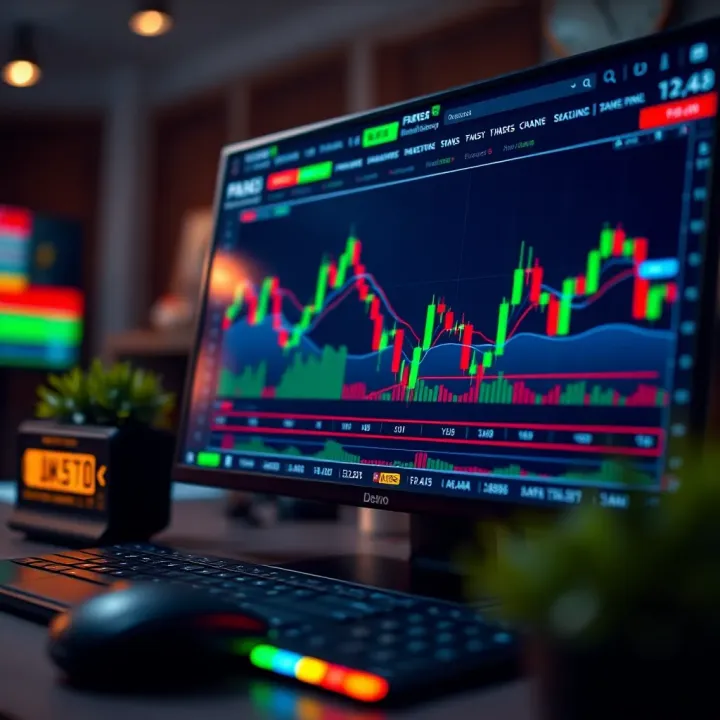
Using a demo account effectively helps you understand critical concepts like leverage, spreads, and margin calls. These terms often confuse beginners during live trading. By practising, you learn how to place orders, set stop-loss and take-profit levels, and manage your trades strategically before committing real capital.
A demo account is not a gamble; it is your rehearsal space where mistakes cost no money but offer invaluable lessons.
When you open a demo account, consider the following actions:
Explore different currency pairs and see how economic news affects them.
Try out various trading strategies, such as scalping or swing trading, to find what suits your style.
Get familiar with the trading platform's tools and features, which can be overwhelming at first.
Remember, while demo trading provides great exposure, it cannot replicate the psychological pressure of live trading, such as fear or greed influencing decisions. Thus, transitioning from a demo to a live account requires patience and discipline.
In Nigeria’s context, where volatility in the naira and foreign exchange controls can impact trading, demo accounts allow traders to stay cautious and informed before risking real funds. Starting this way saves you from costly mistakes, especially with naira’s fluctuations affecting cross-currency trades.
This clear understanding of demo accounts sets the stage for using them strategically, making them an essential tool for any Nigerian trader ready to engage with the forex market confidently.
A forex demo account is a trading environment provided by brokers that allows you to practice buying and selling currency pairs without risking real money. This tool is particularly important for Nigerian traders who want to understand how the forex market works before placing actual funds. It mimics live trading but operates with virtual funds, giving you a clear feel of market operations and order placements.
Unlike live trading accounts, demo accounts use virtual money which means no real financial risk is involved. You get access to most of the same features as a live account, including market data, charting tools, and technical indicators. However, while risks are removed, some critical differences exist. For instance, demo accounts usually don’t expose you to real slippage or liquidity constraints that occur during volatile trading. Still, demo accounts remain valuable for grasping the basics of trade execution and platform navigation.
For beginners, demo accounts serve as a training ground to understand forex jargon, how currency pairs behave, and how to use trading platforms like MetaTrader 4 or 5, or proprietary broker apps. It's like learning to ride an okada on quiet roads before entering busy Lagos traffic. Experienced traders also benefit by testing new strategies or algorithms without financial exposure. This way, they can evaluate potential profits and spot flaws before risking their capital.
When you open a demo account, you receive a fixed amount of virtual money, often between ₦1,000,000 and ₦10,000,000 equivalent in forex funds. This virtual capital lets you place trades, manage stop losses, and take profits exactly like real trading. It’s practical because you learn position sizing, leverage effects, and risk management firsthand with no financial pressure. For example, if you buy EUR/USD on a demo account and the price moves in your favour, your virtual balance reflects the profit accordingly.
Demo accounts use live market feeds or slightly delayed prices to replicate real forex price movements. This means the charts, candlestick patterns, and price swings largely reflect what happens in actual trading. However, demo accounts might not capture every nuance such as spread widening during Nigerian bank holidays or slippage amid sudden news like CBN’s currency policy changes. Despite this, the simulation remains close enough for you to develop trading skills and test how your strategies perform under varying market conditions.
Using a demo account is like training in a driving simulator before hitting Nigeria’s busy roads—it sharpens your skills without the risk of crashing.
In summary, a forex demo account is your first step to confident trading in Nigeria’s dynamic forex market. It offers a safe, cost-free way to understand market operations, refine strategies, and prepare for the emotional realities of live trading.
Using a forex demo account offers Nigerian traders crucial advantages before they risk their hard-earned money in live markets. Demo accounts provide a practical, hands-on experience that builds the foundation traders need to understand platform usage, market dynamics, and risk management. In a market prone to volatility like forex, especially with naira fluctuations and global economic shifts, practising without financial risk is a sensible first step.
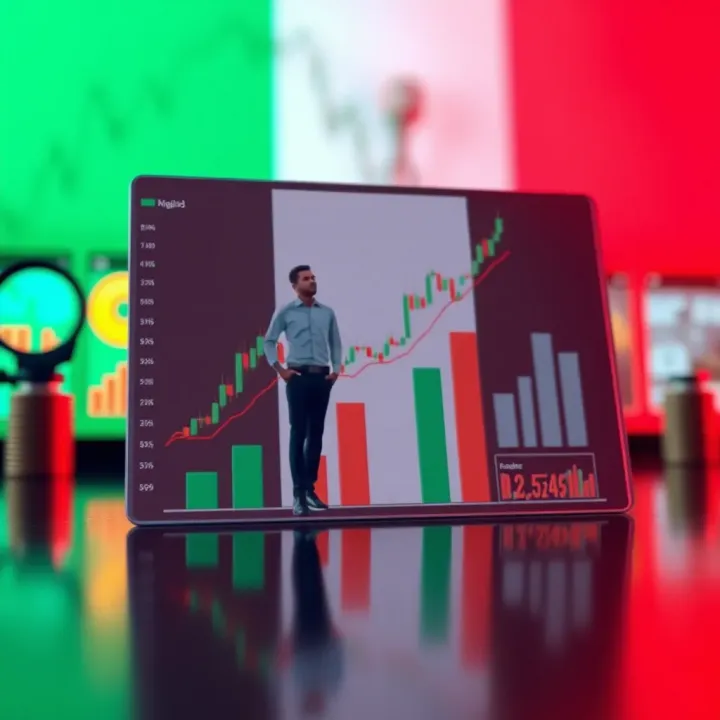
Understanding market orders and trading platforms is one of the first hurdles for new traders. Forex demo accounts allow you to place different types of market orders—like limit, stop-loss, or market orders—without fear of losing capital. This lets you get familiar with how these orders behave in real-time market conditions, helping you navigate trading platforms used by top Nigerian brokers such as FXTM, HotForex, or Alpari. For example, you can practise submitting an order to buy USD/NGN and watch how the platform processes it, see the execution speed, and learn how price feeds update.
Testing strategies without financial loss is another key benefit of a demo account. You can try out different approaches—like scalping during Lagos trading hours or swing trades over the weekend—and observe how they perform. This means you avoid costly trial-and-error mistakes that would otherwise drain your trading budget. If, for instance, you have a strategy based on technical indicators like RSI or MACD, the demo environment lets you understand their signals and timing without risking even a kobo.
Familiarising with trading tools and indicators through demo accounts is vital for building confidence. Most platforms come loaded with charting tools, live news feeds, and indicators; learning to use these properly can improve your trading decisions. In a demo, you can explore drawing trend lines, setting alerts, and analysing candlestick patterns typical of volatile pairs like EUR/USD or GBP/USD. This hands-on learning prepares you for live sessions where decisions must be quick and informed.
Managing trades and position sizing in demo trading sharpens your money management skills. You can practise opening and closing positions at different sizes, setting stop-loss limits, and taking profits. For instance, starting with smaller position sizes virtually allows you to grasp how leverage affects profit and loss. This knowledge is critical in avoiding overtrading or risking excessive portions of your capital when you transition to live accounts.
Starting with a demo account equips you with the skills and confidence to trade forex more effectively. It cuts down the learning curve and helps you approach the live market with the right mindset and readiness.
Ultimately, demo accounts are not just for beginners. Even experienced traders in Nigeria use them to test new strategies or get acquainted with unfamiliar platforms without risking real money. This consistent practice helps maintain a steady edge in the competitive forex market.
Demo accounts offer a great platform for new traders to get their hands dirty without risking real money, but they come with key limitations that must be acknowledged. While demo trading replicates market conditions fairly well, it cannot entirely mimic the live trading experience. Understanding these differences helps Nigerian traders prepare better for the switch to real funds.
One major difference is the absence of emotional pressure when trading virtual funds. When you trade with demo money, there is no real financial risk, so decisions often feel easier and less stressful. However, real trading involves actual money, which can trigger anxiety, fear, or greed. For instance, a Nigerian trader who watches ₦50,000 of virtual funds swing freely may not feel the same tension when the same amount is on the line in a live account. This emotional factor influences decision-making and risk tolerance significantly.
Without the psychological pressure, demo traders might take bolder moves or be overly careless, which often don’t carry over well when they deal with real naira. Recognising this gap is vital to manage expectations during the learning curve.
Another limitation lies in occasional delays in price updates or order execution in demo accounts. Brokers might prioritise live account orders, so demo prices can lag behind the actual market by a few seconds or show pricing that isn’t exactly what you’d get in live trading. For example, during high-volatility events like Central Bank of Nigeria (CBN) policy announcements or US Non-Farm Payroll releases, live prices may move swiftly while demo quotes remain slightly behind.
This discrepancy can lead to unrealistic impressions of how fast and efficiently trades execute. Nigerian traders planning to rely heavily on scalping or fast intraday strategies must test on live accounts carefully to avoid surprises.
Moving from demo to live trading often exposes the trader to fresh psychological hurdles. The thrill of gaining or fear of losing real money can impair discipline. Nigerian traders have shared stories where they excelled on demo platforms but faltered during live sessions due to panic or impatience.
The contrast in mindset can be jarring, causing some to abandon trading or make reckless bets. Appreciating that this is normal helps prepare mental strategies to cope and reduce emotional reactions when real stakes are involved.
To bridge the gap, it's wise to adopt a gradual transition from demo to live trading. This can mean starting with small stakes—say ₦5,000 or ₦10,000—and limiting position sizes. Such practice allows traders to experience real market emotions without risking large sums.
Setting realistic profit and loss expectations during this phase is crucial. Moving too hastily from demo to full-scale live trading often backfires. Nigerian traders who phase in live funds gradually tend to build better money management skills and resilience.
Using a demo account is a stepping stone, not the final destination. Recognising its limits and preparing properly for live markets reduces costly mistakes and boosts long-term success.
Overall, demo accounts serve as valuable learning tools but cannot replace the authentic pressures of live forex trading. Smarter traders in Nigeria use demo platforms to build skills and then transition carefully, blending knowledge with emotional readiness for the real forex market.
Opening and effectively using a forex demo account is vital for any Nigerian trader who wants to build practical skills without risking real money. Demo accounts let you familiarise yourself with the trading environment, develop strategies, and experiment with market movements. But success depends on choosing the right broker and platform, understanding the registration process, and being deliberate in practising.
Selecting a regulated broker is non-negotiable. A broker with a legitimate licence, preferably registered with the Nigerian Securities and Exchange Commission (SEC), offers protection against fraud and ensures your trading experience meets legal standards. Regulated brokers follow strict rules on client fund safety and provide transparent pricing. For example, some Nigerian traders have faced losses with unregulated outlets offering unrealistic leverage. Choosing a broker regulated by recognised bodies like SEC Nigeria or international authorities such as FCA or CySEC helps avoid such risks.
Popular forex platforms accessible in Nigeria include MetaTrader 4 (MT4), MetaTrader 5 (MT5), and cTrader. These platforms are user-friendly, offer wide technical analysis tools, and are supported by most brokers. Nigerian traders benefit from these platforms because brokers like FXTM, Alpari, and IG provide localised customer support and easy account setups. Platforms with mobile apps also suit the Lagos hustle where many trade on smartphones during daily commutes.
First, register with your chosen broker by filling out their online form. This involves providing basic details such as name, email, phone number, and address. Brokers often require identity verification with a government-issued ID like the National ID (NIN) or Driver’s Licence to comply with Know Your Customer (KYC) rules. This process can take from a few hours to a couple of days depending on the broker’s procedures.
After verification, you fund your virtual balance. The demo account is supplied with virtual funds, often between $10,000 and $100,000. You use this to execute trades without risking real money. Spend time navigating the platform — opening and closing orders, setting stop-loss and take-profit levels, and exploring charting tools. For instance, practising with MT4’s chart indicators helps you identify entry and exit points effectively.
Develop and test well-thought trading plans during your demo sessions. Define rules like maximum daily loss limits, risk per trade, and target profits. Avoid random trades. For example, a trader might decide to risk only 1% of virtual capital per trade while aiming for a 2% profit. Stick to these rules on the demo account to build discipline.
Track your performance by recording each trade’s details and outcome. Use spreadsheets or the platform’s built-in history to analyse patterns — which currency pairs work best for you, common mistakes, and winning strategies. This review helps sharpen your approach before handling real money. Remember, demo accounts serve as a rehearsal stage; taking them seriously improves your live trading chances.
Opening a forex demo account and using it methodically can help you avoid common pitfalls and prepare you well for live trading in Nigeria’s dynamic forex market.
Moving from a demo account to live forex trading marks a big step for Nigerian traders. Demo accounts offer a safety net for practice, but live trading introduces real money, emotions, and market unpredictability. Understanding when and how to make this switch can save you from costly mistakes and help you grow as a trader.
Trading success in a demo environment is a good start, but it doesn't guarantee readiness for the live market. One clear indicator you’re ready is consistent profitability over a period of time, ideally several weeks or months, while maintaining sound risk management. For example, if you trade with virtual funds and still protect your capital by limiting losses to about 1% of your virtual account per trade, that's a strong sign you understand managing risk.
Besides profitability, you should be comfortable navigating your trading platform and executing orders quickly, as live markets can move swiftly. Also, having a tested strategy that works with various currency pairs and market conditions prepares you better for live trades. When you find yourself acting on a trading plan rather than emotions during demo sessions, it's time to consider going live.
Many traders expect quick riches as soon as they start live trading, but reality is often different. It’s important to set achievable profit goals and accept that losses are part of the game. For instance, aiming for a modest 5-10% return monthly is more practical than expecting huge gains overnight.
Understand that the transition from demo to live involves unpredictability, such as slippage or variable spreads in Nigeria’s market conditions. Accepting these factors lets you plan for both profits and losses realistically, avoiding disappointment and frustration when things don’t go as smoothly as on demo.
Starting live trading with a small amount of capital is crucial. Using just a portion of what you can afford to lose—say ₦50,000 to ₦100,000—lets you gain real experience without risking financial hardship. Good money management means limiting losses on any single trade to a small fraction of your total capital, for example, 1–2%.
This approach keeps you in the game longer, allowing you to learn and adjust your strategy. It also keeps emotional pressure lower, which tends to rise sharply when large amounts are at stake.
Trading with real money often triggers strong emotions like fear, greed, and impatience, which rarely appear during demo trading. This emotional influence can make you deviate from your plan, resulting in poor decisions.
To maintain discipline, set clear rules before trading—such as limits on daily losses or gains—and stick to them. For example, if you lose ₦5,000 in a session, stop trading for the day. Journaling your trades and reviewing performance regularly helps build accountability and reduce repeating mistakes.
Transitioning to live forex trading takes patience and careful risk management. Treat this phase as a learning opportunity rather than a quick cash grab, and your chances of lasting success will improve significantly.
Making the move from demo to live trading in Nigeria can be daunting, but with the right preparation, manageable capital, and discipline, it becomes a natural next step in your trading journey.
📈 Discover the best time for forex trading in Nigeria! Learn how market hours, currency behaviors, and economic news can boost your trading strategy. ⏰💹

📈 Discover effective forex trading strategies tailored for Nigerian traders. Learn how to manage risks, use technical & fundamental methods, and tackle common challenges.
Discover trusted forex trading sites for Nigerian traders. Learn about regulation, fees, tools, and resources to trade confidently. 📈💰🌍

📈 Discover the best forex trading strategies and tips for Nigerian traders! Learn how to pick brokers, manage risks, and analyze markets for success. 🇳🇬💰
Based on 7 reviews