

Benefits of Risk Management in Business
Discover how risk management 🔍 helps Nigerian businesses protect assets, improve stability, comply with regulations, and stay prepared for the future.
Edited By
David Mitchell
Disaster risk management refers to the systematic process of identifying, assessing, and reducing risks connected to natural and human-made disasters. In Nigeria, this is especially important due to frequent challenges such as floods, droughts, epidemics, and urban accidents. Effective management minimises damage to life, property, and the economy.
Nigeria's geography and rapid urbanisation contribute to vulnerabilities. For example, Lagos experiences flooding almost every rainy season, disrupting business activities and daily commuting via okadas and danfos. In the northern states, recurring droughts threaten agricultural productivity, impacting food security and livelihoods.
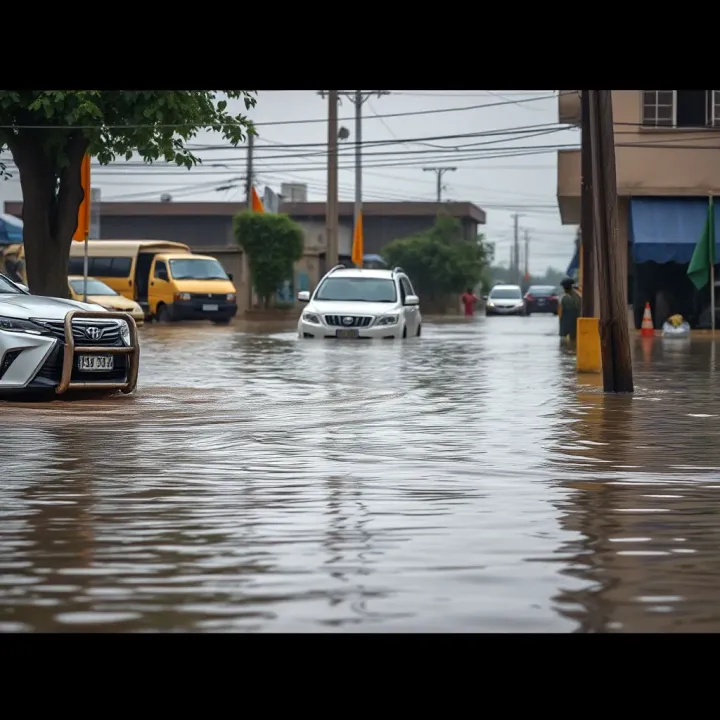
Key areas in disaster risk management include:
Risk Assessment: Mapping hazard-prone locations like riverbanks and floodplains to understand exposure.
Prevention and Mitigation: Building resilient infrastructure, such as flood drainage systems in cities and drought-resistant crops in farming communities.
Preparedness: Training emergency response teams and educating communities on early warning signs and evacuation procedures.
Response: Coordinating rescue operations and providing relief materials during disasters.
Recovery: Restoring affected areas and supporting economic rebound.
Disaster management is not solely the government’s duty; communities, businesses, and individuals all play critical roles. For instance, traders in flood-prone marketplaces can adapt by modifying their stalls or insuring their goods.
In Nigeria, bodies like the National Emergency Management Agency (NEMA) lead disaster efforts, working with states’ agencies and international partners. However, challenges such as inadequate funding, poor infrastructure, and delayed data sharing weaken responses. Meanwhile, the informal sector dominates, complicating communication and resource mobilisation during crises.
Understanding this framework offers traders, investors, and analysts clearer insight into how disruptions might affect markets and investments. It also helps students and policymakers appreciate the network of activities needed to reduce disaster impact, build resilience, and promote sustainable development in Nigeria.
Disaster risk management (DRM) involves identifying, assessing, and addressing potential hazards that could disrupt lives and economies. In Nigeria, where floods, droughts, and communal conflicts recur, understanding DRM helps minimise losses and speeds recovery. For traders and investors, DRM ensures business continuity amid challenges such as urban fires or flood damage that can affect supply chains or market access.
Effective DRM means planning ahead — knowing where risks lie, who is vulnerable, and how to reduce damage before disaster strikes. This is vital for Nigeria’s development, as unplanned hazards worsen poverty and stall growth. The focus is on practical steps like land planning, early warning systems, and training people on what to do when crises happen.
Hazards are events that can cause harm, such as floods, droughts, or clashes. Vulnerabilities, on the other hand, relate to how exposed or sensitive people and assets are to these hazards. For example, communities living along the flood-prone Niger Delta are more vulnerable because of poor drainage and substandard housing.
Knowing these two factors together—hazard plus vulnerability—determines the overall risk. This understanding helps policymakers and businesses focus on weak points, like ageing infrastructure in Lagos which worsens flooding, or farming communities in the North struggling with drought effects.
Risk assessment is the process of quantifying how likely a hazard is to occur and what damage it could cause. This involves mapping flood zones, studying weather patterns for drought likelihood, or analysing fire outbreak reports in urban centres.
For businesses, risk assessment informs decisions such as where to locate warehouses or offices to avoid frequent disruptions. Government agencies use it to allocate resources effectively — for example, stocking relief materials where droughts often hit hardest in the Sahel region.
Flooding is among Nigeria’s most frequent disasters, especially during the rainy season. Causes include heavy rainfall, inadequate drainage systems in cities like Lagos and Port Harcourt, and river overflows in states like Kogi.
Floods damage homes, disrupt transport routes, and expose communities to waterborne diseases. For investors, floods can halt operations, raise costs, and affect product deliveries. Proper urban planning and drainage maintenance can drastically reduce flood risks.
Northern Nigeria faces harsh drought spells and advancing desertification due to climate change and overgrazing. These factors reduce farm output and water availability, threatening food security and livelihoods.
This type of disaster impacts the agrarian economy heavily and can lead to rural poverty and migration. Risk management includes water conservation projects, drought-resistant crops, and policies against harmful land practices.
Cities like Lagos and Abuja experience frequent urban fires, often caused by faulty electrical wiring, neglected safety regulations, or petrol tanker accidents. Informal settlements with closely packed wooden structures are particularly vulnerable.

Such fires not only cause loss of lives and property but disrupt local markets and transport. Business owners and traders must heed fire safety practices and emergency preparedness to limit losses.
Communal clashes often erupt over resources like land or water, especially in Middle Belt states and the North. These conflicts create displacement, destroy infrastructure, and hamper economic activities.
Security challenges also disrupt supply chains and investor confidence. Managing these risks calls for dialogue initiatives, community policing, and government vigilance to foster peace and stability.
Understanding these disaster types and their causes helps stakeholders anticipate threats and take effective action to protect lives, assets, and Nigeria's economic future.
Reducing disaster risks in Nigeria requires deliberate strategies tailored to local realities. Effective planning and timely actions lessen harm to lives, properties, and the economy. These strategies revolve around prevention, preparedness, response, and recovery, ensuring that when disasters occur, their effects do not spiral out of control.
Land-use planning and environmental management play a significant role in lessening disaster risks. For instance, unregulated construction along flood plains in cities like Lagos and Onitsha worsens flooding during heavy rains. Proper zoning laws can prevent building in such vulnerable areas. Additionally, conserving wetlands and reforesting eroded lands in northern Nigeria help reduce desertification and soil degradation. These approaches limit exposure to hazards and safeguard natural buffers that absorb shocks.
Early warning systems and technology use are crucial for timely alerts that save lives. Mobile phone networks have expanded in Nigeria, allowing authorities to send texts to residents warning of impending floods or storms. The Nigerian Meteorological Agency (NiMet) uses satellite data and weather stations to forecast severe weather accurately. In rural areas, community-based surveillance with trained volunteers relays early signals on drought or pest outbreaks, giving farmers time to prepare. These technologies boost readiness and reduce panic during crises.
Training local communities and emergency responders strengthens disaster management from the grassroots. When people know how to react and evacuate safely, casualties drop sharply. For example, some Lagos neighbourhoods regularly hold fire drills and first aid workshops facilitated by the National Emergency Management Agency (NEMA). This builds confidence among residents and equips local teams to act swiftly when disaster strikes. It also narrows the gap caused by limited formal emergency services in many parts of Nigeria.
Stockpiling supplies and equipment ensures resources are ready for immediate deployment during emergencies. States like Rivers and Anambra keep caches of food, water, medicines, and rescue tools for floods and communal clashes. Without pre-positioned supplies, relief efforts become slow and uncoordinated, prolonging suffering. However, maintaining adequate stocks requires consistent funding and good inventory management, which remains a challenge for many government agencies.
Emergency relief coordination involves organising aid efforts to avoid duplication and reach victims faster. When disasters hit, multiple agencies—governmental, NGOs, and community groups—must communicate clearly. In 2020, during the Benue floods, NEMA led coordination meetings with state governments and organisations to synchronise rescue missions and distribute relief items. Effective coordination reduces wastage and ensures that remote or highly affected communities do not get left behind.
Rehabilitation and reconstruction efforts focus on restoring infrastructure and livelihoods after disasters. Post-flood rebuilding in Kaduna and Abuja has sometimes included upgrading drainage systems and roads to reduce future risks. Recovery also means psychosocial support for displaced families and rebuilding schools destroyed by fire or communal violence. These steps help communities recover faster, prevent repeated disasters, and enable economic activities to resume.
Implementing these strategies thoughtfully contributes to a safer Nigeria where risks from floods, droughts, and accidents are considerably reduced through collective action and practical planning.
Disaster risk management in Nigeria involves various stakeholders, each playing a distinct and essential role in reducing vulnerability and improving response. Understanding who these actors are and what they do helps in coordinating efforts effectively and strengthening overall resilience.
National Emergency Management Agency (NEMA) serves as the lead government agency responsible for emergency preparedness and disaster response at the federal level. NEMA’s role includes coordinating rescue operations, managing disaster relief materials, and liaising with international partners during crises like floods or communal clashes. For instance, during the 2012 floods, NEMA coordinated evacuations, distributed relief items, and worked with state agencies to provide shelter for displaced persons, showing its central role in crisis management.
State and local governments implement disaster risk policies closer to affected communities. They handle first-response duties, maintain emergency shelters, and run local early-warning systems tailored to regional risks. Lagos State, for example, has undertaken substantial efforts to improve drainage systems to prevent flooding, showcasing proactive local government participation. The effectiveness of disaster management often hinges on these governments’ ability to react swiftly and provide resources where national agencies cannot reach immediately.
Traditional leaders and community groups form the grassroots foundation for disaster management. They mobilise residents, share crucial local knowledge about hazards, and often lead evacuation or rescue efforts in their communities. In rural areas of northern Nigeria, traditional rulers frequently act as trusted intermediaries between government agencies and villagers, ensuring that warnings and preparedness information are well understood and acted upon.
Public awareness and education campaigns involve informing citizens about risks and best practices during emergencies. Campaigns through radio jingles, town hall meetings, and school programmes have made a difference in areas prone to flooding and fire outbreaks. Consistent education helps shift public attitude from complacency to preparedness, reducing resistance to evacuation orders and encouraging safer behaviours.
Collaboration with humanitarian organisations strengthens Nigeria’s disaster response by bringing in resources, expertise, and broader networks. NGOs like the Red Cross and Médecins Sans Frontières complement government efforts by providing medical aid, logistics support, and psychosocial assistance during disasters. Their work in internally displaced persons camps highlights how partnerships can fill gaps where government reach is limited.
Private sector contributions and corporate social responsibility (CSR) initiatives play an increasingly vital role. Companies such as MTN Nigeria and Guaranty Trust Bank have sponsored disaster relief efforts, donated equipment to emergency responders, and supported community resilience projects. These contributions not only alleviate the burden on public funds but also promote a culture of shared responsibility for disaster management across the economy.
Effective disaster risk management depends on clear roles, practical collaboration, and active participation from government agencies, communities, NGOs, and the private sector.
This collective approach helps Nigeria to better prevent, respond to, and recover from disasters, ultimately saving lives and protecting livelihoods.
Understanding the challenges facing disaster risk management in Nigeria is essential for grasping why responses often fall short of expectations. These challenges hinder the effectiveness of programmes designed to reduce disaster impacts, leaving communities vulnerable, especially in rural and underserved areas. Addressing these obstacles helps policymakers, investors, and community leaders pinpoint where immediate improvements can make a real difference.
Inadequate funding and equipment is a persistent problem. Many disaster management agencies at federal, state, and local levels work with limited budgets that barely cover operational costs, let alone investment in modern equipment. For instance, National Emergency Management Agency (NEMA) often struggles to procure enough relief materials, ambulances, or communication devices to respond to multiple crises simultaneously. This scarcity slows down rescue efforts and prolongs suffering during flood disasters or communal conflicts.
Alongside finance, poor road networks and communication systems complicate disaster response. Nigeria’s infrastructure challenges often mean that affected communities remain isolated, especially in the rural North East or the Niger Delta during heavy rains. Emergency teams find it hard to reach victims quickly because danfos, ambulances, or relief trucks get stuck on dilapidated roads. Moreover, unreliable telecom networks disrupt coordination between agencies and make it difficult to send early warnings or evacuation orders effectively.
Inter-agency coordination difficulties frequently stall timely responses. With so many government bodies, community groups, and NGOs involved, overlaps and gaps in roles create confusion. For example, during flood emergencies in Lagos or Benue, agencies may duplicate efforts in one area while neglecting another. Without a clear command structure or effective communication channels, resources get wasted, and delays set in.
Enforcement of regulations also remains weak. Nigeria has disaster management policies and building codes meant to reduce risks, but poor compliance and corruption often undermine these measures. Informal settlements, especially in cities like Lagos and Port Harcourt, disregard zoning laws and drainage planning, leading to preventable flood damage. Despite awareness efforts, enforcement agencies rarely sanction offenders, allowing risky development patterns to continue.
A low risk perception among communities creates another major hurdle. Many Nigerians, particularly in rural areas, do not fully grasp how hazards like floods or droughts threaten their lives and livelihoods until the damage happens. This complacency leads to limited engagement with preparedness programmes, which reduces community resilience. For example, some farmers continue cultivating flood plains without protective measures, exposing crops and homes to seasonal disasters.
Further complicating matters is the resistance to evacuation and safety measures. Fear of losing property, mistrust of officials, or attachment to ancestral land causes many people to ignore evacuation orders during looming disasters. This has been evident during riverine flood seasons along the Niger and Benue rivers, where entire communities stay put despite warnings. Such reluctance delays critical interventions, heightening casualty risks and complicating rescue operations.
Tackling these challenges head-on is key to strengthening Nigeria’s ability to handle disasters more effectively. Prioritising infrastructure upgrades, improving policy enforcement, and boosting public awareness can drastically cut down the human and economic toll of future crises.
Building resilience to disasters is vital for Nigeria to withstand and quickly recover from hazards like floods, droughts, and communal conflicts. Resilience goes beyond immediate response; it means reducing vulnerability through thoughtful systems, policies, and community involvement. This approach safeguards lives, businesses, and investments, especially for traders and financial actors who face disruptions when disasters strike.
Mobile technology and media have become powerful tools in Nigeria's disaster risk management. With high mobile phone penetration, alerts about impending floods or security threats can reach millions in minutes. For example, states like Lagos and Rivers use SMS broadcasts and social media channels to warn residents of heavy rains or rising river levels. This timely information allows people and businesses to prepare, reducing damage and losses.
Community-based surveillance complements technology by involving locals in monitoring risks directly. Neighbourhood groups, traditional leaders, and trained volunteers keep an eye on early signs of danger—like unusual water levels or movements among communal groups—and report promptly. This grassroots approach is practical in rural or informal urban areas where formal sensors or authorities may not reach quickly. It also builds trust so people take warnings seriously.
Environmental conservation and reforestation play a key role in disaster resilience. In Nigeria's northern regions, planting trees helps combat desertification and reduces soil erosion, which in turn lessens the impact of droughts. Lagos and Ogun States have reforestation initiatives that not only improve air quality but also help absorb heavy rains, reducing flood risks. These eco-friendly efforts support farmers and traders who depend on the land.
Urban planning with disaster risk in mind means designing cities to handle shocks better. Avoiding construction in flood plains, enforcing building codes, and planning adequate drainage systems prevent disasters from worsening. Nigerian cities like Abuja are adopting zoning laws and infrastructure upgrades to manage stormwater and reduce fire hazards. This benefits investors by protecting property values and ensuring business continuity.
Involving women and youths in disaster management ensures decisions reflect diverse perspectives and local realities. Women often manage households and know community patterns closely, while youths bring energy and tech skills. For instance, some NGOs work with youth groups in Kano and Enugu to run disaster awareness workshops and emergency drills. Their participation strengthens social cohesion and preparedness.
Promoting education and continuous training builds capacity over time. Schools and workplaces that include disaster preparedness in their routines make staff and students ready to respond calmly and wisely. Training for emergency responders, local officials, and volunteers ensures efficient coordination during crises. These efforts reduce panic and losses, fostering confidence among all, including traders and investors who depend on stability.
Building resilience is about acting now—combining technology, local knowledge, environmental care, and inclusive policies to protect lives and livelihoods across Nigeria.
Discover how risk management 🔍 helps Nigerian businesses protect assets, improve stability, comply with regulations, and stay prepared for the future.

🔍 Looking for the best trading app in Nigeria? Explore top features, low fees, strong security, and reliable support to trade confidently worldwide! 📱💹

Discover how to pick the best trading app in the world 🌍 tailored for Nigerian users. Learn about key features, fees, security, and ease of use to trade smartly 📈💼.

Explore binary investment in Nigeria 📈 Understand how it works, key risks, regulations, and get practical tips for safer trading in this concise guide.
Based on 12 reviews