

Best Books for Forex Trading in Nigeria
📚 Discover the best forex trading books tailored for Nigerian traders. Master basics, advanced strategies, risk management, and technical analysis today!
Edited By
Amelia Carter
Forex trading is steadily gaining traction among Nigerian investors, but diving into the market without proper knowledge can be like driving an okada on a busy Lagos expressway—risky and unpredictable. To truly understand forex trading, you need solid resources that explain its mechanics, strategies, and risks, especially within the Nigerian economic context where currency fluctuations and regulatory shifts happen regularly.
This section points you towards crucial books that deliver practical knowledge tailored for Nigerian traders. These readings cover everything from beginner-friendly explanations to advanced techniques, risk management essentials, and the mindset needed to thrive in the forex market. Selecting the right books can save you from common pitfalls and boost your trading confidence.
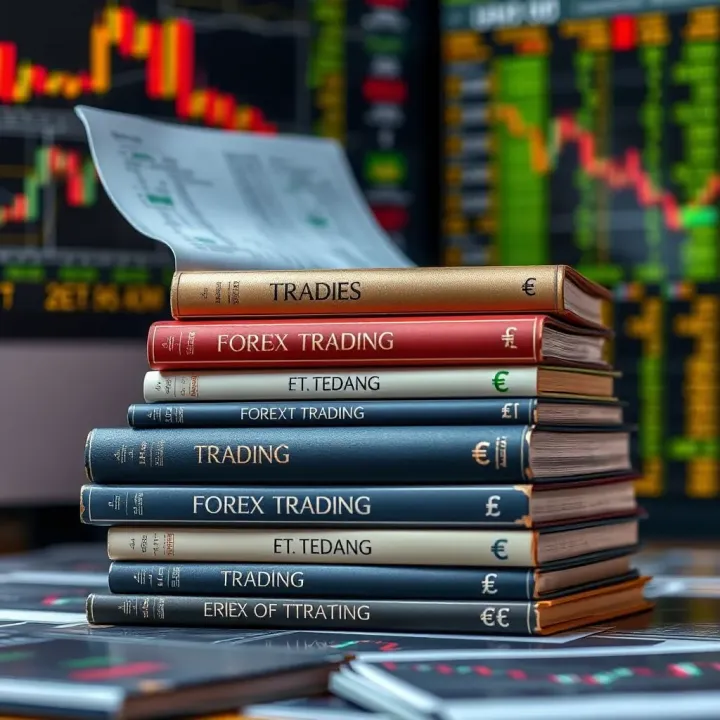
"Reading the right books is like having a seasoned trader whispering advice in your ear—without risking your funds."
When choosing forex literature, look for authors who combine theoretical insights with practical experience, ideally including lessons relevant to emerging markets like Nigeria. Books that discuss risk control and adapting strategies to volatile currencies are particularly valuable. For example, understanding Nigeria’s foreign exchange policies or the impact of daily naira volatility is as important as knowing global forex trends.
Some recommended starting points include beginner guides that break down technical jargon and chart patterns, books on psychological resilience to keep emotions in check during trades, and advanced materials on algorithmic trading or position sizing. These resources often provide real examples and case studies, which Nigerian traders can relate to, including scenarios of economic changes or political events impacting forex rates.
In short, the right forex books act as stepping stones—helping you build a solid foundation before risking capital on live trading. Besides improving your skills, these books often suggest methods to apply knowledge practically, such as using demo accounts or paper trading, which is very useful given the often unpredictable Nigerian forex scene.
With a strong reading list tailored to local needs, you can approach forex trading with greater confidence, discipline, and success.
Forex trading in Nigeria has grown steadily, driven by increased internet access and the rise of fintech platforms like OPay and Kuda. However, many traders jump in without a solid foundation, leading to avoidable losses. That's where trading books come in. They provide structured knowledge, helping traders understand market dynamics beyond surface-level information.
Books offer depth that many online articles and videos may lack. For Nigerian traders, forex books clarify complex topics such as currency pairs involving the Nigerian naira (NGN), market hours overlapping global sessions, and the impact of local economic factors like CBN policies on forex volatility. Unlike fragmented online content, a well-selected book delivers progressive learning—from basics to advanced techniques.
Consider a trader in Lagos using a book to grasp how the naira's instability affects price action differently compared to the USD/EUR pair. Such targeted knowledge sharpens decision-making and risk management. Books also preserve insights from experienced traders and analysts whose strategies adapt across economic cycles, helping Nigerian traders navigate challenges unique to the domestic market.
Solid books build a knowledge base that reduces the chance of costly mistakes and instills confidence for practical forex trading in Nigeria.
While online platforms offer convenience and real-time updates, their content can be inconsistent or promotional. Books balance this by offering detailed explanations and tested strategies in one place. For example, after watching tutorial videos on using MT4 or MT5 platforms—a common setup for Nigerian brokers—reading a book on chart patterns improves a trader’s ability to interpret signals instead of relying solely on app alerts.
Books also encourage self-paced study, letting traders revisit critical concepts like fundamental analysis of CBN interest rate decisions or technical indicators such as the Relative Strength Index (RSI). This deep dive leads to better application during live trading sessions. Combining online trials on demo accounts with book knowledge creates an effective learning loop.
Moreover, Nigerian forex groups and seminars often recommend textbooks that complement experienced traders’ advice, showing how abstract ideas translate into local market moves. This blend of digital and printed resources forms a comprehensive learning path essential for mastering forex trading in Nigeria.
Starting out in forex trading requires a solid foundation, and the right books can provide that base more effectively than random online snippets. For Nigerian traders, recommended beginner books offer clear explanations tailored to common challenges like understanding currency pairs involving the naira and navigating local market hours. Such resources reduce the trial-and-error phase and help avoid costly mistakes.
Currency pairs are the backbone of forex trading. Beginners must grasp what it means when trading pairs like USD/NGN or EUR/USD – the first currency is the base, while the second is the quote. Books that break down how these pairs fluctuate against each other guide traders on when to enter or exit trades. Knowing market hours complements this knowledge by clarifying the best trading periods. For instance, understanding that the London and New York sessions overlap means increased liquidity, which Nigerian traders can capitalize on, especially when dealing with major pairs.

A beginner-friendly book should also introduce popular trading platforms used locally. MetaTrader 4 (MT4) and MetaTrader 5 (MT5) are among the most trusted due to their user-friendly interface and widespread broker support. Nigerian traders frequently use platforms like MT4 through brokers such as FXTM or OctaFX. Guidance on these platforms equips beginners to place trades confidently, manage orders, and use basic tools without feeling overwhelmed. This reduces barriers that often discourage new traders from sticking with the market.
Chart reading skills are vital for spotting opportunities and timing trades. Beginner books that teach how to interpret candlestick patterns, recognise trends, and apply indicators like Moving Averages or Relative Strength Index (RSI) give practical strategies. Nigerian traders, for example, can learn how to spot price reversals on a USD/NGN chart during volatile periods when the naira experiences swings caused by oil price shifts or economic announcements.
A well-rounded beginner’s book explains both fundamental and technical analysis. Fundamental analysis involves understanding how news events, such as CBN policy changes or geopolitical developments, influence currency values. Technical analysis, on the other hand, focuses on chart patterns and statistical tools to predict price movements. Books covering these topics help Nigerian traders blend economic context with market data for smarter decision-making rather than relying solely on guesswork.
"For anyone new, books that focus on simple explanations with local market examples build the strongest foundation in forex trading."
By focusing on these beginner topics, recommended books pave the way for traders in Nigeria to move beyond basic understanding towards more skilled, confident market participation.
Diving into advanced trading strategies marks a key step for Nigerian forex traders determined to move beyond the basics. These books offer deep insights on how to refine your approach, improve timing, and increase profitability. Rather than surface-level info on forex, they focus on sophisticated tactics that experienced traders use to edge out the competition. Having solid knowledge here can make the difference between guessing and trading with confidence.
Mastering risk-reward setups and entry/exit rules is fundamental in swing and day trading. Books on this topic clarify how to identify trades where the potential reward justifies the risk, often using clear numerical ratios like 1:2 or 1:3. For example, if you risk ₦10,000 on a trade, your target gain would be ₦20,000 or ₦30,000 respectively. This approach keeps losses manageable while aiming for consistent gains. Entry and exit rules guide you on when to open and close positions based on price action or technical indicators, reducing emotional trading.
Nigerian traders often adopt strategies blending global best practices with local market realities. For instance, some swing traders focus on the USD/NGN currency pair’s volatility caused by Central Bank of Nigeria’s policies or oil price shocks. Day traders might exploit intraday patterns around Nigerian market hours or news releases like the monthly inflation figures. Books that detail these tactics, supported with chart examples, help traders understand how to apply timing strategies sharply tailored to Nigerian forex nuances.
Understanding forex robots and expert advisors (EAs) opens up automated methods to execute trades based on programmed rules. Advanced books explain how these tools scan markets 24/7 using algorithms—saving you from staring at screens all day. Algorithmic trading can spot setups faster than manual traders and remove emotion from decision-making. For example, EAs can monitor price breakouts in pairs like GBP/USD or EUR/USD and place orders instantly.
However, the Nigerian market sees many scams promising instant profits through so-called guaranteed forex robots. It's imperative to approach such tools with caution. Books warn about unreliable systems that lack transparency, often selling at high prices but failing to deliver results. Always test any automated tool with a demo account before risking real naira. Look for books that outline how to identify trustworthy vendors and explain risks associated with these systems, helping you avoid costly pitfalls.
Advanced forex strategy books are not just for theory; they teach how to execute real trades that fit your financial goals and local market conditions. Make sure to combine reading with plenty of practice to sharpen these powerful skills.
Proper risk management and a solid trading mindset are key to surviving and growing in forex trading, especially when dealing with the volatile Nigerian market. Unlike just guessing or following tips blindly, understanding how to protect your trading capital and control emotions can save you from losing ₦50,000 or more in a single bad trade. This section focuses on practical books that teach these crucial skills, helping you avoid the common pitfalls many Nigerian traders face.
Position sizing and stop-loss placement are essential to limit losses in any trade. Position sizing means deciding how much of your total capital to risk on one trade. For instance, if you have ₦100,000 in your trading account, a common rule is to risk no more than 1-2% on a single trade, equating to ₦1,000 to ₦2,000. This cautious approach prevents a single bad trade from wiping out your account. Meanwhile, stop-loss orders automatically close your position once the price hits a certain level, guarding you against bigger losses. Learning how to set stop-loss points appropriately, depending on market volatility and support or resistance levels, is often covered in trading books tailored to Nigerian traders, where unpredictable market swings happen quite severally.
Managing volatility is even more critical when trading Nigerian naira pairs like USD/NGN or GBP/NGN. The naira tends to fluctuate sharply due to economic factors like fuel subsidies, forex scarcity, and CBN policies. Books that explain exchange rate volatility help traders understand when to tighten stop-loss orders or reduce position sizes. For example, during ember months when market activity rises but liquidity dips, the naira pairs can experience wild swings. Proper risk management strategies can help you safeguard your capital instead of chasing losses or overtrading during such times.
Handling stress and emotional discipline are at the heart of successful trading. Trading can stir up strong emotions—fear, greed, frustration—which often prompt rash decisions. Books on trading psychology show how to build emotional control, such as sticking to a trading plan or stepping away after consecutive losses. Imagine making impulsive trades after losing ₦20,000 to recover quickly, only to lose even more. Understanding how to manage this stress helps you trade in a calmer, more rational way.
Avoiding common psychological mistakes is equally important. Overtrading, revenge trading, or ignoring market signals because of ego can quickly drain your trading account. Educational books for Nigerian traders often highlight these mental traps with real-life examples, showing how many fall victim to them and how you can avoid the same fate. For example, shutting out emotions when the naira unexpectedly weakens against the dollar requires discipline nurtured through continuous learning and mental preparedness.
Mastering risk management and trading psychology isn’t just theory; these skills keep your capital intact and empower you to make sound decisions in the unpredictable forex market, especially with the unique challenges the Nigerian economy brings.
With these insights from well-regarded books, you position yourself better to trade forex confidently and sustainably in Nigeria.
Choosing credible forex trading books matters especially for Nigerian traders who face a unique market environment. Authentic books provide accurate knowledge that reflects real market conditions, protecting traders from misleading advice common in many get-rich-quick schemes. For instance, credible books often include insights on how naira volatility impacts forex pairs, which generic global texts might miss.
When picking forex books, check the author's background carefully. Experts with solid trading experience or recognised financial qualifications tend to offer practical advice. For example, a Nigerian author who has traded on local platforms like FXTM or HOTForex would likely understand the challenges traders face here better than foreign authors who write from a purely theoretical angle. Also, look for authors who have published multiple books or have been featured in respected Nigerian financial media such as BusinessDay or Nairametrics.
Reader reviews and trader recommendations are valuable guides. Platforms like Goodreads or Nigerian forex forums can reveal if a book has helped other traders improve. Pay attention to reviews that mention specific strategies or real-life applications instead of vague praise. Asking fellow traders or members of local forex groups on Telegram or WhatsApp can also steer you toward books that offer actionable tips rather than recycled information.
Physical bookstores vs digital platforms: Physical bookstores in Lagos or Abuja like Terra Kulture or the Silverbird Galleria provide chances to browse forex books firsthand. This helps verify content quality before buying. However, their forex sections are often limited. Digital platforms such as OkadaBooks or Amazon offer a broader selection with instant access.
Digital copies can be more affordable and convenient compared to physical books, especially since delivery costs for international shipping to Nigeria often push prices up. Moreover, ebooks allow traders to search within the text quickly, improving learning efficiency.
Affordable Nigerian online sellers and libraries: Nigerian online sellers like Jumia Books and Konga occasionally have discounts on forex titles, making them accessible to many traders on a budget. Also, university libraries such as the University of Lagos or Ahmadu Bello University stock some forex trading books which students and researchers can borrow.
Public libraries are less common but some fintech hubs in Lagos and Abuja have lending systems for finance-related books. Accessing books through these local channels reduces costs and ensures the content is somewhat tailored to the Nigerian market.
Reliable information can significantly improve your trading performance. Picking credible forex books through authentic Nigerian sources safeguards you against waste of time and money on poor materials.
In short, emphasise the author's track record, verify recommendations, and choose accessible sources within Nigeria for the best learning experience in forex trading.
Applying what you learn from forex trading books to actual trading in Nigeria helps bridge the gap between theory and real market conditions. Reading about strategies or market analysis is insightful, but putting these concepts to test on local platforms ensures you understand how they work under Nigerian circumstances. With the forex market influenced by the naira’s volatility, local economic news, and market hours, practical application sharpens skills and builds confidence.
Most Nigerian forex brokers offer demo accounts where traders can practice without risking real money. Using these demo accounts allows you to test strategies learned from books in a safe environment. For example, you can try out technical chart setups or risk management techniques discussed in your reading. This hands-on experience reveals how indicators respond to real market swings and how orders execute on platforms like FXTM Nigeria or Alpari.
Adapting textbook concepts to naira currency pairs and Nigeria's market hours is crucial. Unlike some global pairs, naira-related pairs often show sharp movements influenced by local events such as CBN policies or petrol subsidy news. Also, trading overlaps with Nigerian business hours; for example, the busiest volatility tends to occur when London and New York markets are both active. Adapting your trading plan to these realities increases the chance of success compared to blindly applying foreign market strategies.
Joining Nigerian forex groups and attending seminars can provide valuable perspectives that books alone cannot offer. Community groups on WhatsApp or Telegram often share recent market patterns, broker reviews, and regulatory updates. Seminars held in Lagos or Abuja invite experienced traders who share practical tips and tackle local challenges, such as managing high fuel costs while running a trading setup or navigating power outages.
Following local forex news and regulations keeps traders informed about developments affecting trading conditions. The forex market in Nigeria can be impacted by government policies, central bank interventions, or new regulations from the Securities and Exchange Commission (SEC Nigeria). Staying updated through platforms like BusinessDay or Nairametrics ensures you adjust your strategies promptly and remain compliant.
Real trading experience in Nigeria demands adapting book knowledge to the country’s unique market dynamics — this hands-on approach separates successful traders from beginners who depend solely on theory.
In sum, applying book lessons through local practice, community engagement, and continual learning is vital for any Nigerian forex trader aiming for steady progress and profitability.
📚 Discover the best forex trading books tailored for Nigerian traders. Master basics, advanced strategies, risk management, and technical analysis today!
📚 Discover the best forex trading books to boost your skills! From beginners to pros, find tailored picks and key insights for Nigerian traders 🇳🇬💹

📚 Discover top forex trading books for Nigerian traders! Improve skills with expert tips on strategy, psychology & risk management. Start learning today! 💹

📈 Discover the best time for forex trading in Nigeria! Learn how market hours, currency behaviors, and economic news can boost your trading strategy. ⏰💹
Based on 8 reviews