
Forex Trading Guide for Nigerians
Explore forex trading in Nigeria 🇳🇬 with practical tips, market insights, and regulatory guidance to help beginners start confidently and navigate challenges.
Edited By
Henry Mitchell
Forex trading can seem like a maze when you're just starting out, especially in Nigeria where market dynamics add their own twists. This practical guide aims to make things straightforward by breaking down the basics of forex trading into clear, manageable pieces. Whether you’re a trader, an investor, a financial analyst, or someone just curious about how currency markets work, understanding these fundamentals is your first step to making smart decisions.
In this guide, you’ll find explanations of key concepts, hands-on tips for getting started, and advice on managing the real risks that come with trading currencies. Think of it like a well-organized PDF resource that you can come back to whenever you need a refresher or want to check a detail.
Why should you care about forex? Well, it’s the largest financial market globally, with daily volumes surpassing $6 trillion. For Nigerians, this opens up opportunities to diversify investments and potentially earn income beyond traditional markets.
Remember, forex trading isn’t about quick riches; it’s about understanding the market and managing your risks wisely.
This article covers:
What forex trading really means
How currency pairs work and what affects their prices
The tools and platforms popular in Nigeria
Practical steps to start trading
Risk management techniques you shouldn’t skip
By the end, you’ll have a clear picture of how forex trading operates and what you need to get started, helping you avoid common pitfalls and trade more confidently.
Ready to dive in? Let’s get started.
Getting a grip on forex trading is like mastering a new game—it opens doors to understanding how global money moves and gives you a chance to join in. For Nigerian traders, stepping into forex markets means not just learning the rules but seeing how the currency world ticks close to home. This section sets the stage by breaking down what forex trading actually involves and why it’s practical to consider, especially with the financial opportunities it can bring. Knowing these basics is the starting point before making any trades.
The forex market is the place where currencies are bought and sold. It’s the world’s largest financial market, way bigger than stocks or commodities, running nonstop all week except weekends. Here, currencies like the US Dollar, Euro, and Nigerian Naira trade hands based on what people expect their value to be in the future.
Think of it as a giant, global money exchange booth open 24/5 where traders, businesses, and governments swap currencies to make payments, investments, or profits. The practical side is this market reflects real economic situations—like Nigeria needing dollars to import goods. Because it’s so huge and active, the forex market provides plenty of chances to enter and exit trades anytime, which is a big plus for traders.
Currencies trade in pairs—this means when you buy one, you sell another. Each pair has a 'base currency' and a 'quote currency.' For example, in the USD/NGN pair, the US Dollar is the base and the Nigerian Naira is the quote. If the quote changes from 410 to 415, it means you need more Naira now to get one US Dollar.
Understanding these pairs matters because their prices show how one currency stacks up against another. By watching pairs, you learn when to buy or sell based on economic news, politics, or even local events in Nigeria. It's like having a heads-up if prices will jump or dip, helping you make smarter trading calls.
One of the biggest reasons forex is popular in Nigeria is it’s thick with opportunities and very accessible. All you need is a smartphone or a computer with internet, and there are platforms like MetaTrader 4 or 5 that let you start trading with modest amounts of money. There are brokers operating online who cater specifically to Nigerians, accepting the naira and making deposits or withdrawals easier.
This ease of access means you don’t have to be a Wall Street expert to get started; anyone keen enough and willing to learn can dive in. Plus, forex trading hours overlap with Nigerian time, so you can trade during your day or late at night when markets in Europe or America are active.
Many Nigerians turn to forex trading as a way to earn extra cash or even a full-time income. The market's volatility, with currency prices shifting due to events like oil price changes or political developments, creates chances to profit if you understand when to act. For instance, if you anticipate the Naira might weaken because of economic policies or a drop in oil revenues, you could position yourself to benefit.
That said, forex isn’t a get-rich-quick scheme. It requires learning risk management, strategy, and patience. But for those who get the hang of it, trading forex can open a new revenue stream that’s not tied to traditional 9-to-5 jobs or local business risks.
Key takeaway: Forex trading is not just about guessing currency moves; it’s about understanding market dynamics, spotting opportunities, and managing risks, especially in the Nigerian context where economic factors play a big role.
This introduction grounds you in what forex trading is, how currency pairs operate, and why this market appeals so much to Nigerians eager to engage. Next up, we’ll look at who the main players are in this vast marketplace and what roles they play.
Understanding who moves the forex market is essential to making sense of its ups and downs. Whether you’re a newbie trader or someone sharpening their skills, knowing the key players gives you an edge in anticipating market behavior and making smarter trades. In forex, the market isn’t dominated by just one group; instead, it’s a mix of individuals, institutions, brokers, governments, and central banks—all playing their part. Let’s break down these major players, focusing on their roles and how they affect the forex environment, especially for Nigerian traders.
These are everyday people like you and me, who buy and sell currencies mainly via online platforms. Unlike the big players, individual traders usually work with smaller amounts of money, but their collective actions add significant volume to the market. For instance, a Nigerian trader using a platform like MetaTrader 4 or MetaTrader 5 might trade the USD/NGN pair to profit from the fluctuations in exchange rates. While individual traders don't have the muscle to influence market prices alone, understanding their behavior can help spot trends and opportunities. Importantly, their main challenge is grasping market timing and risk management to avoid walking into traps set by larger players.
These are the heavy hitters of forex trading. Large banks like Citibank or Standard Chartered handle massive sums daily, trading on behalf of clients or for their own accounts. For example, when a Nigerian multinational needs to convert a significant amount of foreign currency for business, banks facilitate these exchanges. Their trades have direct impact on the market, often setting the tone for currency valuations. Beyond commercial needs, banks engage in speculative trading to profit from currency moves, which can ripple through the market and affect retail traders. Understanding their role helps individual traders see when big movements might be on the horizon.
Brokers are the middlemen between individual traders and the broader forex market. If you’ve ever opened an account with a broker like FXTM or HotForex, you’ve interacted with this group. They provide access to trading platforms, execute your orders, and offer market analysis tools. Dealers, on the other hand, often act as market makers—they set bid and ask prices and take the opposite side of trades, which means they profit if traders lose and vice versa. Knowing the broker's rules, like spreads, commissions, and execution policy, can make or break your trading experience. For Nigerian traders, choosing a broker regulated by bodies such as the Securities and Exchange Commission (SEC) Nigeria or internationally recognized regulators helps ensure safety and fairness.
Central banks, such as the Central Bank of Nigeria (CBN), have a duty beyond making profits—they aim to keep their currency stable and foster economic health. They do this by intervening in the forex market when necessary, for instance, by buying or selling naira to curb excessive volatility or prevent sharp devaluations. Such interventions directly influence currency prices and liquidity. For traders, it means sometimes the market can act unpredictably when central banks step in, often catching uninformed traders off guard. Being aware of these potential interventions can help you avoid sudden losses.
Central banks don’t just react randomly; they monitor economic indicators and step into the market to ensure that currency movements don’t derail the broader economy.
Governments and their central banks influence forex markets through monetary policies—decisions about interest rates and money supply. When the CBN adjusts rates or implements policies targeting inflation or economic growth, currency values react accordingly. For example, a hike in interest rates can attract foreign investors seeking higher returns, increasing demand for the naira and boosting its value. Conversely, loosening policy might weaken the currency. For the Nigerian trader, staying updated on CBN announcements and understanding their likely impact on pairs like USD/NGN or EUR/NGN can inform better trading decisions.
In short, grasping the different roles played by these key participants gives you insight into the forces shaping forex prices. It's this knowledge that turns guesswork into calculated moves, especially when trading more volatile pairs linked to the naira.
Getting a solid grip on currency pairs and quotes is a must in forex trading. Think of it as the language and the price tag of the forex market. Without understanding what these pairs represent and how quotes work, you’re basically stumbling in the dark.
Currency pairs tell you which currencies you’re trading against each other. Quotes show the price, letting you know how much of one currency you need to buy the other. Knowing these basics not only helps you read the market but also makes your decision-making a lot sharper.
Forex markets classify currency pairs into majors, minors, and exotics based on trading volume and popularity. Major pairs, like EUR/USD, USD/JPY, and GBP/USD, are the workhorses of forex trading — they have high liquidity and tighter spreads, which most traders prefer.
Minors are pairs without the US dollar but involve other strong currencies, for example, EUR/GBP or AUD/NZD. They’re less liquid but still quite popular.
Exotic pairs mix a major currency and a currency from an emerging or smaller economy, like USD/TRY (Turkish Lira) or USD/ZAR (South African Rand). These tend to have wider spreads and bigger price swings, which means more risk but potentially more reward.
When you’re starting out or want consistent pricing, stick to majors or minors. Exotic pairs can be tempting, but they require a steady hand and sharp market awareness.
Every forex pair consists of two parts: the base currency and the quote currency. The first currency in the pair is the base, which you’re buying or selling; the second is the quote, which shows how much of that currency you need to exchange for one unit of the base.
For instance, in the pair GBP/USD quoted at 1.3500, GBP is the base and USD is the quote. This means 1 British Pound costs 1.35 US Dollars.
You’ll always see two prices for a currency pair: the bid and the ask. The bid is the highest price a buyer is willing to pay — basically, what you’d get if you sold the currency. The ask is the lowest price a seller will accept — what you pay when buying.
The difference between these two is called the spread, and it’s basically the broker’s cut. To make any profit, the market price has to move beyond this spread.
Understanding these prices is key to timing your trades and managing costs effectively.
If EUR/USD has a bid price of 1.1800 and an ask price of 1.1802, the spread is 0.0002 or 2 pips. If you buy at the ask, the price has to move over 1.1802 for you to break even.
Mastering these basics on currency pairs and quotes lays the groundwork so you can trade smarter, not just harder. It’s like knowing how to read a map before you set off on a new road trip — without it, you’ll get lost fast.
Understanding the mechanics behind forex trading is essential if you're serious about making informed decisions in this fast-moving market. This section breaks down the nuts and bolts of how trades are placed and managed, giving traders a practical grasp that simply knowing market trends won’t offer. By untangling how orders are executed and how leverage and margin work, Nigerian traders can avoid costly mistakes and improve their chances at consistent profitability.
The core takeaway here is that forex doesn’t just happen magically. Each trade involves specific steps and risks that, when understood, can turn the market’s wild swings into structured opportunities. Let’s dive into these aspects so you can handle your trades like a pro, whether you're on MetaTrader 4, cTrader, or any other popular platform.
When diving into forex trading, knowing the difference between market and limit orders can save you headaches down the road. A market order tells your broker to buy or sell a currency pair immediately at the best available price. It’s quick, straightforward, and perfect when speed matters—for example, if the USD/NGN pair suddenly spikes and you want in without any delays.
On the flip side, a limit order lets you set a specific price where you want the trade to happen. If you think the EUR/USD will drop below 1.1000 before trending back up, you place a limit buy order at 1.0995. The trade only executes if that price is hit, helping you avoid paying more than intended. This approach is handy for cautious traders aiming for better entry spots without watching the screen all day.
Both order types play different roles depending on your strategy and market conditions. Market orders prioritize speed, while limit orders focus on price control—a balance traders must master.
After placing either type of order, the next step is execution, which involves your broker finding the other side of your trade. Execution speed and reliability vary considerably among brokers, often influencing the trader's final outcome.
For retail traders in Nigeria, delays or slippage—a mismatch between your intended price and the actual executed price—can be frustrating and costly. This might happen during volatile news events or when dealing with less liquid currency pairs like USD/NGN during off-hours.
Most brokers fall into two camps: Market Makers, who internalize your trades, and ECN/STP brokers, who send your orders directly to the broader market. Knowing which model your broker uses matters because it affects spreads, execution speed, and, ultimately, your trading profits or losses.
Always verify the execution policy and test with small trades before committing larger funds—this can prevent nasty surprises.
Leverage is forex trading’s double-edged sword. It lets you control a large position with a small amount of your own money, called margin. For instance, a 100:1 leverage means that for every 1,000 Naira you have, you can trade up to 100,000 Naira in the market. Brokers like OctaFX and Alpari often offer leverage ratios tailored to different trader levels.
This amplifies both potential profits and losses. If the trade moves in your favor, the gains multiply quickly—but the same goes for losses. So, while leverage can boost your trading power, it demands caution and understanding.
Using margin means you’re essentially borrowing money from your broker to trade. This increases exposure but also risk. If a trade turns against you, your losses could exceed your initial deposit, leading to margin calls where the broker demands more funds or closes your positions automatically to prevent further losses.
Because of Nigeria’s currency volatility and economic uncertainties, margin risks can be particularly high. That’s why it’s critical to use leverage conservatively, ensuring your stop losses and risk management strategies are in place.
Small mistakes with margin can snowball into significant losses, so treat leverage like a powerful tool rather than a free pass to big bets.
In sum, mastering trade execution and the dynamics of leverage and margin solidifies your foundation. This knowledge sharpens your trading edge and guides you through the practical realities of forex—essential for navigating Nigeria’s unique market landscape safely and smartly.
When it comes to forex trading, understanding how to analyze the market is like having a compass in a dense forest—you need it to find your way. Analyzing the forex market involves studying price movements and economic events that influence currency values. For Nigerian traders, this skill is absolutely vital because it helps make sense of why currencies move and when to enter or exit trades.
Getting the hang of market analysis improves decision-making and reduces guesswork, which is crucial in a market that never really sleeps. It’s not just about numbers; it’s about understanding the story behind those numbers—why the naira might weaken against the dollar after a particular economic report or how global tensions can sway the euro. Without proper analysis, trading can quickly turn into gambling.
Charts show you where the price has been, which helps predict where it might go next. Think of them as weather forecasts for currencies. By looking at a chart, Nigerian traders can spot trends—whether a currency pair like USD/NGN is moving up, down, or sideways—and make trades based on that.
For example, a simple line chart traces closing prices over time, but candlestick charts offer more info: they show open, close, high, and low prices within a specific time frame. Those little candlesticks can tell you if buyers or sellers were in control, which is handy for deciding your next move.
Getting comfortable with chart reading takes practice, but it’s a fundamental skill. Even beginner traders benefit by understanding support and resistance levels—key price points where currencies often stall or bounce back.
Indicators are like tools that help confirm what the charts suggest. Some widely used ones include the Moving Average (MA), Relative Strength Index (RSI), and Bollinger Bands.
Moving Averages smooth out price data to highlight trends over a set period. If the fast MA crosses above the slow MA, it might signal a buying opportunity.
RSI measures how overbought or oversold a currency pair is, helping spot potential reversals. An RSI above 70 usually means overbought conditions, while below 30 indicates oversold.
Bollinger Bands indicate volatility by showing upper and lower price boundaries. When prices hug the bands, it might mean the market is about to turn.
Using indicators in combination with chart reading gives a fuller picture, but remember—they’re aids, not guarantees.
Fundamental analysis digs into the big-picture stuff—economic reports, policy changes, and other news that affect currencies. For Nigerians, keeping an eye on reports like GDP growth, inflation rates, and unemployment figures in Nigeria and key trading partners can offer clues about where the naira is headed.
Here are a few indicators worth watching:
Interest rates: Higher rates often attract foreign investment, boosting the currency.
Inflation: High inflation can weaken a currency’s buying power.
Trade balance: A surplus means more demand for the currency, and vice versa.
For example, if the Central Bank of Nigeria raises interest rates, that might strengthen the naira against the dollar, encouraging traders to buy NGN.
Politics and global events can shake the forex market more than you might think. A sudden election result, unrest, or diplomatic tensions can cause currencies to jump or drop wildly.
Take, for instance, tensions in the Middle East affecting oil prices. Since Nigeria is a major oil exporter, such events can indirectly influence the naira’s strength. Similarly, trade policies between major economies like the US and China might cause ripple effects felt in the Nigerian forex space.
Staying aware of geopolitical developments isn’t just for experts—every trader should keep an ear to the ground. It helps avoid surprises and adjust strategies accordingly.
Remember, analyzing the forex market isn’t about predicting the future with a crystal ball. It’s about gathering facts, spotting trends, and managing risks with a savvy eye. Technical and fundamental analyses are two sides of the same coin. When combined thoughtfully, they provide Nigerian traders with a better shot at making informed, profitable decisions.
Developing a trading strategy is the backbone of successful forex trading. Without a clear plan, traders often fall prey to impulsive decisions, chasing quick wins or being paralysed by fear. A well-formed strategy helps to bring discipline into the trading routine by defining how and when to enter or exit markets, what risk levels to accept, and how to adapt to changing market conditions. For Nigerian traders especially, who may face volatile currency pairs like the NGN/USD, having a solid strategy is not just helpful—it’s essential for managing risks and improving chances of consistent profits.
Starting with realistic goals is crucial because forex trading isn't a quick route to riches. Instead of aiming for massive profits overnight, it pays to set achievable targets that reflect your capital, experience, and time availability. For example, aiming for a 5% monthly return rather than 50% keeps expectations grounded and helps avoid reckless trades. Realistic goals encourage steady growth and lessen emotional setbacks, making the trading journey smoother. Remember, consistent small wins beat occasional big wins with big losses.
Your trading timeframe will shape your strategy. Short-term traders might prefer 15-minute or hourly charts to catch small price swings several times a day. Meanwhile, long-term traders look at daily or weekly charts, holding positions over days or weeks. For instance, a busy Lagos trader may find a shorter timeframe useful for quick trades during breaks, whereas a part-time trader could opt for daily charts to avoid constant screen-watching. Selecting a timeframe that suits your lifestyle and risk tolerance makes your strategy more practical and easier to maintain.
Stop-loss orders act like a safety net, automatically closing a trade if the market goes against you beyond a set limit. This tool prevents emotions from pushing you into holding losing positions too long. Say you buy EUR/USD at 1.2000 expecting an upward move but want to cap losses at 50 pips; setting a stop-loss at 1.1950 locks in that maximum loss. Using stop-losses is one of the easiest ways to protect your capital and keep losses predictable, especially for beginners still learning how market swings work.
Deciding how big your trade should be is just as important as picking the right trade. Overloading on one position can wipe out your account quickly if the market moves unfavourably. A common rule is risking no more than 1-2% of your total capital on a single trade. For example, if your account balance is ₦100,000, you might limit your loss per trade to ₦1,000 to ₦2,000. This means sizing your position accordingly, factoring in leverage and stop-loss distance. Proper position sizing helps maintain your trading longevity and keeps emotions in check.
Discipline in strategy and risk control can often mean the difference between a sporadic gambler and a confident, consistent trader. Take time to define your approach and stick to it.
By combining thoughtful planning and risk controls, traders can approach the forex market with a sturdy framework that improves decision-making and reduces costly mistakes. This ultimately leads to better outcomes and sustained growth, which is exactly what Nigerian traders should aim for in the dynamic foreign exchange environment.
Every trader knows that having the right tools can make or break their trading experience. In forex trading, this is especially true since the market moves fast and decisions often need to be spot on. Essential tools empower traders to analyze the market, execute trades efficiently, and manage risks properly. For Nigerian traders, these tools not only help in navigating the global forex market but also adapt to local challenges like internet connectivity and regulatory frameworks.
Having reliable tools at hand can be the difference between catching a good trade and missing out entirely. They help simplify complex information, provide real-time data, and give traders a clear edge. Let’s explore some of these tools in more detail.
When it comes to trading platforms, MetaTrader 4 (MT4) and MetaTrader 5 (MT5) are among the most widely used tools in Nigeria and worldwide. MT4 is favored for its simplicity and vast community support, making it ideal for beginners. MT5, on the other hand, offers more advanced charting options and supports a wider variety of financial instruments beyond forex.
Other notable platforms include cTrader and NinjaTrader, which provide sophisticated tools tailored more for advanced traders. For those who prefer mobile trading, platforms like XM or FBS come with strong apps that handle trading on the go.
Choosing a popular platform means better support, regular updates, and a broader selection of educational resources, which is key for developing solid trading skills.
Not all trading platforms are created equal. Here are some must-have features traders should consider:
User-friendly interface: Easy navigation saves time, especially during volatile market moves.
Robust charting tools: Being able to customize indicators and analyze price patterns quickly helps traders spot opportunities.
Automated trading support: For those interested in using Expert Advisors (EAs) or algo-trading, the platform should allow automation.
Reliable execution speed: Delays can cost money; fast order execution ensures trades occur at expected prices.
Multi-device compatibility: Access from desktop, web, and mobile allows flexibility.
Security features: Two-factor authentication and encryption protect your data and funds.
By focusing on these, traders can ensure their platform supports their strategy without technical hiccups.
PDF guides and eBooks remain a favorite among traders learning forex basics because they’re easy to download and reference offline. In Nigeria, where internet stability is sometimes an issue, having ready access to such materials on a phone or tablet is handy.
There’re numerous eBooks focused on beginner forex strategies, risk management, and market analysis. Resources from brokers like FXTM and Pepperstone often provide free downloadable guides tailored for different skill levels. These documents typically break down concepts into digestible sections, complete with illustrations and real-world examples.
Studying these materials allows traders to absorb information at their own pace and revisit tricky topics without pressure.
Online tutorials and courses offer a more interactive learning experience compared to static PDFs. Platforms like Udemy, Coursera, and Babypips provide step-by-step video lessons and quizzes that help solidify understanding.
For those who prefer live interaction, some Nigerian brokers and trading communities host webinars and workshops. This setup allows asking questions directly and getting feedback promptly.
Courses often cover topics such as technical analysis tools, fundamental economic indicators, and trading psychology, which can be much harder to grasp from reading alone.
Tip: Combining PDFs with online courses can build a strong foundation. Reading sets the groundwork, while interactive lessons sharpen practical skills.
With the right trading platform and educational materials in place, Nigerian traders can build confidence and competence, leading to smarter trades and better results.
Forex trading, with all its opportunities, also comes with a fair share of pitfalls. Many beginners, and even some seasoned traders, fall into common traps that can severely affect their profitability and confidence. Recognizing and steering clear of these mistakes is just as important as understanding the market itself. This section sheds light on the frequent errors in forex trading and provides valuable tips to avoid them, ensuring a stronger, more disciplined trading approach.
Overtrading happens when traders take on too many trades or invest excessively without waiting for the right setups. It often stems from impatience or the desire to make quick profits. For example, a trader who enters multiple positions in rapid succession without clear analysis might find his losses piling up, as each position isn't thoroughly vetted.
This mistake can drain your trading capital and cloud your judgment. To avoid overtrading, set a daily or weekly trading limit and stick to it. Develop a routine to evaluate each trade's potential and resist the urge to jump in just for the sake of action. Keeping a trading journal helps track your trades and identify if you're overdoing it.
Chasing losses is the temptation to recover money lost on trades by placing riskier or larger bets right after a loss. Imagine a trader who loses a decent chunk and immediately doubles down on the next trade, hoping to break even quickly. This often leads to deeper losses and emotional stress.
The key here is discipline. Accept losses as part of trading and focus on your strategy rather than emotions. Use stop-loss orders to limit damage and stick to your trading plan without trying to "win back" the money impulsively.
Failing to manage risk properly can wipe out your account in no time. Without clear risk controls, large single losses might occur, wiping away weeks or months of gains. For instance, placing trades without stop-loss orders or risking too large a portion of your capital in one trade can lead to disastrous results.
To prevent this, always define how much of your account you are willing to risk per trade — commonly 1% to 2%. Use stop-loss and take-profit orders to manage your exposure effectively. Remember, protecting your capital is the foundation for long-term success. Taking a no-nonsense approach to risk management separates profitable traders from those who lose consistently.
Staying calm, set boundaries, and respect your trading plan: these simple steps can save you from many common forex mistakes.
By understanding and addressing emotional pitfalls like overtrading and chasing losses, alongside strict risk management, traders stand a much better chance of navigating the forex market safely and confidently. These practices are not just theoretical — they’re practical tools vital for anyone serious about trading forex in Nigeria or elsewhere.
Starting forex trading in Nigeria can seem like stepping into a maze without a map. This section lays out straightforward and crucial steps that turn confusion into clarity. It’s about giving you the right footing—making sure you know how to pick a broker that’s trustworthy, set up your account properly, and begin trading confidently. These steps don’t just help you get started; they set you up for safer trading suited to the Nigerian market.
Picking the right broker is like choosing a good driving instructor: their guidance and reliability directly impact how well you learn the ropes. Two big things to look out for here are regulatory compliance and customer support.
In Nigeria, forex brokers should ideally be overseen by regulatory bodies like the Securities and Exchange Commission (SEC) or adhere to international standards recognized worldwide. This compliance isn’t just bureaucracy—it means your broker plays by the rules, protecting your investment from shady practices. For instance, regulated brokers must segregate client funds from their own and submit to regular audits. A broker with proper licenses means you’re less likely to run into problems like sudden fund freezes or fraudulent trading platforms.
When evaluating brokers, check if they list their regulatory status clearly on their website. Nigerian traders often favor brokers like FXTM or HotForex, which operate under strict regulations and offer peace of mind. Remember, no regulation should be overlooked—it's your safeguard in an often unpredictable market.
Great customer support is more than just quick replies; it’s having someone ready to sort issues or clarify doubts, especially when market hours are hectic. Look for brokers offering multiple support channels—phone, email, live chat—and ideally, support available during Nigerian trading hours.
Imagine you’re trying to execute a time-sensitive trade, but your platform glitches. A responsive customer service team can be the difference between a smooth trade and missed opportunities. Also, brokers with local Nigerian support teams or offices show better commitment and understanding of your market challenges.
After choosing the right broker, setting up your trading account is the next hurdle. It’s important to understand what account types fit your trading style and make the verification process smooth.
Most brokers offer several account types to suit different trading preferences. For beginners, a "Micro" or "Standard" account might be best because they allow smaller investments and reduce risk exposure. Expert traders might lean towards accounts that offer lower spreads or higher leverage.
For example, a standard account might require $100 to start with, while a micro account could begin with as little as $10. Choosing the right account means balancing how much you want to risk and the kind of trading you want to do—whether it’s day trading or long-term holds.
Verification may feel a bit tedious but is necessary to keep your account and funds safe. You’ll typically need to submit identification documents like a valid national ID or international passport, proof of address (utility bill or bank statement), and sometimes, a source of income statement.
This process helps prevent fraud and money laundering, which are big concerns in financial transactions. To make this smoother, keep clear scans of your documents and ensure all details match your registration information exactly. Brokers usually process these within a few days, after which you’ll get full access to deposit funds and start trading.
Tip: Always double-check your personal information during account setup. Minor mismatches can delay verification and cost precious trading time.
Taking these practical steps helps Nigerian traders avoid common pitfalls and enter the forex world with a solid foundation. By choosing the right broker and getting your account properly set up, you minimize risks and boost your chances for success in the market.
Getting a grip on forex regulations in Nigeria is more than just ticking boxes—it’s about keeping your trading journey safe and smooth. Forex trading isn’t a free-for-all; it’s overseen by regulatory bodies to protect traders and maintain financial stability. For anyone looking to dive in, knowing these rules isn’t just helpful—it’s a must. Without this knowledge, traders risk running into legal troubles, financial losses, or even falling prey to scams.
In Nigeria, the Securities and Exchange Commission (SEC) and the Central Bank of Nigeria (CBN) are the main gatekeepers of forex trading. The SEC primarily regulates capital markets and ensures that brokers operating within Nigeria comply with financial laws. They've been stepping up efforts to monitor and sanction unlicensed brokers to protect traders.
On the other hand, the CBN is in charge of the country’s monetary policies and forex controls. The bank issues guidelines on currency exchange and oversees the stability of the naira. For example, they control the official exchange rate and sometimes set limits on forex outflows to manage liquidity.
Understanding how these two bodies work is practical for traders because it affects where and how you can trade legally. Using a broker recognized by the SEC and following CBN’s directives means you're less likely to face account freezing or transaction reversals.
Compliance isn’t just a fancy word—it’s your ticket to trading without headaches. When traders and brokers stick to the rules, it minimizes fraud risks and keeps the market fair. For example, brokers must maintain transparent policies on spreads, leverage limits, and withdrawal processes to comply.
From a trader’s perspective, always checking that your broker complies with Nigerian regulations helps you avoid shady operators. It’s also about following the laws regarding reporting profits and funding. Failure to stay compliant might lead to penalties or account suspensions.
Staying compliant is like having a safety net. Without it, trading forex in Nigeria can become risky business.
Just like any other income, profits from forex trading in Nigeria are subject to taxation under the Nigerian tax laws. The Federal Inland Revenue Service (FIRS) expects traders to declare gains and pay income tax accordingly. This applies whether trading solo or through a company.
Practical steps include keeping thorough records of all trades, profits, and losses. This can get tricky since forex involves many small trades, but digital tools like MetaTrader’s history export or simple spreadsheets help maintain clear records. If you’re unsure, consulting a tax professional who understands forex can save you from future troubles.
Ignoring taxes on forex earnings can lead to fines or legal action. So, even though it might seem like a hassle, treating your trading as a business and keeping tax in mind is groundwork for long-term success.
The CBN sometimes places restrictions on forex trading to maintain economic stability. For instance, they might limit the amount of foreign currency Nigerians can buy or restrict certain trade types.
A recent example is the CBN’s ban on banks exchanging forex for cryptocurrencies, aiming to control capital flight. Such restrictions mean traders must be cautious about the instruments they trade and verify that their broker complies with local laws.
Also, while foreign exchange trading itself is legal, unauthorized brokers, especially those that operate offshore without SEC approval, often target Nigerian traders. Avoiding such brokers mitigates the risk of scams and sudden platform shutdowns.
In summary, understanding these legal restrictions and keeping informed about updates from regulatory bodies ensures you’re trading within the safe lane.
Navigating forex regulations in Nigeria isn’t the most glamorous part of trading, but it’s the foundation that keeps the wheels turning. By knowing who’s in charge, sticking to the rules, handling taxes properly, and watching out for restrictions, you set yourself up for a trading journey that’s both profitable and secure.
Staying on top of market changes is essential for anyone serious about forex trading. The forex market is not static—currencies fluctuate based on countless factors, and being unaware can quickly turn a promising trade sour. For Nigerian traders, keeping up with these shifts helps make informed decisions, avoid unnecessary risks, and spot new opportunities amidst the chaos.
Understanding how real-life events affect currency prices enables traders to time their moves better. It’s like having a weather forecast before planning a picnic; knowing the market conditions can save you from a soaking loss.
In forex trading, where seconds can mean the difference between profit and loss, reliable financial news sources become a trader’s best friend. Nigerian forex traders should focus on established outlets such as Bloomberg, Reuters, and local financial news agencies like BusinessDay Nigeria. These sources offer timely, fact-checked reports that reflect real market-moving events.
Relying on accurate information helps avoid rumors and misinformation that might lead you to chase false trends. For example, if a report suddenly claims the Central Bank of Nigeria is intervening in the currency market, quick verification from trustworthy outlets can save you from making an ill-advised trade.
A practical tip: subscribe to newsletters or mobile alerts from these platforms for real-time updates, especially on critical economic announcements such as inflation data, interest rate changes, or trade balances.
Financial news isn’t just about information dumping; it directly influences currency trends. Say the U.S. Federal Reserve hints at an interest rate hike; the dollar tends to strengthen, affecting pairs like USD/NGN. Conversely, political unrest in Nigeria might weaken the naira.
Understanding these links helps you predict short-term movements. For instance, if crude oil prices suddenly plunge, it can put pressure on the naira since Nigeria's economy is heavily oil-dependent. Recognizing this cause-effect allows traders to adjust positions or hedge accordingly.
No trader hits the bull's-eye every time. That’s where reviewing your past trades comes in handy. Keeping a trading journal or log reveals patterns—both good and bad—in your decisions.
Analyzing trades after a period shows what’s working and what isn’t. Maybe you notice you suffer losses when trading exotic pairs during volatile news days. Armed with that insight, you can avoid those situations or adjust your approach. It's an ongoing learning process that sharpens your edge and keeps you ahead of market surprises.
Markets evolve, and so should your risk management. What was a safe position size a year ago might be too aggressive now because of larger market swings or changes in your account balance. Regularly revisiting stop-loss levels, take-profit points, and leverage use can protect your capital from unexpected shocks.
For example, after noticing increased volatility in the naira due to political changes, a trader might reduce position sizes or widen their stop-loss orders to avoid being shaken out prematurely. Updating these parameters ensures your trading remains aligned with current conditions and your comfort with risk.
Being adaptable is key; stubborn adherence to old rules often leads to missed chances or bigger losses. Good traders bend with the market, not against it.
In sum, keeping up with market changes through reliable news and evolving your strategy based on experience and current realities is the backbone of staying profitable in forex trading. Nigerian traders who invest time in these habits position themselves well to navigate the unpredictable waters of currency markets.
Wrapping up this guide, it’s clear how every piece of the forex trading puzzle fits together — from the basics to hands-on strategies. The final section isn’t just a summary; it’s your springboard for continued growth. Knowing where to find reliable learning materials and communities makes a big difference in staying sharp and adaptable to market twists.
Recap of basics: We’ve covered the nuts and bolts of forex trading — understanding currency pairs, the roles of brokers and banks, and how orders work. Remember, mastering these basics isn’t about memorizing definitions but about seeing how each element affects your trading decisions. For example, grasping how leverage works can save you from costly mistakes by showing you how much risk you're actually taking on.
Importance of continuous learning: Markets shift, strategies evolve, and new tools pop up regularly. Staying a step ahead means you can't just stop at learning the basics. Continuous education helps you adjust your approach — maybe by tweaking your risk management or incorporating fresh insights from economic events. Take time each week to follow market news or try out demo accounts to test what you’ve learned.
Recommended websites and platforms: There are trustworthy places online offering detailed PDF guides and real-life examples tailored for Nigerian traders. Sites like BabyPips and Investopedia have free, user-friendly resources. Some brokers also provide downloadable PDFs that break down complex topics, which can be handy for offline study. Having these on your device means you can review them anytime without relying on a constant internet connection.
Community forums and groups: Joining groups like Forex Factory or local WhatsApp trader circles gives you more than just information; you get experience shared from others walking the same path. These communities often discuss recent market moves, share tips on brokers that comply with Nigerian laws, and help troubleshoot common problems. Engaging regularly helps build confidence and keeps you accountable.
Staying curious and connected is the key to turning forex trading from just a hobby into a skill. Keep learning, keep practicing, and don't hesitate to lean on the wealth of resources and people around you.
Explore forex trading in Nigeria 🇳🇬 with practical tips, market insights, and regulatory guidance to help beginners start confidently and navigate challenges.

📈 Discover clear steps to start Forex trading in Nigeria. Learn market basics, strategies, risk management, and legal tips to trade confidently and smartly.
Explore top forex brokers, Nigeria's trading rules, and key tips to trade wisely. Master the forex market with our easy, expert guide! 📊💹🇳🇬
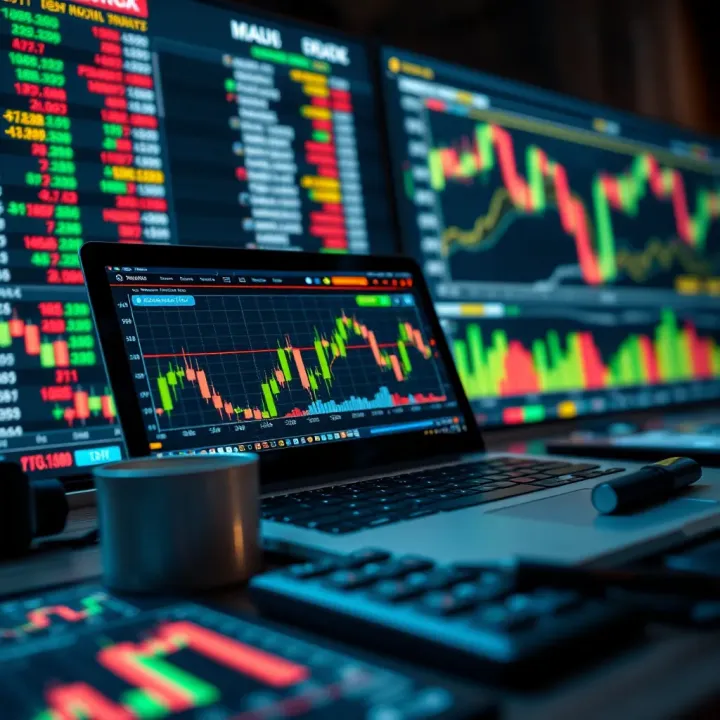
📈 Learn forex trading basics for Nigerian traders. Understand key terms, markets, strategies, risks, and essential tools to kickstart your trading journey today!
Based on 5 reviews