

Forex Trading Basics for Beginners in Nigeria
Learn the essentials of forex trading in Nigeria 🇳🇬. Discover key terms, strategies, risk tips, and how to pick a trustworthy broker to get started safely.
Edited By
Isabella Gray
Forex trading in Nigeria has grown steadily, attracting many who want to profit from currency movements. It simply involves buying and selling different currencies to earn from fluctuations in their exchange rates. For beginners, understanding this financial market is essential before risking real money.
Starting forex trading requires grasping key terms such as 'pip' (the smallest price move a currency can make), 'leverage' (borrowing funds to increase trading size), and 'spread' (the difference between buying and selling price). Knowing these basics helps you make informed decisions and avoid common mistakes.
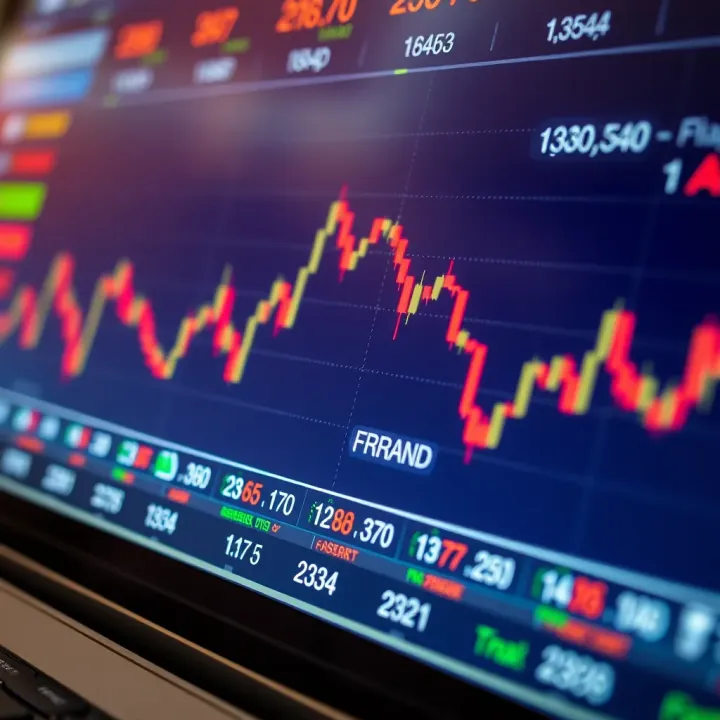
You don't need a lot of capital to start. Many Nigerian brokers and platforms allow trading with as little as ₦10,000. For example, OPay and other fintech firms offer user-friendly interfaces suited for beginners. Still, starting small and focusing on learning rather than quick profits is wiser.
Successful trading also depends on managing risk. Use stop-loss orders to limit potential losses on each trade. Avoid using high leverage without full understanding because it can multiply both gains and losses. Setting a budget for your trading activities and never risking money you can't afford to lose is crucial.
To trade safely:
Choose brokers regulated by credible bodies
Verify platform reviews from trusted Nigerian sources
Start on demo accounts to practise without financial risk
Remember, forex trading is not a shortcut to wealth. It involves discipline, patience, and continuous learning.
In this guide, you'll find practical steps for beginners in Nigeria to start forex trading smartly and confidently, including how to use platforms popular locally and tips to protect your investment. Whether you're a student, investor, or broker, this information will help you navigate Nigeria's growing forex market effectively.
Grasping what forex trading involves and why people are drawn to it is key before dipping your toes in. Many Nigerians see forex as an opportunity to grow their income due to Nigeria's fluctuating economy and the naira’s volatility against major global currencies.
Forex trading, simply put, is the buying and selling of currencies against each other. For instance, you might exchange Naira for US dollars if you expect the dollar to rise in value compared to the naira. Traders do this to make profits from changes in exchange rates. It works 24 hours across global markets, allowing for flexible trading times — a big advantage over traditional investments.
Nigerians are attracted to forex trading because it offers a chance to earn in stronger currencies amidst local inflation and economic challenges. Many also find the relatively low capital entry appealing — unlike opening a business which might require millions of naira upfront. Moreover, accessible online platforms and mobile apps, like those offered by Flutterwave or Paystack for payments, make linking local bank accounts for deposits and withdrawals easier.
Another draw is that forex trading can be done alongside regular jobs or business activities. For example, a barbing salon owner could trade forex in the evenings, supplementing daily incomes and spreading financial risk.
Unlike shares or real estate, forex is not about owning stock or property but about speculating on currency price movements. This means traders don’t receive dividends or rental income; profits come solely from making correct guesses on currency pair trends. Forex markets are highly liquid and often more volatile, sometimes changing prices within seconds. This quick movement can present fast gains or losses — this makes discipline and risk management vital.
Besides, forex trading doesn't require dealing with physical assets, so there's no need for storing or maintaining anything. Unlike fixed deposits or bonds with fixed returns, forex returns depend on market movements, offering both opportunities and risks.
Understanding these differences helps beginners set realistic expectations and choose the right strategies to succeed in forex trading.
Overall, knowing what forex trading really means and why it appeals to Nigerians lays the groundwork. It shapes how you approach trading decisions and manage your capital effectively in a challenging economy.
Grasping key concepts and terminology is essential for anyone starting forex trading in Nigeria. Without understanding the basics, it’s easy to get lost amid the jargon and fast-moving market. These terms offer a foundation, helping you make smarter decisions when you’re placing your trades or analysing market movements.
Forex trading always involves currency pairs. For instance, when you see USD/NGN, it means you’re trading the US dollar against the Nigerian naira. The first currency in the pair, USD here, is called the base currency, while the second, NGN, is the quote currency. The price tells you how much of the quote currency you need to buy one unit of the base currency. So, if the USD/NGN rate is 800, one US dollar costs 800 naira.
Understanding this distinction is crucial. Say you expect the naira to weaken against the dollar; you might buy USD/NGN aiming to profit when the exchange rate rises. Trading desktop platforms like MetaTrader 4 display these pairs clearly, but beginners need to be familiar with this setup before placing real trades.
In forex, a pip is the smallest price change you’ll often see in a currency pair. For example, if USD/NGN moves from 800.00 to 800.01, that 0.01 change is one pip. Measuring movements in pips helps quantify gains or losses.
A lot is the standard unit for trading quantity. A standard lot equals 100,000 units of the base currency, but many brokers offer mini or micro lots for beginners who want to trade small amounts, sometimes as low as 1,000 units. This flexibility is especially relevant in Nigeria where traders often start with limited capital.
Leverage lets you control a bigger trade size with a small deposit. For instance, 1:100 leverage means ₦10,000 can open a trade worth ₦1,000,000. However, leverage magnifies both profits and losses, so it must be used with care. Nigerian traders should pick brokers regulated by bodies like the Securities and Exchange Commission (SEC) Nigeria or the Central Bank of Nigeria (CBN) to ensure proper oversight.

Placing trades isn’t just about buying or selling instantly. Forex platforms offer different order types, each serving a purpose:
Market Order: Executes a trade at the current market price. Simple and immediate, suitable when you want to act fast.
Limit Order: Sets a specific price to buy or sell. The trade only happens if the market reaches this price, useful for entering at better levels.
Stop-Loss Order: Automatically closes your position to limit losses if the price moves against you. Crucial for risk management.
Take-Profit Order: Closes your trade automatically when it hits a target profit, helping secure earnings without watching the market constantly.
Knowing how to use these orders can save you from emotional decisions during market swings. For example, in a volatile naira market, setting a stop-loss protects your capital from sudden crashes.
Mastering these terms and concepts early will equip you with the tools to navigate forex trading confidently. It makes all the difference between random guesses and informed trading decisions.
Starting forex trading in Nigeria calls for deliberate steps to position yourself for success and avoid unnecessary losses. This section breaks down how to begin practically, from picking a trustworthy broker to handling your initial funds.
Choosing the right forex broker is crucial. Nigerian traders have to be wary of scams and unregulated outfits. Look for brokers licensed by respected bodies such as the Nigerian Securities and Exchange Commission (SEC) or international regulators like the FCA or CySEC. A reliable broker offers transparent pricing, quick execution of trades, and responsive customer support.
For example, brokers such as FXTM and XM are popular in Nigeria due to their regulatory compliance and decent local support. Also, check whether the broker offers access to platforms familiar to you, like MetaTrader 4 or MetaTrader 5. Avoid brokers urging you to deposit huge sums upfront or promising guaranteed profits — these are red flags.
Once you've picked a trusted broker, setting up a trading account is straightforward but requires careful attention. You will need to provide valid identification similar to how you open a bank account, usually a passport or national ID (NIN).
Most brokers offer 'demo accounts' where you can practise trading with virtual money. This gives you practical experience without risking your capital. It's like training before the real race. Spend enough time practising to understand how trades work, how spreads affect costs, and how to execute buy or sell orders efficiently.
Understanding how to fund your account is essential. Nigerian traders often use local bank transfers, USSD services, or fintech platforms like OPay and Flutterwave to deposit funds. Some brokers accept mobile money or even crypto payments, though these options may have varying reliability.
Minimum capital requirements vary but expect to start with at least ₦10,000 to ₦50,000, depending on the broker and account type. Start small; trading with an affordable amount helps limit risk while you learn the ropes. For instance, you can open a micro account that trades in small 'lots,' letting you control smaller amounts of currency.
Starting forex trading without a clear understanding of broker reliability, account setup, and deposit options can lead to quick losses. By taking deliberate steps in these areas, you build a foundation for more informed trading decisions.
Getting started the right way means you avoid common pitfalls early on. Choose reputable brokers, make use of demo accounts, and manage your capital wisely to grow your forex skill steadily.
Successful forex trading relies heavily on tools and platforms that offer reliability, ease of use, and accurate market information. For Nigerian traders, choosing the right software and staying updated with economic data can make the difference between profits and losses. Here we spotlight the main platforms and tools widely used in Nigeria.
MetaTrader 4 (MT4) and MetaTrader 5 (MT5) enjoy wide popularity in Nigeria due to their user-friendly interface and advanced functionalities. MT4 remains the favourite among beginners for its simplicity, ideal for those just starting with forex trading. It offers powerful charting tools, custom indicators, and Expert Advisors (EAs) to automate trades.
MT5, on the other hand, extends these capabilities by supporting more order types and offering an integrated economic calendar. It also allows access to other markets like stocks and futures, suiting traders seeking diversification beyond forex. Although MT5 is technically superior, many Nigerians still prefer MT4 because of lower resource requirements on mobile devices and slower internet connections, common challenges in Nigeria’s trading environment.
Choosing between MT4 and MT5 depends on your trading style and goals; beginners might start with MT4, while more experienced traders can explore MT5’s added features.
In Nigeria, mobile trading apps have become essential because many traders rely on smartphones. Apps from brokers like OPay, FXTM, and Alpari deliver real-time price updates and allow trade execution anywhere, whether you’re in Lagos traffic or at a mama put roadside.
These apps typically offer:
User-friendly design with simple navigation
Alerts and push notifications for important market movements
Access to account management features like deposits and withdrawals
Secure login via biometric options
The convenience of mobile trading means you can react swiftly to market changes without being stuck to a desktop. For Nigerians experiencing frequent power outages, mobile apps are a practical choice.
Economic calendars and news feeds provide crucial insights into events impacting currency prices. Nigerian traders benefit from tools like the integrated economic calendar on MT5 or third-party apps such as Investing.com.
An economic calendar lists upcoming activities like Central Bank of Nigeria (CBN) policy announcements, US Federal Reserve meetings, or employment figures. Nigerian naira traders closely watch CBN decisions on interest rates or foreign exchange interventions since these directly affect currency volatility.
News feeds deliver breaking developments — political unrest, trade disputes, or oil price changes — enabling traders to make informed decisions rather than relying on rumours or hearsay.
Staying updated through economic calendars and reliable news sources helps prevent surprises and aligns your trades with market realities.
By selecting the right platforms and using supportive tools, Nigerian forex traders can navigate the market with more confidence and control, turning strategy into results.
Forex trading can be lucrative, but it also carries significant risks, especially for beginners in Nigeria. Managing these risks and building discipline are key to surviving and thriving in the market. Without proper risk control, a single bad trade can wipe away days or even months of gains. Discipline ensures you stick to your strategy despite market swings or tempting emotions.
Risk management protects your capital and keeps you in the game longer. The forex market is highly volatile, meaning prices can change quickly — sometimes due to news like changes in Central Bank of Nigeria (CBN) policies or global economic events. To guard against big losses, traders set limits on how much capital they risk per trade, often between 1% and 3% of their account balance. For example, if you have ₦50,000 for trading, you shouldn't risk more than ₦500 to ₦1,500 on a single position.
Good risk management also involves diversifying your trades. Avoid putting all your money on one currency pair like USD/NGN alone; try combining it with pairs like EUR/USD or GBP/USD. This way, a sharp move in one pair won’t destroy your entire capital.
Stop loss and take profit orders are essential tools to control risk and lock in gains. A stop loss automatically closes your trade when losses reach a set point, preventing further damage. For instance, if you buy EUR/USD at 1.2000 and set a stop loss at 1.1900, the trade will close if the price drops to 1.1900, capping your loss.
Take profit works the same way but focuses on gains. It closes your trade when a target profit level is hit, helping you avoid losing potential returns if the market reverses. A well-placed take profit ensures you don’t get greedy, which is a common trap for new traders.
Both orders let you trade with a clear risk-to-reward ratio, for example, risking ₦500 to potentially earn ₦1,000. This approach balances profit-making and loss control.
A clear trading plan is your roadmap through the unpredictable forex market. It should outline your entry and exit criteria, the amount of capital to risk, and how you’ll analyse the market — technical or fundamental analysis or both. Write down your goals and strategies, just like a pilot follows a flight plan.
Crucially, stick to your plan. Many beginners jump in without discipline, chasing quick profits or reacting emotionally to losses, which usually leads to blowing their accounts. For example, if your plan says to trade only when the NGX index influences the USD/NGN pair, avoid acting on rumour or hearsay.
Discipline turns trading from a gamble into a calculated business. Manage risk, use orders wisely, and follow your plan; this will help you thrive in forex trading over time.
By focusing on these three risk and discipline pillars, Nigerian beginners can build a solid foundation for forex trading that withstands market ups and downs.
Many new forex traders in Nigeria enter the market excited but often fall into traps that can cause heavy losses. Avoiding these common mistakes is essential to protect your capital and build confidence. Recognising pitfalls like overtrading, ignoring analysis, and overlooking currency volatility can boost your chances of success.
Overtrading happens when traders place too many trades or increase position sizes beyond their strategy. This mistake often stems from impatience or the urge to quickly recover losses. For example, if a trader loses ₦20,000 on a position and then immediately jumps into bigger trades hoping to win fast, they risk blowing their account. Emotional decisions, such as chasing losses or trading after a big win without caution, disrupt discipline.
To avoid this, set clear trade limits and stick to your plan. Use stop loss orders to cap losses and take profit levels to lock in gains. Practising patience and controlling emotions prevents rash moves that could drain your account.
Some beginners rely solely on hot tips from social media or WhatsApp groups instead of making their own market study. While advice can offer ideas, blindly copying others without understanding the underlying market context is dangerous. For instance, acting on a tip to buy USD/NGN without considering global economic news or Nigeria’s import patterns can lead to losses.
Regularly study technical charts and economic data relevant to your currency pairs. Nigerian traders should especially watch indicators like CBN policies, oil prices, and global interest rates. Developing your analysis skills prevents overdependence on unreliable sources and helps you make informed decisions.
Currency values often swing dramatically due to factors like political events, inflation, and trade balances. Beginners who overlook these volatility drivers may be caught off guard by price shifts. For example, the naira can suddenly devalue after unexpected CBN foreign exchange policy changes or oil price shocks.
It is crucial to monitor economic calendars for indicators such as inflation reports, oil production updates, and presidential elections in Nigeria. These events influence currency volatility and can affect your trades. Managing exposure during volatile times with appropriate stop losses and smaller positions reduces risk.
Avoiding these common mistakes saves you from losing hard-earned ₦ and builds solid trading habits. Taking a disciplined approach and basing your trades on analysis, not emotions or rumours, gives you an edge in Nigeria’s vibrant forex market.
Overtrading beyond your plan
Letting emotions dictate trades
Blindly trusting tips without analysis
Ignoring economic indicators and currency volatility
Being mindful of these helps beginners navigate forex trading with greater resilience and better results.
Learn the essentials of forex trading in Nigeria 🇳🇬. Discover key terms, strategies, risk tips, and how to pick a trustworthy broker to get started safely.
📊 Discover practical steps and essential forex trading tips🎯 tailored for Nigerians🇳🇬. Learn risk management, strategies, and market basics today!
Learn forex trading basics, risk tips, and step-by-step guides tailored for Nigerians 🇳🇬. Master market moves & naira trends in 2023 with practical resources 📈💹.
Explore top forex brokers, Nigeria's trading rules, and key tips to trade wisely. Master the forex market with our easy, expert guide! 📊💹🇳🇬
Based on 13 reviews