
Basics of Forex Trading for Nigerian Beginners
💹 Explore forex trading basics in Nigeria: understand currency pairs, market players, strategies, and risk management for smarter investments! 📈
Edited By
Emily Foster
South Africa's forex market stands as one of Africa's most active, attracting investors from across the continent, including many Nigerians. For Nigerian traders, understanding this environment is key before venturing into cross-border forex trading.
The South African Reserve Bank (SARB) regulates forex activities, ensuring transparency and market integrity. This regulatory framework reduces risks often linked to unregulated brokers—a common pitfall Nigerian traders face locally. Traders should seek brokers authorised by the Financial Sector Conduct Authority (FSCA) in South Africa, as they comply with strict standards that protect client funds and ensure fair trading.
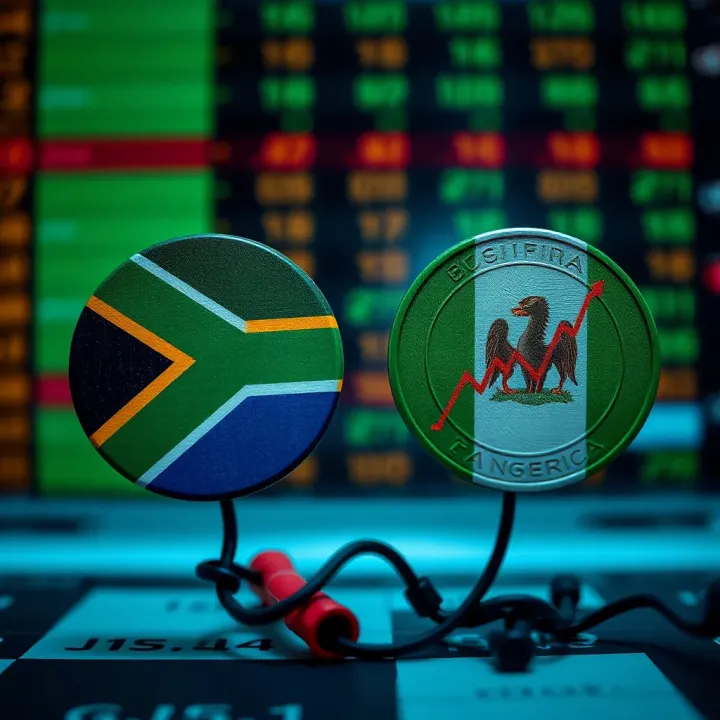
Popular trading platforms like MetaTrader 4 and 5 dominate South Africa, as well as local platforms connected to banks and fintech companies. Platforms such as Exness and IG also serve the region reliably, often offering better spreads and leverage compared to Nigerian counterparts. This can influence cost management and profitability for traders.
Accessing South Africa's market requires awareness of foreign exchange controls. While South Africa allows more liberal currency movement compared to Nigeria, it still enforces limits designed to control capital flight. Nigerian traders must plan fund transfers carefully, factoring in possible delays and charges imposed by banks.
Nigerian traders should not overlook the impact of exchange rate fluctuations between the Naira and South African Rand (ZAR), as these affect transaction costs and profit margins.
Additionally, political and economic events in South Africa, such as shifts in government policy or economic indicators like inflation and interest rates, can cause rapid forex market movements. Nigerian investors interested in South African currency pairs, such as USD/ZAR or ZAR/NGN, must monitor these closely.
In summary, Nigerian traders can benefit from South Africa’s relatively mature and well-regulated forex market as long as they choose authorised brokers, use reliable platforms, and remain aware of the financial controls and market volatility involved. Solid groundwork here will help navigate opportunities and minimise risks across regional forex trading.
South Africa stands as the biggest forex market in Africa, making it a notable hub for traders across the continent, including Nigeria. Understanding the dynamics of South Africa’s forex trading environment can give Nigerian traders practical insights into market liquidity, currency behaviour, and regulatory norms. This section breaks down the size and structure of the market and highlights currency pairs commonly traded, helping you navigate with greater confidence.
South Africa’s forex market is among the top 20 largest globally by trading volume, due mainly to Johannesburg’s role as a financial centre. It serves as the gateway for many African currencies and attracts investors seeking access to emerging market trends. For example, the South African rand (ZAR) frequently acts as a proxy for African assets, often influencing regional forex moves.
The liquidity available in South Africa’s market means tighter spreads and better price execution, which are critical for traders managing risk and costs. Nigerian traders can use this market not only to trade ZAR pairs but also to tap into cross-border currency flows between Africa and other continents.
The rand features in most key trading pairs in South Africa. The most active pair is USD/ZAR, reflecting dollar demand driven by trade and investment flows between the US and South Africa. Traders often watch USD/ZAR closely for unanticipated price swings linked to commodity prices or political developments.
Other significant pairs include EUR/ZAR and GBP/ZAR, which attract European investors and traders tracking currency trends against the rand. The South African environment also supports trading of ZAR against regional currencies, such as the Nigerian naira (NGN) and Egyptian pound (EGP), although these pairs generally have less liquidity.
In summary, the South African forex market offers Nigerian traders both depth and variety, with opportunities to trade globally recognised pairs and region-specific currencies. Knowing these key elements helps traders make informed choices on where to focus their attention and how to manage exposure effectively.
Understanding the regulatory framework is essential for Nigerian traders looking to enter South Africa's forex market. Regulation sets the ground rules, ensuring brokers operate fairly and traders' funds are safe. Without awareness of these rules, Nigerian investors might fall victim to scams or legal issues, especially when trading cross-border.
The Financial Sector Conduct Authority (FSCA) is South Africa's main watchdog for financial markets, including forex trading. It oversees the conduct of brokers, ensuring compliance with established standards. Like Nigeria's Securities and Exchange Commission (SEC), the FSCA enforces transparency and accountability. For example, the FSCA requires brokers to submit regular reports and adhere to strict operational guidelines.
A crucial role FSCA plays is protecting traders from broker misconduct such as price manipulation or misrepresentation. It investigates complaints promptly, offering traders a recourse in disputes. This supervisory presence builds confidence, especially for foreign traders like Nigerians, who want assurance their investments won't vanish overnight.
Forex brokers in South Africa must hold a valid licence from the FSCA before operating. This licence confirms that the broker meets capital adequacy, risk management, and business conduct standards. Unlike some unregulated brokers often found online, an FSCA-licensed broker has undergone scrutiny, reducing risks of fraud.
For example, well-known South African brokers such as IG Markets and Plus500 maintain FSCA licences. Nigerian traders should always check the broker’s registration status on the FSCA's public register before committing funds. Avoid platforms without proper licensing, as they might not follow consumer safeguards and could engage in unethical practices.
South Africa’s regulatory system includes strong consumer protection measures. Brokers must keep clients’ funds in segregated accounts, separate from operating capital. This prevents broker insolvency from wiping out trader deposits.
Additionally, brokers provide clear terms on leverage, margin calls, and risk warnings. These disclosures help traders understand the risks involved upfront. In the event of broker failure, the FSCA coordinates with the Financial Services Compensation Scheme to safeguard traders, although coverage limits apply.
For Nigerian traders, knowing these protections is key. It guides their choice of brokers and informs their risk management strategies when trading within or through South African platforms.
In summary, grasping the regulatory landscape around South Africa’s forex market adds a vital layer of security and confidence for Nigerian investors. Using FSCA-regulated brokers ensures a fair trading environment backed by legal protections—a crucial consideration when trading beyond Nigeria’s borders.
For Nigerian traders looking to tap into the South African forex market, understanding the available trading platforms and brokers is essential. The choice between locally regulated brokers and global platforms can affect everything from trading costs to security and ease of fund transfers. Knowing which brokers operate under the South African Financial Sector Conduct Authority (FSCA) regulation also means you benefit from strict oversight, which can reduce the risk of scams.
South Africa hosts a number of brokers regulated by the FSCA, offering Nigerian traders a level of trust and compliance not always guaranteed elsewhere. For example, CM Trading and HotForex are both popular FSCA-regulated platforms with strong local presence and competitive trading conditions. These brokers typically offer access to the South African rand (ZAR) as well as other major currencies, which can be advantageous for those interested in regional currency pairs.
With these brokers, Nigerian traders often enjoy tailored support for African clients, easier account funding in local currency, and faster withdrawals. Also, these brokers tend to provide solid risk management tools and educational resources, helping traders to sharpen their strategies. While their spreads and commissions may be slightly higher compared to some global platforms, the trade-off is in security and regulatory reassurance.
Nigerian investors also have access to global forex trading platforms that serve an international clientele but accept Nigerian users. Platforms like IG, Plus500, and XM are well-known for their extensive range of currency pairs, advanced trading tools, and user-friendly apps. These international brokers are usually regulated by top-tier authorities in Europe or Australia, offering another layer of safety.
These global platforms often come with tighter spreads, lower minimum deposits, and flexible leverage options, which appeal to traders with varying experience and capital sizes. However, it's important for Nigerian traders to consider currency conversion fees and the complexities of funding accounts in foreign currencies. Using Nigerian banks or fintech services like Paystack or Flutterwave can sometimes ease this process but may add indirect costs.
Choosing between local South African brokers and global platforms requires balancing regulatory confidence, trading conditions, and operational convenience. Nigerian traders should assess their risk appetite and priorities carefully before committing.
In summary, both locally regulated brokers in South Africa and global platforms have unique advantages for Nigerian traders. Locally regulated brokers provide closer ties to the South African market with regulated protection, while global platforms offer broader asset options and lower costs. Traders must weigh these factors in the context of their trading goals, capital, and ability to manage cross-border transactions effectively.
Understanding the differences and similarities between South African and Nigerian forex markets helps Nigerian traders make informed decisions when accessing South African platforms. This comparison highlights practical factors like regulatory frameworks, market accessibility, and trading conditions, which directly impact profitability and risk management.
South Africa's forex market is regulated by the Financial Sector Conduct Authority (FSCA), which enforces strict rules on brokers, ensuring transparency and trader protection. Nigerian traders, in contrast, operate under the oversight of the Securities and Exchange Commission (SEC) and the Central Bank of Nigeria (CBN), institutions with different regulatory scopes and practices. For example, FSCA-regulated brokers are required to segregate client funds and submit regular audits, a standard that is still developing in Nigeria’s forex sector.
Besides regulation, market access differs. South African brokers tend to offer a wider variety of local currency pairs involving the South African rand (ZAR), which Nigerian traders might not find on Nigerian platforms. For instance, a trader looking to speculate on ZAR/USD or ZAR/EUR pairs will find better liquidity and tighter spreads on South African platforms. However, South Africa also maintains capital controls that might limit the amounts foreign traders move in and out of the country, unlike Nigeria's forex market, which faces different foreign exchange restrictions influenced by CBN policies.
Nigerian traders can benefit from South Africa’s more mature market infrastructure, better broker regulation, and access to diversified currency pairs. Also, South African platforms often integrate advanced trading tools and faster execution speeds that can improve trade outcomes.
Still, challenges remain. Currency risk is significant since Nigerian traders operate primarily in naira (₦) but trade pairs quoted in rand or US dollars. Currency fluctuations can erode profits or inflate losses, especially when transferring funds for deposits or withdrawals. For example, sudden naira depreciation against the dollar can increase the naira cost to fund a South African trading account.
Legal differences also pose hurdles. Nigerian traders must understand tax obligations in both countries to avoid double taxation or compliance issues. Transferring funds internationally may attract fees or regulatory scrutiny, adding to trading costs.
Nigerian traders should weigh these factors carefully, balancing the advantages of South Africa’s forex market with practical hurdles like currency risk and regulatory nuances.
In sum, comparing these forex trading environments spotlights key considerations that help Nigerian investors gauge how best to approach South African platforms while managing risks effectively.
Nigerian traders eyeing South African forex platforms must understand the practical steps involved to trade effectively and safely. Knowing how to open and fund accounts, manage currency risks, and navigate legal requirements can save you from unexpected losses and headaches. These tips help you harness opportunities in South Africa’s forex market while managing the distinct challenges of cross-border trading.
The first step is to choose a South African broker regulated by the Financial Sector Conduct Authority (FSCA). Brokers like HotForex and IG often accept Nigerian clients, but confirmation is necessary. When opening an account, you’ll typically provide identification (passport, national ID) and proof of residence.
Funding your account can be tricky because South African brokers may not directly accept Nigerian bank transfers. One workaround is using international payment methods such as Skrill, Neteller, or approved credit/debit cards. Alternatively, you could fund your account through US Dollar or Rand wallets linked to your Nigerian bank, provided the broker supports multi-currency accounts.
Note that verifying your account can take several days, so plan your first deposit accordingly to avoid missing trading opportunities.
Since you’ll be funding your account from Nigeria in Naira (₦) and trading in Rand (ZAR) or US Dollar (USD), forex risk on transfers is a real concern. Currency fluctuations between the Naira and the Rand can impact your capital before you even start trading.
To minimise this risk, consider the following:
Use multi-currency wallets where possible to hold funds in USD or ZAR and convert only when necessary.
Monitor CBN exchange rates and official offshore limits to avoid penalties for unauthorised forex transactions.
Compare transfer fees across platforms; local banks can charge more than fintech companies such as Paystack or Flutterwave, which sometimes support international transfers.
Trading on South African platforms means you must comply not only with Nigerian law but also with South African regulations. In Nigeria, any income from forex trading abroad remains taxable under FIRS guidelines. Keeping accurate records of your trades and gains is critical for filing tax returns and avoiding trouble.
At the same time, South African tax rules may affect you if the broker withholds taxes on your earnings. Confirm this with your broker upfront.
Finally, ensure that your trading activity does not violate any Central Bank of Nigeria (CBN) directives on forex transactions. Using official channels and declared accounts reduces the risk of frozen funds or regulatory penalties.
By following these tips closely, you stand to benefit fully from the South African forex market while keeping your trades compliant and cost-effective. Remember: good preparation beats hasty decisions in trading.
💹 Explore forex trading basics in Nigeria: understand currency pairs, market players, strategies, and risk management for smarter investments! 📈
Explore how Nigerian investors can benefit from forex trading 🌍. Learn about its high liquidity, market access, flexibility, and what sets it apart from other investments 📈.
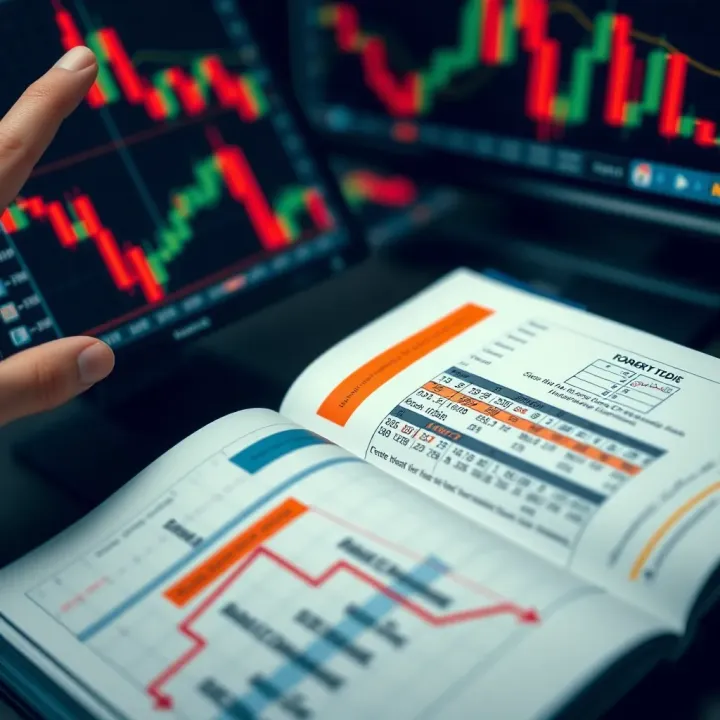
📘 Find the best forex trading book for your level with our practical guide. Learn what to look for and boost your trading skills effectively today!
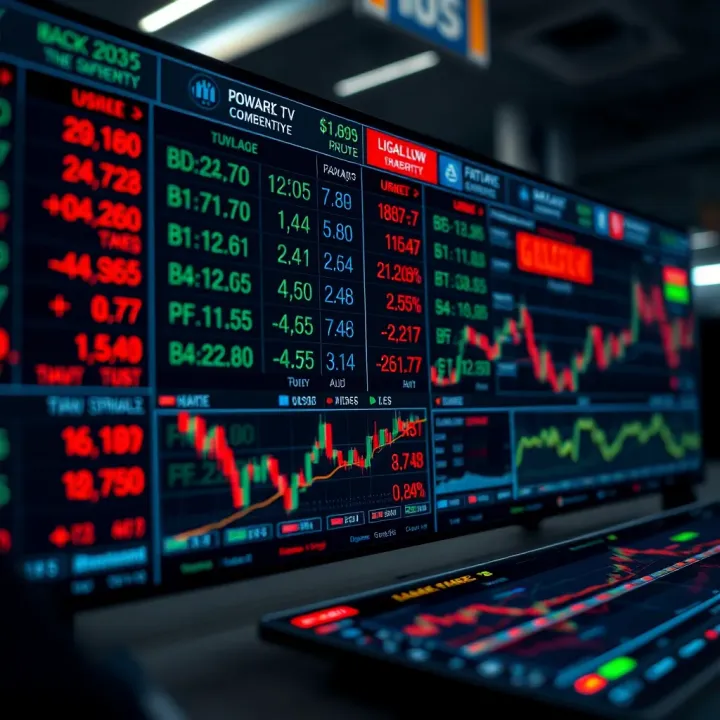
Explore top forex brokers, Nigeria's trading rules, and key tips to trade wisely. Master the forex market with our easy, expert guide! 📊💹🇳🇬
Based on 12 reviews