
Basics of Forex Trading for Nigerian Beginners
💹 Explore forex trading basics in Nigeria: understand currency pairs, market players, strategies, and risk management for smarter investments! 📈
Edited By
Edward Clarke
Forex trading has gained significant traction across Africa, with South Africa standing out as one of the most active and regulated markets on the continent. For Nigerian traders, understanding how the South African foreign exchange market operates can open new opportunities, especially with the rand (ZAR) being a major currency in Africa.
Trading forex in South Africa differs from Nigeria in several ways, primarily due to regulations, broker availability, and market liquidity. The South African Reserve Bank (SARB) and the Financial Sector Conduct Authority (FSCA) enforce strict guidelines to protect traders and ensure transparency. This makes the market attractive for Nigerians seeking a well-regulated environment where brokers are licensed and clients’ funds are safeguarded.
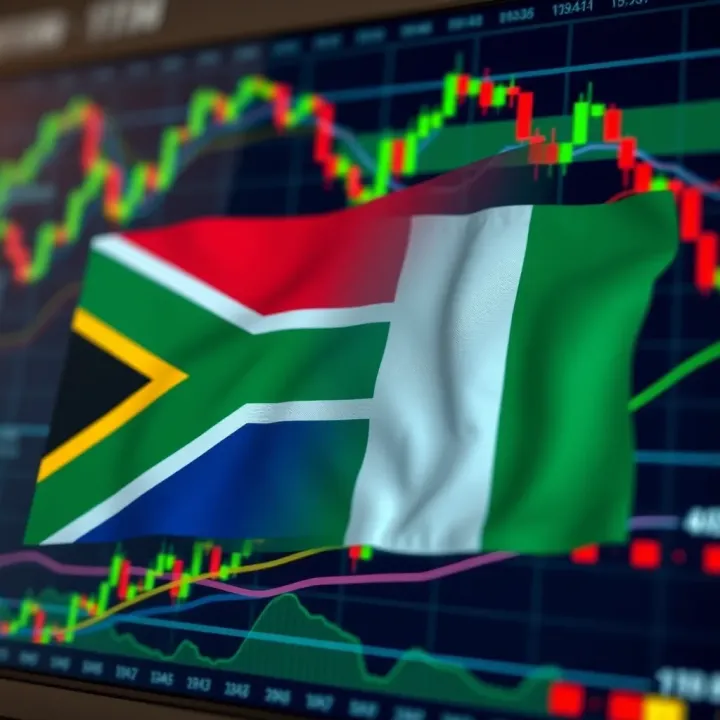
Many South African brokers such as Pepperstone, ThinkMarkets, and IG Group accept Nigerian clients and offer accounts denominated in naira or US dollars, providing flexibility. These brokers typically provide access to not only major currency pairs but also African currencies, commodities, and indices. For instance, a Nigerian trader can pair the naira with the rand or include commodities like gold and platinum, which are vital to South Africa’s economy.
Nigerian traders should be aware of some practical considerations when engaging with South African brokers:
Verification requirements: Expect to provide identification documents including BVN and proof of residence to comply with KYC (Know Your Customer) regulations.
Funding methods: While bank transfers are common, several platforms accept digital wallets like Paystack or Flutterwave, easing deposit and withdrawal processes across borders.
Currency fluctuations: Since both the rand and naira can be volatile, traders must monitor exchange rates closely to manage risk effectively.
Understanding the South African forex market is not just about access but also risk management. Leveraging tools like stop-loss orders and being mindful of geopolitical developments in both Nigeria and South Africa can improve trading outcomes.
Navigating forex between Nigeria and South Africa requires sound knowledge of market rules, broker details, and currency dynamics to succeed without unnecessary exposure.
This guide aims to equip Nigerian traders with the essential knowledge needed to confidently participate in South Africa’s forex market, ensuring informed decision-making and practical strategies tailored to the unique cross-border trading environment.
Understanding forex trading in South Africa is essential for Nigerian traders seeking new opportunities beyond local markets. South Africa stands as the continent’s largest and most developed forex hub, offering access to a broad range of currency pairs and a mature trading environment. This overview highlights market dynamics, participants, and operating hours, equipping you with the necessary knowledge to navigate cross-border trading efficiently.
South Africa plays a dominant role in Africa’s forex market due to its robust financial infrastructure and liberalised foreign exchange regime. Johannesburg, as a financial centre, attracts both local and international traders, making the South African rand (ZAR) one of the continent’s most traded currencies. Nigerian traders benefit from this because of the availability of diverse instruments and liquidity, which reduce the risk of experiencing price gaps or slippage during trades.
Currency pairs involving the ZAR are particularly popular, such as USD/ZAR and EUR/ZAR, reflecting the country’s significant trade relations with the United States and Europe. Besides ZAR pairs, major pairs like USD/NGN are also accessible through South African brokers, often with better spreads. This makes it practical for Nigerian traders to diversify their forex portfolio by including both global and African currencies within one trading platform.
The South African forex market comprises retail traders, institutional investors, commercial banks, and hedge funds. Retail traders in South Africa tend to engage actively using online platforms that connect them to global market liquidity pools. Institutional players, on the other hand, execute large-volume trades that affect liquidity and volatility, factors Nigerian traders should watch closely for timing their entries and exits.
Trading hours in South Africa typically run from 9 am to 5 pm local time (WAT +1), overlapping partly with Nigerian trading hours. This overlap is favourable as it allows Nigerian traders to participate in active sessions without having to adjust drastically for time differences. For example, the London session overlaps with both Johannesburg and Lagos markets, offering ample liquidity opportunities. This synchronisation helps Nigerian traders execute trades during optimal market conditions, improving the chances of profitable outcomes.
Traders who understand South Africa’s market size and trading hours position themselves to take advantage of price movements in ZAR currency pairs while managing risks effectively.
South Africa’s forex market operates under a robust regulatory framework that ensures transparency and safeguards traders. For Nigerian traders interested in this space, understanding these rules is vital to avoid risks linked to unregulated brokers or fraud. The framework mainly revolves around the Financial Sector Conduct Authority (FSCA), which monitors the conduct of forex brokers and enforces strict compliance.
Regulations Impacting Brokers
The FSCA requires all forex brokers operating within South Africa to hold valid licences and meet minimum capital requirements. This licensing process assesses brokers’ financial health, operational procedures, and risk management practices. For instance, brokers must submit regular audits and disclose business practices to maintain transparency.
This means Nigerian traders can trust FSCA-regulated brokers to adhere to fair trading practices and proper fund segregation. Brokers operating without FSCA approval risk penalties and closure, so clients’ funds are better protected against sudden losses or scams.
Consumer Protection Measures
The FSCA also imposes rules to protect consumers, such as mandatory disclosure of trading risks and restrictions on marketing forex as quick wealth schemes. Investors must have access to clear contract notes and complaint resolution mechanisms. These protections work to prevent exploitative behaviour common in some unregulated markets.
For Nigerian traders, this offers an extra layer of confidence. In cases of disputes or problems, clients can report brokers to the FSCA, which investigates misconduct and enforces corrective actions. This regulatory backing reduces the chances of falling prey to unscrupulous operators.
Key Differences in Licensing and Oversight
While South Africa’s FSCA oversees broker licensing and market conduct, Nigeria relies on multiple bodies, including the Securities and Exchange Commission (SEC) and Central Bank of Nigeria (CBN). Nigerian regulations often require brokers to register locally with the SEC, but enforcement can be uneven. Moreover, Nigeria has less stringent capital and disclosure requirements compared to the FSCA.
This difference means South African brokers under FSCA supervision generally face tighter scrutiny than some Nigerian counterparts. The deeper regulatory focus on broker conduct and client fund protection in South Africa contrasts with Nigeria’s more fragmented oversight.
Implications for Nigerian Traders Engaging with South African Brokers
For Nigerian traders, engaging with FSCA-regulated South African brokers offers a safer environment. The clear licensing standards and consumer protection measures mean Nigerian traders gain access to brokers bound by transparent rules and complaint mechanisms.
However, traders must ensure that brokers comply with both South African and Nigerian laws, particularly regarding fund transfers and taxation. Understanding these regulatory differences helps avoid legal pitfalls and improves trading security.
When selecting a broker, Nigerian traders should prioritise those regulated by the FSCA as this assures compliance with one of Africa's toughest financial watchdogs.
This regulatory knowledge equips Nigerian traders with a realistic picture of the South African forex market’s safety and professionalism. Such insight is crucial before committing funds or choosing a trading partner across borders.
Choosing a forex broker in South Africa is a critical step for Nigerian traders looking to tap into the dynamic South African market. The right broker not only provides access to reliable trading platforms but also ensures regulatory safety, competitive pricing, and smooth fund transfers. Picking a broker that fits your trading style, budget, and compliance needs can make the difference between steady profits and unnecessary risks.
One of the main factors to check is whether the broker is regulated by the Financial Sector Conduct Authority (FSCA). This guarantees a level of oversight that protects your investment by enforcing rules against fraud and malpractice. Nigerian traders dealing with unregulated brokers may face challenges recovering funds if anything goes wrong. A broker with a solid track record over several years in the South African market also signals stability and trustworthiness.
Different brokers provide various trading platforms such as MetaTrader 4 (MT4), MetaTrader 5 (MT5), or their proprietary software. Nigerians need to watch out for platforms that offer smooth user experience, fast execution, and useful analytical tools. Features like real-time charts, economic calendars, and risk management tools can improve your trading decisions and efficiency. For example, a trader focusing on technical analysis may rely heavily on advanced charting functions available on MT5.
Brokers commonly offer multiple account types catering to beginners and experienced traders. Nigerian traders should consider brokers with reasonable minimum deposits that suit their budget, especially since forex trading involves risks. Some brokers allow accounts with as little as ₦20,000, ideal for testing the waters. Also, check if account types provide leverage options or spreads favourable to your strategy.
South African brokers regulated by FSCA follow strict guidelines, including capital adequacy and client fund segregation. Examples include CMTrading and Hot Forex South Africa. Nigerian traders benefit from such brokers as they comply with local laws, offer ZAR-denominated accounts, and often support local payment methods, simplifying fund transfers and withdrawals.
Several large international brokers also operate in South Africa and accept Nigerian clients. Brokers like XM, ForexTime (FXTM), and AvaTrade are prominent examples. They often provide a wider range of currency pairs and global market access. However, verifying their local licensing or their ability to offer smooth transfers to Nigeria is essential before committing.
Funding your forex account can be challenging if the options do not suit Nigerian banking realities. Many brokers now accept Nigerian bank transfers, mobile money, or USSD payment methods, allowing traders to fund accounts with the naira. E-wallets like Skrill or Neteller are also popular, providing fast deposits and withdrawals without exposing bank details.
Since traders often need to convert ₦ to ZAR or USD, understanding conversion rates and fees is crucial. High transfer fees or poor exchange rates can eat into profits. Services like Flutterwave or Paystack integrated with brokers can reduce such costs. Additionally, comparing the fee structures of different brokers beforehand can help you pick the most cost-effective option.
Selecting the right forex broker in South Africa involves weighing regulation, platform quality, account offerings, and payment solutions. For Nigerian traders, aligning these factors with local financial realities ensures a smoother and safer trading experience.
Traders seeking to profit from forex in South Africa need strategies tailored to the unique behaviour of ZAR pairs and the region’s economic dynamics. Unlike global majors like the EUR/USD, the South African rand responds sharply to commodity prices and local political developments. Therefore, both technical and fundamental approaches offer complementary insights. Applying the right mix helps Nigerian traders spot opportunities and avoid costly errors.
The South African rand’s value often moves with shifts in commodity markets — notably gold, platinum, and oil — as these drive the country’s export revenue. For example, rising gold prices tend to strengthen the rand, while a plunge can trigger weakness. Nigerian traders should also watch the South African Reserve Bank’s interest rate decisions closely; a surprise hike typically bolsters the ZAR against other currencies.
Inflation figures, GDP growth rates, and unemployment data stand as key fundamental indicators. For instance, a spike in inflation beyond the central bank’s target range might prompt tighter monetary policy, causing currency appreciation. Conversely, political uncertainties or strikes in mining sectors can pressure the rand downward. Combining these economic signals aids in predicting medium- to long-term trends rather than quick hits.
Technical analysis remains vital for short-term trading. Commonly used tools include moving averages to identify trends, Relative Strength Index (RSI) for momentum, and Fibonacci retracements for spotting pullbacks. For example, when the ZAR/USD pair bounces off a 50-day moving average and RSI shows oversold conditions, it may signal a favourable entry point.
Pattern recognition such as head and shoulders, double tops, and triangles also guide traders in predicting breakouts or reversals. South African forex markets demonstrate clear responses to these patterns due to their volatility. However, traders must be cautious during major news releases, as technical signals may temporarily mislead.
Managing risk is vital when trading ZAR pairs, given their sometimes erratic swings. Stop-loss orders help limit losses by automatically closing positions once the price hits a predefined level. For instance, if you enter a ZAR/USD long at 0.0650, setting a stop-loss at 0.0630 prevents excessive damage if the market turns.
Take-profit orders lock in gains by closing trades when a target price is reached. Nigerian traders should balance these to avoid closing too early and missing bigger moves or risking too much by setting stops too far. Frequent review based on market volatility, especially around South African economic releases, improves effectiveness.
Position sizing controls how much capital is risked on each trade. Given Nigerians often transfer funds across borders, exchange rate fluctuations and transfer costs add to risks. A practical rule is risking no more than 1–2% of trading capital per position. For example, with ₦500,000 allocated, risking ₦5,000 to ₦10,000 per trade allows staying in the game longer despite occasional losses.
Additionally, leveraging modestly is wise. Overleveraging magnifies both profits and losses, making it unsuitable for traders converting from naira to rand. Adjusting position sizes to account for pip value changes between currencies also avoids unintended exposure. Careful sizing combined with diligent stop-loss placement builds a sound foundation for sustainable trading.
Successful trading in South Africa's forex market requires blending solid fundamental understanding with sharp technical skills, wrapped in disciplined risk management. Nigerian traders who heed these factors stand better chance of turning the volatile market to their advantage.
Trading forex across borders introduces unique risks and challenges, especially when Nigerian traders engage with the South African market. Understanding these pitfalls helps you avoid costly mistakes and navigate the complicated terrain of foreign exchange trading more effectively. Beyond the typical trading risks, there are factors rooted in currency dynamics and regulatory environments to consider.
The South African rand (ZAR) is closely tied to global commodity prices because South Africa is a major exporter of minerals like gold, platinum, and diamonds. When prices of these commodities fall sharply, the rand generally weakens against other currencies including the Nigerian naira (₦). For example, a slump in gold prices could cause sudden fluctuations in ZAR/USD or ZAR/₦ pairs, impacting your trade positions unexpectedly.
This makes commodity price trends a crucial focus for Nigerian traders looking to trade ZAR currency pairs. Monitoring reports on commodity markets and mining sector data helps anticipate moves in the rand’s value. For instance, during periods when platinum prices climb due to supply shortages, the rand often strengthens, presenting trading opportunities.
Global financial news also shapes forex rates in South Africa. Events like US Federal Reserve rate changes, geopolitical tensions, or shifts in emerging market investor sentiment ripple through forex markets worldwide. South African currency pairs can react sharply to these events, and Nigerian traders must stay updated on such developments to make timely decisions.
For example, when the US Federal Reserve hints at tightening monetary policy, emerging market currencies such as the rand may weaken as investors pull capital to the US. Knowing when such shifts occur allows you to manage open trades or hedge possible losses.
Currency conversion from naira to rand is not straightforward. Due to foreign exchange controls and limited direct forex corridors between Nigeria and South Africa, converting ₦ to ZAR often requires multiple currency exchanges, usually ₦ to US dollars then to ZAR. This adds extra transaction costs and delays settlement times, impacting trade execution speed and profitability.
Besides conversion costs, you face restrictions from both Nigerian and South African banking regulations. Nigeria’s forex controls limit local banks from freely sending large sums abroad without appropriate justification and documentation. On the South African side, the Financial Sector Conduct Authority (FSCA) imposes compliance obligations for incoming foreign funds.
Cross-border payment restrictions also complicate matters. Nigerian traders may find it difficult to fund their trading accounts directly with South African brokers using naira-denominated payment methods. This often forces reliance on fintech platforms or international payment solutions like PayPal or Skrill, which come with their own fees and limits.
Nigerian forex traders should prepare for these hurdles by planning ahead: using reputable fintech services for transfers, verifying broker compliance, and factoring in extra costs related to currency conversion and cross-border payments.
In summary, understanding the volatile nature of ZAR influenced by commodity prices and global events, alongside the legal and operational barriers in moving funds between Nigeria and South Africa, is critical. Proper preparation and awareness can help you protect your capital and seize trading opportunities in the South African forex market effectively.
Trading forex in South Africa presents an opportunity for Nigerian traders to diversify their investment portfolios and tap into a market regulated by the Financial Sector Conduct Authority (FSCA). Starting properly involves understanding the practical steps such as account setup, fund transfer logistics, and regulatory compliance. This section provides clear guidance to help Nigerians navigate these crucial areas.
Required identification and documentation: South African brokers usually require valid identity proof like a passport or national ID, proof of residence such as a utility bill dated within the last three months, and sometimes source of funds documentation. Nigerian traders must prepare these documents in advance to avoid delays. This identification process ensures the broker complies with anti-money laundering (AML) laws and keeps the trading environment secure.
Verifying accounts and complying with KYC: Know Your Customer (KYC) checks form the backbone of compliance. Once you submit documents, brokers verify authenticity and may ask for selfies or video calls to confirm identity. Completing KYC promptly speeds up account activation and access to platform features like deposit and withdrawal. Failure to comply can lead to frozen funds or account suspension, so Nigerian traders should take this requirement seriously, especially when working across borders.
Using fintech services for cross-border payments: Traditional bank transfers to South African brokers often come with high fees and slow processing times. Fintech platforms such as Paystack, Flutterwave, or OPay provide quicker, often cheaper alternatives to send funds internationally. These platforms support Naira-to-Rand conversions with competitive rates and reduce the need for multiple intermediaries, speeding up access to funds for trading.
Minimising currency conversion costs: Currency conversion can eat into your trading capital. To minimise these costs, use forex brokers that accept direct Naira deposits or partner with payment services offering favourable exchange rates. Sometimes opening a multi-currency account that holds Rand and Naira separately can also reduce conversion fees. Comparing options before funding your account pays off, protecting more of your capital for actual trading.
Tax considerations and reporting obligations: Nigerian traders must report forex trading gains to the Federal Inland Revenue Service (FIRS) and may be liable for Capital Gains Tax (CGT) or Personal Income Tax on profits. Similarly, South African tax laws require reporting forex income if categorized as a source of income within the country. Keeping proper records of trades, deposits, and withdrawals is essential to avoid penalties and confusion during tax filing.
Recognising illegal or unregulated brokers: One of the biggest risks is falling victim to brokers without proper FSCA regulation, which increases chances of fraud or fund mismanagement. Nigerian traders should verify that brokers are licensed on the FSCA official list and avoid offers that sound too good to be true. Checking for transparent contact details, clear fee structures, and positive independent reviews helps filter legitimate brokers from shady operators.
Starting forex trading in South Africa requires attention to detail in documentation, payments, and compliance. Taking these steps seriously will help Nigerian traders protect their funds and trade confidently in a regulated environment.
💹 Explore forex trading basics in Nigeria: understand currency pairs, market players, strategies, and risk management for smarter investments! 📈
Explore how Nigerian investors can benefit from forex trading 🌍. Learn about its high liquidity, market access, flexibility, and what sets it apart from other investments 📈.
📊 Discover top forex trading indicators used by Nigerian traders for smart market analysis! Learn to combine tools & manage risks effectively.
Discover key benefits of forex trading—easy market access, high liquidity, and flexible risk options—ideal for Nigerian investors interested in financial markets 📈💹
Based on 13 reviews