
Basics of Forex Trading for Nigerian Beginners
💹 Explore forex trading basics in Nigeria: understand currency pairs, market players, strategies, and risk management for smarter investments! 📈
Edited By
Isabella Murray
Forex trading, or foreign exchange trading, is where currencies are bought and sold. In Nigeria, it's become a popular side hustle for investors looking to grow their ₦ efficiently outside the stock market or real estate. But how does this market actually function?
At its core, the forex market is a global, decentralised network where currencies from across the world are exchanged. Unlike the Nigerian Stock Exchange (NGX) with physical locations, forex operates 24 hours daily through electronic platforms that connect banks, brokers, and individual traders.
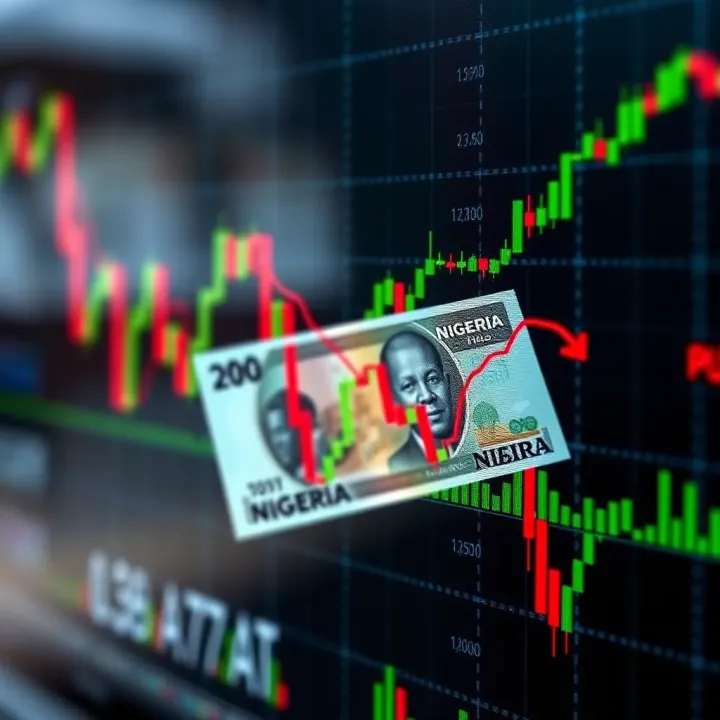
Currency pairs are the fundamental building blocks here. When you trade forex, you’re always dealing with pairs like USD/NGN, GBP/USD, or EUR/USD. The first currency is the base, and the second is the quote. For example, if the USD/NGN pair is trading at ₦460, it means ₦460 is needed to buy one US dollar. This dynamic price changes constantly, influenced by economic reports, geopolitical events, and daily market demand.
Brokers act as middlemen between you and the vast forex market. Platforms like Oanda, FXTM, or local ones regulated by the Central Bank of Nigeria (CBN) offer access to trades, charting tools, and leverage. Leverage lets you control larger amounts with smaller investments, but it also amplifies risk – a point no trader should overlook.
Understanding risk is vital in forex trading. Volatility can mean quick profits but also swift losses. Nigerian traders should always use stop-loss orders and manage position sizes carefully to protect capital.
Getting started requires opening an account with a reputable broker that supports Nigerian traders, funding it in naira or other currencies, and practising on demo accounts before trading live. Tracking news, following market hours relevant to your pairs, and studying trading strategies are essential for success.
To summarise, forex trading is about exchanging currencies using currency pairs, relying on brokers for access, and navigating risks wisely. For Nigerians, this market offers a way to earn extra income, but it demands patience, discipline, and a clear grasp of how it operates.
Knowing the fundamentals of forex trading is essential for anyone in Nigeria looking to navigate this dynamic market effectively. Forex, or foreign exchange, involves exchanging one currency for another, and getting a grip on the basics helps avoid common pitfalls, manage risks, and spot opportunities for profit. Imagine you’re a trader in Lagos watching the naira-dollar rate; understanding how these rates move and why they fluctuate can make all the difference between winning and losing on your trades.
Definition and scope: Forex trading is the buying and selling of currencies with the aim of making profit from changes in exchange rates. It is the largest financial market worldwide, with a daily turnover exceeding US$6 trillion. This vast scope means traders in Nigeria can access a wide range of currency pairs, from popular majors like USD/NGN to more exotic ones involving African or emerging market currencies.
Global nature and market hours: Unlike the Nigerian Stock Exchange which operates fixed hours, the forex market runs 24 hours a day across different time zones. Trading starts in Asia, moves to Europe, then ends in the US, before starting over again. This round-the-clock schedule allows Nigerian traders the flexibility to trade outside regular work hours, but also means they must stay alert to global events happening at any time that could affect currency values.
Central banks and governments: Central banks, like the Central Bank of Nigeria (CBN), play a big role by influencing currency value through monetary policies such as interest rate changes or foreign reserves management. For instance, when the CBN adjusts its intervention in the FX market, it can stabilise or destabilise the naira, impacting forex traders directly.
Commercial banks and financial institutions: These entities act as major market makers and facilitate the bulk of forex transactions. Nigerian banks often provide forex liquidity for corporate clients and retail traders. Their pricing and risk management strategies affect spreads and availability of currency pairs, shaping trading conditions for the average individual.
Retail traders and brokers: In Nigeria, individual traders have found forex as an accessible investment avenue thanks to online brokers, many of which offer platforms tailored for Nigerian users. Brokers serve as intermediaries, providing market access, platforms, and sometimes educational resources. Choosing a regulated broker ensures your funds are safe and trading conditions are fair.
Understanding these players helps you see where your trade fits within the bigger picture and why market movements occur. It sharpens your ability to interpret market signals and plan your trades better.
Starting with a solid grasp of these basics not only builds confidence but also guards against the common traps many beginner traders fall into. Whether you’re testing strategies or managing real money, this foundation anchors your forex journey in Nigeria on practical, informed grounds.
Understanding currency pairs and exchange rates is central to forex trading. Since trading involves buying one currency and selling another simultaneously, knowing how these pairs function helps Nigerian traders make informed decisions. Exchange rates indicate how much of a quote currency you need to buy one unit of the base currency, guiding when to enter or exit trades.
Currency pairs consist of two currencies: the base currency and the quote currency. The base currency is the first one listed, while the quote currency shows how much of that currency you need to buy one unit of the base. For example, in USD/NGN, USD is the base, and NGN (Nigerian naira) is the quote currency. If the exchange rate is 750, it means ₦750 buys 1 US dollar. Knowing which currency you’re buying or selling clarifies your position in the market and potential profit or loss.
Traders often focus on major, minor, and exotic currency pairs. Major pairs involve the most traded currencies globally, like USD/EUR, GBP/USD, or USD/JPY, offering high liquidity and tighter spreads, making them less costly to trade. Minor pairs exclude the US dollar but include other strong currencies, such as EUR/GBP or AUD/NZD. Exotic pairs include a major currency paired with a less common one, like USD/NGN or EUR/ZAR. Exotic pairs tend to have wider spreads and higher volatility but can provide opportunities when local economic events impact those currencies directly.
Economic indicators drive much of the movement in exchange rates. Data such as Nigeria’s inflation rate, GDP growth, employment numbers, and trade balances influence the naira’s value against other currencies. For example, if Nigeria’s inflation rate spikes unexpectedly, the Central Bank of Nigeria (CBN) might adjust interest rates, impacting naira strength. Traders watch these indicators closely to anticipate currency appreciation or depreciation.
Political events and announcements also play a significant role. Elections, policy changes, or instability can cause sudden currency shifts. For instance, a new government signalling economic reforms or foreign investment attraction might boost confidence in the naira. Conversely, political unrest or delays in subsidy payments could weaken it. These events create both risks and opportunities for forex traders who react quickly.
Market sentiment and speculation add another layer of complexity. Traders’ perceptions, rumours, or herd behaviour can cause price swings that don’t always align immediately with fundamentals. Suppose market participants expect the CBN to intervene in the forex market; such speculation can prompt increased activity in USD/NGN even before official announcements. Understanding this helps traders avoid being caught on the wrong side during volatile periods.
Remember: For Nigerian traders, grasping how currency pairs work and what affects exchange rates is not just academic. It directly influences your strategy for buying or selling currencies and managing risks effectively in a fast-moving market.
This knowledge helps you navigate the forex market with confidence, tailoring your trades to both global trends and local economic realities.
Opening a forex trading account is the first practical step for anyone ready to engage in foreign exchange trading in Nigeria. This account acts as your gateway to the global forex market, allowing you to buy and sell currency pairs through a broker. Selecting the right account and broker is crucial because it impacts your trading experience, costs, and potential earnings.
Regulation is non-negotiable when choosing a forex broker. For Nigerian traders, confirming that the broker holds licences from reputable authorities like the Financial Conduct Authority (FCA) in the UK or the Cyprus Securities and Exchange Commission (CySEC) offers extra security. Although the Central Bank of Nigeria (CBN) does not directly regulate forex brokers, Nigerian traders should always avoid unlicensed brokers to prevent falling into scams or unsafe trading conditions.
A practical example is ensuring your broker is listed by known regulators. Brokers without proper regulation often promise high leverage and low spreads but can suddenly block withdrawals or vanish. Therefore, a broker with clear regulation provides some legal protection and assures you of fair trading conditions.
The trading platform is your workspace for analysis and order execution. Many brokers offer popular platforms like MetaTrader 4 (MT4), MetaTrader 5 (MT5), or cTrader. These platforms provide essential tools such as charting, technical indicators, and automated trading options.
For Nigerian traders, the platform’s user-friendliness and mobile compatibility matter because many trade using smartphones. For instance, MT4 and MT5 have well-optimised mobile apps that function smoothly on typical Nigerian data networks. Also, some brokers provide web-based platforms, reducing the need for complex installations.
Spreads refer to the difference between the buy and sell price of a currency pair. Tight spreads reduce trading costs and improve profitability. Nigerian traders should consider brokers offering competitive spreads on popular pairs like EUR/USD or GBP/USD.
Commissions are additional fees some brokers charge per trade. It’s essential to compare these with spread-based fees because a broker with zero commission might have wider spreads.
Leverage allows you to control a large position with a small deposit, which can multiply profits but also losses. While Nigerian brokers may offer leverage up to 1:500, starting with lower leverage like 1:30 helps mitigate risks. Excessive leverage without proper risk control has caused many traders to lose capital quickly.
Brokers typically offer multiple account types differing by minimum deposit and lot sizes. Standard accounts usually require larger deposits (e.g., $1,000 or about ₦460,000) and deal in standard lots of 100,000 units per trade. Mini accounts need less capital (around $100) and allow smaller lot sizes, while micro accounts lower barriers further, sometimes letting traders start with $10 or less.
These options help Nigerian traders at different experience levels start smartly. For instance, a beginner could start with a micro account to test strategies with limited risk before moving onto larger account sizes.
Funding your forex account in Nigeria should be convenient and secure. Most brokers accept bank transfers, credit/debit cards, and e-wallets. Nigerian traders commonly use methods like Paystack, Flutterwave, or local bank USSD codes for deposits.
Withdrawal processes vary among brokers but should be swift to protect your funds. For example, brokers offering local currency withdrawals in ₦ to Nigerian bank accounts make it easier to access your profits without hefty conversion fees.
Always confirm deposit and withdrawal terms upfront. Some brokers impose minimum withdrawal limits or charge transaction fees, which affect your trading cash flow.
In summary, opening a forex trading account tailored to your needs and backed by a reliable broker sets the foundation for successful trading in Nigeria. Always research and compare brokers thoroughly before committing your funds.
Navigating the forex market demands more than just luck; solid strategies and the right tools are vital for making informed trades. Nigerian traders must grasp fundamental and technical analysis to understand market movements and use risk management techniques to protect their capital. Without these skills, even experienced traders can easily find themselves on shaky ground.
Fundamental analysis involves looking at economic indicators and news that influence currency values. In Nigeria, events such as the Central Bank of Nigeria (CBN) monetary policy decisions, inflation rates, or changes in crude oil prices often affect the naira’s value. For example, if the CBN raises interest rates, it can strengthen the naira by attracting foreign investment. Traders monitor such data closely to anticipate currency moves before they occur, gaining an edge in the market.
Beyond official statistics, political developments also play a big role. Election results, government policies, or geopolitical tensions can cause sudden currency fluctuations. A trader aware of these factors can take positions ahead of market reactions instead of reacting too late.
Technical analysis focuses on using past price data to find trends and potential entry or exit points. Nigerian traders often rely on chart patterns such as head and shoulders, double tops, or support and resistance levels. These patterns help predict where a price might move next based on historical behaviour.
Indicators like Moving Averages, Relative Strength Index (RSI), and Bollinger Bands provide extra confirmation. For instance, the RSI may show a currency pair is overbought, signalling a likely pullback. Combining these tools can improve timing, reducing guesswork and helping traders manage their trades more confidently.
Stop-loss orders are essential in forex to limit possible losses. For someone trading the naira/dollar pair, placing a stop-loss ensures that if the market goes against their prediction, the trade will close automatically at a set price, preventing bigger losses.
For example, if a trader buys USD/NGN at ₦460 and sets a stop-loss at ₦455, the trade will exit if the price drops to ₦455, safeguarding the trader from further downside. This prevents emotional decision-making during volatile times, a common pitfall for many.
This technique involves deciding how much to trade based on how much risk the trader is willing to take. Proper position sizing protects the trading account from being wiped out by one bad trade. For example, a Nigerian trader might risk only 2% of their account on a single trade. If their account has ₦100,000, they won't risk more than ₦2,000 per trade.
Adjusting position size depending on market volatility also helps. Trading smaller sizes during turbulent periods keeps losses manageable, while bigger positions in stable markets can increase profits without exposing capital recklessly.
Leverage lets traders control larger amounts of currency with a smaller deposit. In Nigeria, brokers may offer leverage up to 1:100 or more. While this can multiply profits, it also magnifies losses.
A trader using ₦10,000 with 1:100 leverage controls ₦1,000,000 in the market. If the market moves 1% against them, the loss is ₦10,000 — the entire trading capital. Controlling leverage by using lower ratios or smaller trade sizes can preserve funds, giving traders more room to manoeuvre and avoid sudden wipeouts.
Proper strategies and tools are not just for seasoned traders; they’re what turn uncertainties into opportunities in forex trading. Learning these basics empowers Nigerian traders to trade with confidence and discipline.
By understanding and applying these strategies, you position yourself for better decisions and sustained growth in the sometimes turbulent forex market.
Trading forex in Nigeria comes with specific risks and considerations that every trader must understand clearly. Market volatility and the use of leverage can amplify profits but also losses, which demands caution. Additionally, navigating the legal and regulatory framework is vital to avoid falling prey to fraud or legal troubles. This section highlights the practical risks Nigerian traders face and offers guidance on how to manage them effectively.
Leverage allows Nigerian forex traders to control larger positions than their actual capital by borrowing from brokers. For example, with 1:100 leverage, a trader with ₦10,000 can trade as if they have ₦1,000,000. While this can increase gains, it equally magnifies losses. A 1% adverse price move can wipe out 100% of the trader’s initial capital. This often catches new traders unaware, leading to rapid depletion of funds.
Traders must therefore use leverage cautiously and employ strict risk management tools like stop-loss orders. Keeping leverage low or adjusting position size can reduce exposure to devastating losses.
Forex markets can shift suddenly due to unexpected news, economic releases, or political events. For Nigerian traders, events like CBN monetary policy announcements or geopolitical developments can trigger sharp currency swings. Sudden volatility might cause slippage, where orders execute at worse prices than expected, compounding losses.
For instance, during naira devaluation rumours, the USD/NGN rate can jump abruptly, causing traders with open positions to suffer rapid losses if unprepared. Staying updated with Nigerian economic news and using brokers with reliable execution helps manage this risk.
The Central Bank of Nigeria (CBN) regulates forex trading activity within the country to safeguard the financial system. It issues guidelines requiring forex brokers to be properly licensed and discourages unauthorised foreign exchange dealings. Nigerian traders should confirm that their broker complies with CBN rules or local regulatory bodies to avoid illegal or unsafe trading environments.
Failing to trade through approved platforms exposes traders to potential account freezing or financial loss due to unscrupulous operators.
Unlicensed forex brokers pose a significant danger for Nigerian traders. Such brokers often lack transparency, may manipulate prices, delay withdrawals, or disappear with traders’ funds. There have been cases where Nigerian traders lost millions of naira to unregistered operators promising unrealistic profits.
Always verify a broker’s regulatory status through official channels before funding an account. Choosing well-known brokers with a track record in Nigeria reduces risks.
Forex profits are subject to taxation in Nigeria as part of personal or business income. The Federal Inland Revenue Service (FIRS) requires traders to declare earnings and pay applicable taxes. Ignoring tax obligations can lead to penalties or legal challenges.
Keeping detailed records of trades, profits, and losses is critical for accurate tax reporting. Traders may consult tax professionals familiar with forex activities to ensure compliance.
Trading forex without understanding these risks and regulatory requirements is like navigating Lagos traffic blindfolded—dangerous and costly. Adequate preparation and smart choices make a critical difference in protecting your investment.
💹 Explore forex trading basics in Nigeria: understand currency pairs, market players, strategies, and risk management for smarter investments! 📈
Explore how Nigerian investors can benefit from forex trading 🌍. Learn about its high liquidity, market access, flexibility, and what sets it apart from other investments 📈.
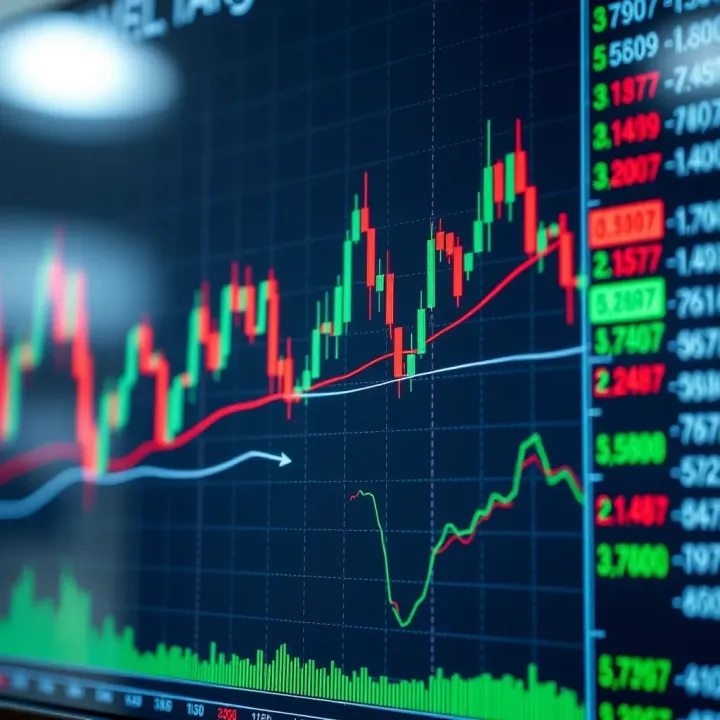
📊 Discover top forex trading indicators used by Nigerian traders for smart market analysis! Learn to combine tools & manage risks effectively.
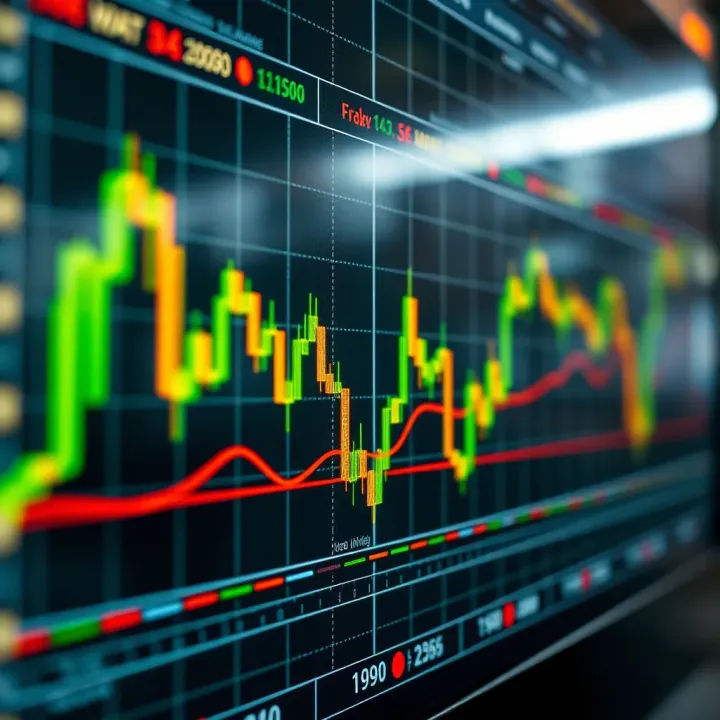
Discover key benefits of forex trading—easy market access, high liquidity, and flexible risk options—ideal for Nigerian investors interested in financial markets 📈💹
Based on 13 reviews