
Best Time to Trade Forex for Nigerian Traders
📈 Discover the best time for forex trading in Nigeria! Learn how market hours, currency behaviors, and economic news can boost your trading strategy. ⏰💹
Edited By
Oliver Smith
Forex trading is attracting many Nigerians looking to take advantage of currency market fluctuations and earn extra income. The foreign exchange market, where traders buy and sell currencies, operates 24 hours daily and is the largest financial market worldwide by volume. For Nigerian traders, understanding how this market works is key to navigating its complexity.
At its core, forex trading involves exchanging one currency for another, hoping the value of the chosen currency will rise relative to the other. For example, buying the US dollar against the Nigerian naira (USD/NGN) means you profit if the dollar strengthens versus the naira. This dynamic can work both ways, requiring careful analysis and timing.
Getting started requires more than just placing bids. It involves:
Grasping fundamental concepts like currency pairs, pips (price movement units), and leverage
Learning how global economic indicators, such as US Federal Reserve decisions or Nigeria's inflation rate, impact currency values
Using technical analysis methods such as chart patterns and support/resistance levels
For Nigerian traders, there are local challenges to consider. Wide fluctuations in the naira’s exchange rate and occasional restrictions on foreign currency access by regulatory bodies like the Central Bank of Nigeria (CBN) affect trading decisions. Managing risks becomes even more important here, as sudden market swings can lead to losses.
Successful forex trading is about managing risks and trade discipline, not just guessing which way the market moves.
Choosing the right broker is also crucial. Nigerians should opt for brokers regulated by reputable authorities and offering platforms accessible from Nigeria without heavy restrictions. Understanding trading tools like MetaTrader or broker-specific apps is essential for quick, informed decisions.
In this guide, you will find clear explanations of market mechanics, practical strategies tailored for Nigerian conditions, and tips on risk management—all to help you trade forex with confidence. Whether you are a student learning the ropes or a seasoned investor aiming to diversify, practical knowledge is your best asset in the world of forex trading.
Getting a solid grip on the basics of forex trading is key before diving into this fast-moving market. Many Nigerian traders fall into traps out of ignorance, so understanding how forex works can sharpen your ability to spot opportunities and avoid costly mistakes. Simply put, forex trading means buying one currency while simultaneously selling another, aiming to profit from changes in exchange rates over time.
Forex trading revolves around exchanging currencies in pairs. For example, when you trade USD/NGN, you're actually betting on how the US dollar moves compared to the Nigerian naira. If you expect the dollar to strengthen against the naira, you buy USD/NGN. If you think the dollar will weaken, you sell it. This goes beyond just speculation; businesses in Nigeria often hedge to manage currency risks, and active traders try to harness price moves for gains in both directions.
Certain currency pairs see more action, known as 'major pairs'. These include EUR/USD, GBP/USD, USD/JPY, and USD/NGN, the latter being especially relevant for Nigerian traders. Knowing which pairs have high liquidity affects how easily you can enter or exit positions without big price swings. Forex markets operate 24 hours from Sunday evening to Friday night (WAT), overlapping global financial hubs. Lagos-based traders can catch key sessions like London and New York trading hours to time their trades with major market moves.
Forex prices depend mainly on supply and demand influenced by economic fundamentals, geopolitical events, and market sentiment. For instance, if Nigeria’s Central Bank changes policy rates or if there are shifts in crude oil prices (Nigeria’s major export), the naira may react swiftly. Currency pairs adjust continuously to balance buying and selling interests worldwide. Traders track indicators like inflation, GDP growth, interest rate changes, and political stability to predict movement. A practical example: when the CBN tightened forex supply in late 2023, the naira’s exchange rate spiked, impacting USD/NGN prices sharply.
Understanding forex basics isn’t just academic—it's survival. Grasping these fundamentals guides you on when to trade, what pairs to watch, and how global happenings affect your money directly.
Overall, knowing these foundational elements makes the difference between trading blindly and making informed decisions that can boost your chances of success.
Before you start trading forex in Nigeria, setting up properly is key to protecting your funds and positioning yourself for success. This phase involves choosing the right broker, opening a trading account with reliable funding options, and understanding the regulatory environment and risks specific to the Nigerian market.
Picking a trustworthy broker is the first step. Look for brokers that accept Nigerian clients and support popular local payment methods like Paystack, Flutterwave, or direct bank transfers. For example, some global brokers such as FXTM and HotForex cater specifically to Nigerians by allowing naira deposits via their local banks or mobile wallets. A broker’s reputation matters too; check if they are regulated by respected authorities like the Cyprus Securities and Exchange Commission (CySEC) or the Financial Conduct Authority (FCA) in the UK. Avoid brokers with questionable reviews or those operating without a clear licence, as these pose higher risks of scams.
Once your broker is picked, the account opening process usually involves submitting identification, like your National Identification Number (NIN) and proof of address. Nigerian brokers or international ones accepting Nigerian traders often require a Bank Verification Number (BVN) check for added security. Funding your account can be done through bank transfers, USSD payments, or local mobile payment platforms. The key is to select funding methods that are quick and cost-effective, reducing delays and extra charges. For instance, using OPay or PalmPay can sometimes save you from hefty bank transfer fees.
Nigeria’s forex market is largely unregulated domestically, which means the Central Bank of Nigeria (CBN) does not directly oversee forex trading activities. This makes it vital for traders to choose brokers regulated in other jurisdictions, ensuring funds safety and fair trading conditions. Additionally, naira volatility and exchange rate fluctuations can impact your forex results, especially if you trade currency pairs involving the naira or use local funding methods.
Always exercise caution with high leverage offers, as they increase potential losses. The Economic and Financial Crimes Commission (EFCC) warns about scams involving unregistered forex operators, so verify your broker’s credentials thoroughly before trading.
Setting up carefully as a Nigerian forex trader involves not just technical steps but a mindset to engage with the market prudently. With the right broker, solid account setup, and an understanding of local risks, you’ll be better prepared to navigate forex trading and avoid common pitfalls prevalent in the Nigerian landscape.
Understanding core strategies is essential for any Nigerian trader serious about forex. These strategies form the backbone of trading decisions, helping turn market analysis into actionable plans. Without grasping these fundamentals, traders risk losing their capital to guesswork rather than informed moves. This section breaks down fundamental and technical analysis plus risk management techniques, all tailored to Nigeria’s specific trading environment.
Economic indicators like Nigeria’s inflation rates, unemployment figures, and GDP growth reveal the health of a country's economy. For instance, if the Central Bank of Nigeria (CBN) reports a sudden rise in inflation, the naira might weaken against other currencies. Tracking these numbers helps traders anticipate currency strength or weakness, allowing them to enter or exit positions at strategic times.
Central banks set interest rates which directly impact Forex through currency valuation. When the CBN adjusts rates, it influences foreign investment flows. A hike usually strengthens the naira as investors seek better returns, while a cut might signal economic challenges, weakening the currency. Nigerian traders should monitor CBN announcements closely since these decisions often trigger significant market moves.
Events like US Federal Reserve policy changes, geopolitical tensions, or oil price shifts affect currencies worldwide. Since Nigeria’s economy depends on oil exports, global oil price drops can weaken the naira. Likewise, political instability in major economies may cause currency volatility. Keeping tabs on such global developments helps Nigerian traders manage trades with better awareness.
Price charts track currency value changes over time – the lifeline for technical traders. Nigerian traders need to understand candle charts, line charts, and bar charts, as these visually reveal market sentiment. Recognizing patterns helps predict future price moves, making chart reading an indispensable tool for timing trades effectively.
Indicators like Moving Averages (MA), Relative Strength Index (RSI), and Bollinger Bands simplify complex data. For example, an RSI above 70 suggests a currency pair may be overbought, hinting at a possible price drop. Trading platforms popular in Nigeria, such as MetaTrader 4, offer these indicators, allowing traders to automate analysis and reduce guesswork.
Forex markets move through trends — upward, downward, or sideways. Spotting these helps traders decide when to buy, hold, or sell. Nigerian traders can use trendlines or chart patterns like head and shoulders or double tops to detect trend reversals or continuations, improving the accuracy of their trades.
Risk protection is key. Placing stop loss orders limits potential loss if the market moves against a trade, while take profit locks in gains when targets are reached. For example, a Nigerian trader with a ₦100,000 position should set a stop loss at a level that limits losses to an acceptable amount. This discipline prevents emotional decisions leading to bigger losses.
Determining how much to invest in each trade based on total capital reduces risk exposure. Given Nigeria’s economic fluctuations, allocating a fixed small percentage (like 1-2%) of trading capital per trade avoids wiping out the account from one bad move. Position size should reflect both the trader’s confidence level and risk tolerance.
Leverage lets traders control large trades with small capital but increases risk. For Nigerian traders, it’s crucial to use leverage cautiously because currency markets can turn quickly. Over-leveraging can lead to margin calls and rapid losses. Understanding how margin works and choosing a comfortable leverage ratio can keep trading sustainable.
Mastering these core strategies means Nigerian traders stand a better chance at success. Applying fundamental and technical analysis with solid risk management turns trading from guesswork into a workable skill.
Having the right tools and resources is essential when starting forex trading, especially for Nigerian traders facing specific challenges like fluctuating naira value and intermittent electricity. These practical aids help you stay on top of market movements and make smart decisions without getting overwhelmed by complexity.
MetaTrader 4 (MT4) and MetaTrader 5 (MT5) remain the most popular trading platforms among Nigerian forex traders. MT4 offers a simple interface suited for beginners, while MT5 includes advanced features like more timeframes, trading instruments, and an economic calendar. Both provide essential tools such as technical indicators, customizable charts, and automated trading options.
For Nigerians, the availability of MT4 and MT5 on both desktop and mobile makes it easy to trade from anywhere—whether on a generator-powered laptop at home or using mobile data in traffic. Since many brokers supporting Nigerian clients integrate MT4/MT5 seamlessly, traders can focus on strategy rather than technical hurdles.
Funding your trading account is often a stumbling block for Nigerian traders, given restrictions on foreign transactions and naira volatility. Brokers that accept local payment methods like Paystack, Flutterwave, and OPay minimise this barrier. They allow traders to deposit funds directly from Nigerian bank accounts or mobile wallets, avoiding the high fees or delays typical of international transfers.
This integration makes it practical to start with smaller amounts—sometimes as low as ₦5,000—and scale up over time. Using local payment solutions also helps reduce withdrawal hassles, so traders can access profits without lengthy processing times.
Mobile trading apps have become vital in Nigeria, where many Nigerians access the internet primarily via smartphones. Reliable apps from brokers such as Alpari, FXTM, or local platforms offer lightweight versions of desktop tools, optimised for less stable internet connections.
With mobile trading, you can respond quickly to market changes from anywhere—even during a power outage or at a barbing salon. This flexibility suits the fast pace of Nigerian life and helps traders avoid missing out on profitable opportunities.
Learning forex online is easier with quality resources that break down concepts into easy-to-follow content. Sites like BabyPips, DailyFX, and specific Nigerian blogs provide tutorials tailored for beginners. Nigerian-focused YouTube channels also offer step-by-step guides and market updates in relatable language.
These resources often cover how global events affect naira pairs or how to cope with local economic shifts, making the learning very practical for Nigerian traders.
Joining forums and social media groups dedicated to Nigerian forex traders is invaluable. Platforms on Facebook, Telegram, and WhatsApp allow you to swap real-time tips, share signals, and warn about emerging scams.
These local communities offer support that reflects Nigerian market conditions and broker experiences, helping you avoid pitfalls and stay motivated.
Structured courses and webinars crafted by Nigerian forex educators offer targeted training, from beginner lessons to advanced strategy sessions. These programmes often address challenges like managing naira volatility or complying with Nigerian regulations.
Taking such courses ensures you learn practical techniques and meet experienced traders who understand the local forex environment, which speeds up your growth as a confident trader.
Using the right platforms, payment methods, and educational resources can transform your forex journey in Nigeria from guesswork to a calculated, informed process that respects local realities and maximises your chances of success.
Nigerian traders face unique challenges in forex trading tied closely to the local economic and infrastructural realities. Addressing these hurdles thoughtfully can protect your investment and improve your chances of success. This section highlights common issues such as naira volatility, power and internet disruptions, plus scams, offering practical steps to manage them.
The naira's instability is a persistent headache for traders operating within Nigeria. Fluctuating exchange rates can unpredictably alter your trading capital when funding or withdrawing from your forex account. For instance, you might deposit ₦500,000 today, but due to naira depreciation, its dollar equivalent could drop substantially by the time you trade.
To handle this, consider using stable forex brokers that accept local payment methods and offer multi-currency accounts. Hedging strategies might also protect against currency risk—for example, using currency pairs less influenced by naira. Additionally, regularly monitoring CBN policy updates and economic news helps you prepare for market swings tied to domestic fiscal moves or political events.
Nigeria’s unreliable power supply and patchy internet connectivity pose serious obstacles. A sudden outage during peak trading hours can mean missed trades or inability to exit losing positions promptly. Some traders lose profits or incur bigger losses simply because their connection drops.
To mitigate this, many traders invest in backup power solutions like inverters or generators, especially during ember months when outages tend to increase. Also, consider using mobile data packages from reliable providers like MTN or Airtel as a fallback if your primary internet fails. Another tip is to plan trades ahead and avoid entering new positions during known peak outage times.
The forex space attracts scams, particularly among inexperienced traders unfamiliar with regulations. Unscrupulous brokers promise guaranteed returns or use high-pressure sales tactics to lure Nigerians into deposits. These can lead to losing funds with no recourse.
Always check if a broker is licensed by credible bodies such as the Securities and Exchange Commission (SEC) Nigeria or internationally respected authorities like the Financial Conduct Authority (FCA) in the UK. Avoid companies that demand huge upfront fees or lack transparent communication channels. Reading reviews from Nigerian trading communities can also help spot red flags early.
Remember, due diligence and sound risk management protect your capital as much as good strategy.
By understanding and preparing for these challenges, Nigerian traders can trade smarter, with less risk of unexpected setbacks tied to local issues.
📈 Discover the best time for forex trading in Nigeria! Learn how market hours, currency behaviors, and economic news can boost your trading strategy. ⏰💹
📈 Discover effective forex trading strategies tailored for Nigerian traders. Learn how to manage risks, use technical & fundamental methods, and tackle common challenges.
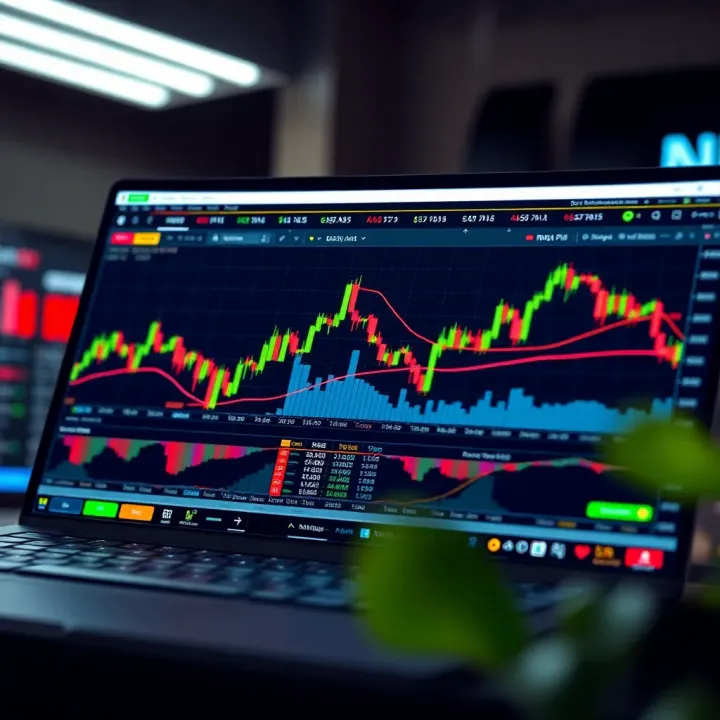
Discover trusted forex trading sites for Nigerian traders. Learn about regulation, fees, tools, and resources to trade confidently. 📈💰🌍
📈 Discover the best forex trading strategies and tips for Nigerian traders! Learn how to pick brokers, manage risks, and analyze markets for success. 🇳🇬💰
Based on 7 reviews