
Best Forex Trading in Nigeria: Complete Guide
Explore top forex brokers, Nigeria's trading rules, and key tips to trade wisely. Master the forex market with our easy, expert guide! 📊💹🇳🇬
Edited By
Sophia Bennett
Leverage is a key concept in forex trading, especially for Nigerian traders looking to grow their capital beyond the limits of their initial investment. Simply put, leverage allows you to control a larger trading position using a smaller amount of your own money. Imagine having ₦100,000 but controlling a trade size worth ₦1,000,000. That's the power of leverage at work.
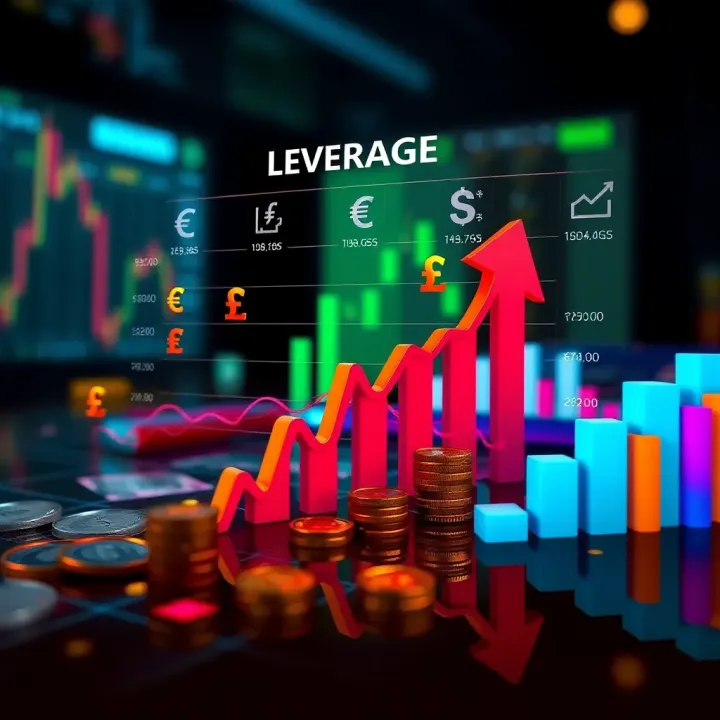
Leverage is usually expressed as a ratio, like 50:1 or 100:1. A 100:1 leverage means that for every ₦1 you put down, you can control ₦100 in the market. This magnifies both your potential profits and your risks because losses also get amplified.
For example, if the forex pair you trade moves 1% in your favour:
Without leverage, a 1% move on ₦100,000 gives you ₦1,000 profit.
With 100:1 leverage controlling ₦10,000,000, the same 1% move nets ₦100,000 — significantly more.
However, the downside is just as stark. A 1% adverse move could wipe out your initial ₦100,000 capital.
In Nigeria, many traders start with modest amounts due to limited disposable income or the challenges of accessing forex markets. Leverage provides a way to participate actively without needing huge capital upfront. It aligns with the financial reality for many Nigerians who prefer risk-managed exposure that suits their budget.
But be careful:
Higher leverage means higher risk. Over-leveraging can drain your funds quickly and unpredictably.
Nigerian traders should work with regulated brokers who offer transparent leverage options and clear margin rules.
"Leverage is a double-edged sword: it can multiply your gains but can just as swiftly multiply your losses. Knowing how to manage it is central to trading success."
Start with lower leverage, for example, 10:1 or 20:1, and increase it only as you become more confident.
Always have a stop-loss in place to protect your capital from sudden market swings.
Monitor your positions regularly; Nigerian markets can be volatile during ember months or periods of political unrest.
Understanding leverage will help you plan trades that fit your financial capacity and trading goals. The focus should always be on controlled, informed exposure — not reckless bets driven by the excitement of potential big wins.
Leverage is a critical concept in forex trading, especially for Nigerian traders aiming to maximise their returns without committing large amounts of capital upfront. Simply put, leverage allows you to control a bigger position in the forex market than the actual funds you have in your trading account. This means you can enter trades that would normally require more capital than you possess, essentially multiplying your market exposure.
Leverage permits traders to amplify their buying power by borrowing funds from their broker. For instance, if you have ₦50,000 in your trading account and use a leverage of 1:100, you can control a trade position worth ₦5,000,000. This can significantly boost potential profits if the market moves in your favour. However, it's essential to understand that this also increases risk; losses can multiply just as quickly.
It's also important to distinguish leverage from margin, as they are often misunderstood to mean the same thing. Margin is the actual amount of your own money that you need to put down as collateral to open a leveraged position. Using the ₦50,000 example, that sum is your margin, which acts as a security deposit for the broker. Leverage, on the other hand, is the ratio of your total position size to this margin. So, leverage tells you how much you’re controlling with that margin.
Leverage is commonly offered in ratios like 1:10, 1:50, or 1:100. A 1:10 leverage means for every ₦1 of your money, you control ₦10 worth of currency. For Nigerian traders, using 1:100 leverage is popular because it allows control of substantial positions with relatively small capital, opening doors to trading currencies like the US dollar (USD) or euro (EUR) without needing large naira amounts. However, the higher the leverage, the tighter your margin and the greater the risk of rapid losses.
To understand margin requirements, consider a leverage ratio of 1:100 on a trade worth ₦1,000,000. Your required margin would be ₦10,000 because you’re using one part of your own money to control 100 parts in total. Calculating margin this way helps traders monitor their capital carefully, ensuring they don’t overextend themselves. Brokers in Nigeria usually show margin requirements clearly to help traders manage positions effectively.
Remember: Leverage should be used wisely. While it can enhance your potential profits, it equally amplifies risk. Always know your margin requirements and keep risk management tools handy to avoid losing more than you planned.
Understanding leverage and margin is the first step to trading forex confidently and responsibly. This knowledge helps Nigerian traders make informed decisions, balancing opportunity and risk in the dynamic forex market.
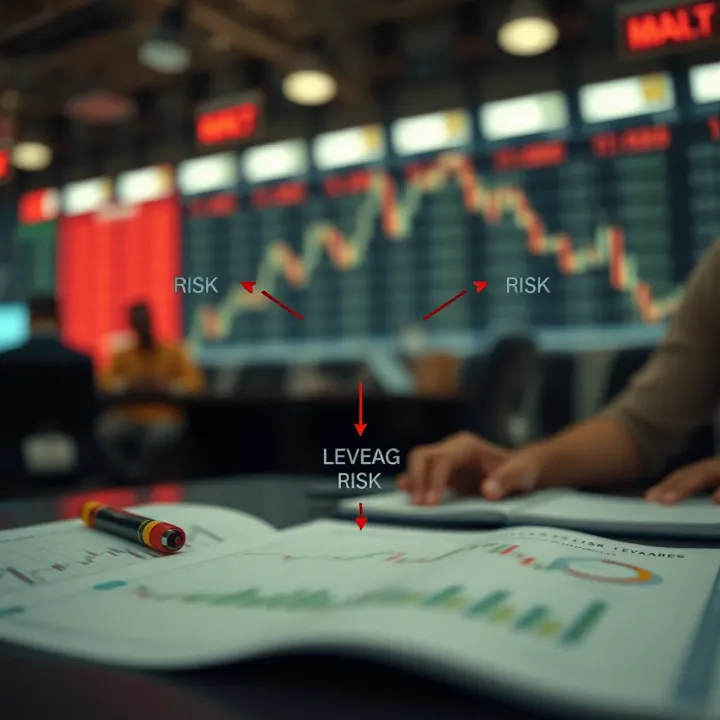
Leverage stands as one of the key tools that can transform a modest trading capital into a potentially profitable endeavour. For Nigerian traders, where starting capital might be limited, leverage offers a way to engage larger positions than the actual money in the trading account. This feature is particularly useful given the naira’s frequent volatility and the need to maximise every naira invested.
Amplifying gains with leverage: Using leverage means a trader can control a much larger position than their actual deposit. Take for instance a leverage ratio of 1:100. With just ₦50,000 in your trading account, you can effectively control a trade worth ₦5 million. This capacity to amplify gains means that even small price movements in the forex pairs can result in meaningful profits. However, traders must remember that this cuts both ways – losses can also increase, which makes it vital to combine this power with strong risk management.
Access to more trading opportunities: Leverage helps broaden the number of opportunities a trader can explore simultaneously. Suppose a trader has ₦100,000 capital and uses 1:50 leverage; instead of being limited to one trade in a major pair like USD/NGN, the trader can open multiple positions across different currency pairs, including USD/EUR or GBP/USD. This flexibility enables diversification within forex markets — a crucial strategy especially during periods of naira depreciation and volatility in global markets.
Scalping and day trading with leverage: Short-term approaches like scalping or day trading thrive with leverage. These strategies rely on quick trades that capture small price changes repeatedly. Leverage increases the potential returns on these small price moves without requiring a large amount of capital. For example, a trader scalping the EUR/USD pair might open several £10,000 trades over the day with limited capital, boosting potential profits if trades move in their favour. But caution remains essential, as rapid price shifts carry greater risks.
Hedging techniques facilitated by leverage: Leverage makes it easier for traders to hedge existing positions without tying up large amounts of capital. For example, if a trader fears that the naira might weaken suddenly against the dollar, they can open an opposing leveraged position in USD/NGN to offset possible losses from their original trade. This approach can protect portfolios during volatile economic announcements such as CBN policy shifts or fuel subsidy changes. Leverage thus not only enhances profit possibilities but also supports smart risk spreading.
Proper use of leverage is a powerful advantage for Nigerian traders: it opens doors to larger gains and more varied trading strategies, but must be paired with disciplined risk control to prevent serious losses.
In summary, leverage enables traders in Nigeria to make the most of their limited capital by magnifying profits and increasing access to the market. It also offers the flexibility to adopt diverse trading styles such as scalping, day trading, and hedging. Yet, the emphasis should always be on responsible application to safeguard against adverse market moves.
Leverage offers traders a way to boost their gains, but it brings serious risks that every Nigerian forex trader must understand before using it. Misuse of leverage can wipe out your capital faster than expected, particularly in volatile markets where price swings can be sharp and sudden.
Losses can easily exceed a trader's initial investment when leverage is involved. Imagine you open a leveraged position with ₦100,000 and a leverage of 1:100, effectively controlling ₦10 million in the forex market. If the market moves against your position by just 1%, you lose ₦100,000 — the entire capital you put in. In this case, even a small unfavourable movement can result in wiping out your whole account balance or more.
When this happens, brokers usually issue margin calls, requiring you to add more funds to keep positions open. If you cannot provide additional margin, the broker will perform a stop-out and close your positions automatically to prevent further losses. For instance, if your account balance drops below the maintenance margin level — often around 50% of your initial margin — you will face a stop-out. This mechanism protects both the trader and broker but can be financially painful, especially for those using high leverage without solid risk management.
Forex markets can be very volatile, influenced by unexpected news, economic data, or geopolitical events. Sudden price swings amplify risks when you trade with leverage. Consider the naira exchange rate fluctuating sharply during an election period; leveraged positions can quickly turn from profit to loss if the market moves unfavourably in a short time.
Risk management tools become vital under such conditions. Tools like stop-loss orders and take-profit orders help manage exposure and lock in profits or limit losses automatically. Nigerian traders should use these instruments to control potential downside, especially in volatile periods such as embargo announcements or central bank policy changes.
Remember: Proper use of stop-loss orders can prevent the risk of losing more than you can afford and help maintain trading discipline.
In summary, understanding the risks tied to leverage is crucial for Nigerian forex traders. By recognising how losses can outpace initial capital and how market volatility impacts leveraged trades, traders can take informed steps to manage their exposure effectively and protect their funds.
Choosing the appropriate leverage level is essential for Nigerian traders because it directly influences the balance between opportunity and risk. Using too much leverage can amplify losses, while too little might limit profit potential. Nigerian traders, often working with limited capital and facing a volatile local forex environment, need to carefully select leverage that matches their trading goals and risk appetite.
Traders with more experience tend to manage leverage better because they understand market dynamics and risk management techniques. For instance, a seasoned day trader who monitors trades actively might use higher leverage like 1:100, but this would be reckless for a beginner still learning price action. Conversely, conservative traders or those with longer-term strategies often prefer lower leverage, such as 1:10 or 1:20, to reduce exposure to sudden market swings.
Your trading style also dictates leverage choice. Scalpers who enter and exit multiple trades daily favour lower margin requirements for flexible positioning. Meanwhile, swing traders who hold positions for days may use moderate leverage levels that allow for market fluctuations without triggering margin calls prematurely.
The size of your capital must influence your leverage decision. A trader with ₦500,000 might safely use lower leverage so that a losing streak doesn’t wipe out their account. Trading with 1:5 or 1:10 leverage means small price moves won't cause massive losses. On the other hand, traders with larger capital—say ₦5 million or more—may afford slightly higher leverage, as their risk capacity absorbs potential drawdowns.
Risk tolerance is personal. Some Nigerian traders prefer to protect their hard-earned savings at all costs, while others are willing to take bigger risks for faster gains. Understanding your psychological comfort with losing and your financial standing is key to picking leverage that won’t lead to panic selling or emotional decisions during volatile periods.
Nigeria’s regulatory environment influences the leverage options brokers can provide. The Securities and Exchange Commission (SEC) and other authorities maintain oversight to prevent excessive risk-taking that can harm retail traders. Some brokers voluntarily cap leverage to comply with global best practices, often offering maximums from 1:20 to 1:100.
These regulatory controls help protect Nigerian traders from reckless exposure but may limit the very high leverage levels some international brokers advertise. That means you will find a safer, more balanced trading environment but with realistic limits tailored for retail investors.
When choosing a broker in Nigeria, compare the leverage limits alongside other factors like fees, customer support, and withdrawal processes. Many local brokers offer leverage ranging between 1:20 and 1:100. For example, some popular brokers provide a default leverage of 1:50 for standard accounts but allow adjustments depending on your risk preferences.
Brokers that cater to beginners typically encourage lower leverage with strong risk management tools. Advanced platforms may unlock higher leverage for professionals who have verified their trading skills. Always check the broker’s terms carefully to ensure you understand the margin requirements and possible consequences of using high leverage.
Selecting the right leverage isn’t just about aiming for big profits. It’s about managing your exposure so you can trade longer and learn steadily, especially in Nigeria’s challenging forex markets.
Managing leverage risks is essential for any forex trader, especially for Nigerian traders who often face market volatility and currency fluctuations. Leverage can magnify both profits and losses, so applying best practices helps safeguard your capital and trading career in the long run. These strategies provide a framework to reduce exposure while still benefiting from leverage's potential.
Protecting capital from adverse moves involves placing stop-loss orders to limit potential losses on each trade. For example, if you open a leveraged position on USD/NGN at ₦450 and set a stop-loss at ₦440, your broker will automatically exit the trade before losses deepen. This automatic safety net prevents you from suffering heavy losses due to sudden market swings or unexpected news events.
Without stop-loss orders, a bad trade might drain your funds quickly, especially when using high leverage like 1:100. So, stop-loss orders are not merely suggestions but vital tools to shield your ₦ capital from becoming wiped out in volatile markets.
Setting realistic exit points means defining take-profit levels alongside stop-loss to lock gains. Nigerian traders should avoid the temptation of aiming for unreasonable profits in one go. Instead, establish exit points based on recent price patterns and reasonable target percentages, such as 1-2% gain per trade.
By setting take-profit orders, you secure profits automatically without having to monitor the charts constantly. This discipline helps manage emotions, which can be a trader's worst enemy, especially when managing multiple leveraged trades across volatile forex pairs.
Balancing leveraged positions is crucial to avoid placing all your eggs in one basket. For instance, if you allocate ₦100,000 with leverage of 1:50, placing the entire amount on one currency pair like EUR/USD exposes you to high risk from a single market move. Better practice involves splitting your capital across multiple pairs that are not perfectly correlated, such as EUR/USD and USD/JPY.
This diversification cushions your portfolio because losses on one pair might be offset by gains on another, reducing the overall impact. Balancing exposure also means adjusting trade sizes based on volatility and your risk tolerance.
Adjusting leverage during volatile periods helps protect your trading capital. Nigerian traders should reduce leverage when markets are highly volatile—such as during ember months, political elections, or unexpected economic data releases. High leverage in such times can rapidly amplify losses.
For example, if your usual leverage is 1:100, consider scaling down to 1:20 or 1:10 during uncertain periods. This adjustment provides a buffer against rapid price movements and helps sustain your position size without immediate margin calls.
Practising sound risk management, including using stop-loss orders, realistic targets, and flexible leverage levels, ensures you trade smart under Nigeria's dynamic forex environment.
Applying these best practices consistently helps Nigerian traders harness leverage effectively without falling into common pitfalls that have ruined many trading accounts.
Explore top forex brokers, Nigeria's trading rules, and key tips to trade wisely. Master the forex market with our easy, expert guide! 📊💹🇳🇬

📈 Discover clear steps to start Forex trading in Nigeria. Learn market basics, strategies, risk management, and legal tips to trade confidently and smartly.
Explore forex trading in Nigeria 🇳🇬 with practical tips, market insights, and regulatory guidance to help beginners start confidently and navigate challenges.
🌍 New to forex trading in Nigeria? Learn how currency pairs work, explore trading platforms, and discover smart strategies to start trading confidently.
Based on 10 reviews