

Understanding Binary Options Demo Accounts in Nigeria
Explore how binary options demo accounts help Nigerian traders practice risk-free, test strategies, and build confidence before real investing 📈🇳🇬
Edited By
Amelia Carter
Forex trading demo accounts offer Nigerian traders a solid starting point without risking a kobo. They function like practice arenas where you can try out different strategies using virtual money before stepping into the live market. For traders new to forex, this risk-free environment helps build confidence and sharpen skills.
A typical demo account mirrors real market conditions, including live quotes and charts. However, it shields you from real losses since no actual money is involved. Platforms like IG, HotForex, and FXTM are popular among Nigerians for providing user-friendly demo accounts.
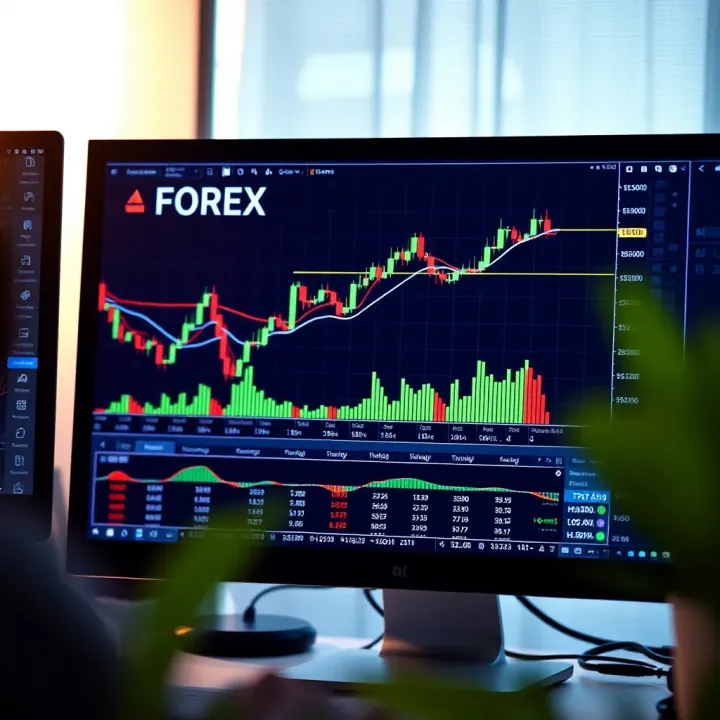
Using a demo account isn’t just about trial and error; it’s a way to understand market behaviour, test strategies, and learn to manage trades effectively without pressure.
Risk-Free Learning: Beginners can make mistakes and learn without financial cost.
Strategy Testing: Try out scalping, swing trading, or day trading techniques to see what fits your style.
Understanding Tools: Familiarise yourself with trading platforms and charting tools such as MetaTrader 4 or MetaTrader 5.
Market Observation: Follow currency pairs like USD/NGN or EUR/USD to track volatility and price movements.
Still, demo accounts have limitations. They may not fully reflect live trading conditions, especially during volatile periods or when orders face slippage and spreads widen. Also, the emotional aspect of risking real ₦ is absent in demos.
To benefit fully, treat your demo account like a real one. Set realistic goals, record your trades, and review successes and failures. Avoid jumping to live trading prematurely; practice till your strategies yield consistent results.
Starting with demo accounts offers Nigerian traders a cost-effective way to gain experience, reducing costly errors when progressing to real forex trading.
Grasping what a forex demo account entails is essential before diving into the trading scene. Demo accounts offer a practical platform for Nigerian traders to learn and hone trading skills without risking actual funds. This prepares you to handle the fast-moving forex market better, especially with the naira's volatility and global currency shifts.
A forex demo account is a simulated trading platform provided by brokers where traders can practice buying and selling currencies using virtual money. The idea is to familiarise yourself with forex trading mechanics without risking your real investment. This helps beginners avoid common pitfalls in live trading.
What makes demo accounts particularly useful is that they closely mirror actual trading environments. The prices, charts, and market movements you see are usually pulled from real-time data feeds, allowing you to train as though you're trading in the live market. For instance, if the USD/NGN pair fluctuates due to changes in commodity prices or political events, your demo account shows similar reactions.
Use of virtual funds: In a demo account, the capital you trade with is virtual—it doesn't cost you anything. Brokers typically credit a set amount, say ₦1,000,000, so you can execute trades and experiment with strategies freely. This removes the pressure of losing real money while you learn.
Access to market data and tools: Demo accounts give you access to real market data, charts, and analytical tools just like live accounts do. You can test technical indicators or customise charts to analyse trends, which is very helpful in developing trading skills. For example, a trader might use demo accounts on platforms like MetaTrader 4 or FXTM’s app to navigate the tools.
Differences from live accounts: While demo accounts simulate real trading, some aspects differ. Execution speed can vary; live accounts face market slippage and partial fills, especially during volatile periods in Nigeria or internationally. Emotional pressure is also absent in demos since you're not risking actual money, affecting decision-making.
Practising with a demo account builds both your technical know-how and your psychological readiness, which are key to sustainable success in forex trading.
Understanding these aspects will help you make the most of demo accounts, ensuring you step into live trading more prepared and confident.
Forex demo accounts offer Nigerian traders valuable opportunities to understand how the market works without risking real money. This risk-free environment is particularly helpful because it allows you to get familiar with trading platforms, learn market basics, and test strategies before committing your hard-earned naira.
Familiarising with trading platforms is essential for any trader starting out. Demo accounts give you hands-on experience navigating platforms like MetaTrader 4 (MT4) or broker-specific apps, allowing you to understand order types, chart tools, and market indicators. For example, if you’re trying out FXTM’s platform, a demo account lets you see how quick order execution feels and how to set stop-loss or take-profit orders without pressure.
Understanding currency pairs and spreads is another crucial step. Demo accounts show live bid and ask prices for pairs like USD/NGN or EUR/USD, along with spreads—the difference between these prices. Knowing how spreads affect your potential profit or loss helps you make better trading decisions. Plus, you’ll learn how major pairs differ from exotic ones in terms of volatility and liquidity, all without risking any capital.

Backtesting and forward testing are practical ways to evaluate how a trading strategy performs. Backtesting involves applying your strategy to historical data to see how it might have fared. Forward testing means trying the strategy in real-time market conditions using a demo account. For instance, a trader might test a moving average crossover strategy on MT5’s demo before using it live.
Evaluating risk management is also possible through demo trading. You can practise setting appropriate stop-loss levels, position sizes, and risk-to-reward ratios to prevent excessive losses. Given the naira’s occasional volatility, it’s wise to experiment with risk controls in a demo setting, ensuring you don’t lose more than you can afford when moving to real trades.
Practising order execution repeatedly on a demo account helps build muscle memory for placing trades swiftly and correctly. Good execution matters especially during volatile market hours for pairs involving the naira, where delays or mistakes can be costly.
Learning to control emotions is a big advantage demo accounts offer. Real trading often triggers fear or greed, leading to rash decisions. Through demo trading, you can experience wins and losses without the pressure of real money, allowing you to develop patience and better decision-making habits before stepping into live markets.
Using a demo account isn’t just about practising trades—it's about mastering the entire trading process, from understanding platforms and strategies to managing risk and emotions. This foundation increases your chances of success when you finally invest real naira.
In summary, Nigerian traders who make full use of demo accounts set themselves ahead by gaining practical knowledge and emotional discipline. This helps reduce the steep learning curve once live trading begins.
Selecting the right forex demo account is a critical step for Nigerian traders who want a meaningful practice experience before risking real money. The right demo account will closely replicate live trading conditions, provide reliable tools, and reflect the realities of forex markets Nigerians face. This practical choice helps avoid the frustration and false confidence that can arise from poorly structured demos.
When picking a demo account, always check whether the broker is regulated by recognised bodies like the Securities and Exchange Commission (SEC) Nigeria or international regulators such as the Financial Conduct Authority (FCA). A well-regulated broker signals trustworthiness, keeping Nigerian traders safe from scams or unfair practices. For example, brokers like FXTM and IG Nigeria have been consistent in regulation compliance, giving users peace of mind. This feature also influences the type of customer support and security you get while practising.
A demo account should mirror real trading environments, including spreads, commissions, and order execution times that match the broker’s live platform. Nigerian traders often face slow internet speeds or unstable power, so it’s crucial the demo shows how these factors could impact trading. For instance, if a demo uses unrealistically tight spreads or delayed price feeds, it may mislead you when you switch to live trading. Choose brokers with transparent demo account conditions similar to what you’ll get with real money.
The power of a demo lies heavily on the trading tools at your disposal. Look for demo accounts offering technical indicators, charting options, and news feeds that Nigerian traders need. Some platforms provide educational resources like webinars or tutorials within the demo space, helping you learn while practising. For example, IG Nigeria’s platform includes up-to-date economic calendars and beginner guides, which can be invaluable for building solid trading habits.
MetaTrader 4 (MT4) and MetaTrader 5 (MT5) are among the most popular demo platforms in Nigeria. MT4 is known for its simplicity and customisable indicators, while MT5 offers more advanced tools and asset classes. Using these platforms in demo mode familiarises you with industry standards common across many brokers. MT5’s economic calendar and improved order management make it handy for Nigerian traders who want to analyse currency pairs with precision before going live.
Many brokers in Nigeria offer their own mobile or desktop demo trading apps tailored to local market needs. FXTM and IG Nigeria provide demo versions of their proprietary platforms, often with features optimised for Nigerian traders, such as naira-based account options or straightforward deposit methods. Using broker-specific demos can be useful to get a feel for the exact environment you’ll trade in, including the nuances unique to that platform’s user experience.
Choosing a forex demo account is not just about practising—it’s about practising right. Pick wisely to save yourself from disappointments when you make the switch to live trading.
Making the most out of a forex demo account means treating it with the same seriousness as live trading. Demo accounts provide a safe space to learn, but the real gain comes from how you use this risk-free environment to hone skills and prepare for real market conditions. Without a structured approach, Nigerian traders might miss crucial lessons or get overconfident, leading to costly mistakes later.
Before you dive into demo trading, set clear and achievable goals. For instance, aim to master one currency pair like USD/NGN instead of spreading yourself thin across multiple pairs. You could decide to improve your entry and exit timing or learn how to read candlestick patterns accurately. Setting daily or weekly profit targets may sound tempting, but since demo accounts don’t risk real money, focus more on learning skills rather than chasing unrealistic returns.
For example, a trader may set a goal to practice placing limit orders correctly over two weeks instead of simply trying to hit a target profit. Such goals keep you grounded and make your learning purposeful.
Risk management isn't just for live trading; practising it on a demo account prepares you for the real market’s volatility. Use your demo to experiment with stop-loss and take-profit levels, ensuring you understand how much you can lose or gain before exiting a trade. Try risking just 1-2% of your virtual capital per trade, as many professionals advise, so you develop a cautious mindset.
You might simulate scenarios where the market suddenly moves against you, checking how your risk limits prevent large losses. Practising this helps condition you emotionally and mentally to avoid panic during live trades where real money is at stake.
Keep a trading journal, even when on demo accounts. Record your trades, reasons for entry and exit, the results, and any emotions felt. Over time, you’ll identify patterns in your decisions—like impulsive trades after several wins or ignoring risk rules.
For example, a trader might notice they consistently close trades too early, missing potential profits. With such insight, they can adjust their strategy before trading live. Review your journal regularly and be honest about errors—this self-analysis sharpens your skills more than repeating trades blindly.
Treat the demo account as real money to get real results—it’s where your winning or losing habits form.
Making your demo trading purposeful and disciplined sets a strong foundation for success in live forex trading. Nigerian traders who maximise their demo experiences save themselves from common pitfalls and steadily build the right habits for the foreign exchange market.
Demo accounts in forex trading offer a valuable starting point, but they come with limits that Nigerian traders need to understand before switching to live markets. While demo accounts mirror market conditions and allow risk-free practice, they do not capture the emotional pressures and psychological challenges faced when real capital is at stake.
The emotional intensity of live trading can’t be replicated on a demo platform. With virtual funds, there’s no real fear of losing money, so traders often take risks they wouldn’t consider if actual naira were on the line. This can lead to habits that don’t translate well when moving to live accounts.
Moreover, execution differences matter. Demo platforms typically provide instant order fills at displayed prices, but live markets in Nigeria’s forex environment may show slippages — where the trade executes at a worse price due to market volatility or liquidity. This experience teaches traders the need for patience and quick decision-making under pressure, which demos tend to soften.
Success on a demo account can sometimes create a false sense of confidence. Nigerian traders might believe they’ve mastered trading just because demo results look good, ignoring that the zero-risk environment alters behaviour. Overconfidence can cause premature large trades in live markets, resulting in unexpected losses.
To avoid this pitfall, keep treating demo results cautiously. Use them as a learning tool rather than proof of real-world readiness. Testing strategies thoroughly on demo is essential, but remember live trading incorporates factors like emotional control and unexpected market moves more intensely.
When you decide to move to live trading, begin with a small amount of money you can afford to lose. For instance, starting with ₦20,000 to ₦50,000 on a reliable broker gives you a feel of the actual stakes without risking your financial stability. This approach helps bridge the gap between demo’s risk-free environment and the realities of live forex.
Small capital lets you acclimatise to genuine emotions linked to wins and losses. It also helps in testing your discipline when money is involved. Many Nigerian traders jump straight into large positions, which spikes stress and increases chances of mistakes.
Risk management becomes even more critical in live trading. Use stop-loss orders to limit potential losses on each trade, ideally risking no more than 1–2% of your current capital per position. This discipline prevents one bad trade from wiping out your account.
In Nigeria’s forex scene, where market movements can be erratic due to global factors and local economic events, controlling risk protects your portfolio against unexpected swings. Maintaining a trading journal to review past trades, emotions, and outcomes can reinforce good habits.
Transitioning is as much about mindset as technical skill. Gradual entry with vigilant risk controls ensures you build sustainable trading habits while safeguarding your capital.
Understanding the limits of demo trading and preparing appropriately for live sessions will improve Nigerian traders’ long-term success and reduce costly missteps.
Explore how binary options demo accounts help Nigerian traders practice risk-free, test strategies, and build confidence before real investing 📈🇳🇬

📈 Discover the best time for forex trading in Nigeria! Learn how market hours, currency behaviors, and economic news can boost your trading strategy. ⏰💹
🤖 Looking to pick the best forex trading robot in Nigeria? Discover key features, pros & cons, costs, and tips to trade smartly and safely with automation.

📈 Discover effective forex trading strategies tailored for Nigerian traders. Learn how to manage risks, use technical & fundamental methods, and tackle common challenges.
Based on 12 reviews