
Best Time to Trade Forex for Nigerian Traders
📈 Discover the best time for forex trading in Nigeria! Learn how market hours, currency behaviors, and economic news can boost your trading strategy. ⏰💹
Edited By
Isabella Murray
Forex trading in Nigeria has gained momentum over the past decade, attracting everyone from young investors to seasoned financial analysts. Yet, many traders struggle to unlock consistent profit despite the growing opportunities. The volatile naira, fluctuating global markets, and sharp regulatory shifts add extra layers of challenge. This guide cuts through the noise, focusing on how Nigerian traders can maximise their forex trading profits through practical and reliable methods.
Understanding the forex market’s basics is the first step. Trading involves exchanging one currency for another with the aim of making gains from price differences. For Nigerians, common pairs include USD/NGN, GBP/USD, and EUR/USD. Knowing the specific movements of these pairs, influenced by local economic indicators like inflation rates, CBN policies, and foreign reserves, gives traders an edge.
Effective risk management separates successful traders from weekend hopefuls. Avoid risking more than you can afford to lose and use stop-loss orders systematically.
Selecting a trustworthy trading platform tailored for Nigerian users is also vital. Platforms like FXTM, OctaFX, and HotForex offer stable interfaces, decent spreads, and convenient deposit options such as bank transfers, USSD codes, or mobile wallets, which reduce friction compared to international platforms.
Keeping an eye on market trends requires combining technical analysis and fundamental news. For instance, knowing when the Central Bank of Nigeria (CBN) adjusts monetary policy or when global commodities like oil fluctuate can alert traders to potential market moves.
Practical strategies include:
Using smaller position sizes during volatile periods
Avoiding trading based on emotions or hearsay
Keeping a trading journal to track wins and mistakes
Setting clear profit targets before opening trades
By sticking to these principles and adapting to Nigeria’s unique market realities, traders stand a much better chance at building sustainable profits. The following sections will unpack each aspect in greater detail for sharper understanding and application.
Grasping the basics of forex trading sets a solid foundation, especially for Nigerian traders stepping into this vast market. Without a clear understanding, you risk taking unnecessary chances which can drain your capital quickly. Knowing the essentials gives you the edge to navigate fluctuations and make smarter decisions.
Forex trading involves buying one currency while selling another simultaneously. These are quoted in pairs, like USD/NGN or GBP/USD. The first currency in the pair is called the base currency, and the second is the quote currency. The exchange rate shows how much of the quote currency you need to buy one unit of the base currency. For example, if USD/NGN is at ₦780, it means ₦780 is needed to buy $1.
Practical relevance is clear: when you expect the naira to weaken against the dollar, you might buy USD/NGN to profit from the rising exchange rate. This pair system is the backbone of forex, and understanding it helps you predict market moves.
Brokers act as your gateway to forex markets. In Nigeria, choosing a registered and reliable broker safeguards your funds and ensures fair trading conditions. Brokers provide platforms where you execute trades, see charts, and track your portfolio.
Platforms like MetaTrader 4 or 5 are popular due to their user-friendly interfaces and tools that help analyse market trends. A smooth, responsive platform aids quicker execution — crucial when market rates can change within seconds, affecting your profit.
Forex operates 24 hours across global markets due to time zone differences. Major sessions include London, New York, and Tokyo, each with varying levels of activity and volatility.
For Nigerian traders, understanding these sessions helps plan when to trade. For instance, the London session (8 am to 5 pm GMT) sees high liquidity and price movements, often leading to better trading opportunities. Trading outside these hours may mean lower volatility, which affects your strategy.
A pip is the smallest unit of price movement in forex, often 0.0001 for major pairs. Traders measure profits and losses in pips. Lot size determines how many units you trade; a standard lot equals 100,000 units of the base currency.
Leverage lets you trade larger amounts using a smaller deposit. For example, with 50:1 leverage, ₦20,000 can control ₦1,000,000 worth of currency. While leverage can amplify your gains, it also increases risk, so managing it carefully is vital.
The spread is the difference between the buy (ask) and sell (bid) price. This cost affects your profitability immediately after opening a position. Narrow spreads mean lower costs and more room for profit.
Margin is the minimum deposit to open a position, acting like a security bond. Using margin allows bigger trades but requires discipline to avoid margin calls, especially when the market moves against you.
Buying (going long) means you expect the currency pair’s price to rise, so you profit when it gains value. Selling (going short) means you anticipate the price will fall; you make money when it drops.
For example, if you buy USD/NGN at ₦780 expecting it to rise to ₦790, you stand to gain ₦10 per dollar. If you sell because you predict the naira will strengthen, profits arise when the rate drops.
Understanding these basics arms you with the tools to make informed trades and avoid common traps. For Nigerian traders who face unique market challenges, mastering these elements boosts confidence and trading success.
Understanding the factors that influence forex trading profits is essential for any trader aiming to navigate the market with confidence and maximise returns. These factors affect price movements, trading decisions, and risk management strategies. For Nigerian traders, recognising these influence points means making smarter trades that respond to real market situations, not just guesswork.
Volatility in forex markets refers to how much and how quickly currency prices change. Several forces cause this volatility: economic data releases, geopolitical tensions, unexpected political announcements, and even natural disasters. In Nigeria’s context, local news such as changes in oil production quotas or political rallies around election times can spark sharp movements in the naira’s value.
This price unpredictability may seem risky, but it also creates opportunities. Traders use volatility to find entry and exit points that promise higher returns. For example, during periods when the naira weakens sharply after CBN announces monetary policies, an agile trader can capitalise by short-selling the naira against stronger currencies like the US dollar. However, riding these waves requires discipline and clear strategies, as high volatility can also wipe out gains quickly.
Instead of fearing volatile markets, seasoned traders learn to exploit them. Tools like the Average True Range (ATR) indicator measure current volatility so traders adjust their position sizes accordingly. If volatility spikes, reducing trade size can protect your capital, while increased volatility might allow you to set wider stop losses, giving trades enough room to move without being closed prematurely.
Understanding specific market sessions can also help. For instance, the London and New York sessions often see greater volatility, so Nigerian traders can time their trades during these hours for better price movements rather than during quieter Asian sessions.
Economic reports such as GDP growth rates, unemployment figures, and inflation data affect currency values globally. In Nigeria, inflation and interest rates are particularly influential. Rising inflation often pressures the naira down, while higher interest rates might attract foreign investment, bolstering currency strength. Traders who monitor CBN’s rate decisions and Nigerian economic performance reports can anticipate naira movements more accurately.
Political events also sway forex markets. Election seasons usually bring uncertainty, causing fluctuations in currency values as traders react to possible shifts in government policies. For instance, rumours of policy changes on subsidies or trade tariffs can lead to quick naira sell-offs or buys.
Central Bank of Nigeria (CBN) policies play a direct role in forex trading profitability. The CBN’s interventions in the foreign exchange market, such as periodic sales of dollars to stabilise the naira or adjustments in the official exchange rate, create short-term price movements traders can exploit. For example, if the CBN signals an intention to tighten forex supply, traders expecting naira appreciation can choose to go long on the naira before the policy takes effect.
Successful forex trading depends on staying updated and responsive to market volatility, economic indicators, political events, and crucially, CBN policies. These elements shape when and how you trade, determining your profit potential.
By paying attention to these factors, Nigerian traders position themselves not just to react to the market, but to anticipate changes and act proactively, which is the bedrock of maximising forex trading profit.
Risk management stands as the backbone of sustainable forex trading, especially in the Nigerian market where volatility and unpredictability often spike. Protecting your capital means you stay in the game longer, learning and adapting, rather than getting wiped out by one bad trade. Traders who ignore risk management quickly discover that no amount of strategy can make up for a huge loss.
Stop loss orders act like a safety net, automatically closing your trade once the market moves against you by a certain amount. This is particularly valuable in volatile markets like forex, where prices can swing sharply in minutes. For instance, if you enter a trade on USD/NGN expecting the naira to strengthen but it depreciates heavily due to sudden CBN policy announcements, your stop loss will cap your losses before they snowball.
By setting stop loss points deliberately, you avoid emotional decision-making under pressure. It forces discipline, ensuring you don’t hold on to losing trades hoping for a rebound that may never come. Without stop loss, a seemingly confident trade can drain your account in no time.
On the other side, take profit orders secure your gains by automatically closing your position once a target price is reached. This is helpful in markets that can quickly reverse, such as after a major economic report or geopolitical event. For example, if your analysis suggests the euro will rise versus the dollar to a specific level, setting a take profit ensures you cash out at that point, preventing greed from eating into your wins.
Using take profit orders carefully can help you maintain a consistent profit record, even during uncertain times. It’s a way to automate selling at a point that reflects your trading plan, keeping your trades user-friendly rather than a guessing game.
Understanding how much to stake on each trade is as important as picking the right pair to trade. Position sizing helps manage how much of your total capital is exposed to risk in one single transaction. For Nigerian traders, this could mean limiting each trade to 1-2% of your trading capital. Say you have ₦200,000 set aside for forex; risking ₦2,000 to ₦4,000 per trade keeps losses manageable and stops one bad decision from bleeding your account dry.
Your personal risk tolerance and trading style influence this sizing. Conservative traders might go lower, while aggressive ones might risk more – but it’s crucial to always keep risk within defined boundaries to avoid catastrophic losses.
Leverage allows traders to control larger positions with less capital, but it can amplify losses dramatically when misused. In Nigeria, many brokers offer leverage ratios like 1:100 or 1:200, which means ₦1,000 can control ₦100,000 or ₦200,000 worth of currency.
However, higher leverage requires careful margin management. If your margin falls below the broker’s maintenance level, you risk a margin call or forced liquidation. For example, a small adverse movement on a highly leveraged USD/NGN trade can wipe out your entire margin quickly.
Balancing leverage means using it moderately, according to your capital and market understanding. Beginners should start with low leverage, say 1:10 or 1:20, to reduce exposure while gaining experience. This approach helps maintain control over trades and avoid sudden, large losses that can shake confidence or deplete your account.
Effective risk management is not about avoiding risks completely, but about managing them smartly to keep your trading capital safe and your strategy sustainable over many market ups and downs.
Selecting the proper trading platform and broker is a cornerstone for any serious forex trader in Nigeria. These choices affect not only access to markets but also the security of your funds and the tools available to make informed trades. For Nigerian traders, the right broker and platform can mean smoother transactions despite local challenges like intermittent internet and varying power supply, while also providing vital features tailored to the active forex scene here.
Regulation is possibly the most critical factor when picking a broker. Nigerian traders should prioritise brokers regulated by reputed authorities, such as the Securities and Exchange Commission (SEC) Nigeria, the Financial Conduct Authority (FCA) in the UK, or the Cyprus Securities and Exchange Commission (CySEC). Regulation ensures your funds are segregated and protected against fraud, a concern given the several tokunbo brokers with dubious credibility. For example, GTBank customers often prefer brokers regulated and compliant with Nigerian laws to safely fund and withdraw in naira without unnecessary hassle.
Forex trading rarely happens on desktop alone, especially in Nigeria where many traders rely on mobile phones amid irregular power supply. A trading platform with an intuitive user interface that loads quickly and functions smoothly on Android or iOS apps gives you an edge to react instantly when market moves occur. MetaTrader 4, for instance, remains popular partly because its mobile app is lightweight and user-friendly even on average smartphones, which many Nigerian traders use.
Not all platforms offer the same range of currency pairs or broaden market access. Nigerian traders often look beyond USD pairs to include currencies like GBP, EUR, and emerging pairs such as USD/NGN or EUR/ZAR. Such breadth allows traders to diversify and tap into local-to-international market correlations. Ensure the broker provides access to major, minor, and exotic pairs relevant to your trading strategy, and check that execution speeds are reliable amid Nigeria's network constraints.
MetaTrader 4 (MT4) and its successor MetaTrader 5 (MT5) are by far the most widely used forex trading platforms among Nigerians. MT4 stands out for its stability and vast library of custom indicators, expert advisors (automated trading bots), and widespread broker support. MT5 extends MT4 features, adding options for trading stocks, commodities, and futures alongside forex. Many Nigerian brokers support both, giving traders a reliable environment that can run even on modest PCs and smartphones.
cTrader offers a more modern alternative to MetaTrader, focusing on transparency and advanced charting tools. It appeals to Nigerian traders who want more control over order execution, featuring level II pricing and direct market access that reduce slippage. The platform suits those who prefer a sleek design and advanced customised trading strategies. However, cTrader’s adoption in Nigeria is growing but not yet as widespread as MetaTrader, making it essential to confirm your broker supports it first.
Several Nigerian brokers now offer proprietary apps designed specifically for local market conditions. These apps often provide easy naira deposits and withdrawals through Paystack, Flutterwave, or direct bank transfers, minimising forex conversion hassles. Local platforms also sometimes integrate educational features, news impacting the Nigerian market, and customer service in Nigerian time zones. While not as feature-rich as MetaTrader or cTrader, these apps help many beginners and casual traders get started without technical overload.
Choosing the right combination of platform and broker can save you from costly mistakes, ensure timely trade execution, and protect your funds — all crucial for consistent forex trading profits in Nigeria.
Effective trading strategies form the backbone of sustained profit in forex trading. Nigerian traders face unique market conditions, including naira volatility and forex access restrictions, making reliable strategies vital. Applying robust methods reduces guesswork, limits losses, and increases chances of steady earnings.
Chart patterns and trend lines are essential tools for spotting market direction. By identifying formations such as head and shoulders, double tops, or support and resistance levels, traders can predict potential reversals or continuation of trends. For instance, a trader monitoring the USD/NGN pair might use trend lines to confirm an upward momentum before entering a buy position. Trend lines act as visual guides showing support where price may bounce and resistance where it might stall.
Using indicators like RSI and Moving Averages helps gauge market momentum and price strength. The Relative Strength Index (RSI) signals overbought or oversold conditions—values above 70 suggest a likely price drop, while below 30 suggests a rise. Moving Averages smooth out price fluctuations to reveal the general trend; crossing of short-term and long-term averages often signals entry or exit points. For Nigerian traders, these indicators are valuable for timing trades around economic reports or CBN rate announcements.
Assessing economic reports gives traders insights into currency strength. Nigerian traders should track inflation rates, GDP figures, and unemployment data, as these influence the naira’s value. For example, rising inflation without compensating growth typically weakens the naira, affecting USD/NGN exchange rates. Understanding data-driven market moves helps avoid sudden losses during volatile sessions.
Impact of geopolitical developments often triggers sharp currency swings. Political events, such as election outcomes or regional unrest, can cause abrupt movements in the forex market. Traders who monitor news on government policies, oil supply disruptions by NNPCL, or regional security updates are better positioned to anticipate volatility and adjust their trades accordingly.
Swing trading vs day trading provide alternatives based on time horizons and risk appetite. Swing traders hold positions for days or weeks, capturing larger moves; this suits those balancing trading with other commitments, common among Nigerian professionals. Day traders close trades within a day, relying on intraday volatility and fast decision-making, which may suit traders seeking quick profits but requiring more time and experience.
Position trading for longer terms focuses on fundamental trends rather than short-term fluctuations. Nigerian traders with a longer outlook could hold trades through economic cycles, e.g., anticipating naira strength post-CBN monetary policy shifts. This method requires patience but can reduce stress from daily market noise and help build wealth incrementally.
Consistency in forex comes from disciplined strategy application, understanding market signals, and adapting to Nigerian market realities. Mixing technical and fundamental analysis with clear trade management boosts your chances of making steady profit.
📈 Discover the best time for forex trading in Nigeria! Learn how market hours, currency behaviors, and economic news can boost your trading strategy. ⏰💹
📈 Discover effective forex trading strategies tailored for Nigerian traders. Learn how to manage risks, use technical & fundamental methods, and tackle common challenges.
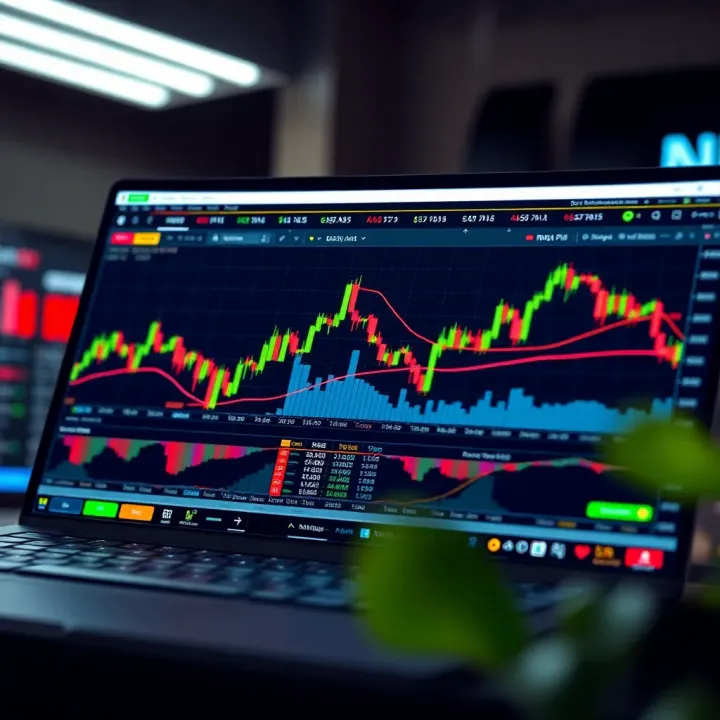
Discover trusted forex trading sites for Nigerian traders. Learn about regulation, fees, tools, and resources to trade confidently. 📈💰🌍
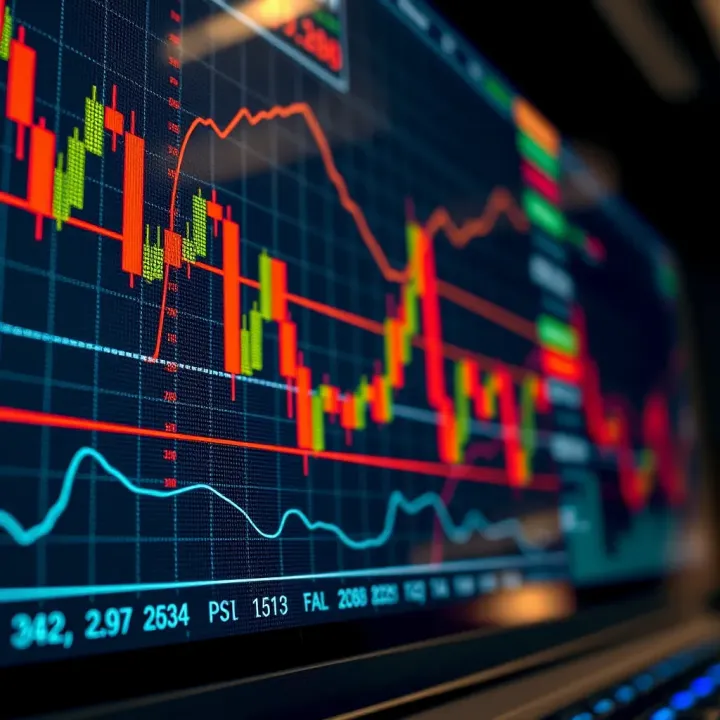
📈 Discover the best forex trading strategies and tips for Nigerian traders! Learn how to pick brokers, manage risks, and analyze markets for success. 🇳🇬💰
Based on 11 reviews