

Bearish Reversal Candlestick Patterns Explained
📉 Learn how bearish reversal candlestick patterns work in trading. Spot key signals, assess their reliability, and combine with other tools for smarter trades.
Edited By
David Hargreaves
Reversal candlestick patterns are essential tools for traders aiming to spot potential shifts in market trends. These patterns form on price charts and often signal that the existing trend—whether upward or downward—might be coming to an end. Understanding these patterns helps traders make informed decisions, avoid unnecessary losses, and time their entries or exits better.
In Nigerian markets, where volatility can be high due to factors like naira fluctuations and macroeconomic news, recognising these signals becomes even more valuable. A typical reversal pattern emerges after a sustained trend. For instance, after several days of rising prices, a reversal pattern might indicate that sellers are gaining ground and an upcoming downward move.

Some common reversal candlestick patterns include:
Hammer and Hanging Man: Both have a small body and a long lower wick, but hammers appear after downtrends suggesting a bullish reversal, while hanging men come after uptrends indicating bearish reversal.
Engulfing Patterns: The bullish engulfing pattern shows a small red candle followed by a larger green candle that ‘engulfs’ it, signalling strong buying pressure. The bearish counterpart is the reverse.
Doji: This pattern has almost the same opening and closing price, reflecting indecision. Near the end of a trend, a doji can mean a shift is about to occur.
Recognising reversal candlestick patterns is more than memorising shapes; it involves watching volume, previous trend strength, and combining with other technical indicators like RSI or moving averages.
To spot these patterns clearly:
Check the recent price trend to understand if the pattern is at a potential turning point.
Look at candle size, wicks, and body relative to recent candles.
Confirm with volume spikes or divergence in momentum indicators.
Traders in Nigeria should watch for reversal signals especially during events like CBN policy announcements or when unexpected moves happen in NSE (Nigerian Stock Exchange) shares. Such instances often trigger strong shifts that these candlestick patterns can hint at.
Grasping these basics of reversal candlestick patterns lays the groundwork for more strategic and confident trading in Nigeria’s dynamic markets.
Before diving into reversal candlestick patterns, it’s important to understand the basics. Candlestick patterns are the language of price action, showing how buyers and sellers interact in the market. If you miss these foundations, you might misread the signals and make wrong trading decisions.
Candlestick patterns are visual representations of price movement within a specific time frame — be it minutes, hours, or days. Each candlestick has four key points: the opening price, closing price, highest price, and lowest price. For example, a daily candlestick for a stock shows how much it opened at, closed at, and the extremes of the day.
A green (or white) candlestick means the closing price was higher than the opening price, signalling buying pressure. A red (or black) candlestick shows a close lower than the open, indicating selling pressure. This simple colour code helps traders quickly identify market mood.
Candlesticks capture traders’ emotions and decisions in real-time. Long bodies often signal strong buying or selling momentum, while short bodies reflect indecision or balance between bulls and bears. For instance, during ember months, commodity prices may show long red candlesticks because of increased selling ahead of the holiday season.
Wicks or shadows show the price extremes and reveal whether sellers or buyers challenged the current price direction. A long lower wick might indicate buyers stepping in after heavy selling, often a hint at a possible reversal. By watching these details, you get a clearer picture of how happy or nervous market participants are.
Understanding these signals can save you from jumping in too early or exiting too late.
Candlestick patterns fall mainly into continuation or reversal categories. Continuation patterns suggest the existing trend will keep going, while reversal patterns hint that the trend might change direction. Knowing the difference is like knowing if your okada driver will take a straight route or turn at the next junction.
For example, a series of high-bodied green candles can signal bullish continuation. On the other hand, a hammer pattern appearing after a downtrend may signal a reversal to the upside. Traders use reversal candlestick patterns to spot these turning points and adjust their strategy accordingly.
Mastering these basics sets the stage for recognising valid reversal patterns, which can make the difference between profit and loss in Nigerian markets, where volatility often catches traders off guard.
This foundation is crucial because all the complex patterns you’ll study later build on these elements. Knowing what each candlestick tells you about market psychology and price movement helps you see the bigger picture and trade smarter.
Reversal candlestick patterns are vital tools for traders aiming to catch turning points in price trends. These patterns signal that the current momentum might slow or reverse, offering clear clues to investors and analysts about possible shifts. Understanding their features helps traders act decisively, avoiding late entries or costly mistakes in markets such as the Nigerian Stock Exchange or forex platforms.
Both the hammer and hanging man have similar shapes: a small body near the top of the candlestick and a long lower wick. The real distinction lies in where they appear on the chart and their colour. Hammers, typically found at the bottom of a downtrend, often have a green or white body, signalling potential bullish reversal. Hanging men occur after an uptrend and tend to have red or black bodies, warning of possible bearish reversal.
Colour matters but should be interpreted alongside context. A green hammer in a strong downtrend might be more convincing than a red one. Similarly, a hanging man with a convincing body colour and lengthened wick strengthens the signal that sellers might be gaining the upper hand.
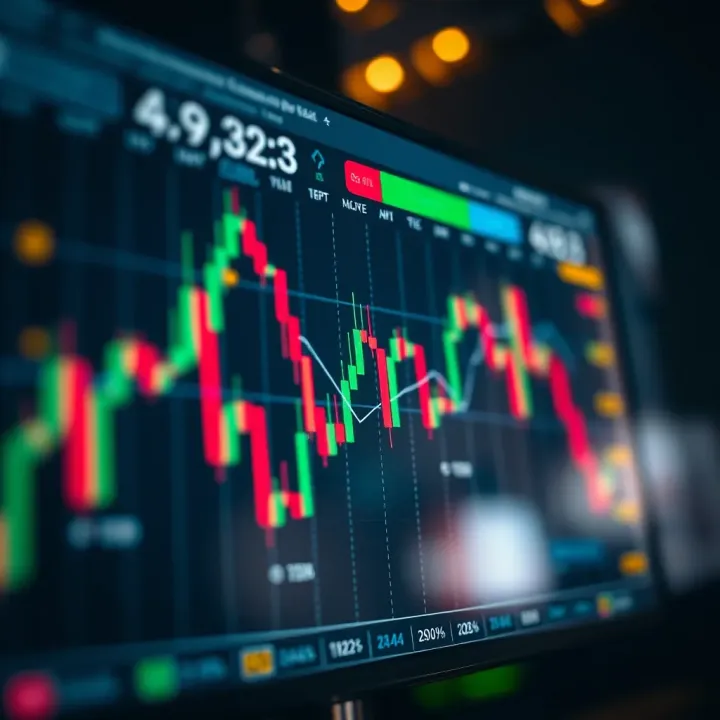
In a downtrend, the hammer shows buyers stepping in after initial selling, suggesting a possible end to the fall. For instance, if the NSE All-Share Index has been dropping and a hammer forms near a support zone, it hints at buyers defending that level.
Conversely, during an uptrend, a hanging man warns that sellers may be starting to push back. The appearance of this pattern near resistance levels should raise caution. Traders might consider tightening stop losses or preparing to book profits, especially if volume confirms the shift.
Engulfing patterns feature two candles where the second fully covers the body of the first. A bullish engulfing occurs at a downtrend's bottom when a large green candle swallows a small red one, indicating strong buyer presence. For example, Konga’s share price dropping sharply then showing this pattern near ₦15 could mean buyers are looking to push prices higher.
On the flip side, bearish engulfing happens at the peak of an uptrend with a large red candle overrunning a smaller green candle. This often signals sellers overtaking buyers, potentially foreshadowing a dip.
Volume acts as a quality check for engulfing patterns. Higher volume on the second candle suggests genuine conviction. In Nigerian markets, with sometimes thin liquidity, volume spikes during these patterns increase the reliability significantly.
Market context—like proximity to support or resistance levels—also matters. An engulfing pattern forming near a historic local support gains relevance, while one in the middle of a sideways trading range might need more confirmation.
Doji candles appear when opening and closing prices are nearly the same, showing indecision. Variants like the standard doji have symmetrical wicks, while the dragonfly has a long lower shadow and little or no upper wick. The gravestone doji is the reverse, with a long upper shadow and minimal lower wick.
These shapes help indicate where buying or selling pressure tried to dominate but failed, reflecting uncertainty on price direction.
Dojis often signal a possible reversal or pause. For instance, after an extended rally on MTN Nigeria shares, a dragonfly doji might suggest buyers briefly lost control, and sellers tested the price. Traders should watch for confirmation in following candles before adjusting positions.
Their strength depends on trend position, volume, and nearby support/resistance. On their own, dojis warn but rarely confirm a move.
The piercing line forms when, after a downtrend, a green candle closes above the midpoint of the preceding red candle. This shows buyers pushing back vigorously but not fully erasing losses.
Dark cloud cover is the bearish mirror: after an uptrend, a red candle closes below the midpoint of the previous green candle, suggesting sellers are gaining ground.
These patterns require clear, specific price action to qualify and should align with broader trend context.
Piercing lines hint at bullish reversal, useful in markets like the FX pairs involving the naira and dollar, where momentum shifts rapidly. Traders could consider long positions with careful stops.
Dark cloud covers warn of potential pullbacks at resistance zones. This helps investors decide when to reduce exposure or hedge.
Remember: No reversal pattern works in isolation. They represent probability, not certainty. Combine pattern recognition with volume and trend analysis to enhance your trading decisions.
Spotting genuine reversal setups matters because not every candlestick that looks like a reversal signal leads to a real change in market direction. For traders in Nigeria, where market swings can be swift, recognising a valid setup helps avoid costly mistakes. A proper reversal setup combines candlestick patterns with overall market clues such as trend direction, volume shifts, and key support or resistance levels.
Before trusting any reversal pattern, you must consider the current trend. A reversal signal works best when it appears after a clear, sustained move in one direction. For instance, a hammer candlestick after several days of falling prices may indicate a turning point where buyers step in. On the flip side, a hammer during sideways price action might be unreliable. By assessing if the market was in a strong uptrend or downtrend, you avoid taking reversals that are mere pauses or noise.
Volume gives you the clue whether buyers or sellers are really pushing the market to reverse. A reversal candlestick accompanied by higher-than-average trade volume confirms genuine interest behind the move. For example, if a bullish engulfing candle on a stock listed on the Nigerian Stock Exchange comes with a big surge in volume, it hints that smart money might be chasing the rally. Conversely, weak volume on reversal patterns often signals fake-outs or traps.
Support and resistance levels act as natural barriers in price movement. When reversal patterns form around these levels, their chances of success improve. For example, a bearish engulfing candle near a resistance zone in a popular forex pair like USDNGN presents a stronger sell signal. Similarly, a piercing line pattern that shows up close to a known support—say a recent low on a blue-chip stock like Dangote Cement — offers higher confidence for a bounce. Understanding these price landmarks sharpens your reversal trade decisions significantly.
Combining trend context, volume, and support or resistance levels turns ordinary reversal candlestick readings into actionable signals. It’s not enough to spot a hammer or doji alone; context always matters.
By learning to read these clues together, traders in Nigerian markets can increase their odds of catching real trend changes and safe entry points in the busy trading days ahead.
Trading reversal candlestick patterns effectively demands more than just spotting the shapes; it requires a strategic approach that integrates timing, risk control, and market understanding. Nigerian markets, with their unique dynamics such as volatility around elections or ember months, underscore the need for clear practical methods. These strategies help you make smart moves rather than reacting impulsively.
Knowing when to enter and exit a trade is a key skill. Entry points should ideally happen once the reversal pattern is confirmed, not just formed. For example, after spotting a bullish hammer at a support level on the NSE, wait for the next candle close above the hammer's high before buying. This confirmation reduces false signals.
Exit points depend on your profit target and risk appetite. One practical approach is to set the exit near the next resistance level or use a trailing stop to safeguard gains as the price moves in your favour. For instance, if the price is ₦500 and you enter on a bullish engulfing signal, watch how it reacts near ₦550 – a known resistance – and consider booking profit there.
Reversals are tricky; not all will play out as expected. Managing risk means controlling how much you stand to lose if the market turns against you. Always use stop-loss orders placed just beyond the reversal candle’s extreme. Suppose you buy on a morning star pattern at ₦300; placing a stop-loss at ₦290 limits your downside.
Position sizing also matters. Don’t put a large chunk of your capital on a single reversal signal, especially when the market is choppy. Spreading trades and using smaller sizes help cushion unexpected moves, which Nigerian traders often face during periods of high naira volatility.
Not every reversal pattern leads to a trend change. To avoid falling for false reversals, combine candlestick patterns with other technical indicators like volume, moving averages, or RSI. A bearish engulfing candle with low volume at the top of an uptrend may not signal a real reversal.
Also, consider the broader market context—economic news from CBN or political events can influence price action beyond chart patterns. Waiting for an extra confirmation candle after the pattern or checking for confluence with support and resistance can save you from costly mistakes.
Effective trading hinges on disciplined entry, solid risk control, and cautious confirmation to turn reversal patterns into real profits.
Getting familiar with these practical steps will prepare you to use reversal candlestick patterns confidently within the complexities of Nigerian trading markets.
Traders often rush into trades just by spotting a reversal candlestick pattern without deeper verification. Avoiding common errors is essential to improve your success rate in Nigerian markets where price action and volume can behave differently due to varying liquidity and market hours.
Candlestick patterns do not exist in isolation. A hammer or bearish engulfing pattern during a strong uptrend might not signal an immediate reversal but rather a brief pause. Overlooking the broader market context, such as prevailing trends or important support and resistance levels, often leads to incorrect conclusions.
Volume plays a critical role in confirming reversals. For example, a bullish engulfing pattern appearing on low volume is less reliable. Nigerian stocks with thin trading volumes, especially on the Nigerian Stock Exchange (NGX), can produce misleading candlestick signals. Always check if volume supports the pattern; a genuine reversal usually comes with a spike in volume confirming investor commitment.
No single reversal pattern guarantees a change in trend. Relying only on patterns like the doji or piercing line without other technical confirmations can result in losses. Patterns should be part of a broader strategy that includes other indicators such as moving averages, RSI, or MACD. For example, a hanging man pattern is more trustworthy if it aligns with resistance levels or negative divergence on an oscillator.
In Nigerian trading, where volatility can spike around ember months or political elections, pattern signals may give false alarms. Combining patterns with contextual signals reduces the risk of entering on false reversals.
Even the best reversal pattern cannot save a trade without proper money management. Ignoring stop-loss or risking too much capital on one trade can quickly lead to significant losses. Nigerian traders frequently overlook position sizing and exit strategies amid the excitement of spotting a reversal.
Use risk management techniques such as setting tight stop-loss levels just below or above the pattern formation. For instance, after a bullish engulfing pattern, place the stop-loss slightly below the low of the engulfing candle to limit losses. Discipline in risk management ensures that occasional false signals don’t wipe out your gains.
Be realistic: reversal candlestick patterns help identify opportunities, but success depends heavily on context, confirmation, and sound risk practices. Avoiding these common mistakes will help you trade smarter and navigate the Nigerian markets more confidently.
By understanding and respecting these common errors, your use of reversal candlestick patterns becomes more practical and reliable. This approach helps you spot genuine market turns and keeps your capital safe from unexpected market moves.
📉 Learn how bearish reversal candlestick patterns work in trading. Spot key signals, assess their reliability, and combine with other tools for smarter trades.
📊 Discover key candlestick patterns in trading, how to read market moves effectively, and make smarter decisions with this detailed guide.
📉 Learn to spot and use bearish candlestick patterns in trading. Understand market signals and make smarter trading decisions in Nigeria and beyond.

Discover how to pick the best trading app in the world 🌍 tailored for Nigerian users. Learn about key features, fees, security, and ease of use to trade smartly 📈💼.
Based on 10 reviews