
Best Time to Trade Forex for Nigerian Traders
📈 Discover the best time for forex trading in Nigeria! Learn how market hours, currency behaviors, and economic news can boost your trading strategy. ⏰💹
Edited By
Edward James
Forex trading means buying one currency while selling another, hoping to profit from shifts in exchange rates. Unlike stocks or commodities, forex deals with the value of money itself, which can fluctuate every second depending on economic and political happenings worldwide.
In practical terms, when a trader believes the US dollar will strengthen against the Nigerian naira, they might buy dollars using naira. Later, if the dollar indeed rises in value, selling it back yields more naira than initially spent, resulting in a profit.
Forex trading operates 24 hours a day, five days a week, allowing Nigerian investors to respond swiftly to movements in global markets.
The market is dominated by large financial institutions, central banks, corporations, and retail traders. However, digital platforms and brokers provide access to individuals in Nigeria, making participation more straightforward.
Common currency pairs include USD/NGN, EUR/USD, and GBP/USD. The first currency is the base, and the second is the quote currency. Traders focus on price changes between these pairs, influenced by interest rates, inflation, trade balances, and geopolitical developments.
To navigate the forex market effectively, understanding key elements is vital:
Liquidity: Forex is the most liquid market globally, meaning large amounts can be traded without significantly affecting prices.
Leverage: Brokers often offer leverage, letting traders control sizeable positions with less capital. This magnifies gains but also increases risks.
Spread: The difference between buying and selling prices represents the broker's cost and is crucial in calculating profitability.
For Nigerians eyeing forex trading, regulatory aspects also matter. The Securities and Exchange Commission (SEC) in Nigeria monitors brokers to protect investors, so choosing regulated platforms improves safety.
Before starting, grasping basic terms and mechanisms sets a solid foundation. Moving beyond speculation requires skills in market analysis and risk management, ensuring forex trading is more than mere guesswork.
Understanding what forex trading means is fundamental to becoming a savvy player in the financial market. Forex trading involves exchanging one currency for another in the hopes of profiting from exchange rate changes. This market operates 24 hours a day across different time zones, allowing traders to react quickly to global events that influence currency values.
The forex market is the largest financial market worldwide, with a daily turnover exceeding US$6 trillion. Unlike the stock market, forex removes the middleman, operating over-the-counter (OTC) through electronic networks and banks. For example, when a Nigerian trader exchanges naira (₦) for US dollars ($), they participate directly in the forex market. This continuous, decentralized trading setup means currencies fluctuate based on supply and demand influenced by factors such as interest rates, inflation, and geopolitical events.
Currency exchange in forex trading functions through pairs. Each pair shows the value of one currency against another. Take the USD/NGN pair: if the exchange rate is 460, it means one US dollar buys ₦460. Traders speculate on whether this rate will rise or fall. If a trader believes the naira will weaken further due to economic instability, they may sell USD/NGN to profit when the naira loses value.
Transactions happen instantly through brokers and digital platforms that connect buyers and sellers. For instance, fintech apps in Nigeria like OPay and PalmPay simplify this process by providing real-time forex rates and easy funding options, helping traders make quicker decisions without visiting a bank.
Forex stands apart from other markets primarily in its liquidity, operational hours, and market structure. Unlike the Nigerian Exchange Group (NGX), which trades shares during fixed hours, forex never sleeps because global currencies are always in demand. This constant activity creates tighter spreads and more trading opportunities.
Moreover, forex trading usually involves leverage—allowing traders to control large positions with a relatively small capital outlay. This contrasts with stock markets where leverage is less commonly used or regulated differently.
Forex markets respond rapidly to global political and economic news, unlike commodity markets which may take longer to react due to physical supply constraints.
Understanding these distinctions helps traders set realistic expectations and apply appropriate strategies tailored to forex's unique dynamics.
In summary, forex trading is a dynamic market centred on currency exchange rates driven by international trade, investment flows, and economic decisions. Grasping how it works at the basic level prepares you to navigate its complexities and avoid common pitfalls, especially when trading from Nigeria's evolving financial landscape.
Understanding who takes part in forex trading is essential to grasp how this market functions and why it behaves the way it does. The forex market isn't just a playground for speculators; it includes an array of players, from huge government bodies to individual retail traders. Each participant influences currency prices differently, shaping opportunities and risks for all involved.
Central banks and government agencies hold significant power in forex trading. They manage national reserves and intervene directly or indirectly to stabilise or control their currencies. For instance, the Central Bank of Nigeria (CBN) actively influences the naira's value by setting monetary policy and sometimes buying or selling foreign exchange to curb inflation or support exporters. Their actions can cause sudden shifts in currency rates, so understanding their moves helps traders anticipate market trends.
Commercial banks and financial institutions form the backbone of forex liquidity. These banks facilitate most currency trades daily, offering forex services to clients, hedging risks, and taking positions themselves. For example, First Bank Nigeria Plc or Zenith Bank often execute large forex transactions for corporate clients or government agencies. Their trades can influence spreads, affecting the prices retail traders get. They also provide critical infrastructure, such as SWIFT transfers, connecting the Nigerian forex market to global flows.
Multinational corporations (MNCs) participate in forex markets mainly for operational needs. Companies like Dangote Group or MTN Nigeria regularly convert currencies when paying suppliers abroad, repatriating profits, or hedging against foreign exchange risk. Their volume and timing of currency exchanges can impact demand and supply for specific pairs, especially naira to major currencies. Retail traders often watch economic reports related to MNC activities since heavy corporate inflows or outflows can move the market.
Retail traders are individual investors and day traders who access the forex market via online platforms and brokers. Though they trade in smaller volumes compared to banks or corporations, retail participation has surged in Nigeria thanks to fintech platforms like OPay and brokerages offering ease of entry and tools like MetaTrader 4 and 5. Retail traders often react to news, technical indicators, and leverage options, which can increase market volatility. For them, understanding other players’ behaviour is key to making informed decisions.
Brokers and trading platforms connect retail traders to the vast forex market. They provide access, pricing, and tools for executing trades. Popular brokers operate with licences from regulatory bodies like SEC Nigeria, ensuring a safer trading environment. Platforms such as MetaTrader offer charting, indicators, and order types necessary for strategy execution. In Nigeria, fintech firms also facilitate easy funding options using bank transfers, USSD codes, and mobile wallets, making forex trading more accessible to a broader population.
Reliable brokers and efficient platforms are vital for traders to execute timely trades, manage risks, and participate confidently in the market. Choosing the right broker can influence trading costs, available currency pairs, and the speed of order execution.
Knowing the different players provides a clearer view of the trading environment, helping you navigate the forex market with more awareness and improved strategy.
Understanding how forex trading operates in practice is vital for anyone aiming to participate effectively in the market. It’s not just about guessing currency movements but about grasping the mechanisms behind buying and selling pairs, managing risk with leverage and margin, and knowing key terms like pip, spread, and lot sizes. Nigerian traders, in particular, face local challenges such as naira volatility and limited access to global platforms, so practical knowledge becomes even more valuable.
Forex trading always involves currency pairs—one currency is bought while the other is sold. For example, consider the USD/NGN pair. If you expect the US dollar to strengthen against the naira, you would buy USD/NGN. If it moves as predicted, you profit from the exchange rate difference. Conversely, selling means you believe the naira will strengthen against the dollar. This simple action is the core of forex trading.
Unlike stock markets, forex is traded continuously during the week, allowing traders to enter and exit positions quickly. Nigerian traders often use this to react to economic news, like CBN policy shifts, which directly impact currency pairs involving the naira.
Leverage allows traders to control a larger position than what their actual capital would allow. Say you have ₦100,000 in your trading account and your broker offers 100:1 leverage; you can control ₦10 million worth of currency. This can boost your profits but also multiplies losses.
Margin is the amount of money you must put down to open a position. Continuing the example, to trade ₦10 million with 100:1 leverage, you'd need ₦100,000 as margin. It's like a security deposit from your trading capital. Managing leverage wisely is crucial, especially for Nigerian traders who might face sudden naira swings and market volatility.
A pip is the smallest price movement in a currency pair, usually the fourth decimal place. For example, if USD/NGN moves from 460.00 to 460.01, that’s one pip. Pips measure profits and losses precisely.
The spread is the difference between the buying price (ask) and selling price (bid). Brokers earn from the spread, so a narrower spread is better for traders. In Nigeria, with some brokers, spreads might widen during major economic events or high naira volatility.
Lot sizes refer to the volume of currency being traded. A standard lot is 100,000 units, but traders can open smaller positions such as mini lots (10,000 units) or micro lots (1,000 units). Beginners in Nigeria often start with micro lots to limit risk.
Solid understanding of these practical elements empowers you to make informed decisions, avoid costly mistakes, and adapt your strategies to Nigeria’s unique forex challenges.
Mastering how forex trading works in practice positions you for better control over your trades, especially when markets can be as turbulent as Lagos traffic during rush hour. This knowledge also helps you leverage platforms and brokers trusted by Nigerians, like those offering flexible leverage and local payment options.
Understanding the risks involved in forex trading is essential to protect your capital and trade wisely. The forex market moves fast, and prices can shift sharply in seconds, which means you must be prepared for sudden changes and know how to manage potential losses.
The forex market is one of the most volatile markets worldwide. Currency values rise and fall based on supply and demand, market sentiment, and external factors. For example, the Nigerian naira can fluctuate quite wildly against the dollar due to changes in oil prices or political developments. If you buy a currency pair expecting it to rise but sudden news causes a swift drop, you risk losing your investment swiftly. Traders use tools like stop-loss orders to limit such losses, but even these cannot guarantee full protection if the market gaps significantly.
Economic data releases and political events often trigger sharp movements in forex prices. When the Central Bank of Nigeria (CBN) adjusts its monetary policy or intervenes in the foreign exchange market, it affects supply and demand directly. Similarly, political instability or upcoming elections can cause traders to pull out money from the naira, causing depreciation. For example, uncertainty during the ember months often leads to increased volatility in the FX market. Keeping track of the economic calendar and being aware of local and global politics helps traders anticipate and respond to such events.
Many new traders jump into forex trading without enough knowledge or a clear strategy. Common mistakes include overleveraging, chasing quick profits, and neglecting risk management. Overleveraging means using borrowed funds to magnify returns but also increases potential losses, sometimes wiping out entire accounts. Chasing quick profits often leads to emotional decisions rather than calculated trades. To avoid these, always start with a clear trading plan, use leverage cautiously, and never risk more than you can afford to lose.
Successful forex trading depends as much on managing risks as on spotting opportunities. Knowing what can go wrong helps you trade more confidently and sustainably.
By keeping these risks and challenges in mind, traders can approach forex markets with better preparation and realistic expectations.
Forex trading is gaining traction among Nigerians for its potential to generate income beyond traditional jobs or business ventures. Starting forex trading in Nigeria means understanding local market dynamics, including the naira's volatility, regulatory environment, and the availability of trusted trading tools. Being equipped with this knowledge helps traders navigate safely while exploiting trading opportunities that arise from global and domestic economic events.
Regulation by the Securities and Exchange Commission (SEC) Nigeria serves as the first line of defence against fraud in forex trading. Brokers licensed by SEC Nigeria have met minimum requirements on capital adequacy, transparency, and client fund segregation. This means safer trading with reduced risk of scams common in unregulated forex platforms. For example, brokers like FXTM and HotForex have secure footing because they comply with SEC rules alongside their global licences.
Accessibility is key for Nigerian traders, so brokers with straightforward account opening procedures and local payment gateways have become popular. Brokers such as OctaFX and Alpari provide platforms fully optimised for Nigerian users, supporting ₦ deposits and withdrawals while offering customer support responsive to local inquiries. This convenience boosts trust and smoothens day-to-day trading.
Nigerian traders widely use bank transfers and USSD codes to fund their trading accounts securely and quickly, bypassing complex foreign currency processes. Fintech apps like OPay, PalmPay, and Flutterwave have simplified these transactions further by integrating forex broker payments directly, cutting delays especially during peak ember months when demand surges.
However, naira volatility demands attention. Sudden naira depreciation against the dollar can inflate deposit costs or erode gains when converting profits back locally. Many traders adopt strategies like funding accounts in stable currencies or using Naira-Dollar pegged wallets offered by fintechs to limit exposure to exchange rate swings.
MetaTrader 4 (MT4) and MetaTrader 5 (MT5) remain the backbone platforms for forex trading worldwide, including Nigeria. These platforms offer comprehensive charting tools, custom indicators, and automated trading capabilities. Most Nigerian brokers provide these platforms because they balance functionality with user-friendliness, allowing even beginners to analyse market trends effectively.
Mobile trading apps, either from brokers or fintech companies, complement desktop solutions by giving traders on-the-go access. Apps like MT4/MT5 mobile versions and OPay’s trading interface allow instant order placement and real-time price monitoring. This flexibility ensures traders won’t miss critical market moves despite Lagos traffic jams or power outages — common challenges that can affect timely decision-making.
Choosing a reliable broker with strong regulation and convenient funding routes, while using trusted trading platforms, creates a solid foundation for Nigerian traders eager to explore forex trading safely and effectively.
Understanding the techniques for analysing forex markets is essential for any trader aiming to succeed. These methods help traders anticipate price movements, manage risk, and make well-informed decisions. In Nigeria, where market volatility and economic shifts can be sharp, using solid analysis techniques is the difference between profit and loss.
Fundamental analysis revolves around evaluating economic indicators and government policies that affect currency values. Traders look at data like inflation rates, GDP growth, unemployment figures, and trade balances to gauge a country's economic health. For example, if Nigeria’s inflation rate rises significantly, the naira may weaken because inflation reduces the currency's purchasing power. Observing such trends helps traders predict shifts in exchange rates.
Central Bank of Nigeria (CBN) decisions play a major role in forex prices. When the CBN adjusts its monetary policy rate or intervenes in the FX market, it directly influences the naira’s strength. For instance, a hike in the monetary policy rate usually stabilises or strengthens the naira by making naira-denominated assets more attractive. Conversely, loosening policies may lead to depreciation. Traders in Nigeria closely monitor CBN announcements to time their trades accordingly.
Technical analysis uses historical price data displayed through charts, trend lines, and various indicators such as moving averages and RSI (relative strength index). This technique helps traders identify the current market trend and its momentum. For instance, a steady upward trendline on the naira-dollar currency pair chart might signal a good time to buy, whereas a break below that line could warn of a downward move.
Common patterns and signals provide cues about potential market reversals or continuation. Candlestick shapes like doji or hammer often hint at indecision or reversal points. Moreover, patterns such as head and shoulders or double tops are used to anticipate trend changes. These patterns are practical for Nigerian traders who can combine them with local economic events for more precise trades.
Whether using fundamental or technical approaches, the key is to combine methods and stay updated on economic events, especially those that affect the naira, to boost trading success.
By mastering these analytical tools, Nigerian traders increase their chance of making profitable decisions in the volatile forex market, navigating through shifting policies and economic indicators confidently.
📈 Discover the best time for forex trading in Nigeria! Learn how market hours, currency behaviors, and economic news can boost your trading strategy. ⏰💹
📈 Discover effective forex trading strategies tailored for Nigerian traders. Learn how to manage risks, use technical & fundamental methods, and tackle common challenges.
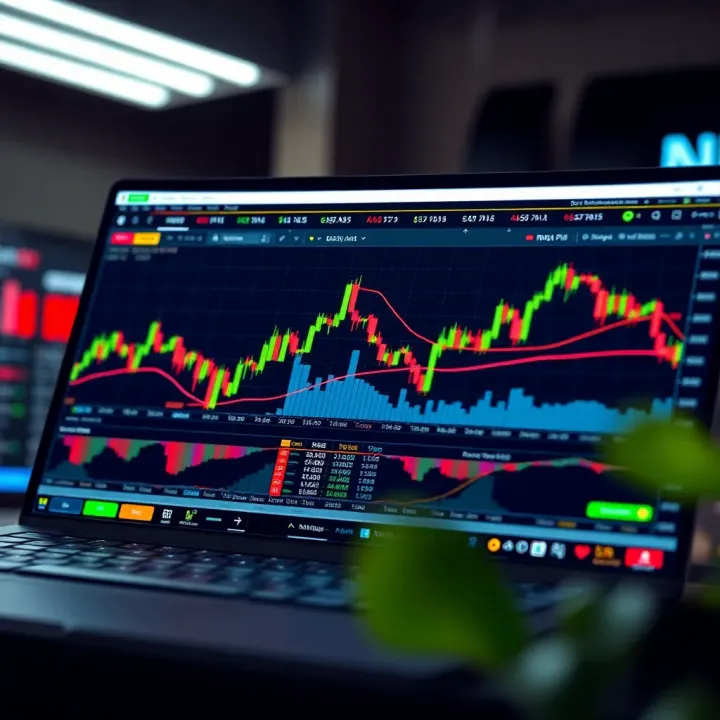
Discover trusted forex trading sites for Nigerian traders. Learn about regulation, fees, tools, and resources to trade confidently. 📈💰🌍
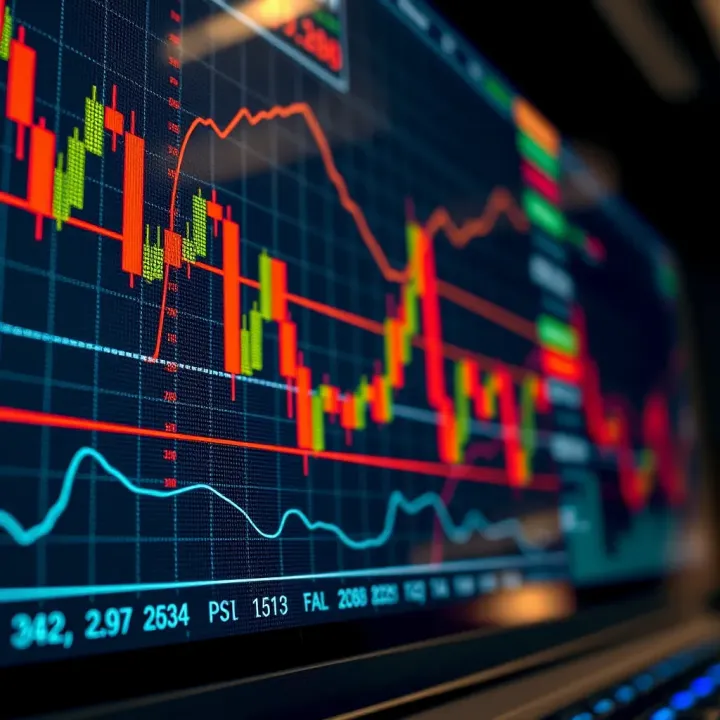
📈 Discover the best forex trading strategies and tips for Nigerian traders! Learn how to pick brokers, manage risks, and analyze markets for success. 🇳🇬💰
Based on 7 reviews