
Best Forex Trading Signals for Nigerian Traders
Discover how Nigerian traders can spot trustworthy forex trading signals 📈 Learn to evaluate providers & boost your trading strategy with practical tips!
Edited By
Emily Foster
Forex trading signals serve as tools that guide traders through the complex and often unpredictable foreign exchange market. For Nigerian traders dealing with the constant ups and downs of forex, these signals can provide valuable insights to make timely decisions.
At its core, a forex trading signal is a recommendation generated by either human analysts or automated software, suggesting the best times to buy or sell specific currency pairs. These recommendations rely on analysing market trends, economic indicators, and price movements.
For instance, a popular signal might advise traders to buy USD/NGN when certain technical indicators show a bullish trend, helping to capitalise on a potential rise in the dollar against the naira. This approach can especially aid Nigerian traders who may not have time or expertise to watch the market constantly.
Trading signals vary widely, but the most common include:
Manual signals: Generated by experienced traders or analysts based on fundamental and technical analysis.
Automated signals: Produced by software algorithms that scan market data to identify profitable trading opportunities.
Copy trading signals: Where beginners replicate trades shared by successful traders through platforms.
Each type offers different levels of involvement and risk, so traders need to understand what suits their style and knowledge.
"Using forex trading signals wisely can be a significant advantage, but relying on them blindly often leads to losses. Nigerian traders must learn to verify and combine signals with their own analysis."
Nigerian forex traders face unique factors like naira volatility, power supply issues, and limited access to data. Signals that consider local economic events, Central Bank of Nigeria (CBN) policies, and global factors affecting the naira are often more effective.
To use signals well, traders should:
Verify the credibility of signal providers.
Use demo accounts to test signals before risking real money.
Combine multiple sources of information, not just signals alone.
Manage risk with stop-loss orders to limit potential losses.
Understanding these basics equips Nigerian traders to make signals a practical part of their forex strategy rather than a shortcut to guaranteed profits.
This foundation sets the stage for exploring how signals impact trading outcomes, common pitfalls, and how to identify trustworthy providers tailored for Nigeria’s growing forex scene.
Forex trading signals serve as alerts that guide traders on potential entry and exit points in the currency market. For Nigerian traders facing the forex market’s notorious volatility and rapid price movements, these signals can act like a trusted compass amid the chaos. By offering timely advice based on market trends, trading signals help investors spot opportunities without getting lost in complex charts or overwhelmed by endless news updates.
Nigerian traders, whether seasoned investors or beginners, can gain practical benefits from these signals. They reduce the time spent analysing the market and improve decision-making confidence, especially when the naira-dollar exchange rate shifts unexpectedly because of economic or political events at home.
At its core, a forex trading signal is a recommendation or alert suggesting the best times to buy or sell a particular currency pair. These signals usually highlight three key pieces of information: the specific currency pair, the suggested action (buy or sell), and the price level to enter the trade. For instance, a signal could say: "Buy USD/NGN at ₦460," guiding the trader to take action at that rate. This clarity makes signals accessible even for those still learning forex trading.
These signals aim to support traders by distilling complex data into straightforward advice. Instead of spending hours analysing charts or tracking macroeconomic indicators like crude oil prices or Central Bank of Nigeria (CBN) announcements, a trader receives a clear suggestion on when to act. This simplifies the decision-making process, especially when market conditions change quickly, which is common in Nigeria due to various local and global factors affecting currency values.
Forex signals can be created manually by experienced analysts who study the market and use their judgment. These professionals analyse charts, news, and economic reports before sending out advice. For example, a Nigerian forex expert might observe how oil price changes impact the naira and then generate corresponding trading signals.
On the other hand, automated signals come from software tools or algorithms that analyse technical data without human bias. These programs scan price patterns, volume, and other indicators to produce signals instantly. Automated systems such as MetaTrader 4 (MT4) Expert Advisors help traders by providing real-time signals based on set rules, reducing emotional errors.
Technical analysis looks at past price movements and patterns using charts and indicators such as moving averages or the Relative Strength Index (RSI). Signals based on technical analysis rely on these patterns to predict future price actions. For example, if USD/NGN breaks past a resistance level, a technical signal might suggest a buy.
Fundamental analysis, meanwhile, examines economic factors like interest rates, inflation, or political events. If Nigeria’s inflation rate rises unexpectedly, a fundamental signal might advise selling the naira against stronger currencies. Nigerian traders benefit from combining both approaches for signals, helping them stay alert to technical trends and economic shifts alike.
Using forex trading signals wisely requires understanding their source and the methods behind them. Signals created through a mix of solid technical and fundamental analysis tend to offer more reliable guidance for Nigerian traders navigating a challenging market environment.
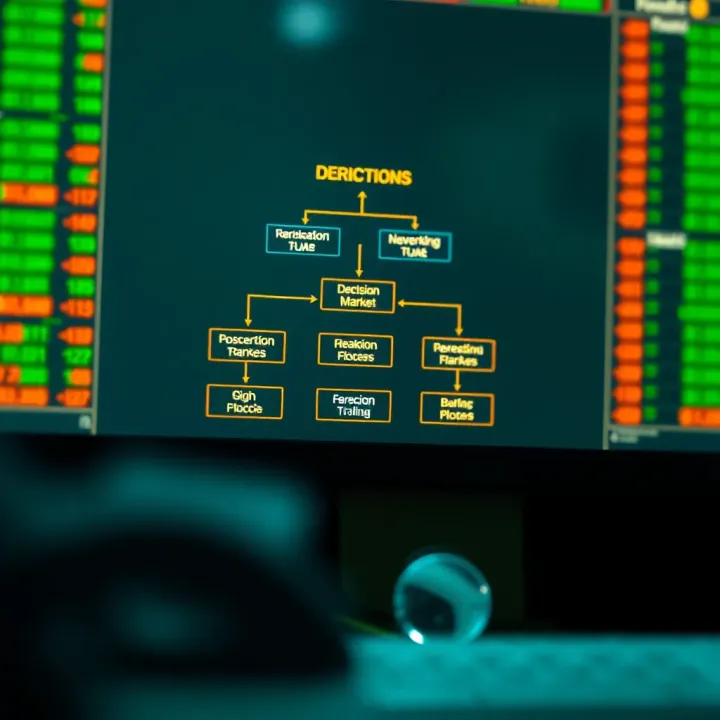
Forex trading signals come in different forms, each offering distinct information that helps Nigerian traders make smarter decisions. Understanding the types of signals widely used locally can boost your trading results and tailor your strategy to your needs.
Buy and sell entry points are the basic building blocks of forex signals. These pointers tell you when to enter the market, either by buying or selling a currency pair. For example, a signal might suggest buying the USD/NGN pair at ₦450 if technical indicators predict upward movement. This helps traders avoid guesswork and seize opportunities at the right moment, especially in volatile markets like Nigeria's.
Entry signals are crucial for day traders who depend on quick decisions. They allow you to identify price levels where the market is expected to move favourably. However, relying only on entry points without other guidance can expose you to unnecessary risk, so it’s wise to combine these with exit strategies.
Stop loss and take profit signals protect your capital by indicating when to cut losses or secure profits automatically. A stop loss sets a price point to limit potential losses, while take profit locks in gains at a defined level. Imagine you bought EUR/USD at 1.2000; a signal might recommend setting a stop loss at 1.1950 and take profit at 1.2100.
These levels are especially valuable in Nigerian trading environments, where price swings can be sharp and sudden. Using stop loss and take profit signals keeps your risk managed, eliminating the need for constant monitoring. This approach suits traders juggling trading alongside other commitments.
Well-placed stop loss and take profit points help traders avoid emotional decision-making and stick to a disciplined strategy.
Long-term signals typically cover positions held from several days to weeks or months. These signals focus on bigger market trends and require patience. For instance, a signal might suggest buying a currency pair anticipating economic policy shifts in Nigeria over upcoming months, appealing to investors with longer horizons.
On the other hand, short-term signals are designed for quick trades, often within hours or a single day. This suits intraday traders aiming to capitalise on daily price fluctuations. Short-term signals demand constant attention but can offer faster returns if timed well.
Long-term signals suit Nigerian traders with steady capital and less time to monitor trades continuously, such as salaried workers. They can focus on broader market fundamentals and carry positions through short-term volatility.
Conversely, short-term signals appeal to seasoned traders who thrive on market momentum and can dedicate time to watch charts and execute trades swiftly. New traders might find these too stressful without experience.
Understanding your trading style and available time will help you choose between long-term and short-term signals to maximise benefits.
In summary, recognising these signal types lets Nigerian traders pick the most effective tools to navigate forex markets confidently and responsibly.
Forex trading signals can be both a helpful guide and a source of risk for Nigerian traders. Knowing the benefits alongside the potential pitfalls helps you balance your trading approach and avoid costly mistakes.
Saving time on market analysis
Forex signals can save significant time for traders who don't have hours to spend studying charts or economic reports. For instance, a busy professional in Lagos who trades after work can rely on signals to identify when to enter or exit a trade without spending the evening analysing complex data. By cutting down on research time, traders can focus on strategy execution and risk management instead.
Access to expert insights
Many signal providers use experts or sophisticated algorithms to analyse market trends that may be hard to spot for beginners or even intermediate traders. This means Nigerian traders can tap into market information generated by professionals or technology operating 24/7, which is especially useful during volatile market hours outside local trading times. It’s like having a seasoned adviser giving tips while you focus on other commitments.
Supporting less experienced traders
For new entrants into forex trading, signals offer a practical learning curve by showing suggested buy and sell points and risk controls. This scaffolds understanding of how the forex market moves, helping novices avoid common rookie errors. However, relying on signals in this way should gradually give way to developing personal analysis skills.
Signal accuracy and reliability concerns
Not all signals hit the mark, and Nigerian traders must be aware that no provider guarantees profits. Market conditions can change abruptly due to unexpected geopolitical events or central bank policy shifts. A signal that worked well yesterday may fail next tomorrow. Over the long haul, relying solely on signals without confirming market context can cause losses.
Overreliance and lack of personal analysis
Depending too much on signals risks stunting your personal trading growth. Without practising your own analysis of price patterns and economic indicators, it’s easy to follow signals blindly. This can create vulnerability if the provider’s system falters or if signals come late. Developing critical thinking alongside signal use ensures better decision-making in dynamic markets.
Potential for scams and misleading providers
Unfortunately, some signal providers target Nigerian traders with unrealistic promises of guaranteed returns or secret strategies. These scams can drain your capital quickly. Legitimate providers usually allow trial periods, have transparent records, and warn about market risks. Always research provider reputation and avoid those asking for large upfront fees without a credible track record.
Remember, forex signals are tools, not magic bullets. Use them carefully, and combine with your analysis and good money management to improve your chances of success.
Balancing the clear benefits of signals with awareness of their limitations helps Nigerian traders avoid common traps and builds a stronger foundation for forex trading success.
Navigating the forex market without guidance can feel like driving blindfolded through Lagos traffic. Forex trading signals serve as valuable traffic signs, but maximising their benefit requires careful approach. Nigerian traders need to verify signal providers, know how to integrate signals into their trading routines, and use the right tools to stay ahead.
Before trusting any signal provider, check their history of accuracy. Many Nigerian traders have fallen into traps by following unverified sources promising quick wins. Look for providers with transparent performance records over several months or even years. Online forums, trading communities like FXProTown, or social media groups often hold discussions revealing which providers deliver quality signals regularly. For example, a provider consistently giving signals with 70–80% accuracy over six months is more reliable than one flashing big promises but no recorded proof.
In Nigeria, where scams can be rampant, relying on regulated or well-established international signal services adds a layer of safety. While local providers might be easier to access, many are unregulated, increasing risk. Globally recognised platforms with regulatory oversight such as those licensed by the Financial Conduct Authority (FCA) or Australian Securities and Investments Commission (ASIC) tend to maintain higher standards. Nigerian traders should prioritise signal sources linked to reputable brokers or those with established brand trust to avoid falling victim to misleading advice.
Forex signals should not replace your own analysis but complement it. An effective trader in Nigeria actively studies market fundamentals—like how CBN policies affect the naira—and technical charts alongside signals. For instance, if a signal suggests buying USD/NGN but local macroeconomic data points to naira strength, a prudent trader might wait or adjust position size. This blend helps avoid blind reliance and sharpens decision-making.
Even the best signals won’t guarantee profits every time. Nigerian traders must set clear limits on how much capital to risk per trade and avoid chasing losses. A typical risk approach involves risking only 1–2% of trading capital per position to withstand market swings without wiping out accounts quickly. This discipline guards against the temptation to overtrade based on frequent signals or emotional impulses, common pitfalls in the volatile market.
Mobile technology drives forex trading in Nigeria. Apps like WhatsApp, Telegram, and Signal are hotspots for sharing forex signals promptly among traders. Some providers maintain dedicated Telegram channels where signals come live, with explanations that help beginners follow along. However, traders should be cautious: channels with many members don’t always guarantee quality. Evaluating such platforms’ credibility helps avoid herd-following bad advice.
Most Nigerian forex traders use MetaTrader 4 (MT4) or MetaTrader 5 (MT5) platforms. Reputable signal providers often offer integration tools—such as Expert Advisors (EAs)—that automate the process of executing trades based on received signals. This saves time and reduces the risk of missing opportunities due to human delay. Moreover, linking signals with trusted local brokers that allow seamless deposits in naira supports smoother trading experiences and helps beat liquidity or withdrawal issues common with foreign counterparts.
To get the best out of forex signals in Nigeria, a balanced mix of careful provider verification, disciplined trade management, and the smart use of technology is the way forward. Signals should aid—not replace—your informed trading decisions.
Using forex trading signals can be a solid way to make better market decisions, but many Nigerian traders fall into avoidable traps that cost them money. Steering clear of common mistakes improves your chances of turning signals into profit rather than losses. Below are key areas that deserve your attention.
Forex signals providers sometimes paint a picture too rosy, claiming 90% or even 100% success rates. Such guarantees should raise red flags rather than excite you. The forex market is volatile and influenced by countless factors — no one can predict outcomes with absolute certainty. For instance, a signal service promising daily huge returns with zero losses usually lacks transparency or might be a scam targeting Nigerians hungry for fast money. Always scrutinise claims carefully and check for verifiable track records before trusting any signal provider.
Trustworthy signal services admit the risks involved and offer no absolute guarantees. They focus on probability, not certainty.
One common mistake is treating every signal as a must-act-on order, leading to overtrading. This behaviour drains capital fast, especially in a market like forex where spreads and commissions add up. For example, if Nigerian traders push their funds into multiple trades daily just because signals suggest so, they might burn through their accounts quickly during periods of market fluctuation or wrong predictions.
Instead, signals should complement your trading plan, not replace it. Take time to review each signal, consider your risk tolerance, and act selectively. It’s better to miss some trades than to lose all your capital chasing every alert.
Trading discipline is vital but often undervalued. Emotional reactions like fear or greed can sabotage even the best signal strategies. Nigerian traders, like others, sometimes panic when trades briefly go against them or get overconfident after a win.
To manage emotions:
Stick to your predetermined stop loss and take profit levels
Avoid sudden changes to your trading routine based on one or two signals
Maintain a trading journal to track decisions and outcomes
A clear-headed approach will help you resist impulsive moves and get consistent results over time.
In summary, using forex trading signals wisely requires realistic expectations, restraint in trade execution, and strong emotional control. Nigerian traders who master these areas will protect their capital and improve their chances of success in the competitive forex market.
Discover how Nigerian traders can spot trustworthy forex trading signals 📈 Learn to evaluate providers & boost your trading strategy with practical tips!
💹 Explore forex trading basics in Nigeria: understand currency pairs, market players, strategies, and risk management for smarter investments! 📈
Explore how Nigerian investors can benefit from forex trading 🌍. Learn about its high liquidity, market access, flexibility, and what sets it apart from other investments 📈.
📊 Discover top forex trading indicators used by Nigerian traders for smart market analysis! Learn to combine tools & manage risks effectively.
Based on 12 reviews