
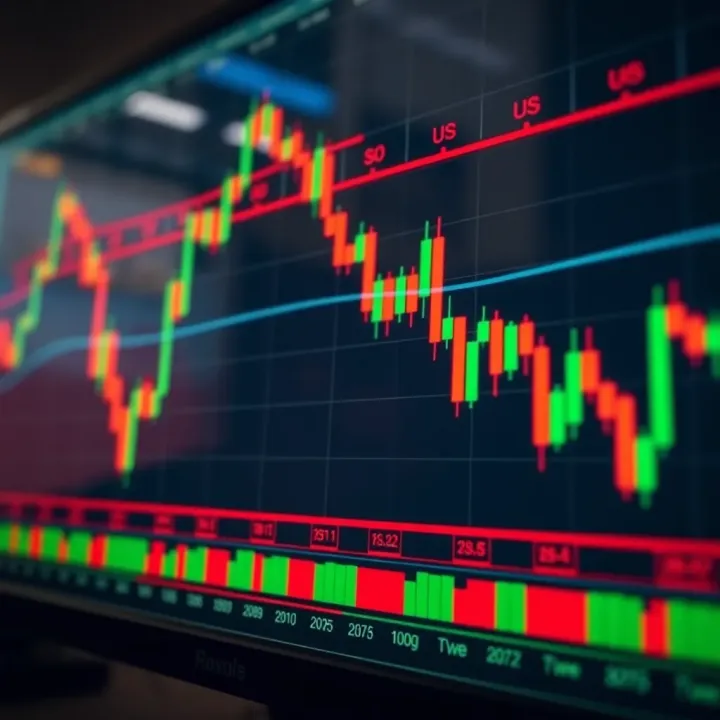
35 Essential Candlestick Patterns Explained
Learn 35 candlestick patterns📊 for smart trading decisions. Spot signals clearly and boost your investment skills with our detailed guide + PDF📄.
Edited By
James Stewart
Japanese candlestick patterns offer a powerful visual tool for understanding price movements in financial markets. Used widely across global markets — including the Nigerian Stock Exchange (NGX) and forex trading platforms — these patterns help traders and investors spot potential trend reversals and continuations without relying solely on complex indicators.
At its core, a candlestick represents price action over a specified time frame, showing the opening, closing, high, and low prices. Unlike simple line charts, candlesticks paint a fuller picture that captures market sentiment and momentum clearly. For Nigerian traders, mastering these patterns can improve decision-making when trading stocks like Dangote Cement, MTN Nigeria, or even commodities such as crude oil.
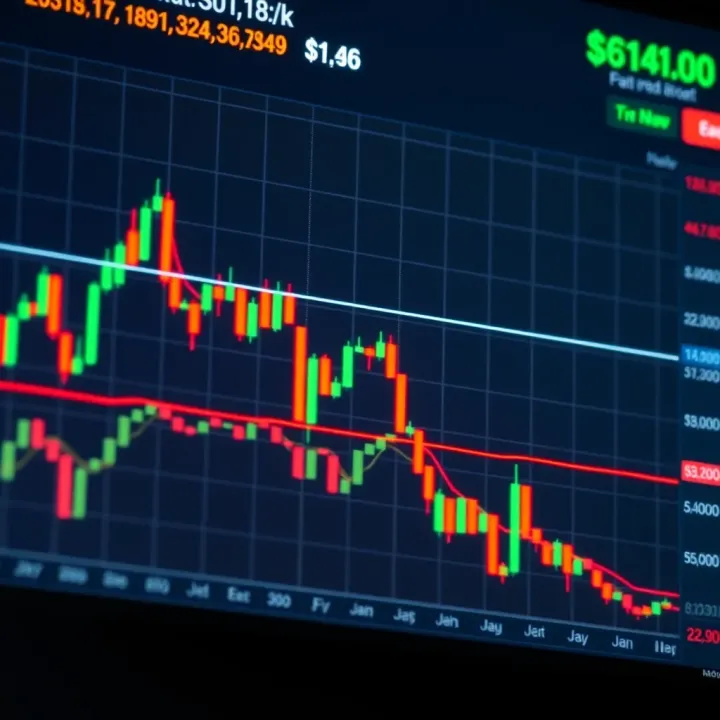
Understanding key candle components is essential:
Body: The filled or hollow part showing opening and closing price difference
Wick (shadow): Thin lines above or below showing the highest and lowest traded prices
Colour: Typically, a green (or white) candle means prices closed higher than they opened, while red (or black) means a drop
Some common patterns include:
Doji: When open and close prices are nearly the same, signalling indecision
Hammer: A small body at the top with a long lower wick, often showing a potential reversal at market lows
Engulfing: A larger candle completely covering the previous one, suggesting strong momentum shift
Grasping these signals can help investors avoid common pitfalls like entering trades too late or holding losing positions for too long.
To apply these patterns effectively, Nigerian traders should integrate them with other technical tools and market fundamentals, like volume data or economic news — for instance, CBN interest rate changes or fuel subsidy updates.
This guide goes further by providing useful PDF resources, allowing you to practise reading candlestick charts offline. These resources are especially handy where internet access is patchy or expensive. Equipped with this knowledge, Nigerian investors can make sharper, more confident calls on their market moves.
Overall, Japanese candlestick patterns serve as a straightforward yet potent method to decode market action, enabling better timing and insight in your trading and investing strategies.
Japanese candlestick patterns offer a visual representation of price action that many traders find indispensable. For Nigerian investors navigating markets such as the Nigerian Stock Exchange (NGX) or forex pairs like USD/NGN, understanding these patterns allows for clearer entry and exit points. This section lays the groundwork by explaining their history, structure, and practical importance.
Japanese candlesticks date back to the 18th century, originally developed by rice traders in Japan. Munehisa Homma, a rice merchant, used them to gauge market sentiment, blending psychology with price action. This early innovation remains relevant, as candlesticks capture the tug-of-war between buyers and sellers within a trading period.
For Nigerian traders, this history is more than trivia: it signals a technique tested over centuries, adaptable to markets from agricultural commodities to tech stocks like MTN or Zenith Bank. Using candlesticks can help local investors anticipate market turns even when data might be limited or volatile.
Compared with line or bar charts, candlesticks provide more nuance. While line charts show only closing prices, candlesticks reveal four price points — open, close, high, and low — giving a fuller picture of market momentum. Bar charts offer similar data but lack the immediate visual cues from colour-coded bodies and shadows that hint at trader direction and strength. This makes candlesticks particularly useful for spotting patterns and reversals.
Each candlestick represents price movement for a specific timeframe, whether one minute, one hour, or one day. It reflects four essential points: the opening price, closing price, highest price, and lowest price within that interval. For example, a daily candlestick for a share on the NGX will show how the stock performed during that full trading day.
The candle body — the wide portion — shows the range between open and close. A large body indicates a strong price move, while a small body suggests indecision. Shadows, or wicks, extend from the body and represent extremes: the high and low for the period. Long shadows may imply rejection of certain price levels, a common occurrence in Nigerian markets during periods of uncertainty or news releases.
Colour coding helps quickly identify trends. A bullish candle, often green or white, signals the close was higher than the open — buyers controlled the session. Bearish candles, usually red or black, show the close fell below the opening price, meaning sellers held sway. For instance, a bullish candle on the NGX might correspond with positive company results or favourable sector news, while bearish candles may reflect economic concerns or naira depreciation.
Recognising the basic anatomy of candlesticks and their colours equips Nigerian traders with the foundation needed to spot meaningful patterns and make informed decisions in real time.
By grasping these basics, you set yourself up for the more complex patterns and strategies described later in this guide.
Single candlestick patterns serve as the foundation for understanding market behaviour in technical analysis. Their simplicity makes them highly practical, especially for Nigerian traders navigating volatile markets such as forex or equities on the Nigerian Exchange (NGX). Recognising these patterns can alert you early to potential price reversals or pauses, helping you make decisions faster and with more confidence.
A Doji candle forms when the opening and closing prices are almost the same, producing a very small body. This pattern signals a stalemate between buyers and sellers. In Nigerian forex markets, for example, spotting a Doji after a strong uptrend might warn you that buyers are losing momentum, and a correction or reversal could be imminent.
The practical value lies in its warning to pause and assess market strength rather than jumping in. It’s like traffic lights signalling caution before a busy junction; you don’t rush without checking.
Both the Hammer and Hanging Man have small bodies and long lower shadows but appear in different trend contexts. A Hammer shows up after a downtrend and suggests bullish reversal — buyers are stepping in to push prices back up. Conversely, a Hanging Man emerges after an uptrend, warning that sellers may be gaining ground.
For Nigerian stock traders dealing with NGX-listed companies like Dangote Cement or MTN Nigeria, spotting a Hammer after price dips can encourage buying before a rally. Meanwhile, a Hanging Man during a rally might signal an upcoming pullback, prompting caution.
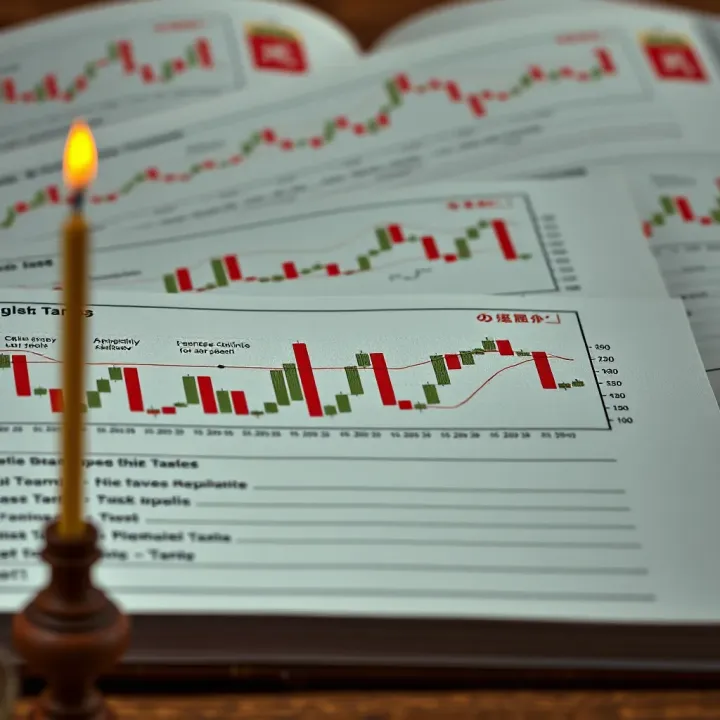
The Shooting Star appears after an uptrend, characterised by a small body near the low and a long upper shadow. It usually suggests that buyers tried to push prices higher but failed, so sellers took control. This is often a bearish signal.
The Inverted Hammer looks similar but shows up after a downtrend, hinting at possible trend reversal upwards as buyers start challenging sellers. Both patterns are helpful for Nigerian traders who want to catch early signs of trend shifts in markets prone to sudden moves due to economic or political news.
A candlestick pattern by itself does not tell the full story. Look at the volume of trades to confirm signals. For instance, a Hammer with a surge in volume on the NGX suggests genuine buying interest, making the reversal more trustworthy.
Additionally, consider overall trends influenced by local factors like election periods or CBN monetary policy changes. A Doji during a flat market will carry less weight than one during a clear uptrend or downtrend.
Foreign exchange markets involving the naira are often affected by global oil prices, CBN interventions, and parallel market rates. Single candlestick patterns can highlight moments when these influences cause sudden buying or selling pressure.
Similarly, Nigerian stocks listed on the NGX react to earnings reports, dividends, and macroeconomic indicators. Using candlestick signals alongside basic fundamental insights improves timing and reduces guesswork.
Consider a Hammer forming on the chart of Nigerian Breweries shares after a sustained decline. This pattern, backed by increased trade volume and positive quarterly results, could prompt buying before the price rises.
On the forex side, a Doji appearing on the USD/NGN chart after days of rapid depreciation signals pause, helping forex traders decide whether to hold or exit positions amid market uncertainty.
Recognising and interpreting these single candlestick patterns correctly provides a valuable edge in Nigeria’s often unpredictable trading environment. Combine them with local context and volume analysis to improve your trading decisions effectively.
Multi-candlestick patterns give traders a clearer view of market sentiment by combining signals from two or more candles. Unlike single candlesticks, these patterns help confirm potential trend reversals or continuations with greater reliability. For Nigerian investors dealing in stocks on the Nigerian Exchange (NGX) or forex pairs like USD/NGN, recognising these patterns can improve timing and reduce the risk of false signals.
Bullish and Bearish Engulfing patterns show strong shifts in market momentum. A bullish engulfing occurs when a small bearish candle is followed by a larger bullish candle that completely covers it, signalling a likely upward reversal. For example, if a stock like Dangote Cement shows this pattern after a downtrend, it could indicate buyers regaining control.
Conversely, a bearish engulfing has a large bearish candle overtaking a smaller bullish candle, suggesting a potential downward move. Traders watching currencies like the naira or using CFDs can apply this pattern to exit long positions or prepare for a dip.
Piercing Line and Dark Cloud Cover patterns reflect indecision turning into a possible reversal. The piercing line appears after a bearish candle, followed by a bullish candle closing above the midpoint of the first, hinting at renewed buying interest. This can be observed in commodities like oil when prices have been falling.
The dark cloud cover pattern is the opposite: after a bullish candle, a bearish candle closes below its midpoint, signalling sellers pushing back. This pattern is practical for Nigerian investors in volatile stocks or sectors affected by external shocks.
Tweezers Tops and Bottoms consist of two candles with matching highs or lows, indicating strong support or resistance zones. A tweezer top may occur at a peak, warning of a possible drop, while a tweezer bottom forms at a trough, hinting at a bounce. These patterns can be especially useful during ember months when markets often show indecisiveness and range-bound behaviour.
Morning Star and Evening Star are classic three-candle reversal setups. The morning star signals a bullish reversal after a downtrend with a small-bodied candle between a bearish and a bullish candle, indicating shift from selling to buying pressure. Nigerian traders spotting this on NGX-listed stocks like MTN Nigeria might consider taking long positions.
The evening star is the bearish counterpart, signalling a top and possible downturn. It starts with a bullish candle, followed by a small-bodied candle, then a bearish candle that confirms selling momentum.
Three White Soldiers and Three Black Crows represent strong continuation signals.
Three white soldiers are three consecutive long bullish candles, each closing higher, showing strong buying momentum. This pattern can confirm an uptrend after a consolidation phase.
Three black crows consist of three straight bearish candles indicating strong selling. For forex traders monitoring USD/NGN or GBP/NGN, these patterns can guide entry and exit decisions.
In Nigeria’s often volatile markets, multi-candlestick patterns still provide valuable clues but need confirmation with other tools like volume or moving averages. Sudden macroeconomic news or regulatory changes might cause false signals, so relying solely on these patterns can be risky.
Traders should watch for consistency in higher timeframes and use stop-loss orders to manage risk. Also, combining pattern signals with local market conditions — like fuel scarcity impact on logistics companies — helps in making informed choices.
Remember, no single candlestick pattern guarantees results; understanding their strengths and limits makes you a smarter trader.
By mastering multi-candlestick patterns along with other analysis tools, Nigerian traders can navigate price movements more confidently and spot better entry and exit points in their trades.
Mastering Japanese candlestick patterns is only part of the story; knowing how to use them effectively can mark the difference between spot-on trades and costly mistakes. These patterns on their own offer hints about market sentiment, but combining them with other technical tools makes the signals stronger and easier to trust. Also, by understanding Nigeria’s market quirks, traders can adjust their approach to avoid false alarms that often come with local volatility.
Using moving averages alongside candlestick patterns gives you a solid sense of trend direction. For example, in the Nigerian Stock Exchange (NGX), a bullish engulfing pattern appearing above the 50-day moving average can be a reliable buy signal. Also, the Relative Strength Index (RSI) helps to identify if the market is overbought or oversold. Suppose you spot a hammer candle signalling a reversal at an RSI below 30; this confluence suggests a stronger chance of an upward bounce.
Volume data delivers confirmation or warning about candle signals. A breakout candle with increased volume on equities like MTN Nigeria indicates genuine interest behind the move. Conversely, low volume during a supposed reversal pattern on forex pairs like USD/NGN might suggest caution, as the price action lacks backing. Trader attention to volume helps avoid chasing weak or fake trends, reducing losses.
Nigeria’s markets have nuances such as sudden spikes caused by political events, Naira fluctuations, or embargo announcements. These cause high volatility, often leading to deceptive candlestick signals. Adjusting your strategy means avoiding over-reaction to single signals during these periods; combining patterns with volume trends and moving averages can filter out noise. For instance, during the ember months, market swings increase, so relying purely on candlestick signals without other tools increases risk.
False signals often appear in high volatility, especially during reports like CBN’s monetary policy announcements or fuel scarcity news. A sharp price move may create bullish or bearish candles that don’t follow through. Nigerian traders should wait for confirmation, like a second candle supporting the pattern, before acting.
Risk management is vital. Never risk more than a small percentage of your capital on a single trade, especially when relying on patterns that can fail. Use stop losses placed below support or above resistance areas indicated by candlesticks. For example, if a shooting star candle forms near a resistance level on the NGX, place a stop loss just above the candle's high.
Choosing the right timeframe matters. Day traders may prefer 15-minute or hourly charts where candlestick patterns emerge faster. Investors looking at longer horizons might rely on daily or weekly charts for sturdy signals. In Nigeria, where markets can be illiquid at certain hours, longer timeframes could avoid misleading spikes common in intraday charts.
Combining Japanese candlestick patterns with other tools and adapting to Nigeria’s market specifics boosts your chance of success in trading. Patience and risk control are your best friends.
Applying these practices helps Nigerian traders turn straightforward candle patterns into reliable guides amid local market complexities. It pays to learn, practise, and remain cautious rather than blindly trusting single signals.
Access to quality PDF resources on Japanese candlestick patterns can significantly improve a trader's ability to understand and apply these charting tools. For Nigerian investors, who often balance limited internet access and irregular power supply, having offline materials ensures continuous learning without disruptions. PDFs also provide a structured reference that traders can revisit anytime, helping build confidence before making real trades.
Trusted Nigerian and international websites offer free and paid downloadable PDFs tailored for all levels, from beginners to advanced traders. Nigerian finance portals and investment education websites frequently curate guides that incorporate local market examples, making them more relatable. International sites like Investopedia and Academy of Financial Trading often have detailed reports and cheat sheets which are globally respected for their accuracy and clarity.
These resources often explain complex concepts with charts and annotated examples, simplifying learning. Nigerian traders can especially benefit from PDFs that highlight forex and NGX stock trading strategies, bridging the gap between theory and the domestic market.
Official broker resources and educational platforms provide reliable and up-to-date PDF materials. Most licensed brokers operating in Nigeria, such as GTBank Securities or Meristem Securities, offer downloadable guides for clients. These guides include practical strategies based on local market conditions and sometimes come with supplementary video tutorials.
Using documents from brokers ensures the information aligns with current trading regulations and platform features. Moreover, educational platforms like the Nigerian Stock Exchange offer PDFs on technical analysis, including candlestick patterns, which are credible and free.
Downloading and saving for offline study is vital given Nigeria's inconsistent internet connectivity and frequent power outages. Keeping a personal library of PDFs means traders can study charts during downtimes or commuting. Storing these files on mobile devices or laptops allows for quick access without delays or additional data costs.
Offline study also suits traders who attend seminars or group discussions; they can easily share and reference materials without needing internet to confirm facts. Organising PDFs into folders by topic or market segment helps in quick retrieval during live trade analysis or revision.
Using PDFs alongside charting software helps bridge theory with practice. Traders can open PDF explanations while observing real-time charts on platforms like MTN Securities or OANDA Nigeria. This side-by-side approach allows immediate recognition of patterns as they form and boosts retention.
For example, if a PDF highlights a bullish engulfing pattern, a trader can monitor their NGX stock chart to spot such formations. Interacting dynamically with both resources improves interpretation skills and sharpens decision-making.
Practising pattern recognition with examples found in PDFs is a key step to mastery. Many guides include historical charts displaying patterns with explanations. Nigerian traders should pause and try identifying these patterns independently before reading analyses.
This active engagement trains the eye to catch subtle shapes quickly, a critical skill when market prices move fast. Regular practice also helps distinguish genuine signals from false ones, an issue during volatile periods common in Nigerian markets.
Applying lessons to real trading scenarios turns theory into profit. After mastering patterns through PDFs, Nigerian investors can start testing strategies on demo accounts or with small capital on platforms like Trove or Piggyvest. Carefully noting success and failures will inform strategy adjustment.
Many PDFs advise combining candlesticks with volume data or moving averages—Nigerian traders who apply these combos often see better timing for entry and exit points. Real-world application solidifies learning far better than passive reading.
Continual access to and proficient use of Japanese candlestick pattern PDFs equip Nigerian traders with a practical, ready-reference tool. This consistent practice improves their market reading ability and supports smarter investment decisions.
In sum, reliable PDF resources, when combined with active charting and hands-on practice, form a robust learning ecosystem for any serious trader in Nigeria. Take time to select reputable materials, save them for offline use, and integrate lessons gradually into your trading daily.
Learn 35 candlestick patterns📊 for smart trading decisions. Spot signals clearly and boost your investment skills with our detailed guide + PDF📄.
📉 Learn to spot and use bearish candlestick patterns in trading. Understand market signals and make smarter trading decisions in Nigeria and beyond.

📈 Explore popular candlestick patterns with clear guides and market insights. Download a handy PDF to boost your trading skills in Nigeria and beyond! 🇳🇬
📊 Discover key candlestick patterns in trading, how to read market moves effectively, and make smarter decisions with this detailed guide.
Based on 13 reviews