
Best Time to Trade Forex for Nigerian Traders
📈 Discover the best time for forex trading in Nigeria! Learn how market hours, currency behaviors, and economic news can boost your trading strategy. ⏰💹
Edited By
Henry Collins
Margin in forex trading is the cash a trader must set aside with their broker to open and keep a position active in the currency market. Unlike paying the full value of a trade upfront, margin acts as a kind of security deposit — enabling traders to handle larger trades with relatively small capital. This feature makes forex trading accessible, especially for Nigerian traders who might not have vast funds but want significant market exposure.
Understanding margin involves grasping how much money the broker requires to maintain your trades and recognising the risks that come with it. For example, if a trader wants to take a position worth ₦1,000,000 but the margin requirement is 5%, they only need to set aside ₦50,000. The rest is effectively provided by the broker through leverage.
Margin lets you amplify your trading power but not without added risk. Using it without a clear strategy can lead to losses that exceed your initial capital.
Margin also comes with terms like margin call — a warning from the broker that your account equity is low and you may need to add more funds to sustain your position.
Nigerian traders must be cautious about margin usage because forex markets can be volatile, especially with factors like naira fluctuations and geopolitical events impacting currency prices. Managing margin effectively means knowing when to open or close trades and ensuring you don't overextend your exposure.
In this article, we break down how margin works, highlight essential risks related to it, and offer practical tips for Nigerian traders to manage margin confidently. By doing so, you can avoid common pitfalls and make smarter decisions that protect your trading funds while seeking profit opportunities in the forex market.
Margin in forex trading is often misunderstood, but it serves a very practical purpose. Simply put, margin is the amount of money a trader needs to put down as a security to open a position in the forex market. It’s not the full cost of the trade, but a fraction that lets you control a much larger amount of currency.
Margin acts as a deposit held by your broker to keep your trade open. For example, if you want to buy $10,000 worth of USD/NGN, with a 2% margin requirement, you only need ₦20,000 worth of the trading account funds as margin. This allows you to enter larger positions without needing the full value of the trade upfront. It’s important to remember that margin is not a fee — it’s your own money reserved to cover any potential losses.
Margin enables traders in Nigeria to participate actively without locking all their capital in one trade. This flexibility is particularly useful when you don’t want to invest a large chunk of your funds at once but want exposure to movements in the forex market.
Margin and leverage are closely linked but not the same thing. Margin is the amount you need to open a position, while leverage is the multiplier that shows how much you can control with that margin. In practice, if your broker offers 50:1 leverage, it means for every ₦1,000 you put as margin, you control ₦50,000 worth of currency.
For Nigerian traders, leverage magnifies both profits and losses. If the trade moves in your favour, your returns are higher than your initial margin would suggest. However, losses can also exceed your initial margin if the market moves against you, making risk management essential. Brokers regulated in Nigeria typically cap leverage to reduce excessive risk.
Two important terms related to margin are initial margin and maintenance margin. Initial margin is the amount you need to open a position. Using the earlier example, if the margin requirement is 2%, that 2% represents your initial margin.
Maintenance margin, on the other hand, is the minimum amount you must maintain in your account to keep the position open. If your account equity falls below this, your broker may issue a margin call, requiring you to top up your account. If you fail to do so, the broker can close your positions to prevent further losses.
Understanding these basic terms is key to managing your forex trades effectively and staying in control of your risks.
When trading forex, understanding how margin operates in the practical sense is key to managing your capital effectively and avoiding costly mistakes. Margin lets you open bigger positions than your initial capital would normally allow, but it also means you must meet certain requirements to keep these positions open. Nigerian traders benefit from grasping these mechanics because the market moves quickly and volatile swings can trigger margin consequences unexpectedly.
Calculating the required margin is straightforward once you know your position size, leverage, and the currency pair you want to trade. Margin is the amount of money your broker holds as collateral to cover potential losses. The usual formula for required margin is:
plaintext Required Margin = (Trade Size / Leverage)
For example, if you want to trade 100,000 units (a standard lot) of EUR/USD with 50:1 leverage, your margin needed will be 100,000 ÷ 50 = 2,000 units of the account currency (often USD or naira equivalent).

It's crucial to confirm your broker’s leverage offerings and margin calculation method upfront, as these may differ. Also, fluctuations in exchange rates can slightly adjust your required margin, especially when trading pairs involving the naira.

### Example of Margin Use in a Forex Trade

Say you have ₦100,000 in your trading account and choose to trade USDCAD with 100:1 leverage. This means for every ₦1 in your account, you control ₦100 worth of the currency pair. If you open a position equivalent to ₦1,000,000, the required margin will be around ₦10,000 (₦1,000,000 ÷ 100). This leaves you with ₦90,000 as free margin to absorb market fluctuations.

If the market moves against you, say by 5%, your position would lose about ₦50,000. Your equity drops to ₦50,000, which is still above the margin required, so your position remains open. However, if losses push your equity below the required margin, you will get a margin call.

### Margin Call and Stop Out: What Nigerian Traders Should Expect

A margin call happens when your account equity falls below the broker’s required margin for your open trades. Brokers may notify you to add funds or close positions to avoid liquidation. This often triggers panic, but it’s simply a warning to manage risk better.

If losses continue and your equity falls further, the broker will execute a stop out to force-close your losing positions. This safeguard ensures you don’t owe the broker money beyond your deposit.

> Nigerian traders face margin calls most during volatile times—like during ember months or around major economic announcements. It's wise to keep close tabs on your equity and avoid over-leveraging.

In practice, managing margin means balancing your trade sizes, monitoring open positions carefully, and being ready to act on margin call alerts. Brokers like GTBank or Access Bank that provide forex services often include tools to help track margin status. Equally, using stop-loss orders can prevent margin calls by limiting losses.

Understanding how margin works directly affects your ability to trade confidently and safely in Nigeria’s forex market. Keeping calculations simple and applying realistic examples makes it easier to stay on top of your trading adventure without falling into avoidable traps.

## The Pros and Cons of Trading on Margin

Trading on margin allows Nigerian forex traders to amplify their buying power by using borrowed funds, but it comes with specific benefits and downsides that every trader should understand well.

### Advantages of Using Margin in Forex Trading

Using margin lets you control larger positions with relatively small capital. For instance, with a leverage of 50:1, you can open a ₦100,000 trade by putting up just ₦2,000 as margin. This flexibility gives traders a chance to increase potential profits on successful trades without tying up too much upfront cash.

Besides capital efficiency, margin trading provides greater market access. Nigerian traders can respond quickly to market moves or news events that affect currencies like the naira (₦) versus the US dollar ($). This agility could mean catching profitable trends that smaller accounts might miss.

Moreover, margin enables diversification. Instead of investing all your funds in one currency pair, you can spread risk across multiple positions by using margin effectively. This wider exposure may enhance your chances of consistent returns.

### Risks and Potential Pitfalls Associated with Margin

However, margin trading is a double-edged sword. Increased buying power magnifies losses as much as gains. A small adverse move in currency rates could wipe out your margin and more if you’re not careful. For example, a 2% drop against your position on a highly leveraged trade can lead to total loss of your initial margin.

Nigerian traders should be especially wary of margin calls, where brokers demand additional funds to maintain open positions. Since currency markets can be volatile, unexpected swings during ember months or global shocks could trigger forced liquidation, leading to losses you might not anticipate.

Another pitfall is over-leverage. Using too high leverage may tempt traders to take bigger risks without solid [strategies](/articles/forex-trading-strategies-nigeria/). This often results in compulsive trading and rapid depletion of capital. Also, local brokers may have varying margin requirements, so failing to understand these can leave you exposed.

> Margin trading provides excellent opportunities but requires disciplined risk management to avoid serious financial trouble.

In summary, trading on margin offers valuable benefits like enhanced market access and capital efficiency crucial for Nigerian forex traders. Still, the risks of amplified losses and margin calls mean that margin should be used wisely with clear risk controls and realistic expectations.

## Managing Margin Effectively as a Nigerian Forex Trader

Managing margin well is a key skill Nigerian traders need to safeguard their capital and boost their chances of consistent profits. Margin lets you open bigger positions than your actual deposit, but it also means losses can pile up quickly if you’re not careful. To handle this properly, you must combine smart trading habits with clear risk controls tailored to the Nigerian market.

### [Tips](/articles/forex-trading-tips-nigeria/) for Avoiding Margin Calls

Margin calls happen when your account equity falls below the broker’s maintenance margin. To avoid this, keep a healthy buffer above the minimum margin requirement. For example, if your broker requires a 5% maintenance margin, aim to maintain at least 8–10%. Resist the temptation to overtrade or use maximum leverage just because it’s available.

It helps to monitor open positions regularly, especially during volatile periods like ember months or around major economic announcements (e.g., CBN policy changes). Stop-loss orders and setting alerts on your [trading platform](/articles/best-forex-trading-platform-nigeria/) can prevent margin erosion from sudden market swings.

### Choosing the Right Leverage to Match Your Trading Style

Leverage is a double-edged sword; too little can limit profits, while too much can wipe your capital fast. For Nigerian traders, a conservative approach often works best, especially if you’re new or trading part-time alongside other commitments. Starting with leverage of 1:5 or 1:10 allows you to grasp how margin affects your trades without risking too much.

More aggressive traders may push towards 1:20 or 1:30, but should be ready with thorough risk management strategies. Remember, local brokers must comply with CBN and NSE guidelines on maximum leverage, so it’s wise to verify your broker’s permitted limits before trading.

### The Role of Risk Management Tools

Effective margin management relies heavily on risk management tools. Stop-loss orders limit potential losses per position, while take-profit orders help you lock in gains before markets reverse unexpectedly. Many forex platforms used in Nigeria, such as MT4, provide these features easily.

Besides orders, you should also diversify trades across currency pairs and avoid concentrating large sums on highly volatile pairs without adequate analysis. Using a trading journal to track margin usage and trade outcomes can reveal patterns and help refine your strategy.

> **Managing margin is not just about meeting broker requirements; it’s about protecting your trading capital from unnecessary loss and building discipline in fast-moving markets.**

Nigerian forex traders combining proper leverage, risk tools, and margin discipline tend to last longer and achieve better returns. Margin management is a practical skill, not a restriction—using it well makes trading less stressful and more profitable over time.

## Regulatory Insights and Margin Requirements in Nigeria

Understanding how margin operates within the Nigerian regulatory framework is vital for every trader. Regulation not only protects traders but also helps maintain market integrity by enforcing rules on margin use and leverage. Given the growing interest in forex trading locally, knowing which bodies oversee forex brokers and the rules they impose ensures you avoid scams and stay compliant.

### Forex Regulation and Broker Oversight by Nigerian Authorities

The primary regulators for forex trading in Nigeria include the Securities and Exchange Commission (SEC) and the Central Bank of Nigeria (CBN). The SEC supervises capital markets and licensed brokers, ensuring they operate transparently and adhere to fair trading practices. Meanwhile, the CBN oversees broader financial stability, including foreign exchange policies affecting forex trading.

Nigerian authorities have stepped up efforts to regulate forex brokers, particularly with the rise of online trading platforms. Only brokers registered with the SEC or authorised by CBN should be trusted. For example, brokers like ARM Securities and Meristem Securities are registered and offer forex trading services under strict guidelines. This oversight helps shield traders from unregulated operators who might offer unrealistic margin and leverage terms.

Traders should always verify a broker’s licence status before opening an account. Using unregulated brokers can lead to sudden account freezes or denial of withdrawals, especially when margin calls occur.

### Typical Margin Requirements and Leverage Caps in Nigeria

Regulation in Nigeria sets specific limits on leverage and margin to protect retail traders from excessive risks. The SEC typically caps leverage at around 1:100 for retail forex traders, although some brokers may offer lower limits like 1:50 depending on their policies and the trader’s experience.

For instance, if you want to trade a standard lot worth $100,000 (approximately ₦45 million), at 1:100 leverage, you only need to put down $1,000 (₦450,000) as margin. However, this margin requirement can rise sharply if the market moves against your position.

Nigerian brokers often require initial margin levels within the range of 1% to 5%, depending on the currency pair and market volatility. Exotic pairs usually demand higher margins because they are less liquid and more volatile. Additionally, maintenance margin rules compel traders to maintain a minimum equity level; falling below this triggers margin calls or forced position closures.

> Nigerian traders benefit from these regulations as they help manage exposure and reduce the risk of sudden, devastating losses due to high leverage abuse. Proper margin and leverage controls make trading safer and more predictable.

In practice, always check the specific margin and leverage terms before choosing a broker. Consider your risk tolerance and trading style to select an optimal leverage that balances potential profit with acceptable risk. This disciplined approach will help you navigate the forex market more confidently and sustainably.📈 Discover the best time for forex trading in Nigeria! Learn how market hours, currency behaviors, and economic news can boost your trading strategy. ⏰💹
📈 Discover effective forex trading strategies tailored for Nigerian traders. Learn how to manage risks, use technical & fundamental methods, and tackle common challenges.
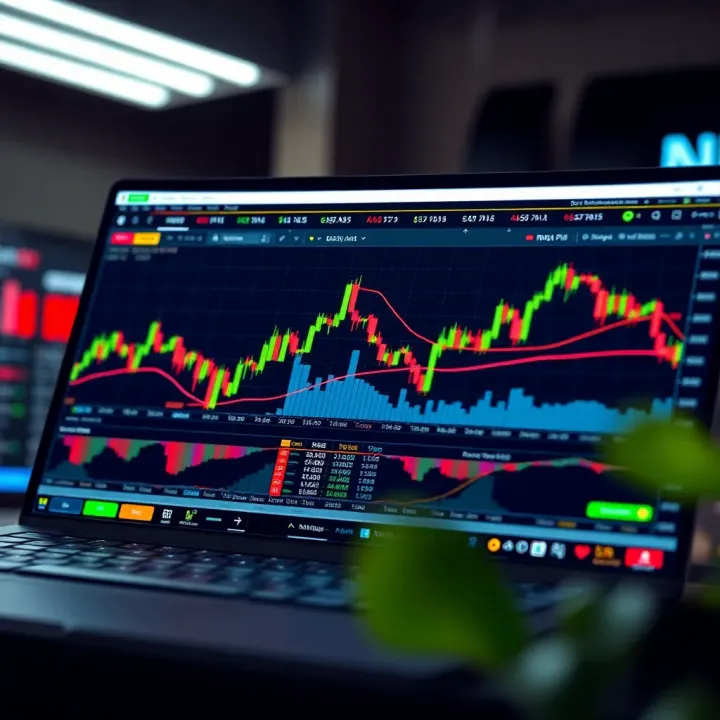
Discover trusted forex trading sites for Nigerian traders. Learn about regulation, fees, tools, and resources to trade confidently. 📈💰🌍
📈 Discover the best forex trading strategies and tips for Nigerian traders! Learn how to pick brokers, manage risks, and analyze markets for success. 🇳🇬💰
Based on 13 reviews