
Understanding Risk Management for Nigerian Businesses
Discover how Nigerian businesses can identify, assess, and control risks—from market shifts to power challenges—to protect profits and grow safely 💼⚡️📊
Edited By
Jack Morrison
Risk management stands as a key pillar for businesses, investors, and financial analysts to spot potential threats early and reduce their impact. In the Nigerian context, where market conditions can shift abruptly due to economic swings, policy changes, or infrastructure challenges, having a solid grasp of risk management can save organisations from avoidable losses.
At its core, risk management involves identifying possible risks, assessing their influence, and deciding how to address them effectively. For example, a stockbroker in Lagos must consider currency volatility, regulatory shifts by the Securities and Exchange Commission (SEC), and sudden market downturns. These risks can affect portfolio value and client trust.

A practical approach starts with risk identification — mapping out events that could disrupt operations, from fuel scarcity affecting logistics to cyber threats targeting fintech platforms like Paystack or Flutterwave. After recognising risks, the next step is to assess their likelihood and potential damage. This helps prioritize which risks need immediate attention and which can be monitored over time.
Implementing strategies ranges from risk avoidance (like not investing in certain volatile sectors), risk mitigation (diversifying investments across assets to spread exposure), to risk transfer (taking insurance coverage for property or cargo). Nigerian enterprises often rely on a blend of these tactics to withstand shocks like foreign exchange fluctuations or power outages.
Without clear documentation and up-to-date risk assessments, businesses operate blind. PDF resources and templates help standardise risk management processes, ensuring teams capture essential information, track mitigation steps, and report findings efficiently.
Using PDFs for risk registers, assessment charts, and action plans offers a reliable, easy-to-share format that remains unchanged across devices. They prove especially handy in meetings, audits, or training sessions, where clarity and consistency are crucial.
By combining theoretical concepts with practical tools such as PDFs, traders, investors, and analysts can make better decisions grounded in sound risk evaluation. This guides smarter capital allocation and business growth, even amid Nigeria’s unique financial and operational challenges.
Risk management is more than just a buzzword; it's a core part of running a successful enterprise, especially in the Nigerian business environment where unpredictability is common. Essentially, risk management involves identifying potential threats that might disrupt your business, assessing which ones could cause the most damage, and taking practical steps to reduce or handle those risks before they escalate.
Having a clear risk management system can protect businesses from losses that might come from anything like sudden policy changes, currency fluctuations, or infrastructure problems such as power outages. For traders and investors, knowing how to manage risk means they can make better decisions that safeguard their capital and keep operations running smoothly.
Risk refers to any event or condition that can cause harm or disrupt objectives. In business, this could be something physical like damage to property or financial like a drop in revenue. Risk management is the process of spotting these possible problems early and establishing measures to prevent or lessen their impact.
For instance, a clothing retailer in Lagos might face the risk of stock theft or market unpredictability affecting sales. Managing this risk could involve installing security systems and diversifying suppliers to avoid being caught off guard.
Businesses in Nigeria typically grapple with several types of risks including economic risks like inflation and exchange rate volatility, operational risks such as unreliable power supply, and regulatory risks due to frequent policy changes. For example, a fintech startup must be ready for sudden rules from the Central Bank of Nigeria (CBN) that could affect transaction fees or customer onboarding procedures.
Another common risk is security concerns, where companies in volatile regions must consider safety protocols for staff and facilities. Recognising these risk types is critical for targeted protective actions.
The main goal of risk management is to reduce uncertainty that could harm business value or objectives. It also aims to protect stakeholders’ interests, maintain compliance with laws, and ensure business continuity.
For example, a manufacturing firm may want to ensure steady production despite power issues by investing in generators or alternative energy. That way, they meet production targets while protecting their workforce and investment.
In sectors like oil and gas, risks include environmental hazards and operational failures that can cost billions if not properly handled. Agriculture businesses face climate-related risks such as droughts or floods that affect yields.
Similarly, the informal sector, including okada riders and market traders, deals with daily security risks, traffic congestion, and inconsistent income. Recognising these sector-specific threats allows businesses to develop practical strategies that consider local realities.
When businesses neglect risk management, the consequences often ripple through the economy. For instance, if a major bank ignores credit risk, it might face loan defaults leading to losses that affect customers and investors alike.
Poor risk oversight can result in job losses, reduced investor confidence, and slow economic growth. It elevates market uncertainties and can deter both local and foreign investments vital for development.
Businesses without proper risk plans often find themselves scrambling after losses, highlighting how unpreparedness can fuel economic instability.
Using a formal risk management approach brings clarity and structure. It helps companies identify early warning signs and respond quickly, often saving costs and reputation.
Structured risk plans also improve access to financing since lenders and investors prefer businesses demonstrating control over uncertainties. Plus, they foster a culture of preparedness among employees, making teams alert and responsive to potential issues.
For example, a logistics company that documents risks and regular reviews them can avoid costly delays due to road closures or fuel shortages by planning alternative routes or stockpiling essential supplies.
By integrating systematic risk management, Nigerian businesses, big or small, can better withstand shocks and position themselves for sustainable growth.
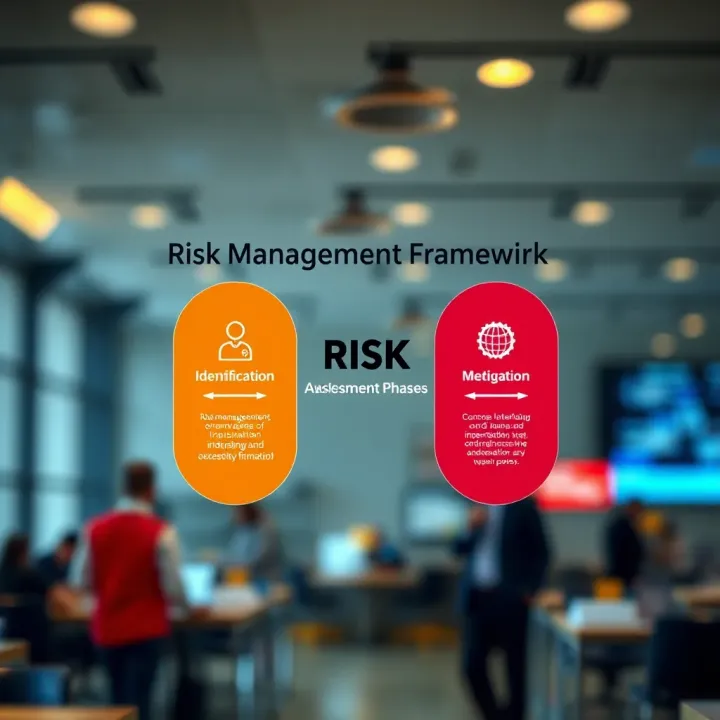
Understanding the step-by-step risk management process is vital for any business wanting to safeguard itself against avoidable losses. This process helps identify potential threats, assess their seriousness, and manage them proactively rather than reactively. Nigerian traders, investors, and financial brokers who follow this approach can avoid costly surprises, whether dealing with fluctuating exchange rates, supply chain disruptions, or regulatory changes.
Sources of risk in business operations can vary widely depending on the sector. For instance, a small mama put selling food beside a busy road faces health safety risks and unpredictable daily foot traffic. Meanwhile, an investor trading stocks on the Nigerian Exchange (NGX) contends with market volatility and liquidity risks. Recognising where risks come from—be it human error, market shifts, infrastructure failure, or even political unrest—is the first step to staying ahead.
Techniques to spot risks early include regular environmental scanning and stakeholder consultations. Businesses can conduct simple checklists or workshops to gather insights from workers and customers. A practical example is a Lagos-based logistics company observing traffic trends and fuel prices to adjust delivery schedules before costs spike. Early spotting gives room to trim impacts before problems escalate.
Risk analysis methods involve both qualitative and quantitative ways to examine the probability and effect of risks. Qualitative methods like interviews or surveys help capture perceptions, while quantitative techniques use data, like sales records or weather patterns, to predict potential loss. Combining both gives clearer insight into which risks demand urgent attention.
Evaluating likelihood and impact means scoring risks by how often they’re expected and how badly they could hurt business. For example, the chance of power outage might be high in many Nigerian states, but the severity varies based on backup options. Evaluating these factors ensures responses are targeted at the riskiest issues.
Ranking risks for effective response puts all identified risks in order from most to least threatening. This ranking helps businesses avoid wasting resources on minor problems. A manufacturing firm, for instance, would prioritise risks affecting machinery downtime over less critical ones such as minor supplier delays.
Approaches to risk control and mitigation range from avoiding the risk altogether, reducing its likelihood, transferring it through insurance, to accepting it when cost-effective. Nigerian SMEs might choose low-cost risk controls like health protocols against COVID-19 rather than expensive machinery upgrades.
Tools for ongoing risk tracking include digital dashboards, regular review meetings, and simple risk registers in PDF format. Such tools keep risk information up-to-date and visible across teams. For traders using PDF risk registers, updating them monthly ensures emerging threats, like market shocks, are not overlooked.
Reporting risks with clarity ensures decision-makers understand the situation without jargon. Clear reports summarise key risks, their statuses, and recommended actions. A bank risk officer presenting to the board would focus on high-impact risks like credit defaults in straightforward language supported by charts or tables.
A well-structured step-by-step risk management process builds resilience by turning uncertainty into manageable challenges. Nigerian businesses that adopt these steps not only safeguard investments but also strengthen their competitive edge in an often volatile environment.
This practical framework, supported by editable PDF tools and real-time monitoring, equips stakeholders to make informed decisions swiftly and confidently.
Using PDF resources for risk management offers a practical way for businesses to organise, track, and communicate their risk strategies. In Nigeria, where many enterprises juggle limited resources and complex environments, ready-made PDF templates and guides provide a simple but effective framework. These documents help standardise processes, save time, and ensure that everyone involved understands their role in managing risks.
Every Nigerian business, be it a small trader or a larger firm, should maintain some essential risk management documents in PDF format. These include a risk register—which lists potential risks along with their likelihood and impact—risk assessment forms, and action plans. For example, a small agro-processing company in Kano might keep a risk register to track supply chain disruptions or crop failure risks, while a Lagos-based fintech firm uses an assessment form to evaluate cyber threats.
Downloading quality PDFs from credible sources is vital. Local business associations, government agencies, and trusted consultancy firms often provide free templates tailored to Nigerian conditions. Once acquired, it's important to organise these files systematically—perhaps in folders by year, department, or risk type. Label files clearly, such as “Risk Register Q2 2024 Lagos Operations,” so you can quickly find and update them when needed.
No two businesses are alike, so customised risk registers and forms are essential to capture specific concerns and responses. Using tools like Adobe Acrobat or free PDF editors, Nigerian businesses can adjust templates by adding fields relevant to their industry or operations. For instance, an okada operator might include fields about weather conditions or road safety incidents that standard templates won't cover.
Always tailor your PDFs to reflect the Nigerian context and realities. Include local data like regional crime rates, fuel price trends, or patterns in electricity outages, which often affect operations. A garment manufacturer in Aba might note electricity challenges as a high-risk item with specific mitigation steps involving backup generators or adjusted working hours.
Sharing risk management PDFs across teams encourages collective responsibility and clarity. Use cloud platforms like Google Drive or local solutions with good internet reliability to distribute documents. Regularly update team members, especially in busy sectors like trading hubs in Onitsha, so everyone has the latest information, reducing confusion during amber situations.
Access control is critical; sensitive risk reports shouldn’t be openly downloadable or editable without permission. Password-protect PDFs or restrict access to trusted personnel only. For small businesses without full IT support, basic safeguards like secure emails and offline backups help prevent data loss or leaks.
Keeping risk management documents updated, customised, and accessible turns abstract plans into practical tools. Careful use of PDFs can transform how Nigerian businesses identify, assess, and respond to the risks that come their way.
Understanding risk management in theory is one thing, but seeing how it plays out in Nigeria’s diverse sectors brings real clarity. Practical examples help businesses and individuals grasp the everyday challenges, identify workable solutions, and appreciate why a strong risk approach matters here. Nigerian enterprises face distinct hurdles—economic fluctuations, infrastructure gaps, and regulatory changes—that generic guides rarely address. Bringing these realities into focus empowers traders, investors, and SMEs to manage risks effectively.
Typical risks for SMEs span operational disruptions, fluctuating exchange rates, and credit-related issues. For instance, a small garment manufacturer in Lagos might struggle with inconsistent power supply affecting production, while a tech startup in Abuja could face cyber threats without adequate security measures. SMEs often operate with limited capital buffers, making cash flow interruptions or supplier delays a serious concern. Understanding these specific risks helps firms prepare better and avoid costly surprises.
Simple risk plans using PDFs offer SMEs an accessible way to document and track threats without overwhelming complexity. A downloadable risk register template can let a small business list probable risks, assign responsibility, and note mitigation steps. For example, a restaurant owner using a PDF checklist to monitor hygiene and supplier reliability creates a clear, updatable record. These tools require no specialised software, yet provide a practical blueprint for managing daily uncertainties.
Environmental and operational risks in this sector include oil spills, pipeline vandalism, and equipment failure, all of which have significant economic and ecological implications. Take the Niger Delta’s frequent pipeline breaches; they disrupt production and cause environmental damage that attracts hefty penalties and community unrest. Moreover, handling hazardous materials demands strict safety protocols to avoid accidents and health hazards.
Use of formal risk documentation is indispensable in oil and gas operations. Detailed risk assessment reports and incident logs ensure compliance with regulatory bodies like NNPC (Nigerian National Petroleum Corporation) and NCDMB (Nigerian Content Development and Monitoring Board). These documents record safety drills, maintenance schedules, and emergency responses, providing accountability and helping companies avoid regulatory fines or operational shutdowns.
Challenges faced by market traders and okada riders include theft, harsh weather conditions, and regulatory harassment. A trader in a local market might experience sudden police raids or the destruction of goods during the ember months. Okada riders risk injury due to poor road conditions and unpredictable traffic, while also dealing with daily earning uncertainties.
Practical risk steps without complex paperwork are crucial for this group, where formal systems might be too costly or confusing. Simple safety habits like using helmets for okada riders, keeping minimal cash on hand, or having agreements with trustworthy suppliers are practical. Informal traders often share knowledge within their networks about safe trading spots or market changes, forming an informal risk-awareness culture that supports survival and growth.
Applying risk management specifically tailored to Nigeria helps businesses of all sizes navigate uncertainties sensibly. Whether through structured PDF templates or simple preventative actions, understanding risks in local contexts ensures better decisions and stronger resilience.
Effective risk management is not just about identifying threats but acting decisively to mitigate them. For traders, investors, financial analysts, brokers, and students, understanding and applying key takeaways from risk management can dramatically reduce losses and boost confidence in decision-making. Nigerian businesses especially face unique challenges like currency volatility, power instability, and regulatory shifts, which demand practical, well-documented risk strategies.
One common mistake is focusing too much on known risks while ignoring new ones that can crop up unexpectedly. For example, Nigerian SMEs often concentrate on supply chain risks but may miss threats like sudden policy changes or tech disruptions. Ignoring these emerging risks leaves businesses vulnerable, especially during ember months when volatility spikes.
It helps to regularly update risk assessments and involve diverse team members in discussions. This way, unusual trends or new threats get spotted early before they escalate.
Some businesses create risk plans but fail to maintain up-to-date records or revisit their strategies. Without proper documentation, lessons learned from past incidents vanish, and risks are poorly tracked. For instance, a trader who doesn’t keep records of currency exposure might lose track when the naira weakens.
Consistently updating risk registers and reviewing mitigation actions ensures risks remain manageable. Regular follow-up meetings are essential to keep everyone accountable and aware.
Well-trained staff become the first line of defence against risks. Nigerian industries benefit when workers understand how their roles can influence risk. For example, a financial analyst who recognises market instability can flag issues before losses mount.
Training should be practical, with real-world scenarios relevant to the Nigerian market to ensure engagement. Refreshers scheduled periodically help maintain sharpness.
Creating an environment where team members feel comfortable reporting risks without fear stops problems from festering. Many Nigerian businesses miss early warning signs because staff hesitate to speak up, fearing blame or job loss.
Encourage regular briefings and anonymous reporting channels where possible. This openness helps detect and resolve issues quickly, protecting both the business and employees.
While PDFs are great for documentation, dynamic apps and software offer real-time tracking that keeps risk data alive. Platforms like Microsoft Excel, Google Sheets, or Nigerian fintech apps help update registers on the go, issue alerts, and analyse patterns without waiting for manual input.
Integrating these tools streamlines risk management and lets traders and analysts act faster on emerging threats.
Many think advanced risk tech costs a fortune, but affordable options exist tailored to Nigerian business sizes and budgets. Tools like OPay’s business app, Paystack dashboards, or basic project management software provide useful risk tracking functions without breaking the bank.
Choosing the right mix depends on your business scale and complexity, but even simple digital tools improve accuracy, consistency, and team collaboration.
Building a strong risk culture, avoiding common pitfalls, and embracing accessible technology together pave the way for resilient and adaptive Nigerian businesses capable of weathering challenges effectively.
Discover how Nigerian businesses can identify, assess, and control risks—from market shifts to power challenges—to protect profits and grow safely 💼⚡️📊

Manage forex risk like a pro in Nigeria 🇳🇬. Learn how economic factors affect your ₦ earnings and explore practical tools to protect your investments effectively.

📚 Gain practical skills in risk management for safer business choices. Learn how to identify, assess, and control risks in Nigerian and global markets for better decisions. 💼

Learn practical crypto arbitrage strategies 📈 to spot opportunities, manage risks, and navigate legal rules in Nigeria and beyond for smarter trading.
Based on 13 reviews