
Top Forex Trading Indicators for Market Analysis
📊 Discover top forex trading indicators used by Nigerian traders for smart market analysis! Learn to combine tools & manage risks effectively.
Edited By
Charlotte Davies
Forex trading, or foreign exchange trading, simply means buying one currency and selling another with the aim of making a profit. Unlike trading stocks or commodities, forex deals with currencies of different countries, which fluctuates in value depending on various economic and political factors.
For Nigerians interested in forex, understanding how this market works is crucial before putting money on the line. The forex market is the largest financial market globally, with over US$6 trillion exchanged daily. This vast liquidity means traders can enter and exit positions quickly.
Currencies are traded in pairs, like the US Dollar (USD) against the Nigerian Naira (NGN) or the Euro (EUR) against the British Pound (GBP). If you expect the Naira to weaken against the Dollar, you might buy USD/NGN, hoping to sell it later at a higher exchange rate.
Central Banks like the Central Bank of Nigeria (CBN) influence forex rates through policies and interventions.
Commercial Banks provide liquidity and serve clients’ currency exchange needs.
Individual Traders and Investors take positions based on market outlook.
Corporations engage in forex to manage international trade payments.
The forex market operates 24 hours a day from Monday to Friday, allowing Nigerians to participate at convenient times despite time zone differences.
Exchange rates do not stay fixed. They respond to:
Economic Indicators: Inflation rates, GDP growth, unemployment figures.
Political Stability: Elections, government policies, conflicts.
Market Sentiment: Traders’ perceptions and speculative moves.
Interest Rate Changes: Higher interest rates can attract foreign capital, strengthening a currency.
For example, if Nigeria's inflation rises sharply while US inflation remains steady, the Naira might depreciate against the Dollar as buying power falls.
Interested Nigerians need access to reliable trading platforms like MetaTrader 4 or 5, OANDA, or locally supported brokers. It’s essential to:
Understand trading terms and how leverage works.
Familiarise yourself with chart reading and analysis.
Develop strategies suited to your risk tolerance.
Choose regulated brokers compliant with Nigerian law.
Forex trading carries risks, especially due to market volatility and leverage effects. But with proper education and disciplined trading, it can offer attractive opportunities.
This article will guide you through forex basics, risks and rewards, platforms, and legal considerations, helping you make informed moves in Nigeria’s forex market.
Forex trading stands out as one of the most accessible and active financial markets today. For Nigerians interested in investment or diversifying portfolios, understanding forex trading is practical because it connects local currency movements to global economic developments. This section introduces the basics of forex trading, highlighting what to expect, how it operates, and why it matters.
Knowing the fundamentals helps traders make informed decisions, spot opportunities better, and avoid common pitfalls. For instance, a trader in Lagos who understands currency pairs and market hours can strategically plan trades to match when liquidity and volatility are higher, potentially increasing profit chances.
At its core, forex trading involves buying one currency while selling another simultaneously. These currencies are always traded in pairs, like the US dollar (USD) and the Nigerian naira (NGN), or the euro (EUR) and the British pound (GBP). The first currency in the pair is called the base currency, and the second is the quote currency. The price indicates how much of the quote currency you need to buy one unit of the base currency.
This system allows traders to speculate on the relative strength of currencies. For example, if you believe the USD will strengthen against the NGN, you may buy USD/NGN. If the naira weakens, your trade gains value. That clarity makes currency pairs a useful tool in the market.
Unlike stock markets that trade shares of companies, forex trading deals purely with currency exchange. This market doesn’t rely on company performance but on economic indicators, geopolitical events, and government policies. Forex also offers higher leverage compared to most stock markets, meaning traders can control larger positions with relatively small capital.
Another key difference lies in its continuous operation. Forex runs 24 hours a day during weekdays without a central exchange, which contrasts with stock exchanges that operate limited hours. This continuous trading means forex is highly liquid but also volatile, requiring traders to be alert and strategic.
The forex market handles over $6 trillion every day, making it the largest financial market worldwide. This vast volume reflects its massive liquidity, allowing traders to enter and exit positions quickly without large price swings caused by single trades. For Nigerian traders, this liquidity means they can buy or sell dollars, euros, or pounds almost instantly without difficulty.
Certain currency pairs dominate trades due to economic size and stability. Examples include EUR/USD, USD/JPY, and GBP/USD. These pairs generally have tighter spreads, meaning the cost of trading them is lower compared to exotic pairs involving less-traded currencies. Nigerian traders might focus on pairs like USD/NGN or EUR/USD, given the practical connection to Nigeria’s trade and foreign exchange exposure.
Forex operates across global financial centres, from Sydney and Tokyo to London and New York. This setup means markets are open 24 hours from Monday morning in Asia till Friday evening in New York. Nigerian traders enjoy overlapping sessions, especially when London and New York overlap, with increased activity and better trading conditions.
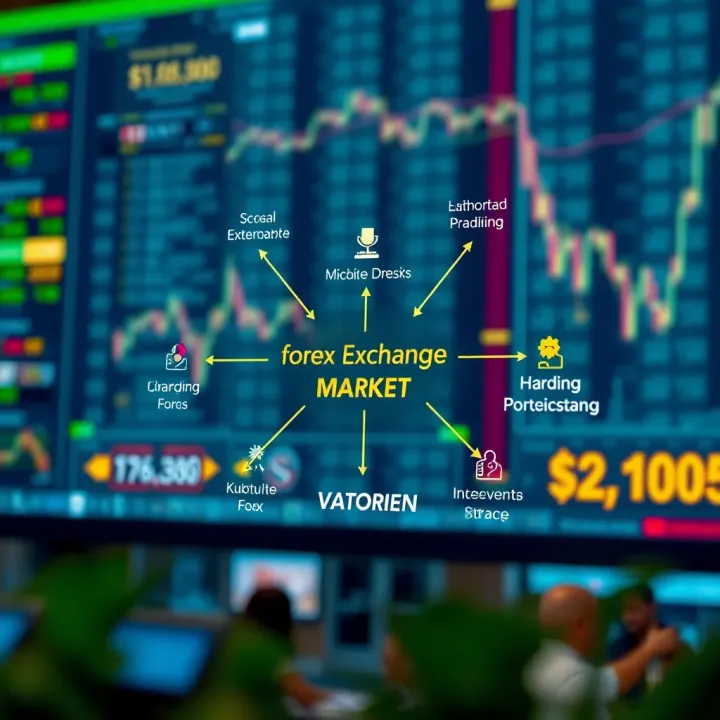
The round-the-clock nature of forex offers flexibility for traders to choose times that fit their lifestyle while tapping into global market movements.
Understanding these introductory concepts gives you the foundation to explore deeper into forex trading strategies, broker choices, and risk management relevant to the Nigerian context.
To truly grasp forex trading, understanding how it works is essential. This section breaks down the basics of currency exchange mechanics and the practical role brokers and trading platforms play in enabling traders to participate effectively. Nigeria's growing forex scene has intensified the need for clear knowledge about these elements.
At the heart of forex trading are bid and ask prices. The bid price represents the maximum amount buyers are willing to pay for a currency, while the ask price is the minimum sellers accept. The difference between these is called the spread. For example, if the USD/NGN pair shows a bid of ₦450 and an ask of ₦452, you see a spread of ₦2. This small gap covers the broker's profit and transaction costs. Knowing bid and ask helps traders decide the right entry or exit point, especially in markets fluctuating every second.
Spread and leverage are also vital concepts. The spread, as just explained, reflects transaction costs, so a tighter spread means lower costs. Leverage, on the other hand, lets traders control larger positions with smaller capital. For instance, with 50:1 leverage, ₦10,000 worth of capital can control ₦500,000 in currency trades. While this amplifies potential profits, it also increases risks. Nigerian traders must carefully manage leverage to avoid heavy losses, especially given the volatile nature of forex rates and naira instability.
Choosing a forex broker is a critical decision. Brokers serve as your gateway to the markets and can significantly influence your trading experience. Look out for brokers regulated by reputable bodies, offer transparent pricing, and provide good support. In Nigeria, reputable brokers often have local presence or partnerships, facilitating easier fund deposits and withdrawals through platforms like Paystack or Flutterwave. A poor choice might expose you to scams or delays in accessing your funds.
When it comes to trading platforms, popularity comes from usability and reliability. MetaTrader 4 (MT4) and MetaTrader 5 (MT5) stand out as top choices among Nigerian traders for their user-friendly interface and robust charting tools. Additionally, localised platforms such as OANDA or Exness have also gained traction. These platforms offer mobile apps, allowing traders to monitor and execute trades even amidst Lagos traffic jams or during power outages, making forex trading more accessible despite local challenges.
Remember: Understanding the mechanics of forex and working with trustworthy brokers and efficient platforms can spell the difference between profit and loss in your trading journey.
By mastering these fundamentals, you gain better control and insight over forex trading, improving your chance of success in the bustling currency markets.
Understanding the key players in forex trading is essential for grasping how the foreign exchange market functions. Each participant—from central banks to individual retail traders—has unique roles that influence currency values and market dynamics.
Central banks and governments stand as the main architects behind currency value movements. They adjust interest rates, control money supply, and manage inflation, all of which affect exchange rates. For instance, when the Central Bank of Nigeria (CBN) changes its monetary policy rate, it can lead to shifts in the naira’s value against other currencies. This ripple effect influences import/export costs, inflation rates, and investor confidence.
Sometimes, central banks directly intervene in forex markets to stabilise their currency or curb excessive volatility. Such intervention might involve buying or selling their own currency reserves to influence demand and supply levels. For example, if the naira weakens sharply against the dollar, the CBN might step in to buy naira and sell dollars to support its value. These actions are critical because they send signals to traders and help maintain economic stability.
Commercial banks form the backbone of the forex market through interbank trading, where banks exchange currencies among themselves. This market segment handles massive daily turnovers, which provides depth and liquidity. In Nigeria, major banks like GTBank, Zenith, and Access Bank participate actively, shaping forex rates based on supply and demand. This trading usually serves corporate needs, including payments for imports or foreign investments.
Financial institutions act as liquidity providers by offering continuous buying and selling prices for currencies. Their role ensures that retail traders and smaller institutions can enter or exit positions without difficulty. If liquidity dries up, forex prices can become erratic, increasing risk for all participants. For traders in Nigeria, working with brokers who have solid ties to these liquidity providers improves execution speed and price reliability.
Retail traders include individuals and small investors who trade forex to profit from currency movements. Unlike banks or governments, retail traders rely on technology and brokers to access the market. In Nigeria, growing internet penetration and mobile access have broadened retail participation, allowing many youths and professionals to seek extra income or diversification.
Technology has lowered entry barriers significantly. Platforms such as MetaTrader 4, MetaTrader 5, and mobile apps from brokers like OPay or FXTM allow Nigerians to trade forex with small capital and real-time data. This access means traders can respond directly to market news, use technical tools, and manage risks effectively from anywhere—a clear practical advantage in today’s fast-moving markets.
The forex market’s complexity depends on the roles of its diverse participants—from powerful central banks steering national economies to everyday individuals trading on a smartphone app. Knowing each player’s part helps traders make smarter decisions.
By understanding these key participants, Nigerian traders and investors can better appreciate how forex prices form and why markets behave the way they do. This insight is fundamental to trading successfully in a market that never sleeps.
Understanding the advantages and pitfalls of forex trading is essential for anyone interested in this market, especially Nigerian traders. The forex market offers significant opportunities to grow wealth but carries risks that require careful management. This section explores practical benefits and challenges, guiding readers on what to expect when they step into forex trading.
Profit potential: Forex trading presents Nigerian investors with the chance to earn profits from currency value changes within very short periods. Unlike fixed-income investments such as savings accounts or government bonds, forex allows trading around the clock, capturing price swings as global economic news unfolds. For instance, a trader speculating on the naira's movement against the US dollar could profit when the naira weakens—a common scenario given Nigeria's foreign exchange challenges. However, consistent profits demand keen market analysis and discipline.
Access to global currencies: Forex trading goes beyond the naira, offering exposure to major and exotic currencies worldwide. Nigerian traders can participate in dollar, euro, pound, or even emerging market currencies such as the Turkish lira or South African rand. This access allows portfolio diversification and enables Nigerians to hedge against local currency risks. For example, a business that earns in naira but imports goods priced in dollars might use forex trading to secure a favourable exchange rate, reducing exposure to sudden naira depreciation.
Market volatility: Sudden price swings in forex markets mean that gains can evaporate as quickly as they come. Political events, Central Bank announcements, or global economic shifts can cause rapid movement, often more pronounced in currencies from emerging economies like Nigeria. While volatility offers profit chances, it also increases the likelihood of losses, making it vital for traders to use stop-loss orders or limit their exposure.
Leverage risks: Many Nigerian traders are attracted by leverage, which lets one control a large position with a small amount of money. While this can amplify profits, it also magnifies losses. For example, a leverage ratio of 1:100 means a ₦10,000 investment can control ₦1,000,000 in currency. Should the market move against the trader, losses may exceed the initial deposit quickly, risking debt if caution is not exercised.
Scams and fraud prevention: The forex space has its share of unscrupulous operators offering unrealistic returns or operating unregistered platforms. Nigerian traders must prioritise dealing with brokers regulated by recognised authorities, such as the Securities and Exchange Commission (SEC) Nigeria, and be wary of promises that sound too good to be true. Performing due diligence, reading reviews, and verifying brokers’ licences help protect investors from scams.
Forex trading is not a get-rich-quick scheme—it demands sound knowledge, strategic planning, and constant vigilance against risks and fraud.
Having a solid grasp of these opportunities and risks equips Nigerian traders to navigate forex markets more effectively and with greater confidence.
Starting forex trading in Nigeria requires clear steps and practical understanding to navigate the local market efficiently and safely. This section covers essentials like choosing the right broker, funding your account, basic trading strategies, and legal considerations to ensure that Nigerian traders begin on solid ground.
Choosing a reliable forex broker is the first step. Brokers act as intermediaries between traders and the global forex market, providing platforms for currency buying and selling. Nigerian traders should prioritise brokers regulated by Nigerian authorities or respected international bodies, to avoid scams and ensure fair trading conditions. For example, popular brokers like FXTM and HotForex have garnered trust in Nigeria owing to their transparent practices.
Opening an account requires submitting identification, proof of residence, and sometimes a brief financial profile. Nigerian traders must pay attention to the account types offered, spreads, commissions, and leverage options. These details influence trading costs and risks, so it is worth comparing brokers before committing.
After account setup, traders need to fund their accounts. In Nigeria, payment methods commonly include bank transfers, debit cards, and local platforms like Paystack or Flutterwave. The funding process must be secure and support the naira or major currencies like the US dollar for smooth operations.
Understanding funding fees and processing times is vital. Some brokers may charge withdrawal fees or impose minimum deposit amounts; knowing these prevents unpleasant surprises. For instance, a trader funding with ₦50,000 expects timely credit to start trading effectively.
Technical analysis involves studying price charts and using indicators such as moving averages and Relative Strength Index (RSI) to forecast potential price movements. Nigerian traders rely on this method to make informed decisions on entry and exit points without getting overwhelmed by global news.
Tools like MetaTrader 4 and TradingView offer charting features crucial for technical analysis. For example, spotting a support level on the EUR/USD pair helps traders plan buys in volatile moments, an advantage when the naira faces fluctuations.
Fundamental analysis considers economic indicators, geopolitical events, and policy changes impacting currency values. Nigerians must track local data such as CBN interest rate decisions, inflation rates, and trade balances. Global events, like US Federal Reserve policy shifts, also affect naira pairs.
Being alert to such developments prevents surprises. For example, a sudden CBN adjustment to exchange rate policies can influence forex market sentiment instantly, making fundamental monitoring necessary alongside technical tools.
The Central Bank of Nigeria (CBN) and the Securities and Exchange Commission (SEC) have roles in overseeing forex activities. These bodies impose rules on brokers and traders to curb fraud and protect investments. Choosing brokers licensed by Nigerian authorities provides a legal safety net.
Furthermore, the CBN monitors foreign currency flows and occasionally adjusts policies impacting forex trading conditions. Traders should keep abreast of these regulations to avoid inadvertent breaches or blocked transactions.
Compliance ensures a trader’s operations remain lawful and reduces the risk of account freezes or financial loss. Nigerian traders must know anti-money laundering (AML) and know-your-customer (KYC) processes brokers follow. Adhering to these safeguards maintains market integrity.
Apart from legal protections, compliance supports long-term trading success. It encourages transparency and trust between parties, which is quite essential in a market sometimes tainted by unregulated operators promising quick riches.
Starting forex trading in Nigeria is as much about understanding the market mechanics as it is about knowing your brokers, funding methods, and legal protections. This balanced approach sets the stage for sustainable trading and potential profit.
📊 Discover top forex trading indicators used by Nigerian traders for smart market analysis! Learn to combine tools & manage risks effectively.
Discover key benefits of forex trading—easy market access, high liquidity, and flexible risk options—ideal for Nigerian investors interested in financial markets 📈💹
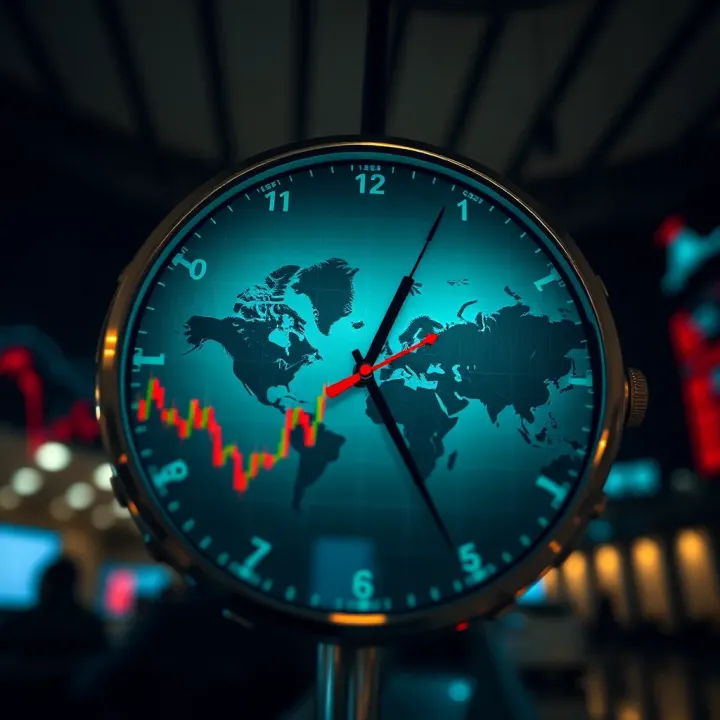
📈 Discover the best time for forex trading in Nigeria! Learn how market hours, currency behaviors, and economic news can boost your trading strategy. ⏰💹
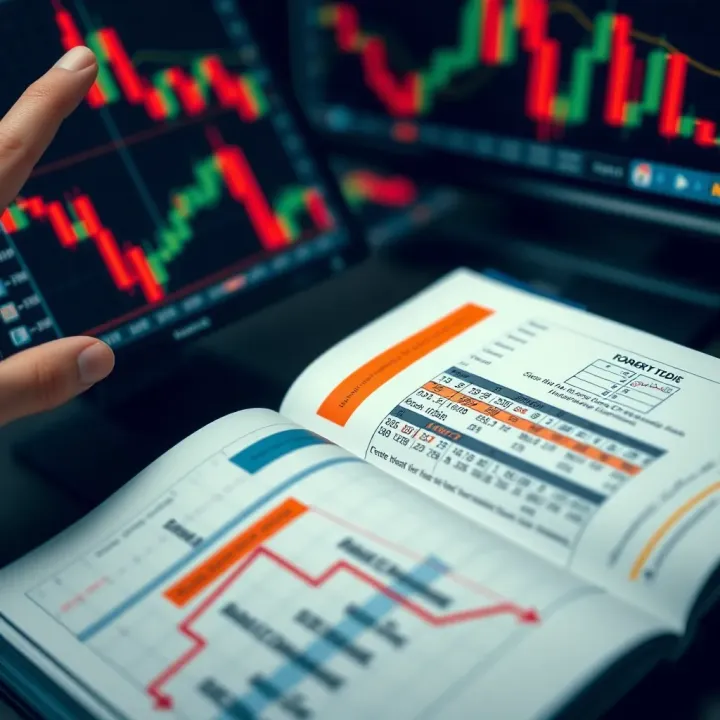
📘 Find the best forex trading book for your level with our practical guide. Learn what to look for and boost your trading skills effectively today!
Based on 15 reviews