
Top Forex Trading Apps in Nigeria: A Practical Guide
Discover top forex trading apps in Nigeria 📱, learn key features, and get smart tips to boost your trading efficiency and protect your investments securely.
Edited By
Emma Collins
Forex trading has become increasingly popular among Nigerians seeking to grow their income through the dynamic foreign exchange market. With smartphones in almost every pocket, forex trading apps offer convenient access to global currency markets anytime, anywhere. However, not every app is built to serve the Nigerian trader well. Choosing the right forex trading app involves weighing factors like security, user interface, local support, and compliance with Nigerian financial regulations.
Nigerian traders often face unique challenges such as intermittent power supply, fluctuating internet quality, and currency restrictions. A reliable forex trading app must be resilient to these issues while providing the necessary tools to make informed decisions quickly. For instance, apps with offline chart access or minimal data usage can considerably ease trading under less than ideal network conditions.
More than just functionality, the design and ease of navigation are critical. An app clogged with overly complex features or poor translation can slow your reaction time in a fast-moving market. Nigerian platforms such as Kuda and PalmPay have shown the value of simplicity married to robust backend services, illustrating trends that forex platforms could adopt for better local adoption.
Trust and security are paramount. When selecting a forex app, check for regulation by credible authorities, such as the Securities and Exchange Commission (SEC) Nigeria or international bodies like the Financial Conduct Authority (FCA). Avoid apps that don’t clearly state their regulatory status.
Before installing any app, consult reviews and user feedback specific to Nigerian users. Look for testimonials discussing responsiveness in local customer service, ease of fund transfers using Nigerian banks, and transparency in fees. Apps that integrate smoothly with Nigerian banking systems and payment channels reduce the headache of withdrawal delays and hidden charges.
In the following sections, you’ll find practical advice on how to pick an app that suits your trading style and needs, how to set it up securely, and ways to make the most from your forex trading experience in Nigeria’s particular financial environment.
Forex trading apps have become fundamental tools for Nigerian traders seeking to engage in the foreign exchange market efficiently. Understanding these apps is essential because they serve as the bridge connecting you directly to currency markets, enabling you to trade anytime and anywhere. With Nigeria's fast-paced environment and network challenges, knowing how these apps operate helps you capitalise on market opportunities faster.
Forex trading apps are mobile software designed to provide access to forex markets through smartphones or tablets. Unlike desktop platforms limited to fixed locations, these apps allow traders to monitor prices, execute trades, and manage portfolios on the go. For instance, apps from brokers like FXTM, IG, or local fintech firms let you log in securely and trade pairs such as USD/NGN or EUR/USD with live updates.
These apps typically feature price charts, order placement options, and news feeds. Basic functions include executing market orders, setting stop-loss limits, and viewing open positions. For a Nigerian trader, an app’s ability to operate smoothly despite varying internet quality is practical; it means fewer missed trades due to lag or disconnections.
Real-time trading on mobile platforms means the app fetches live price feeds from global forex servers and reacts instantly when you make orders. This immediacy is vital because currency values fluctuate rapidly, sometimes within seconds. If you place a market order for GBP/USD via your app during peak hours, the executed price closely matches the displayed rate, allowing better control over profits or losses.
Accessibility is key in Nigeria’s forex market. Many traders do not have access to desktop setups or traditional brokers in their localities, but most own smartphones. With apps, trading is possible in Lagos traffic jams, on okada rides, or while waiting at mama put stalls. This ease of access democratizes participation beyond Lagos or Abuja to smaller cities and towns.
Compared to traditional broker platforms requiring physical presence or desktop access, forex apps are user-friendly and fast. They eliminate paperwork hassles and provide instant account management, which suits Nigeria's often unpredictable power supply and busy lifestyle. For example, an app may send push notifications for margin calls or price alerts, keeping you informed without being tethered to an office.
Managing trades and portfolios on the go means Nigerian traders can react swiftly to market shifts caused by global events or local policies, such as Central Bank of Nigeria (CBN) rate changes. Having the app open on your phone allows quick adjustment of stop-loss limits or opening new positions during volatile periods — an advantage when naira exchange rates fluctuate sharply.
Knowing the role and mechanics of forex trading apps equips Nigerian traders to make better decisions, avoid technical pitfalls, and take full advantage of mobile trading's flexibility in our dynamic financial landscape.
Choosing the right forex trading app is more than just picking one that looks flashy. For Nigerian traders, there are very specific criteria that affect not only your trading experience but also your security and profitability. From security to user interface and available trading options, understanding these factors saves you from losses and frustration.
Trading forex involves real money, so app security is non-negotiable. A good forex app should include features like two-factor authentication, encryption of sensitive data, and secure transaction methods. Without these, your account is vulnerable to hackers, and your funds could be at risk.
Just as important is making sure the app complies with Nigerian financial regulations. Verify if the broker operating the app holds licences from recognised authorities such as the Nigerian Securities and Exchange Commission (SEC) or international bodies like the Financial Conduct Authority (FCA) in the UK if trading offshore. This reduces the risk of scams or fraudulent activities that many Nigerian traders unfortunately experience.
Protecting user data and funds means the app must have clear privacy policies and secure wallets or accounts that segregate client funds from company operating funds. For instance, apps linked only to verified Nigerian payment systems (like USSD banking codes or Naira wallets) provide an added layer of safety for deposits and withdrawals.
The app’s user experience can make or break your trading success. Apps with smooth navigation and intuitive layouts ensure that both beginners and pros find it easy to execute trades quickly without confusion. Consider apps that streamline complex charts and order books into simple, easy-to-understand interfaces.
Support for English is essential, since it remains Nigeria’s business language. Some platforms offer multi-language support, but since most Nigerian traders prefer English, make sure the app uses clear, localised English to prevent misunderstandings.
Given Nigeria’s patchy mobile network coverage, a forex app that uses data efficiently is preferable. Apps optimised to work smoothly on 3G or even 2G help traders stay connected without burning through their mobile data. This factor is critical, especially for those in rural areas or busy cities like Lagos where network drops are common.
A forex app’s value also depends on the variety of trading instruments it offers. Nigerian traders commonly trade major currency pairs like USD/NGN, EUR/USD, and GBP/USD, but access to emerging market currencies can be a bonus. Plus, the availability of other markets such as commodities or indices diversifies trading options.
Robust tools for technical and fundamental analysis within the app give traders an edge. Features like multiple chart types, moving averages, RSI indicators, and real-time economic calendars assist in making informed decisions. For example, understanding CBN policy announcements can be crucial when trading the naira.
Lastly, extra services like live news feeds, push notifications for price alerts, and educational resources within the app can enhance responsiveness and learning. These tools keep traders updated on events affecting currency movements, turning the app into a one-stop forex trading hub.
Always prioritise an app that balances strong security, easy usability, and comprehensive trading features tailored to Nigeria’s unique market conditions. This approach protects your investment while giving you the flexibility to trade confidently anywhere at any time.
Downloading and setting up forex trading apps correctly is foundational for smooth, secure trading experiences in Nigeria. Given the rapid growth in mobile internet access and smartphone usage, having trusted apps installed lets traders act swiftly and manage their portfolios anywhere. However, the process demands care to avoid fake apps and ensure efficient operation within Nigeria's unique network and payment environment.
Official app stores like Google Play Store and Apple’s App Store are the safest places to download forex trading apps. These platforms vet apps before listing them, reducing the risks of malicious software. Also, many genuine brokers host their apps directly on their verified websites, ensuring the download is authentic. For example, trusted brokers with presence in Nigeria – like FXTM or XM – provide direct links for app downloads on their sites.
Avoiding fake apps matters because fraudulent apps often impersonate popular brands to steal login details or funds. These clones may carry malware or have poor security, which exposes accounts to hacking. Nigerian traders should check app publisher details very carefully and avoid downloading apps from unknown third-party sites or links sent via WhatsApp or email, even if they appear official.
Before downloading, checking user reviews and ratings can reveal common issues like bugs, slow updates, or poor customer service. A forex app with thousands of downloads and positive feedback likely offers better performance and trustworthiness. However, extreme or fake reviews exist, so balance ratings with other verification methods, like broker reputation.
Forex apps need to meet certain system requirements for optimal use, like sufficient RAM and a compatible Android or iOS version. Many Nigerian smartphones — especially affordable tokunbo models — may struggle if app versions are heavy. Ensuring at least 2GB RAM and a recent OS version helps avoid crashes or slow chart updates, which can cost real money during fast market moves.
The account registration typically involves providing personal information, verifying identity through official documents (passport, driver’s licence), and setting trading preferences. This procedure aligns with global Know Your Customer (KYC) rules and helps prevent fraud. For Nigerian traders, it is also common for brokers to request a Bank Verification Number (BVN) during verification.
Linking local payment options is crucial for smooth deposits and withdrawals. Apps supporting Nigerian payment methods such as USSD banking codes, local payment wallets (OPay, PalmPay), or direct naira transfers from Nigerian banks save time and reduce conversion fees. For instance, using USSD *737# can quicken deposits directly from your bank account without internet interruptions, making trading more seamless even amid network challenges.
Always prioritise downloading from official sources, verify account setup details, and use Nigerian-friendly payment channels to protect your funds and enhance trading efficiency on mobile platforms.
When choosing a forex trading app, knowing which features actually matter can make the difference between steady profits and frustrating losses. Nigerian traders particularly need apps that not only offer powerful tools for trading but also accommodate local market conditions, such as variable internet connectivity and naira-focused transactions. This section breaks down the essential functionalities to look for in a reliable forex trading app.
Live price updates are the backbone of effective forex trading. Without real-time data, traders risk making decisions based on outdated information, which can lead to missed opportunities or unnecessary losses. For example, a change in the USD/NGN rate during volatile market hours can happen quickly, so having up-to-the-second quotes allows traders to act with immediacy.
Charting tools complement live prices by offering visual insights into market trends and patterns. Most good forex apps provide multiple chart types — such as line, bar, and candlestick charts — which traders can customise with indicators like moving averages or RSI (Relative Strength Index). For a Nigerian trader analysing the EUR/USD or GBP/USD pairs, the ability to personalise charts helps pinpoint entry and exit points with better accuracy.
A quality forex app supports various order types to match different trading strategies. Market orders let traders buy or sell immediately at the current price, ideal when reacting quickly to market moves. Limit orders specify a price point at which a trade should execute, allowing for planned entries. Stop orders trigger only when a certain price is reached, helping manage risk by limiting losses.
Beyond order types, risk management functions like stop-loss and take-profit settings are indispensable. A stop-loss order automatically closes a trade when losses hit a predefined amount, shielding traders from severe downturns — especially vital during Nigeria’s unstable internet conditions, where manual intervention might be delayed. Take-profit orders lock in gains by closing trades once desired targets are met, ensuring profits aren't lost to sudden market reversals.
Forex trading apps that bundle educational resources offer a huge advantage, especially for beginners or traders who want to update their skills. Materials such as tutorials, webinars, and glossary sections provide practical guidance directly within the app, saving traders the hassle of searching for trusted information elsewhere. Since the Nigerian market is growing rapidly, access to quality learning inside the app helps users keep pace with global developments.
Reliable customer support is just as important. Nigerian traders often need prompt assistance with issues like account verification, payments, or navigating app features. A good forex app offers convenient channels such as in-app chat, email, or phone support with staff knowledgeable about local trading conditions. This service builds confidence and helps resolve problems quickly before they impact trading activities.
Choosing an app packed with real-time data, versatile order types, risk controls, and supportive learning tools will empower you to trade confidently and effectively in Nigeria’s forex market.
By focusing on these features, Nigerian traders can avoid common pitfalls and maximise their chances of success when using forex trading apps.
In forex trading, managing risks is as important as seeking profits, especially when using mobile apps in Nigeria's fluctuating market. A firm grip on these aspects helps traders protect their capital and take advantage of opportunities without getting caught off guard.
Forex markets can be highly volatile, meaning prices swing up and down quite sharply. For Nigerian traders, this can translate to significant gains or losses within minutes. For example, currency pairs involving the Nigerian Naira often show sudden movements due to changes in Central Bank policies, political developments, or shifts in oil prices. This volatility affects trading outcomes directly — if you don’t monitor your trades closely via the app, you could easily lose more than intended.
Leverage, a double-edged sword in forex, amplifies both gains and losses. Apps usually offer leverage ratios, sometimes as high as 1:500, allowing traders to control large positions with a small capital deposit. However, this increases the risk of margin calls, where the broker demands more funds to maintain the position if the market moves against you. Nigerian traders should be cautious using high leverage, as sudden market swings can wipe out accounts swiftly.
Setting realistic goals and limits keeps you grounded. Instead of chasing huge profits quickly, focus on achievable targets — say a steady 2-3% profit per week — and know your maximum loss per trade. This practical approach prevents reckless decisions, a common pitfall when excitement sets in or after a streak of wins.
Demo accounts on forex apps are invaluable for beginners and even seasoned traders trying new strategies. They let you practise without risking real money, helping you familiarise with app features, test orders, and understand market behaviour. Using demo accounts reduces costly mistakes when you switch to live trading.
Lastly, managing smartphone security and network reliability is vital. In Nigeria, where power outages and network instability are frequent, ensure your device has reliable antivirus protection and secure access to your forex app. Use stable internet connections, preferably Wi-Fi or reliable mobile data providers like MTN or Airtel. Poor connectivity or security lapses can cause delayed order execution or expose your account to hacking.
Responsible trading through risk management and practical app use can turn forex trading into a sustainable income stream rather than a gamble.
By balancing risk awareness with smart app usage, Nigerian traders position themselves for better chances to grow their ₦ profits and limit losses in a market known for surprises.
Discover top forex trading apps in Nigeria 📱, learn key features, and get smart tips to boost your trading efficiency and protect your investments securely.
🔍 Discover how to spot reliable forex trading sites in Nigeria 🇳🇬, verify platform legitimacy, access useful tools, and trade safely to grow your ₦ steadily.

🔍 Looking for the best trading app in Nigeria? Explore top features, low fees, strong security, and reliable support to trade confidently worldwide! 📱💹
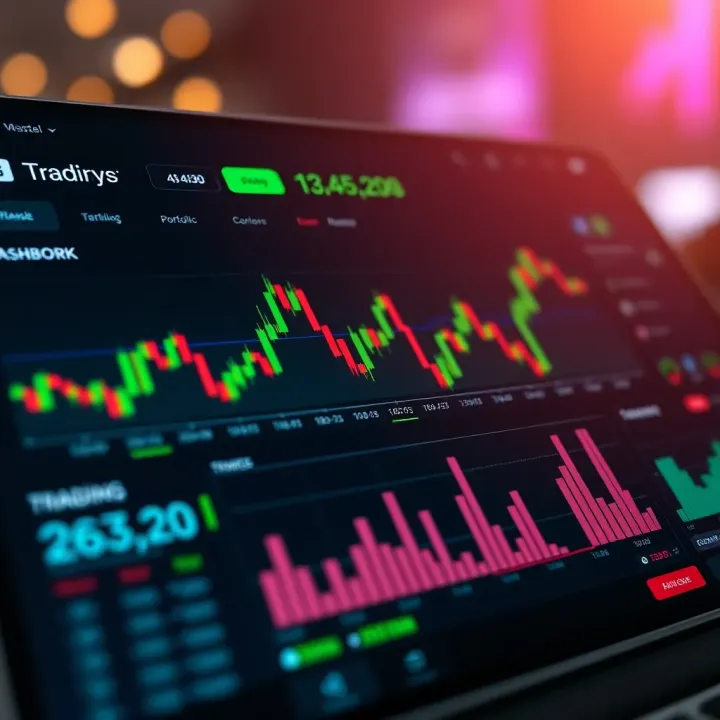
Discover how to pick the best trading app in the world 🌍 tailored for Nigerian users. Learn about key features, fees, security, and ease of use to trade smartly 📈💼.
Based on 12 reviews