
Understanding Demo Accounts for Forex Trading in Nigeria
Start forex trading confidently in Nigeria with demo accounts! Learn how to practise risk-free, master strategies, and get ready for live trading 💹🇳🇬
Edited By
James Stewart
A demo forex trading account is the safest way to start exploring the fast-moving foreign exchange market without putting your money at risk. For Nigerian traders, especially those who are just stepping into forex trading, demo accounts provide an excellent playground to sharpen skills and understand how the market behaves.
Unlike live accounts where you trade with real naira, demo accounts use virtual funds. This means you can buy and sell currencies like the US dollar (USD), euro (EUR), or British pound (GBP) against the naira without the worry of losing real cash. This practice environment mimics live market conditions, showing real-time price movements and allowing you to test various strategies.

Using a demo account first helps you build confidence and avoid costly beginner mistakes when switching to live trading with your hard-earned money.
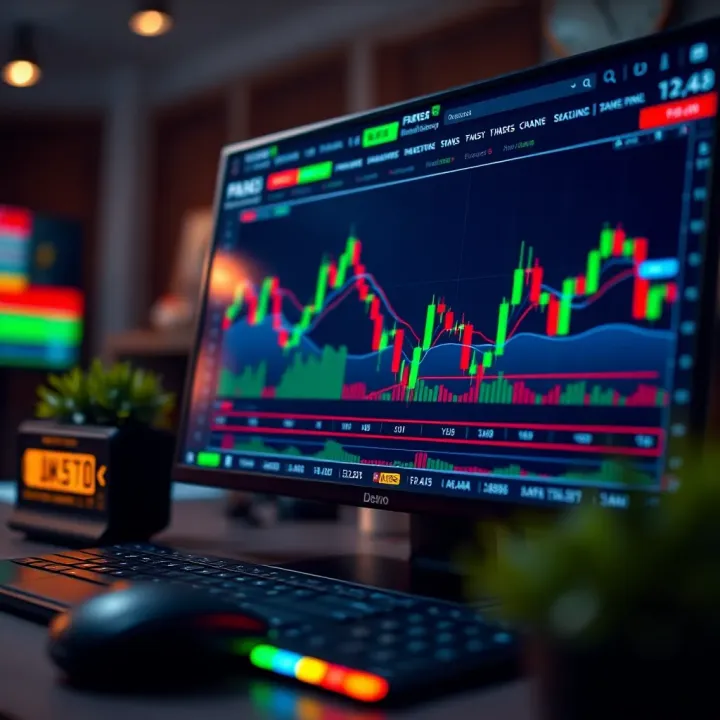
Demo accounts come with features almost identical to live accounts provided by brokers such as FXTM, Alpari, or ForexTime, popular among Nigerian traders. You get a dashboard displaying currency pairs, historical data, and tools for technical analysis. Trades open and close instantly, replicating actual market execution. However, profits and losses are virtual.
Risk-free learning: You can experiment with different trading methods without financial pressure.
Understanding platforms: Demo accounts allow you to get familiar with trading interfaces, including mobile apps, which is vital given Nigeria’s widespread smartphone use.
Testing strategies: You can assess the effectiveness of technical indicators and trading plans before real markets.
No money required: Demo accounts are generally free, making them accessible regardless of financial status.
The naira's volatility and the challenge of limited access to forex education in some regions make demo accounts a crucial step for many Nigerians aiming to navigate the forex market successfully.
Before you dive into trading with your real funds, consider investing time in a demo account. It’s not just a practice tool—it’s your first line of defence against losing money while you learn.
A demo forex trading account is a practice platform that allows traders to buy and sell currencies without risking real money. This kind of account is especially useful for Nigerian traders who are either new to forex or want to test strategies before committing their hard-earned naira. It’s like a rehearsal stage where you can understand the market flows, try different approaches, and get familiar with trading tools without financial pressure.
Simulated trading environment: A demo account simulates live forex trading by providing virtual funds to place trades under real market conditions. For example, if you open a demo account with ₦1,000,000 virtual balance, you can trade currency pairs like USD/NGN or EUR/USD just like live trading—only without any financial consequences. This environment helps you gain hands-on experience, understanding how prices move and how your trades perform over time.
Difference from live trading: The key difference lies in the risk involved. While demo trading uses virtual money, live trading involves your actual funds at stake. This distinction matters because trading psychology changes when real money is on the line. Although demo accounts mirror market prices and conditions, they lack real emotional pressure, so it’s crucial not to assume easy profits in demo will automatically translate live.
Typical features available: Most demo accounts offer essential tools such as access to multiple currency pairs, charting software, order types (market, limit, stop-loss), and leverage options. These features allow traders to practice placing different types of orders and observe their effects in a controlled setting. For instance, a Nigerian trader might experiment with setting stop-loss orders on USD/NGN to manage risk without losing real money.
Real-time price feeds: Demo accounts provide price data sourced from live forex markets, updating every second to reflect current conditions. This means if the dollar rises against the naira during your demo session, you'll see the rate shift just as in live trading. This connection ensures your practice trades react to real market movements, preparing you for the timing and volatility you will face with live funds.
Testing strategies without financial risk: Since you’re using virtual money, you can afford to test various trading strategies without fearing losses. For example, you might trial a scalping method on volatile African markets or experiment with trend-following on major pairs like GBP/USD. This freedom to test helps you identify which techniques suit your trading style before risking your own capital.
Platform functionality replication: Demo accounts generally offer the same interface and features as the broker’s live account. Nigerian traders using platforms like MT4 or MT5 can practise chart analysis, set alerts, and execute trades exactly as they would with real money. This replication is particularly important because it eliminates the learning curve tied to software navigation when you eventually switch to live trading.
A demo forex trading account acts as the training ground where Nigerian traders can sharpen skills, explore markets, and build confidence without putting their money on the line. Taking full advantage of this resource increases your chances of success once you enter the live forex market.
By understanding how demo accounts work and their practical benefits, you make informed steps towards becoming a disciplined and skilled trader in Nigeria’s forex scene.
Using demo forex trading accounts offers Nigerian traders a risk-free way to grasp the ins and outs of the forex market before committing real naira. This hands-on practice is invaluable for mastering trading platforms, testing strategies, and building confidence without the stress of financial losses.
Understanding order types and execution is the first practical hurdle every trader faces. A demo account lets you practise placing different order types—like market orders, limit orders, stop-loss, and take-profit—so you understand how each affects your trade entry and exit. For example, a trader trying out a limit order will see how it executes only at the chosen price, helping avoid costly mistakes when trading actual funds.
Another practical benefit is gaining familiarity with charts and indicators. Most demo platforms offer live charts displaying currency pairs with technical indicators such as Moving Averages, Relative Strength Index (RSI), and Bollinger Bands. Navigating these tools is essential for spotting trends and timing trades. Imagine a new trader in Lagos experimenting with RSI to spot overbought conditions on the USD/NGN pair; this practice sharpens decision-making without risking any money.
Demo accounts serve as a playground for identifying profitable techniques. Traders can try scalping, swing trading, or trend-following methods to see which suits their style. For example, a trader might discover that short-term trades during Nigerian market hours perform better with certain pairs like EUR/USD or GBP/USD, information they can only gain by testing over time.
Besides strategy identification, demo accounts provide room for risk management experimentation. Methods such as setting stop-loss limits or adjusting position sizes can be safely tested. A trader could learn how a 2% stop-loss protects their capital during volatile periods, like sudden naira fluctuations, without the fear of losing actual cash.
One key advantage is reducing emotional trading mistakes. Real-money trading often triggers fear, greed, or impatience, leading to poor decisions. Practising on a demo account helps traders adjust to market swings calmly. For instance, a beginner might learn not to chase losses or to stick to trading plans consistently.

Finally, gaining experience before investing naira means you step into live trading with a stronger foundation. Experienced traders attest that demo accounts ease the transition, making it easier to handle challenges such as slippage or unexpected news events. Nigerian traders, facing unique economic events or naira volatility, benefit significantly by sharpening their skills beforehand.
Practising on demo accounts not only equips you with skills and strategy but also builds the psychological strength to withstand real market pressures, a fundamental step for successful forex trading in Nigeria.
Overall, demo accounts prepare Nigerian traders through hands-on learning, safe experimentation, and building confidence—essential steps before navigating the live forex market with actual funds.
Choosing the right demo forex trading account is a key step for Nigerian traders looking to build competence before risking real money. It’s not just about getting any free trial; the demo must reflect live market conditions closely, allow you to practice effectively, and come from trustworthy sources. Making the wrong choice here can mislead you into bad habits or give a false sense of security.
Regulatory oversight is crucial when picking a broker for your demo account. Brokers authorised by Nigerian regulatory bodies such as the Securities and Exchange Commission (SEC) or the Central Bank of Nigeria (CBN) follow rules meant to protect traders. Even for demo accounts, opting for a regulated broker ensures the trading platform you practise on has passed certain standards, and their live system is less likely to operate fraudulently or manipulate demo conditions.
For example, a Nigerian trader using a demo account from a SEC-regulated broker can trust that when they switch to live trading, the broker handles funds transparently and adheres to fair execution practices. On the other hand, unregulated brokers may offer demo accounts that don’t truly mirror real market liquidity or pricing.
Apart from regulation, look at a broker’s reputation among Nigerian traders. User reviews and online forums can reveal strengths and weaknesses, such as the quality of customer support, speed of trade execution, and accuracy of price feeds on demo platforms.
Say you find a broker with glowing regulatory credentials but consistent complaints about delayed order execution even in demo accounts. That’s a red flag for live trading. Conversely, brokers with steady positive feedback for their demo environment help you gain realistic trading experience without surprises.
Demo accounts often have time restrictions—some expire after 30 days, others last indefinitely. For Nigerian traders, longer access matters since it allows practising strategies over various market conditions, including high volatility during ember months or election cycles.
Choosing an account that lasts at least three months gives room to experience the ups and downs of forex markets without being rushed. A quick-expiry demo might force premature switch to live trading, increasing risk.
Check which currency pairs the demo account offers. Apart from majors like USD/EUR, it’s valuable to practise with pairs involving the Nigerian Naira (NGN), such as USD/NGN or GBP/NGN, to understand local market dynamics and naira volatility.
Leverage options on demo accounts should also mirror those on live accounts. This way, Nigerian traders can master position sizing and risk exposure relevant to their capital and avoid shock when moving live. For instance, if live accounts allow leverage up to 1:100, practising with similar leverage conditions helps build correct risk management habits.
Mobile demo platforms offer flexibility to learn anywhere, be it during danfo rides or breaks at work. Nigerian traders often rely on mobiles for daily internet access, so a robust demo app lets you practise without being tied to a desktop.
However, some mobile versions lack advanced tools present on desktop platforms, which could limit learning. Choose brokers who provide fully featured mobile and desktop demo options to suit your lifestyle and learning pace.
Trading latency can differ widely between platforms. Demo accounts should run smoothly with fast execution to replicate live conditions and avoid frustration.
For example, a desktop platform with poor stability or lag can cause missed trades and false impressions of strategy failure. Nigerian traders should test platforms during local peak internet hours to ensure reliability, especially considering fluctuations in connectivity quality.
Selecting a demo account with ideal features, regulation, and platform usability sets a strong foundation for successful forex trading in Nigeria. Without this, practising becomes guesswork rather than preparation.
For Nigerian forex traders, considering these factors improves your chances of gaining practical, transferable skills from demo trading to real market conditions.
Using a demo forex trading account effectively is not just about practising trades without risking real money. Many Nigerian traders make avoidable errors that can slow their progress or create false confidence. Understanding these common mistakes helps you learn smartly and prepares you well for live trading.
Overtrading without discipline often happens because traders see demo accounts as a playground with no real losses. This mindset leads to impulsive decisions and excessive trading, which isn't sustainable in a live setting. For instance, a trader might experiment by opening dozens of trades simultaneously without proper strategy, a habit that can drain real funds quickly when moved to live trading.
Meanwhile, lack of emotional investment in demo trading is another trap. Since there’s no real money on the line, traders may not feel the stress or pressure that affects decision-making in actual trading. This makes it harder to develop emotional control, which is crucial when risking your own naira. Emotional detachment during demo trading can lead to surprises when the real stakes affect your mindset.
Falling into analysis paralysis is common among forex learners who spend too much time testing strategies on demo accounts. Instead of applying their knowledge, they get stuck reviewing charts and rethinking trades endlessly. Nigerian traders should avoid this by setting clear deadlines on demo use and moving to live accounts as soon as reasonable confidence has developed.
Delaying real-money experience impacts your ability to understand market realities such as slippage and order execution delays, which demo platforms often gloss over. Waiting too long to start trading with real funds means missing out on developing money management skills under pressure, leading to avoidable losses later.
Delayed execution in real markets refers to the time lapse between placing an order and its actual execution, which can differ from what demo platforms simulate. In live trading, this delay may cause unexpected price changes and affect your trade outcome. Demo accounts often show instant execution, so you must learn to handle these delays when trading live.
Psychological pressures with real funds are tougher to prepare for using a demo account. Real money at risk brings anxiety, fear, and sometimes overconfidence. Many Nigerian traders discover these pressures only when they start live trading, which can lead to panic decisions. Preparing mentally and applying risk management strategies helps bridge this gap.
Demo accounts are valuable, but treating them as identical to live trading risks false confidence. Knowing these pitfalls and preparing accordingly helps you gain genuine skills, making your eventual live trades more effective and less stressful.
By recognising these mistakes and taking steps to avoid them, Nigerian traders can make better progress from demo to live forex trading, improving chances of real success.
Using a demo forex trading account is a crucial step, but the real value lies in how you approach it. To truly benefit, you must treat your practice sessions like real trading. This means setting clear goals, tracking your progress carefully, and exposing yourself to Nigerian market specifics. These practical steps prepare you better for live trading, helping limit losses and maximise gains when you finally trade with real naira.
Keeping a trading journal is one of the best habits for any trader, even during demo trading. Write down every trade you make: entry and exit points, reasons for the trade, and outcomes. This record lets you spot patterns, strengths, and weaknesses in your strategy. For example, if you notice you tend to exit too early on profitable trades, you can work consciously to improve in that area.
A journal also helps keep your emotions in check. When losses happen, you can revisit your entries to verify if decisions were logical or impulsive. Over time, this discipline sharpens your judgment, so when you shift to a live account, you resist making emotional mistakes.
It’s easy to feel on top of the world after a few demo wins or discouraged by losses. The key is to analyse results without bias. Look objectively at what worked and what didn’t, rather than celebrating wins or blaming the market for losses.
For instance, if your strategy succeeded during a period of stable naira value but faltered during volatile times, that insight helps refine your approach. By understanding the reasons behind each outcome, you limit repeating costly errors and build on your successes.
Though demo accounts don't involve real money, they are excellent for tracking how Nigerian economic news affects forex pairs. Events like Central Bank of Nigeria (CBN) policy announcements, inflation reports, or fuel subsidy changes can move the naira sharply.
By monitoring these news impacts while trading demo, you train your mind to anticipate price moves during similar real-world events. This skill is especially useful given the naira’s sensitivity to domestic policy shifts and global oil prices.
Naira tends to be volatile due to factors like foreign exchange restrictions and import dependency. Demo trading currency pairs involving NGN helps you understand these nuances without risking naira.
For example, trading USD/NGN or EUR/NGN on demo lets you experience price swings and learn to position yourself accordingly. You see firsthand how events like naira devaluation or parallel market rates influence trade outcomes. This practical knowledge gives you an edge when handling real markets.
Transitioning to live trading doesn’t mean going all-in immediately. After ample demo practice, start live with minimal stakes. This limits potential losses while exposing you to the psychological pressure real money brings.
For example, open a live account with a few thousand naira, enough to feel the stakes but not enough to cause panic if you lose. This gradual approach builds your confidence and lets you test whether your demo strategies hold under actual market conditions.
Disciplined money management is the backbone of lasting trading success. This means setting strict stop-loss limits, risk-per-trade thresholds (often less than 2% of your capital), and avoiding chasing losses.
Practising these principles on demo helps ingrain good habits. When you go live, you're not learning these lessons the hard way. This mindset shields your portfolio from large drawdowns and keeps you in the game longer.
Embracing these tips will help Nigerian traders maximise their demo account experience and smoothly step into live forex trading with greater confidence and better chances of success.
Start forex trading confidently in Nigeria with demo accounts! Learn how to practise risk-free, master strategies, and get ready for live trading 💹🇳🇬

Explore top forex brokers, Nigeria's trading rules, and key tips to trade wisely. Master the forex market with our easy, expert guide! 📊💹🇳🇬

📈 Discover clear steps to start Forex trading in Nigeria. Learn market basics, strategies, risk management, and legal tips to trade confidently and smartly.

Explore forex trading in Nigeria 🇳🇬 with practical tips, market insights, and regulatory guidance to help beginners start confidently and navigate challenges.
Based on 14 reviews