
Best Forex Trading in Nigeria: Complete Guide
Explore top forex brokers, Nigeria's trading rules, and key tips to trade wisely. Master the forex market with our easy, expert guide! 📊💹🇳🇬
Edited By
Edward Clarke
Trading forex and cryptocurrency in Nigeria has gained serious momentum over the past decade. Both markets offer avenues to multiply ₦ gains, but they operate very differently and call for distinct strategies. For anyone interested in investing or trading in these areas, understanding their basic workings is the first step to making informed decisions.
Forex trading, short for foreign exchange trading, involves buying and selling currencies against each other. Traders in Nigeria often look at pairs like USD/NGN or EUR/USD, aiming to profit from fluctuations in exchange rates. This market is highly liquid and open 24 hours, allowing Nigerians to trade almost anytime — whether in the early hours before danfo buses start gliding through Lagos traffic or late at night when the streets are quiet.
On the other hand, cryptocurrency trading deals with buying and selling digital currencies such as Bitcoin (BTC), Ethereum (ETH), and stablecoins like USDT. Crypto trading in Nigeria tends to be more volatile, with prices swinging sharply within minutes or hours. This can attract more risk-tolerant individuals seeking quick gains but requires solid research and risk management.
Both forex and crypto trading can boost returns, but they demand discipline and sharp knowledge of market trends.
Market Hours: Forex markets run round-the-clock on weekdays, while crypto markets never close, running 24/7 including weekends.
Regulation: Forex trading in Nigeria operates under the watch of bodies like the Securities and Exchange Commission (SEC), whereas crypto remains less regulated, making caution essential.
Volatility: Crypto tends to be more unpredictable. For instance, Bitcoin's price can fluctuate by several percentage points in a single day, while forex pairs typically move slower.
For a Nigerian trader:
Opening an account with a licensed forex broker such as FXTM or OctaFX provides access to currency trading platforms.
Using local and international crypto exchanges like Binance, Luno, or Quidax helps with cryptocurrency purchases and sales.
Setting up requires identity verification, often involving your National Identification Number (NIN) and proof of address — part of efforts to prevent fraud.
Be aware of the costs involved, including spreads for forex and transaction fees for crypto.
Understand how naira depreciation can affect cross-border trades.
Use demo accounts to practice trading before risking real money.
These basics frame the journey into forex and crypto trading in Nigeria. The next sections will explore specific strategies and risk management techniques tailored for the local market environment.
Understanding the basics of forex and cryptocurrency trading is key for anyone looking to tap into these fast-moving markets in Nigeria. These two financial arenas offer opportunities to earn income or diversify investments, but they operate very differently, and knowing what sets them apart can guide your decisions. For example, forex trading appeals to those who want to leverage macroeconomic trends and currency fluctuations, while crypto trading often attracts participants seeking high volatility and new blockchain innovations.
Being familiar with how these markets function also helps manage risks effectively. Many Nigerian traders have seen both tremendous gains and heavy losses simply because they jumped in without grasping the fundamentals. This introduction serves as a foundation to understand the mechanics, popular options, and practical implications needed to trade confidently and safely.
The foreign exchange market (forex) is where currencies are bought and sold. It is a global, decentralised market operating 24 hours on weekdays, making Nigeria’s traders able to engage nearly anytime, from Lagos to Abuja. Forex trading centres on exchanging one currency for another, trying to profit from changes in exchange rates between currency pairs. When the Naira weakens against the dollar, for example, a savvy trader could buy dollars early and sell later at a profit.
In Nigeria, forex trading often revolves around major currency pairs involving the Naira or internationally dominant currencies. The most common currency pairs traded include USD/NGN, EUR/USD, and GBP/USD. Their liquidity and volatility levels give Nigerian traders numerous chances to enter and exit trades within short periods. For instance, active trading of USD/NGN reflects the ongoing challenges with naira stability and demand for dollars in import payments.
Cryptocurrencies are digital assets secured by cryptography, usually decentralised on blockchain networks. They serve as an alternative asset class and means of exchange outside traditional banking systems. In Nigeria, cryptocurrencies like Bitcoin and Ethereum attract traders who view them as a hedge against naira devaluation or as a speculative investment.

Crypto trading involves buying and selling digital coins or tokens on various platforms, some of which Nigerians can access directly. Popular cryptocurrencies among Nigerian traders include Bitcoin (BTC), Ethereum (ETH), and Binance Coin (BNB). Bitcoin remains the dominant player due to its recognition and liquidity, while Ethereum’s smart contract capabilities open up broader use cases and trading strategies. Binance Coin gains traction from the Binance exchange ecosystem, which many Nigerian traders use daily.
Getting these basics right equips you to navigate the forex and crypto trading world better and avoid costly mistakes.
Comparing forex and cryptocurrency markets helps traders understand where to focus depending on their trading style, goals, and risk appetite. Each market works differently — forex trading involves government-issued currencies with established sessions, while crypto operates continuously and globally. Knowing these differences can guide Nigerian traders towards better timing, risk control, and compliance with local rules.
Forex trading happens in specific sessions aligned with global financial centres—London, New York, Tokyo, and Sydney. For Nigerian traders, the London and New York sessions are the most relevant as they overlap during Nigerian working hours. This creates active trading windows where liquidity and price movements are higher. Being aware of these timings helps traders plan when to execute trades for optimum results, especially if they rely on short-term moves or want to avoid low-volume periods.
In contrast, cryptocurrency markets operate 24/7 without breaks or weekends. Nigerian traders can buy, sell, or swap cryptocurrencies anytime, day or night. This round-the-clock access offers flexibility, suitable for those who cannot stick to fixed trading sessions due to work or personal commitments. However, this uninterrupted availability also means prices can move suddenly at odd hours, requiring traders to be alert or set automated orders.
Price swings in forex markets tend to be more predictable and generally smaller compared to crypto. Forex currencies fluctuate mostly on economic events, central bank announcements, or geopolitical developments. For example, the naira-dollar exchange rate may shift steadily according to CBN policies or trade data.
On the other hand, cryptocurrencies like Bitcoin or Ethereum experience sharper and less predictable shifts. Market sentiment, sudden regulatory news, or large transactions by whales can cause drastic price movements within minutes. This high volatility can mean bigger potential gains, but also heavier risks for Nigerian traders. Understanding these differences can help in setting appropriate stop-loss levels and position sizes.
The Central Bank of Nigeria (CBN) strictly controls forex trading, mandating that all foreign exchange transactions go through authorised dealers or official channels. CBN’s policies aim to curb naira devaluation and illegal capital flight. Traders must operate within these rules, often using tiered forex rates or approved platforms for their trades.
Cryptocurrency regulation in Nigeria remains uncertain but evolving. While the CBN has restricted banks from facilitating crypto transactions, platforms continue to operate via peer-to-peer models and foreign exchanges. This creates legal grey areas, raising risks of account freezes or scams. Nigerian traders should stay updated on SEC and CBN communications to remain compliant and safeguard funds.
Familiarity with market hours, volatility patterns, and regulations is vital for Nigerian forex and crypto traders to manage risks and maximise opportunities effectively.
Success in forex and cryptocurrency trading depends largely on employing the right strategies and tools. Nigerian traders must not only understand market behaviour but also apply methods that minimise losses while maximising gains. Practical approaches like technical and fundamental analysis, combined with strong risk management, make trading more predictable and less stressful.
Charts and indicators are indispensable when trading forex and crypto. Technical analysis involves using visual tools such as candlestick charts, moving averages, and Relative Strength Index (RSI) to spot trends and potential reversal points. For example, a forex trader might watch the 50-day moving average of the USD/NGN pair to decide when to buy or sell, while a crypto trader could track Bitcoin’s RSI to gauge overbought or oversold states. These tools help traders react promptly to market movements rather than guesswork.
Fundamental analysis examines external factors affecting currency or cryptocurrency values. Nigerian traders need to evaluate economic reports, such as inflation rates, GDP figures, and Central Bank of Nigeria (CBN) policy announcements for forex markets. In the crypto space, developments like regulatory news, technological upgrades, or adoption levels are critical. For instance, when Nigeria’s government hinted at crypto regulation updates, savvy traders adjusted their positions accordingly. Understanding these elements aids traders in making informed decisions beyond mere charts.
Setting stop-loss orders and limits is essential to protect capital from unexpected swings. A stop-loss automatically closes a trade at a predetermined loss threshold, ensuring that a bad trade doesn’t wipe out sizeable funds. For example, if a trader buys Ethereum at ₦1,200,000, placing a stop-loss at ₦1,150,000 limits loss to ₦50,000 if prices fall rapidly. Limits on profit-taking can also lock gains before the market reverses.
Managing investment size is equally important, especially in volatile Nigerian markets impacted by global uncertainties and naira fluctuations. Traders often limit each trade to a small percentage of their total portfolio—say 1-2%—to avoid catastrophic loss. This tactic prevents overexposure, helping traders survive rough patches and stay in the game long-term. Many successful Nigerian traders use demo accounts to practice these controls before committing real naira.
Effective trading in Nigeria is less about fancy strategies and more about disciplined use of analysis tools and risk controls. Combining these elements makes the fast-moving forex and crypto worlds manageable and potentially profitable.
By integrating these strategies and tools as a routine, Nigerian traders can navigate the complex markets with better confidence and improved chances of success.
Starting your forex or crypto trading journey in Nigeria requires careful planning and awareness of the local market dynamics. Whether you want to diversify your income or take advantage of currency movements, understanding the basics of broker selection, account opening, and funding options is essential to avoid common pitfalls and maximise returns.
Selecting the right broker or trading platform is the backbone of a successful trading experience. Key factors to consider include regulatory compliance, trading fees, platform usability, and customer support. Reliable brokers are usually registered with the Securities and Exchange Commission (SEC) or other legitimate financial bodies. For example, a trader should avoid unregulated entities claiming high returns, as many scams often prey on unsuspecting Nigerians.
Another important factor is the availability of local payment options and the ease of withdrawing funds. Some brokers offer tailored services for Nigerians, including local currency quoting and support in Nigerian Pidgin or English. Platforms with intuitive mobile apps tend to be popular due to frequent Lagos traffic and the Nigerian hustle lifestyle.
Popular platforms accessible to Nigerians include Binance, Quidax, and Luno for cryptocurrencies, while FXTM and HotForex are commonly used for forex trading. These platforms provide robust tools for analysis, competitive spreads, and straightforward onboarding suitable for both beginners and seasoned traders. The choice between platforms often depends on user preference and the specific asset classes they want to trade.
Account opening typically requires providing a valid form of identification, such as your National Identification Number (NIN) or International Passport, proof of address, and sometimes a photograph. This verification process aligns with anti-money laundering (AML) policies and ensures the security of your funds. This sheet of verification can delay your initial start by a day or two but is non-negotiable for lawful trading.
Funding your account in Nigeria has become much easier in recent years due to integration of local payment channels. Most platforms accept local bank transfers from Nigerian banks like GTBank, Access Bank, and Zenith Bank. Some also support deposits via USSD codes or mobile money. A feature like instant deposit and withdrawal in naira helps avoid double conversion fees and naira’s known volatility.
Always double-check that your broker supports naira deposits. This reduces unnecessary delays and conversion losses which can really mess up your profits.
In addition, some crypto platforms now allow funding with USDT (Tether) pegged to the dollar, which Nigerian traders often prefer to shield against naira fluctuations. However, be aware of the fees and liquidity when moving between cryptocurrencies and local currencies to keep transaction costs low.
Familiarity with these steps sharpens your readiness to trade responsibly. Understanding brokers, platforms, and payment options ensures you don't waste precious time or money, sharpening your edge in Nigeria’s challenging yet exciting forex and crypto markets.
Trading forex and cryptocurrency in Nigeria offers exciting opportunities, but it also involves serious challenges, particularly scams and market risks. Understanding these threats helps traders protect their funds and maximise gains. Scam schemes have exploded alongside the growth of online trading platforms, making vigilance essential. At the same time, sudden market fluctuations can wipe out investments if traders are unprepared. This section provides practical guidance to Nigerian traders on how to spot fraud and manage market dangers.
One common fraud targeting Nigerian traders involves fake investment platforms promising unrealistic returns, sometimes advertising daily profits of 20% or more. Such offers often lure inexperienced investors, only for them to lose their deposits without recourse. Other red flags include brokers lacking proper licensing, websites with poor design and grammatical errors, unsolicited investment advice on social media, and pressure to invest quickly. For example, some fraudsters impersonate well-known fintech platforms and ask for login credentials or request deposits via untraceable methods like gift cards.
Performing due diligence is vital for every trader. Checking if the broker is registered with Nigerian regulatory bodies like the Securities and Exchange Commission (SEC) or the Central Bank of Nigeria (CBN) confirms legitimacy. Reading user reviews on trustworthy forums or consulting experienced traders helps reveal the reliability of a platform. It is also wise to test services with small deposits first. Traders who verify these aspects reduce their risk of falling victim to scams and can trade with greater confidence.
Forex and crypto markets are notoriously volatile, with prices swinging sharply in minutes. Protecting capital means setting appropriate stop-loss orders and never investing more than one can afford to lose. For instance, during Nigeria's ember months when economic activity rises and market sentiment shifts, abrupt price changes may occur. Traders who strictly limit exposure avoid devastating losses. Diversifying investments instead of putting all funds into a single trade also reduces risk.
Building trading skills through education and practice accounts before using real money greatly improves decision-making. Many platforms like FXTM and Binance offer demo accounts where traders can test strategies without financial risk. This hands-on experience helps Nigerians understand how markets move and the impact of leverage and margin calls. Over time, traders develop discipline and confidence, reducing emotional reactions that might lead to poor choices in live markets.
Genuine trading success in Nigeria comes from navigating scams carefully and managing risks smartly—not chasing quick money.
By recognising scam tactics and adopting sound risk management, Nigerian forex and crypto traders can skillfully handle challenges and improve their chances of earning solid returns.
Explore top forex brokers, Nigeria's trading rules, and key tips to trade wisely. Master the forex market with our easy, expert guide! 📊💹🇳🇬
📈 Discover clear steps to start Forex trading in Nigeria. Learn market basics, strategies, risk management, and legal tips to trade confidently and smartly.
Explore forex trading in Nigeria 🇳🇬 with practical tips, market insights, and regulatory guidance to help beginners start confidently and navigate challenges.
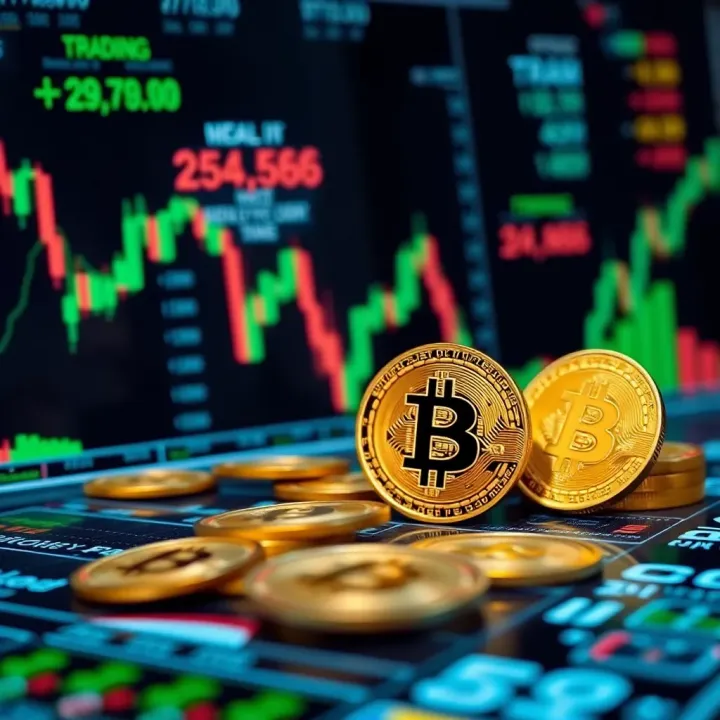
🔍 Explore crypto trading in Nigeria with tips on platforms, strategies, security, risks, and regulations. Get confident and trade smart in a fast-moving market!
Based on 15 reviews