
Forex Trading Basics for Beginners in Nigeria
📈 Learn forex trading basics for Nigerian traders. Understand key terms, markets, strategies, risks, and essential tools to kickstart your trading journey today!
Edited By
Amelia Wright
Forex trading has become quite the buzzword, not just overseas but right here in Nigeria. But what exactly is it, and why should anyone new to finance bother diving into it? This guide is here to clear the fog and deliver a no-nonsense introduction to forex trading, especially for beginners who might feel like they’re standing at the edge of a vast ocean without a paddle.
To kick things off, we’ll cover the basics—what forex trading means, how the global currency markets operate, and why it’s distinct from other financial markets like stocks or commodities. Then, we’ll walk through the key terms and concepts that every newcomer should have under their belt before placing even a single trade.

You'll also find practical advice tailored to the Nigerian context: how to get started safely, tools you might want to consider, and spotting the pitfalls to avoid. This isn't just about theory; it’s about equipping you to step onto the trading floor with a bit more confidence rather than feeling lost.
Starting with a solid foundation in forex trading isn’t about quick riches; it's about learning the ropes well enough to make informed decisions and manage risks wisely.
Whether you’re a trader, investor, student, or financial professional curious about the forex scene, this article aims to offer a grounded understanding that helps you decide if forex trading is your cup of tea. Let's get you set up to navigate this fascinating yet complex market with clear eyes and a steady hand.
Getting a grip on the basics of forex trading lays down a vital foundation for anyone keen to dive into this fast-paced market. It's not just about knowing what forex is; it's about truly understanding how it works, why currency pairs move, and what sets it apart from other markets. This knowledge cuts down costly mistakes and helps traders make smarter moves from the get-go.
Take, for instance, a Nigerian trader eyeing the USD/NGN pair. Understanding that they’re speculating on the value of the US dollar versus the Nigerian naira helps them see the bigger picture behind the fluctuating prices they watch daily. It’s this kind of grasp that turns confusion into confident decision-making.
Armed with the basics, beginners can also avoid falling into traps like confusing forex with the stock market, or trading without knowing market sessions and key players. So we'll break down fundamentals like what forex trading really is, how currency pairs function, the crucial differences from other markets, and the inner workings of the global forex market.
Forex trading, short for foreign exchange trading, means buying one currency while simultaneously selling another. This is done to capitalize on the changing exchange rates between two currencies. Think of it like swapping your Naira for US dollars now, hoping the dollar’s value goes up later so you can swap back and gain more Naira.
What makes forex trading a practical choice is its global scale and liquidity — currencies are traded around the clock, which allows traders to jump in or out whenever it suits them. For example, if you notice the Euro strengthening against the US dollar due to a policy announcement from the European Central Bank, you might decide to trade the EUR/USD pair to profit.
In forex trading, currencies are always quoted in pairs — the first currency is called the base currency, and the second one, the quote currency. If the USD/NGN pair is trading at 460, it means one US dollar equals 460 Nigerian Naira.
When you buy the USD/NGN pair, you are buying US dollars and selling Nigerian naira. If the USD gains strength and moves to 465, selling now earns you more naira than before. The flip side is if the naira strengthens and the pair drops to 455, you'd lose some value.
This mechanism lets traders speculate on the direction currencies move, without actually holding the physical money, which is a seasoned sort of approach to making money with forex.
Forex trading stands out from stock or commodity markets in a few key ways. For one, forex trades are over-the-counter (OTC), meaning they aren’t bound to a single centralized exchange. This contributes to the high liquidity and 24-hour nature of forex.
Unlike stocks, forex has massive leverage available — sometimes up to 100:1 or more. This means a trader can control a large position with a relatively small amount of money, though it does increase risk.
Also, forex markets are heavily influenced by macroeconomic factors, such as interest rates and geopolitical events, more so than individual companies or commodities. For example, when Nigeria's Central Bank changes interest rates, it instantly affects the naira's value.
The forex market is the largest financial market on the planet, with a daily trading volume exceeding $6 trillion. It connects banks, governments, corporations, and individual traders across different time zones.
A unique aspect is that this market is decentralized — it operates through computer networks and phone lines rather than a centralized exchange like the Lagos Stock Exchange. This setup allows forex to be always "open" somewhere around the world.
For a Nigerian trader, this means you can trade forex any time: whether it's daytime in Lagos or late night when Asia markets open.
Understanding who moves the market helps new traders position themselves better. The big players include:
Central Banks, like the Central Bank of Nigeria or the US Federal Reserve, which influence currency values by adjusting interest rates or intervening directly.
Commercial Banks, which handle forex transactions for clients globally.
Hedge Funds and Investment Managers who speculate on currency movements with large sums.
Corporations using forex to hedge their overseas business risk.
Retail Traders, individuals like many Nigerians entering with small accounts using brokers.
Each player affects price differently—central banks can cause sharp movements through policy, while retail traders generally follow trends created by larger participants.
Since forex is a global market, it follows the sun around the world. It operates 24 hours a day, five days a week, split into four major sessions:
Sydney
Tokyo
London
New York
For Nigerian traders, the London session, which overlaps with Lagos working hours, is particularly active and offers good liquidity. The New York session follows, sometimes overlapping with London for extra volatility.
Knowing these time zones helps traders pick the right moments to enter trades and avoid slow periods where spreads widen and price movement slows.
"Timing is everything in forex — knowing when major markets are active gives you an edge to catch the big moves and avoid getting stuck in low-activity times."
Understanding these basics clears the fog around forex trading and arms beginners with the info they need before putting their money on the line. It’s a solid first step toward navigating one of the most dynamic markets out there.
Diving into forex trading without a solid grasp of the jargon and core concepts is like trying to cook a jollof rice without knowing the ingredients. Before you put your money on the line, understanding key terms such as currency pairs, pips, lots, and leverage is vital. These concepts are the building blocks that’ll help you read the markets better, execute trades intelligently, and control your risks effectively.
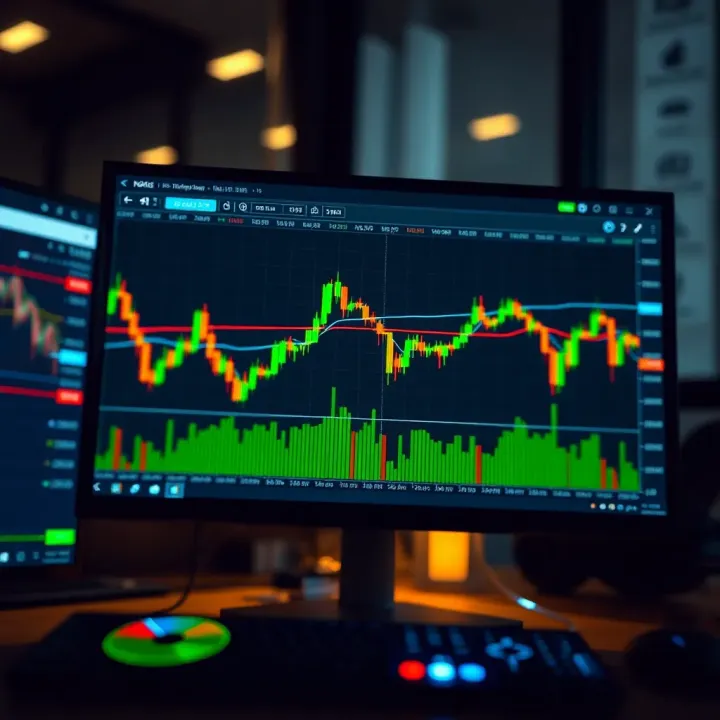
Every forex trade involves two currencies—this is a currency pair. The first is the base currency, and the second is the quote currency. For example, if you see EUR/USD quoted at 1.2000, EUR is the base currency, and USD is the quote currency. This means one euro costs 1.20 US dollars. When you buy EUR/USD, you’re essentially buying euros and selling dollars.
Knowing which currency is the base helps you understand trade direction. If EUR/USD rises, it means the euro is getting stronger against the dollar. This simple distinction guides your decisions on whether to buy or sell.
You’ll often see two prices for a currency pair: the bid and the ask. The bid is the price at which the market is willing to buy the base currency, and the ask is the price at which it’s willing to sell. The difference between these two prices is known as the spread.
For example, if GBP/USD has a bid price of 1.3900 and an ask price of 1.3903, the spread is 0.0003 or 3 pips. If you enter a trade, you’ll often buy at the ask price and sell at the bid price. Understanding these prices helps you know your trading costs and when your trade will be profitable.
A pip is the smallest price change a currency pair can make and is usually the fourth decimal place (0.0001) for most major pairs. For example, if USD/JPY moves from 110.25 to 110.26, that’s a 1 pip move.
This seemingly tiny unit is crucial because it measures your profit or loss. If you’re trading with large amounts, even a few pips can significantly impact your returns.
Forex trades are usually done in lots. A standard lot represents 100,000 units of the base currency. But for beginners or those with smaller accounts, trading that size can be intimidating or risky.
Hence, forex brokers offer mini lots (10,000 units) and micro lots (1,000 units). Choosing the right lot size lets you control exposure and manage risk better, kind of like deciding whether to drive a sports car or a sedan when learning the roads.
Leverage means borrowing money from your broker to increase your market exposure. For instance, with 50:1 leverage, you can control $50,000 in the market with just $1,000 of your own money.
Leverage can amplify gains, but it also magnifies losses. It's a double-edged sword—like using a loudspeaker; it makes you heard louder but also broadcasts your mistakes. Always use leverage cautiously, knowing it can wipe your account if trades go against you.
A market order is a straightforward command: “Buy or sell immediately at the best available price.” It’s useful when you want to enter or exit a trade fast without waiting.
On the other hand, a limit order lets you specify a price to buy or sell. For example, if USD/CAD is trading at 1.2500 but you want to buy only if it drops to 1.2450, you set a limit order at 1.2450. When the price hits that, your order executes automatically.
Limit orders help you stick to a trading plan and avoid emotional decisions during sudden market moves.
Risk management is every trader's best friend. A stop-loss order automatically closes your trade to prevent more losses if the price moves against you. Suppose you bought EUR/USD at 1.2000; setting a stop-loss at 1.1950 means your trade will close if the price falls 50 pips, capping your loss.
Similarly, a take-profit order locks in gains by closing your position once your target price is hit. If you expect EUR/USD to reach 1.2100, you can set a take-profit order at that level to secure profits without waiting.
Understanding these key terms and concepts will keep you from flying blind in the forex market and make your trading much more manageable and calculated.
Nailing these basics early on sets you up for smarter trading decisions. Remember, every forex trader – from a rookie in Lagos to a pro in London – starts by grasping these essential terms. Master these, and you're halfway to navigating the forex market like a seasoned trader.
Before diving into the fast-paced world of forex, getting your feet wet with the basics is a smart move. This section walks you through practical steps to kick off your trading journey in a way that minimizes early mistakes and builds a strong foundation. Whether you’re in Lagos or Kano, having a clear roadmap for entering the market will save you time and money.
Picking the right broker is like choosing the right fishing spot; it can make or break your experience. Here are the essentials:
Criteria for selecting a broker: Look for brokers with transparent pricing, good customer support, quick withdrawals, and trading platforms that suit your style. For example, if you value mobile trading, confirm the broker’s app is reliable. Fast execution speeds and no hidden fees are key too.
Understanding spreads and commissions: Brokers might charge a spread (the difference between buy and sell prices) or a commission per trade. A tight spread like 1-2 pips on EUR/USD means you pay less indirect cost. Sometimes, brokers offering zero commissions make up for it with wider spreads, so compare both to find the best deal.
Regulation and safety of funds: Stick with brokers regulated by reputable bodies like the FCA or CySEC. Nigerian traders should also consider brokers recognized by the Securities and Exchange Commission (SEC) in Nigeria to ensure funds' security. This protects you from scams and ensures your money is kept separate from the broker’s operating accounts.
Once you've found the right broker, opening your trading account is next:
Account types available: Brokers often offer different accounts like standard, mini, and micro accounts. If you’re starting with a limited budget, mini or micro accounts let you trade smaller amounts without risking too much cash all at once.
Basic account setup process: Typically, you’ll provide personal details, proof of identity, and possibly income proof. Some brokers enable quick online verification, so you won’t be stuck waiting. Fund your account using payment methods common in Nigeria, such as bank transfers or e-wallets.
Importance of demo accounts for practice: Demo accounts simulate real trading with virtual money. Use them to get a feel for the platform and test strategies without the pressure of losing real cash. Practicing here will help you understand market dynamics and order types, so you don’t jump in blind.
The tools you trade with can shape your success:
Popular platforms like MetaTrader: MetaTrader 4 and 5 remain favorites globally for their user-friendly interfaces, custom indicators, and automated trading options. Many Nigerian brokers support these platforms, which means plenty of educational resources and community support are available.
Charting and technical analysis tools: Tools that allow drawing trendlines, support/resistance levels, and applying indicators like RSI or MACD are crucial. They help you read market mood and catch potential price movements. Some brokers offer integrated charting software or third-party tools like TradingView.
Using economic calendars: Keeping an eye on economic events such as interest rate decisions or employment reports is critical. Economic calendars provide dates and times of such news, usually with impact ratings, helping you prepare for potentially volatile market moves.
Remember, good preparation with the right broker, accounts, and tools puts you steps ahead when you finally enter live trading. Take time here; starting on the right foot can save you from rookie errors down the line.
Getting good at forex trading isn’t just about knowing the jargon or having a fancy platform. It comes down to developing solid trading skills and strategies that fit your style and goals. Without a reliable approach, beginners might find themselves shooting in the dark, risking money without clear direction. Effective skills and strategies help you make decisions based on analysis—not guesswork—keeping your trades grounded.
Imagine you’re trying to catch fish in a wide river. Without knowing the right bait or spots, you’ll probably end up empty-handed. Trading strategies guide you to the 'right fishing spots' and the right setup to maximize your chances. Plus, skills evolve—what works one day might not work the next, so understanding different approaches like technical and fundamental analysis helps you stay adaptable.
The two main approaches to understanding the market are technical and fundamental analysis, and both have something valuable to offer, especially to beginners.
Technical analysis focuses on reading charts and historical price data. It looks for patterns, trends, and signals from price movements, trading volumes, and indicators like moving averages or RSI (Relative Strength Index). For example, a trader might spot a pattern where a currency usually bounces back after dropping 1%, giving a clue for entry.
Fundamental analysis digs into economic news, interest rates, political events, and other factors that affect currency values. For instance, if Nigeria’s Central Bank changes interest rates, it can influence the Naira’s exchange rate.
For beginners, blending both approaches can be a good start. You might check the news calendar for major economic events (fundamental) and then review charts to see how the market reacts (technical).
Start small: use simple technical indicators like support and resistance lines to spot potential buy/sell zones.
Keep an eye on major announcements like GDP reports or inflation stats and note how markets move to get a feel for fundamental impact.
Having a straightforward approach prevents you from getting overwhelmed. Two common strategies worth exploring early on are trend following and range trading.
This strategy is about riding the wave. If a currency pair is steadily rising or falling, traders aim to join that move rather than go against it.
For example, if the EUR/USD pair has been climbing over a few days with higher highs and higher lows, a trend follower might buy and hold until signs of reversal.
Tools like moving averages help confirm if the trend is still intact.
The benefit? It’s relatively simple to spot trends, and you don’t need to predict exact tops or bottoms.
Sometimes the market lacks a clear trend and moves sideways within a price range.
Range traders identify the upper and lower boundaries—like a ceiling and floor—and buy near the floor and sell near the ceiling.
For instance, if USD/JPY keeps bouncing between 108 and 110, traders could place buy orders around 108 and sell near 110.
This works well in stable market conditions but requires attention to breakouts when the price suddenly moves outside the range.
Starting with these basic strategies lets you get hands-on experience without too many complications. As you grow more confident, you can tweak your plans or try other tactics suited to your risk tolerance and goals.
Developing your skills step by step, practicing using demo accounts, and reflecting on your trades with a journal can make a big difference. Remember, no strategy is foolproof, but consistency and understanding make the difference between guessing and trading smartly.
Before diving deep into forex trading, it’s important to understand the risks involved. Forex markets can offer big opportunities, but without proper risk awareness, traders often find themselves caught off guard. Understanding risks helps you make better decisions and protect your capital over time. Especially for beginners, knowing what to watch out for prevents costly mistakes and builds a foundation for smarter trading practices.
Market volatility Forex markets are known for their ups and downs, sometimes more wild than other financial arenas. Volatility means prices can change quickly and sharply in minutes or even seconds. For example, economic news releases such as a surprise change in Nigeria’s central bank interest rates can cause sudden currency swings. This makes timing crucial — if you enter or exit a trade at the wrong moment, you could suffer unexpected losses. Staying updated and knowing when markets are most active, like during London or New York sessions, can help manage this risk.
Leverage dangers Leverage lets you control a larger trade than your actual investment. While it can magnify profits, it also piles up losses equally fast. Imagine putting down $100 but trading a position worth $1,000; a small price movement against you could wipe out your deposit quickly. Beginners often get tempted to use high leverage hoping for quick gains, but this is a fast track to blowing the account. Always use leverage cautiously and understand that it isn’t free money — it’s a double-edged sword.
Emotional and psychological factors Trading ain’t just about numbers and charts. A trader’s mindset can make or break their success. Fear and greed often drive impulsive trades. For instance, after several losses, some traders chase "revenge trades" trying to get back what they lost quickly, leading to bigger mistakes. Others might hold losing trades too long, hoping they’ll turn around, instead of accepting a small loss and moving on. Recognising these emotional traps and developing discipline through practice can steady your approach.
Setting stop-loss levels
A stop-loss is a pre-set price that limits your loss on a trade. It’s like having a safety net. For example, if you buy USD/NGN at 410 but want to limit losses to 5 naira per dollar, you’d set a stop-loss at 405. If the price drops to that point, your trade automatically closes. This prevents emotional decisions to hold on to losing trades and keeps your losses manageable.
How much you trade matters as much as what you trade. Position sizing means deciding the size of your trades based on your account balance and risk tolerance. A good rule is to risk only 1-2% of your total capital on any single trade. So, with a $1,000 account, you wouldn’t risk more than $10-$20 per trade. This method protects you from heavy losses and keeps you in the game longer.
Logging your trades, including why you made them and the outcome, can improve your trading over time. What worked? What didn’t? For example, you might notice you lose more when trading during volatile lunch hours or when ignoring stop-losses. A journal is your personal feedback loop, helping you spot habits to keep or cut. This level of self-analysis builds confidence and better strategy development.
Understanding and managing risk in forex trading isn’t optional — it’s how you stay afloat and grow steadily. Treat risks as part of the game, manage them wisely, and your forex journey will be less bumpy and more rewarding.
Building confidence and skills is a big deal for anyone stepping into forex trading for the first time. Without a solid base, it’s easy to get overwhelmed by market shifts or make rash decisions. This section covers practical ways to grow both patience and knowledge, so you don’t just dive in blind but develop into a thoughtful, strategic trader.
Starting with small trades gives beginners a safety net that big positions cannot offer. Think of it like dipping your toes in the water before swimming across a river. Small trades help you understand market movements, test your strategies, and gauge your emotional reactions without risking a big chunk of your capital. For example, if you begin with micro lots instead of standard lots, the potential losses stay manageable, giving you room to learn without panic.
Overtrading is like trying to catch every fish in the pond at once — you end up exhausted and often worse off financially. New traders sometimes jump into too many trades trying to make quick gains, which usually backfires. Being selective about your trades, sticking to your strategy, and waiting for the right setups leads to better decision-making. Overtrading can eat away profits through spreads and commissions, so it’s crucial to stay patient and disciplined.
Demo accounts aren’t just toys; they’re essential classrooms for beginners. A demo allows you to practice trading in real market conditions without risking actual money. To get the most of it, treat it like real trading: stick to your plan, evaluate your mistakes, and track your progress. Using platforms like MetaTrader 4 or MetaTrader 5 for demo trading lets you get familiar with charting tools and order types before going live.
The forex market keeps moving, and so should your learning. There’s a wealth of free and paid resources from sites like Investopedia, BabyPips, and even broker education sections like those offered by FXTM. Reading articles, watching video tutorials, and joining forums can offer fresh perspectives and practical tips. The more you learn, the more confident and adaptable you become — a must-have in such a dynamic market.
Remember, forex trading isn’t about quick fortunes but steady, thoughtful progress. Starting small, learning continuously, and managing risks carefully create a foundation for success that can grow over time.
📈 Learn forex trading basics for Nigerian traders. Understand key terms, markets, strategies, risks, and essential tools to kickstart your trading journey today!
💹 Explore forex trading basics in Nigeria: understand currency pairs, market players, strategies, and risk management for smarter investments! 📈
📊 Learn forex trading basics with this practical PDF guide for Nigerian traders. Understand currency markets, risk management & start trading confidently today!
Learn the essentials of forex trading in Nigeria 🇳🇬. Discover key terms, strategies, risk tips, and how to pick a trustworthy broker to get started safely.
Based on 5 reviews