
Best Forex Trading in Nigeria: Complete Guide
Explore top forex brokers, Nigeria's trading rules, and key tips to trade wisely. Master the forex market with our easy, expert guide! 📊💹🇳🇬
Edited By
Emily Stafford
Forex trading has become an increasingly popular investment option for many Nigerians looking to grow their wealth beyond traditional savings or fixed deposits. At its simplest, forex trading involves buying and selling currencies to profit from changes in exchange rates. The Nigerian forex market offers unique opportunities due to the naira's volatility and the active participation of retail traders alongside institutional players.
Understanding how forex works is key before diving in. Currency pairs are traded in a decentralized global market, operating 24 hours from Monday to Friday. Popular pairs involving the naira include USD/NGN and EUR/NGN, but the major pairs like EUR/USD and GBP/USD also attract Nigerian traders.
Local realities affect trading strategies here. For example, the Nigerian government and the Central Bank of Nigeria (CBN) periodically intervene in the forex market to stabilise the naira. These interventions sometimes lead to sharp price movements or official exchange rates differing from parallel market rates. Traders must keep an eye on official policies, fuel price changes, or political developments that impact market sentiment.
Nigerian forex traders should expect periods of high volatility, especially during ember months or pre-election seasons, which can create both risks and opportunities.
Forex brokers provide the platforms where traders execute deals. In Nigeria, brokers must be registered with relevant authorities like the Securities and Exchange Commission (SEC) or operate under recognised international licenses. Using trusted brokers with transparent fee structures and accessible customer support is vital.
Many Nigerians access forex via online trading platforms such as MetaTrader 4 and proprietary apps provided by brokers like FXTM, HotForex, or local fintech startups. Tools like economic calendars, technical analysis charts, and news feeds help traders make informed decisions.
Keep in mind the risks too — leverage can amplify both gains and losses, while scams and unregulated brokers remain threats. Successful trading in Nigeria combines knowledge of global forex mechanics with awareness of domestic market conditions.
This guide will clarify key concepts, local challenges, and practical tips to help you navigate the Nigerian forex market confidently and grow your ₦ smarter.
Grasping the basics of forex trading is essential before investing any naira or time in the market. It helps traders understand how currency values change, how profits or losses occur, and the factors influencing global currency movements. For Nigerians, who often contend with naira fluctuations and local economic conditions, this foundation provides clearer insight into when and why to enter trades.
Forex trading, also called foreign exchange trading, involves buying and selling different currencies. The aim is to profit from fluctuations in exchange rates. Unlike stocks, where you buy shares of a company, forex is about exchanging one currency for another. For example, a Nigerian trader might exchange US dollars (USD) for Nigerian naira (NGN), hoping to sell later at a better rate.
Understanding that forex is driven by supply and demand on a global scale helps demystify why prices move the way they do. The market reflects political events, economic indicators, and global trade flows, all playing a role in currency valuation.
Currencies trade in pairs because their value is relative. Each pair shows how much one currency is worth compared to another, such as USD/NGN or EUR/USD. If USD/NGN is 460, it means 1 US dollar buys 460 naira.
For Nigerian traders, this pairing system is crucial. It helps you decide which currency combination to trade based on economic news or personal strategy. For instance, strong American economic data might boost the USD, prompting some to sell naira for dollars expecting to profit from the movement.
The forex market is primarily driven by giants like central banks, commercial banks, and big financial centres such as London, New York, and Tokyo. These institutions facilitate most currency trades daily, often in volumes that dwarf retail trading.
For Nigeria, the Central Bank of Nigeria (CBN) plays a part in setting rates and intervening during volatility. Knowing this helps traders anticipate possible market reactions, especially around CBN policy announcements.
Forex operates around the clock during weekdays, moving across time zones seamlessly. This means Nigerian traders can engage in markets anytime, from when Lagos offices open to when New York closes.
Active trading sessions in London or New York often bring more liquidity and sharper price moves, making timing an important consideration for retail traders aiming to enter or exit positions.
Most trading happens in the spot market, where currencies exchange immediately at current rates. This suits most retail traders focused on quick market moves.
However, there are also forward contracts, agreements to exchange currencies at a set rate on a future date, useful for hedging currency risk. Futures contracts, similar but standardised and traded on exchanges, allow for speculation or hedging but are less common among Nigerian retail traders.
Knowing these contract types lets you choose the best approach for your trading goals and risk comfort.
Understanding these basic concepts gives Nigerian traders a practical framework to navigate forex trading confidently, balancing local realities with global currency movements.
Understanding who the key players are in the forex market helps traders make better decisions. These participants shape currency price movements and liquidity, directly impacting how Nigerians engage in currency trading.
Central banks and governments hold significant sway in forex markets because they control monetary policies and foreign reserves. For instance, the Central Bank of Nigeria (CBN) occasionally intervenes to stabilise the naira by adjusting interest rates or directly buying and selling foreign currency. Such moves influence currency value and market sentiment, offering traders critical clues on when to enter or exit trades.
Commercial banks and financial institutions serve as major liquidity providers. These banks handle large forex transactions for clients like corporations or governments and also act as counterparties to retail traders. Nigerian banks such as Zenith and GTBank provide forex services and can impact exchange rates as they process significant cross-border payments. Knowing how these institutions behave can help traders anticipate market shifts and execution speed.
At the grassroots, retail traders and brokers in Nigeria form the market’s foundation. Retail traders use online platforms provided by brokers to buy and sell currencies. Brokers bridge the gap between large financial markets and Nigerian traders. Choosing a broker with good local support, fair spreads, and reliable execution matters since these factors influence profitability and trading experience.
Types of brokers available to Nigerian traders include Dealing Desk (DD) and No Dealing Desk (NDD) brokers. DD brokers internalise trades, meaning they often take the opposite side of client positions. On the other hand, NDD brokers connect clients directly to the interbank market. Nigerian traders should understand these differences because they affect order execution, spreads, and potential conflicts of interest.
Criteria for choosing a reliable broker are crucial to avoid fraud and poor service. Among top considerations are regulation (by bodies like the Securities and Exchange Commission in Nigeria or international authorities), transparent fee structures, and robust customer support. A trustworthy broker assures traders that their funds are safe, orders execute promptly, and trading conditions are fair.
Common broker trading platforms include MetaTrader 4 (MT4) and MetaTrader 5 (MT5), popular for their user-friendly interfaces and rich tools. Many Nigerian traders prefer these platforms because of their extensive charting capabilities and automated trading options. Apart from these, some brokers offer proprietary platforms with integrated payment solutions supporting Naira deposits and withdrawals, easing local transactions.
Knowing your broker and understanding who moves the forex market equips you to trade smarter. Keep an eye on central bank announcements, bank liquidity flows, and broker reputations to navigate Nigeria’s forex scene successfully.
For Nigerians interested in forex trading, understanding the initial steps can save time and prevent costly mistakes. Starting well means handling identification, funding, and market choices carefully. Getting these aspects right sets a solid foundation for successful trading and helps you navigate typical local challenges like currency volatility or payment restrictions.
Forex brokers typically require Nigerian traders to complete Know Your Customer (KYC) procedures before opening accounts. This means submitting government-issued identification such as the National Identification Number (NIN), international passport, or driver's licence. The verification aims to prevent fraud and money laundering, which is especially important given the rise of dubious platforms in Nigeria’s forex space. Plus, a proper KYC enhances your access to regulatory protections and smoother account operations.
Funding your forex account using the Nigerian Naira (₦) is straightforward when you choose brokers that support local payment methods. Platforms like Paystack, Flutterwave, or OPay provide convenient channels for deposits and withdrawals, avoiding the hassle of foreign currency exchanges. Since the naira can be volatile, using local payment solutions helps reduce transaction costs and delays. Always confirm that your broker supports Nigerian banks to move funds safely and quickly.
While global forex pairs like EUR/USD or GBP/USD attract many traders, Nigerians often focus on pairs involving the naira such as USD/NGN. Trading pairs linked to the naira allows you to take advantage of local economic trends and central bank policies. It is also easier to monitor news and events affecting these pairs directly. Beginners should study pairs with good liquidity and avoid overly exotic currencies where price swings can be unpredictable.
Scalping involves making quick trades to profit from small price moves within minutes or seconds. Day trading follows a similar short-term approach but usually holds positions throughout the trading day. These styles suit Nigerians with limited capital wanting to see daily trading activity and immediate results. However, they demand constant market attention and fast decision-making to avoid losses caused by sudden naira exchange rate changes.
Swing trading focuses on capturing price shifts over several days or weeks, allowing time for market trends to develop. This strategy suits traders balancing forex with other commitments, as it doesn’t require nonstop monitoring. For Nigerian traders, swing trading can be effective during periods of relative naira stability or when global economic events influence currency pairs subtly over time.
Technical analysis uses charts and indicators like moving averages, RSI, and Fibonacci retracements to predict price movements. Learning to read these tools helps traders understand market rhythms without solely relying on news. Nigerian beginners benefit by combining technical signals with awareness of local factors, such as monetary policy changes or political developments, to make better-informed trades.
Starting forex trading with clear account setup and practical strategies increases your chances of success in Nigeria's dynamic currency market. Keep learning and stay updated to adapt to shifting conditions effectively.
Trading forex in Nigeria offers potential for profit but also involves significant risks. Recognising these challenges upfront can save you from costly mistakes and frustration. In particular, understanding local market dynamics like naira volatility, the implications of leverage, and the risks from fraudulent platforms is vital for anyone looking to trade currencies effectively.
The naira’s value often swings sharply due to factors like changes in crude oil prices, government policy shifts, and foreign exchange reserves. These movements can either create profit opportunities or wipe out gains unexpectedly. For example, a sudden naira devaluation might increase the cost of imported forex trading platforms or affect your ability to withdraw funds in foreign currency.
Such instability demands traders keep a close eye on exchange rate trends. Relying on outdated or inaccurate data can lead to bad trades. This volatility also means that Nigerian traders need to carefully decide when and how much to invest, considering naira strength.
Forex brokers often offer leverage to boost your buying power, sometimes as high as 1:100 or more. This means you can trade positions much larger than your initial capital. While leverage can amplify profits, it can just as quickly magnify losses.
For instance, a 1% adverse move with 100 times leverage can wipe out your entire investment. Many Nigerian newbies underestimate this risk, jumping into high-leverage trades without a solid risk management plan. It’s essential to use leverage sensibly and understand how margin calls work to avoid sudden account liquidation.
Forex scams have become a headache in Nigeria’s trading scene. Fraudulent brokers lure traders with promises of huge returns and bonus offers but then manipulate platforms or delay withdrawals. Unsuspecting traders might provide personal identification (like BVN) or send funds to bogus wallets, losing everything.
A notable case was the shutdown of several unlicensed brokers following SEC Nigeria’s crackdown after complaints flooded in. It shows the importance of confirming a broker’s regulation status before trading. Stick to brokers with clear compliance to Nigerian financial authorities or globally recognised licences.
These are powerful tools to protect your funds. A stop-loss order automatically sells your asset once the price hits a certain low, limiting your loss. Conversely, a take-profit locks in gains at a target price.
For example, if you buy the USD/NGN pair at ₦415 and set a stop-loss at ₦410, your position closes if the naira strengthens beyond your risk limit, preventing further losses. Using these orders reduces emotional decisions and helps preserve capital in Nigeria’s often volatile markets.
Don’t put all your eggs in one basket. Instead of focusing only on USD/NGN, consider trading other pairs or instruments like EUR/USD or commodities-linked currencies. Diversification spreads risk and can buffer losses when one market moves against you.
Nigerian traders might combine forex with investing in local stocks or bonds for balance. But ensure you understand each market’s behaviour and tailor your strategies accordingly.
Events like CBN policy changes, election outcomes, or global oil price shifts directly influence forex markets. Nigerian traders must follow reliable financial news sources to anticipate potential volatility.
For instance, the announcement of fuel subsidy removal often triggers naira depreciation, affecting forex sentiment. Being ahead of such news helps adjust trades promptly and avoid surprises.
Managing risks in forex trading doesn’t eliminate losses, but it equips you to handle them better with less stress and more control over your investments.
Understanding and dealing with these risks will help Nigerian forex traders trade more confidently and sustainably in a market that can be as rewarding as it is challenging.
Navigating the forex market in Nigeria requires more than just understanding how trading works. Having the right tools and resources can make a serious difference in your success. Nigerian traders face unique challenges—like managing naira volatility and local payment hurdles—so reliable platforms, funding options, and educational material tailored to this environment are essentials.
MetaTrader 4 and MetaTrader 5 are widely preferred trading platforms among Nigerian forex traders. MT4 offers a user-friendly interface and solid charting tools that suit beginners and experienced traders alike. MT5, as an improved version, supports more asset classes and has better analytical features. Both platforms allow traders to implement automated trading strategies with Expert Advisors (EAs) and provide mobile apps for trading on the go, which is handy given Nigeria's unpredictable power and internet conditions.
When it comes to funding your forex account, local payment solutions ease transactions significantly. Platforms such as Quickteller, Paystack, and Flutterwave enable seamless deposits and withdrawals in naira, which helps avoid costly currency conversion fees. Some brokers also accept funding through bank transfers with Nigerian banks like GTBank or Access Bank, making it easier to move money between your trading account and local bank. Reliable payment methods reduce downtime and frustration, especially during high-volatility periods when quick trades matter.
Another valuable resource is Nigerian forex trading communities and forums. Online groups on Facebook, Telegram, and WhatsApp provide spaces to share tips, signals, and market updates. These communities often discuss broker reviews relevant to Nigeria, helping newcomers avoid scammy platforms. Platforms like Nairaland have dedicated forex threads where Nigerian traders discuss practical obstacles like managing the Central Bank's forex policies or navigating software glitches.
Free online tutorials and webinars offer a helpful starting point for Nigerian traders trying to grasp forex trading fundamentals without upfront costs. Resources from global providers like Babypips are popular, but local educators often customise content to Nigeria’s forex context, addressing challenges like restricted access to international brokers or managing naira volatility.
Books and articles are excellent for deeper insight. Titles such as "Currency Trading for Dummies" give a solid theoretical background, while Nigerian financial websites regularly publish articles addressing forex news and regulations, keeping traders updated on local market conditions. Reading these resources sharpens trading decisions and helps avoid common pitfalls.
Finally, Nigerian forex influencers and educators play a significant role for beginners and intermediate traders. Personalities who explain strategies through YouTube videos, Instagram, or Twitter provide relatable content tailored to Nigerian circumstances. Their insights often include practical tips on selecting brokers, leveraging local payment systems, and regulating risk effectively. Following such educators keeps traders connected to real-time developments relevant to Nigeria’s economic climate.
To succeed in forex trading as a Nigerian, combining efficient platforms, smooth payment channels, active community support, and quality learning materials offers a solid foundation for smart, informed trading.
Explore top forex brokers, Nigeria's trading rules, and key tips to trade wisely. Master the forex market with our easy, expert guide! 📊💹🇳🇬

📈 Discover clear steps to start Forex trading in Nigeria. Learn market basics, strategies, risk management, and legal tips to trade confidently and smartly.
Explore forex trading in Nigeria 🇳🇬 with practical tips, market insights, and regulatory guidance to help beginners start confidently and navigate challenges.
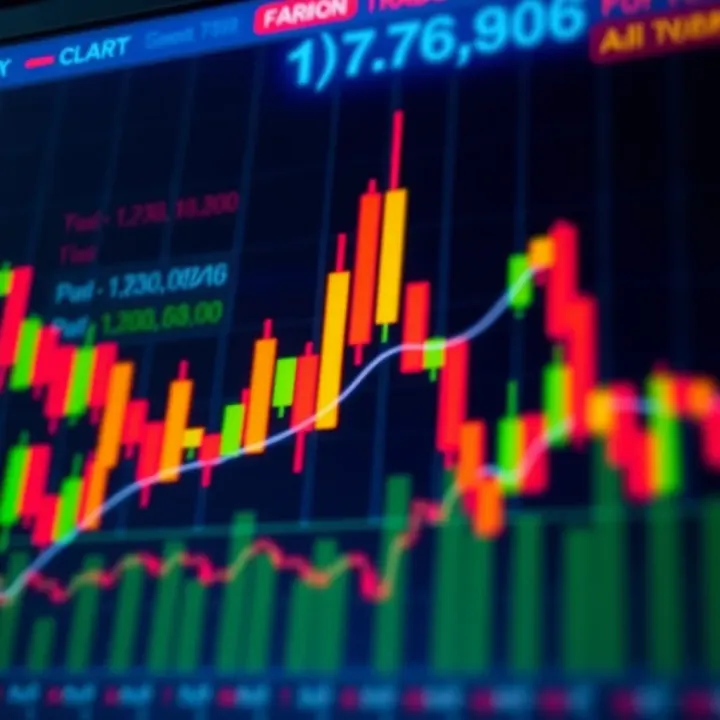
📊 See forex trading made easy with pictures! Understand markets, charts, signals, and practical setups to trade confidently in Nigeria’s ₦ environment.🇳🇬
Based on 5 reviews