
Chart Forex Trading Guide for Nigerian Traders
📈 Master chart forex trading in Nigeria with practical tips on chart types, key indicators, and trading strategies to handle market swings and boost profits effectively.
Edited By
Isabella Hughes
Forex trading offers Nigerian traders a real chance to grow their wealth, especially if they approach it with clear strategies and discipline. However, success here requires more than luck or guesswork. You need a proper understanding of the market, solid risk management, and an ability to build a strategy that fits your goals and risk appetite.
Unlike the stock market or local business ventures, forex operates 24 hours a day, influenced by global economic events and currency fluctuations. This means Nigerian traders have to keep an eye on international news and local economic indicators like the Central Bank of Nigeria's (CBN) policies, naira exchange rates, and commodity prices that impact the currency market.
Consistency in forex trading comes from disciplined learning, practical application, and managing risks wisely—not chasing quick wins.
Market Knowledge: Understand how currency pairs work, especially the USD/NGN rate, alongside other major pairs like EUR/USD or GBP/USD.
Risk Management: Use tools such as stop-loss orders to limit losses and avoid risking more than 1-2% of your trading capital on a single trade.
Trading Strategy: Develop and backtest a plan before you start. This may involve technical analysis, fundamental analysis, or a combination of both.
Leverage and Tools: Be cautious with leverage. Nigerian traders often get attracted to high leverage offers from brokers, but this can quickly wipe out your funds. Use reputable platforms and tools, including those compliant with Nigerian regulations.
Understanding these basics sets the foundation for more advanced trading techniques. Your ability to apply this knowledge using available financial tools—whether local fintech payment systems like Paystack for deposits or official NGX market sentiment—will help you grow your trading portfolio in a more sustainable way.
Starting off on the right foot enables Nigerian traders to navigate the forex market with confidence, minimise unnecessary losses, and build consistent profits over time.
Before venturing into forex trading, it’s necessary to grasp the market's core fundamentals. Understanding how the forex market operates equips you with the tools to analyse price movements, execute trades confidently, and manage risk effectively. For Nigerian traders, this knowledge is not merely theoretical—it directly shapes how to navigate challenges such as currency volatility and local economic factors.
Forex (foreign exchange) trading is the buying and selling of currencies with the aim to profit from changes in exchange rates. Unlike stock trading, forex happens in pairs; for example, USD/NGN (US dollar to Nigerian naira). Each pair shows how much one currency is worth compared to the other. A practical way to look at this is when you travel abroad and exchange naira for dollars, forex trading follows the same principle but happens electronically between buyers and sellers globally.
Trades in the forex market occur through platforms provided by brokers. When you decide to buy or sell a currency pair, you place an order which the broker executes at the current market price or at a pre-set level. This process is mostly automated and happens within seconds. For instance, if you predict that the euro will strengthen against the dollar, you buy the EUR/USD pair. When the euro gains value, you can sell it later at a profit. Execution speed and reliable platforms are critical here to avoid slippage—something Nigerian traders should carefully consider when choosing brokers.
Nigerian traders mostly focus on major pairs like USD/NGN, EUR/USD, and GBP/USD because these pairs offer high liquidity and relatively stable spreads. USD/NGN is particularly common due to direct exposure to the naira and its relevance for remittances, import-export, and local businesses. Minor pairs such as USD/ZAR (US dollar to South African rand) also attract interest because of economic ties within Africa. Understanding your preferred pairs helps you follow relevant economic events and market sentiment that affect prices.
The forex market runs 24 hours a day but is split into four main trading sessions: Sydney, Tokyo, London, and New York. Each session has unique characteristics, with overlapping times often providing high volatility and greater opportunities. For Nigerian traders, the London session is especially important because it coincides with Europe’s business hours, where significant currency activity happens.
Since Nigeria operates on West Africa Time (WAT, UTC+1), the London session roughly runs from 8:00 am to 4:30 pm WAT, making daytime trading convenient. The overlap between London and New York sessions (1:00 pm to 4:30 pm WAT) offers higher volume and volatility, ideal for capturing bigger price swings. Trading during these periods reduces risks linked to illiquid markets and sudden price gaps, which are common during quiet hours.
Familiarising yourself with market hours ensures you trade when liquidity and volume are highest, improving the chances of executing profitable trades with less risk.
Knowing these basics provides a solid foundation for anyone serious about forex trading in Nigeria, guiding decisions about strategy, timing, and market selection.
Choosing the right tools and platforms is a key step for Nigerian traders aiming to succeed in the forex market. Reliable brokers and intuitive technology can make a huge difference, especially when dealing with naira volatility and local banking systems.
When picking a forex broker in Nigeria, check for transparency, customer support, and trading costs. Nigerian traders should prioritise brokers offering local currency accounts to avoid excessive conversion fees. Also, seamless deposit and withdrawal options via Nigerian banks or popular online wallets like OPay or Paystack make trading smoother.
Licences and regulation certificates offer extra peace of mind. Brokers regulated by recognised bodies such as the Nigerian Securities and Exchange Commission (SEC) or international authorities like the Financial Conduct Authority (FCA) in the UK tend to follow stricter standards. This generally ensures safer trading conditions and less risk of fraud.
Many Nigerian traders use brokers who support NGN accounts to simplify fund management. Platforms like FXTM, HotForex, and OctaFX provide naira accounts and are popular choices due to their flexibility and local payment options. Using these brokers, traders can avoid costly FX charges common with purely USD or EUR accounts.
MetaTrader 4 and MetaTrader 5 remain the most commonly used forex trading platforms in Nigeria. They provide comprehensive charting tools, technical indicators, and automation capabilities that help users analyse market trends effectively. MT5 offers enhancements over MT4, including depth of market data and more timeframes, which can give an edge in decision-making.
For traders on the go, mobile apps compatible with both Android and iOS are essential. Platforms like MT4 mobile and broker-specific apps from FXTM or HotForex allow Nigerians to trade seamlessly despite the regular power or internet challenges. These apps often have features like real-time quotes, trade alerts, and easy fund transfers, ideal for busy traders.
Starting with a demo account is a smart move before risking real money. Demo accounts let you practise strategies using virtual funds, helping to learn platform navigation and market reactions without financial risk. For Nigerian beginners, this practise period builds confidence, particularly when trying to understand how naira fluctuations might affect trading.
Using trusted brokers, the right platforms, and practising with demo accounts form the solid foundation every Nigerian forex trader should build on. These tools help to navigate the unique challenges of the Nigerian market and safeguard investments effectively.
This approach ensures you are not only technically prepared but also aware of practical local considerations, setting the stage for long-term trading success.
Creating a solid trading strategy is key to long-term success in forex trading. Without a clear plan, the market’s constant ups and downs can easily throw even experienced traders off balance. Strategies help you make consistent decisions, reduce emotional interference, and respond logically to market moves. For Nigerian traders, this means combining both technical skills and an understanding of local and global economic factors.
Understanding price movements and trends lies at the heart of technical analysis. It involves looking at historical price data to identify patterns or trends that might repeat. For instance, if the naira-dollar pair has consistently bounced back after reaching a certain support level, that information guides when to buy or sell. Recognising whether a currency pair is in an uptrend, downtrend, or sideways movement helps you decide your entry and exit points without guessing.
Popular indicators and how to use them provide traders with clearer signals. Tools like the Moving Average (MA) smooth out price data to highlight the trend’s direction, while the Relative Strength Index (RSI) shows when a currency is overbought or oversold. For example, if the RSI for USD/NGN hits above 70, it may signal selling pressure soon. Understanding how each indicator works—and combining a few—lets you confirm your trades and manage risks better.
Timeframes best suited for Nigerian market conditions revolve around your trading style and the market’s active hours in West Africa Time (WAT). Day traders may focus on short-term charts like 15-minute or 1-hour intervals during the London and New York sessions, when liquidity peaks. Meanwhile, swing traders might favour daily or 4-hour charts to catch longer moves, particularly around Nigerian economic releases or global events that influence forex volatility.
Impact of Nigerian economic data and CBN policies cannot be overemphasised. Announcements such as inflation rates, GDP growth, or changes in monetary policy by the Central Bank of Nigeria (CBN) shape naira’s strength against other currencies. For example, when the CBN adjusts interest rates, it influences foreign investment flows and trader sentiment. Keeping a close eye on the Nigerian economic calendar helps you anticipate market reactions.
Global events affecting currency values also play a major role. Crude oil prices, geopolitical tensions, or economic news from the US and China often sway currency pairs involving the naira. Since Nigeria relies heavily on oil exports, a drop in crude prices typically weakens the naira. Being aware of these external forces allows traders to manage exposure and react to sudden shifts.
How to follow news for trading decisions means using trustworthy sources responsibly. Nigerian traders benefit from following updates from local financial news outlets, CBN releases, and international platforms like Bloomberg or Reuters. Setting alerts for key announcements, avoiding hearsay from unverified tips, and interpreting news within the broader market context ensure better trade timing and confidence.
Successful forex trading in Nigeria depends heavily on marrying technical insights with real-time economic information. Developing strategies that consider both gives you a stronger edge and reduces surprises.
By regularly applying these technical and fundamental methods, Nigerian traders build disciplined habits. Over time, this approach enhances decision-making, manages risks better, and improves profits in the challenging but rewarding forex market.
Risk management is central to long-term success in forex trading, especially for Nigerian traders navigating the often volatile naira market. Protecting your investment helps you avoid large losses that could wipe out your trading capital. Without proper risk controls, even a few bad trades can quickly spiral into significant setbacks. Managing risk means planning ahead, knowing when to cut losses, and staying disciplined.
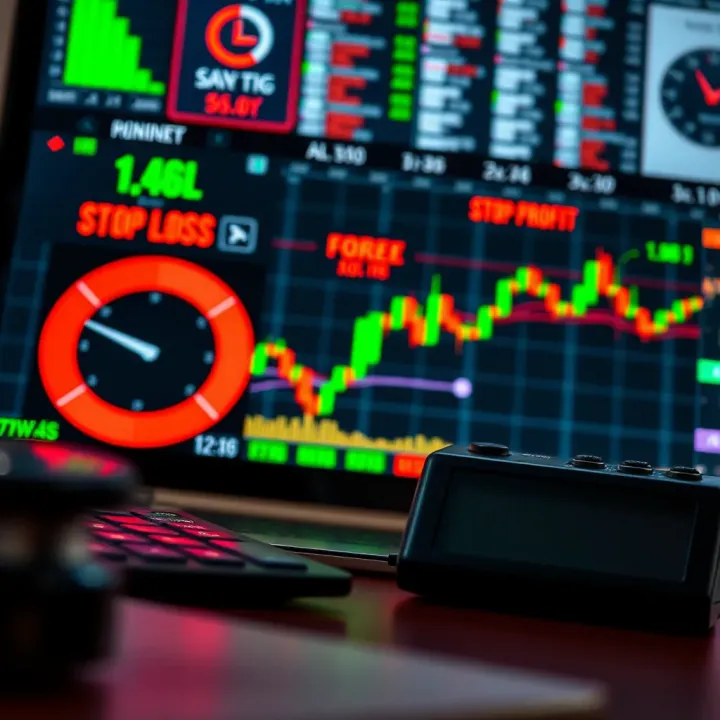
Stop-loss orders limit your losses by automatically closing a trade at a predetermined price point. For instance, if you buy the USD/NGN pair at ₦460 and set a stop-loss at ₦455, your loss is capped if the price drops. Take-profit orders work in the opposite way, locking in your gains once a target price is reached. Setting these levels guards against sudden market swings, which can happen often in Nigeria due to factors like CBN policy changes or global shocks.
Choosing how much money to risk on each trade is just as important as picking the right entry point. Many successful traders risk only 1–2% of their total capital per trade. For example, if your trading account holds ₦500,000, you might risk no more than ₦5,000 to ₦10,000 on any single trade. This preserves your capital over multiple trades, preventing a single losing position from draining your account. Allocate your funds wisely across trades, considering the volatility and your confidence in each setup.
Discipline means sticking to your trading plan even when emotion tempts you to deviate. Cutting losses quickly and not chasing losing trades keeps your portfolio healthier over time. Nigerian traders often face temptations to double down after losses, hoping to recover quickly, but this usually leads to bigger losses. Follow your stop-loss levels strictly and avoid trading when tired or stressed; doing so helps protect your funds from careless decisions.
Letting fear or greed drive your decisions often leads to mistakes. For example, panic selling during a sudden naira slump might lock in losses unnecessarily. Staying objective means relying on your analysis instead of emotions. Using journals to track trades and reviewing why decisions were made can help reduce emotional bias. Professional traders treat forex like a business, not a game.
Trading too often or risking large amounts can drain your account quickly. Imagine placing five trades a day, each risking 10% of your funds; a string of losses would be devastating. Limit the number and size of trades based on your capital and market conditions. Quality over quantity preserves your account and enhances focus.
Many Nigerian traders receive trade tips through social media or WhatsApp groups. While some may be helpful, blind reliance without verification can cause costly mistakes. Always conduct your research before acting on tips. Following unverified sources risks falling for scams or bad advice, especially with volatile pairs like USD/NGN where misinformation spreads quickly.
Protecting your investment starts with solid risk management and avoiding common pitfalls. Discipline and careful planning build a foundation for consistent profits amid Nigeria's forex challenges.
Navigating the forex market as a Nigerian trader requires more than theoretical knowledge or basic strategies. Practical tips tailored to local realities can make a real difference in results. Managing funding options, understanding currency peculiarities, and committing to continuous learning are vital. This approach helps traders stay competitive and avoid pitfalls common in the Nigerian trading environment.
Nearly every forex broker serving Nigerian clients accepts funding through local bank transfers. Banks such as GTBank, Access Bank, and Zenith Bank are popular channels because of their reliability and wallet-to-wallet ease. Online payment platforms like Paystack, Flutterwave, and OPay also support quick deposits and withdrawals. Using these platforms means you avoid unnecessary delays or fees that could cut into your trading capital.
Naira volatility frequently affects the value of funds when moving between your local bank and the forex broker’s base currency, usually dollars. Traders need to monitor exchange rates closely to choose the best time to fund their accounts or withdraw profits. For instance, rates tend to fluctuate sharply during ember months or around political events. Using brokers that offer NGN accounts or stable US dollar pegged options can help minimise losses due to sudden naira depreciation.
Speed and security are non-negotiable in forex trading funds transfer. Delayed payments limit your ability to enter timely trades, while insecure methods risk fraud or loss. Choosing brokers regulated by trustworthy bodies compliant with Nigerian regulations adds a layer of protection. Confirm that your bank or payment platform offers transaction alerts and two-factor authentication. For example, banks that send OTPs for transfers provide assurance that only you control the fund movement.
Local trader communities on platforms like Telegram, WhatsApp, and Facebook groups serve as useful hubs for real-time market discussions and tips. These communities often include veteran traders sharing insights that reflect Nigeria’s unique market behaviour and economic events. Joining such groups offers a chance to ask questions, see trade ideas in action, and spot scams before they trap you.
Educational events hosted by brokers, financial experts, or fintech companies often focus on trending topics like CBN policy impacts or technical analysis tailored for Nigerian traders. They provide practical knowledge that you can immediately apply, plus opportunities to network with other traders and industry insiders. Many Nigerian brokers organise free webinars regularly, and attending at least one session monthly can sharpen your skills steadily.
Reflecting on your trading history is a powerful way to improve results. Keep a trading journal logging entry points, trade size, stop-loss levels, and emotional state during trading. Nigerian markets can be unpredictable, so noting what worked or failed under specific conditions builds valuable experience. For instance, you might discover you perform better trading major pairs during calmer economic periods. Use these insights to adjust strategies continuously.
Staying ahead in forex trading is about adapting your approach to Nigeria’s financial dynamics, leveraging local payment systems, and committing to ongoing education. Practical routines like these build resilience, discipline, and profitability over time.
📈 Master chart forex trading in Nigeria with practical tips on chart types, key indicators, and trading strategies to handle market swings and boost profits effectively.
Learn how forex trading works in Nigeria 🇳🇬, discover key players, risks, analysis methods, and how global events shape currency rates for better ₦ decisions.
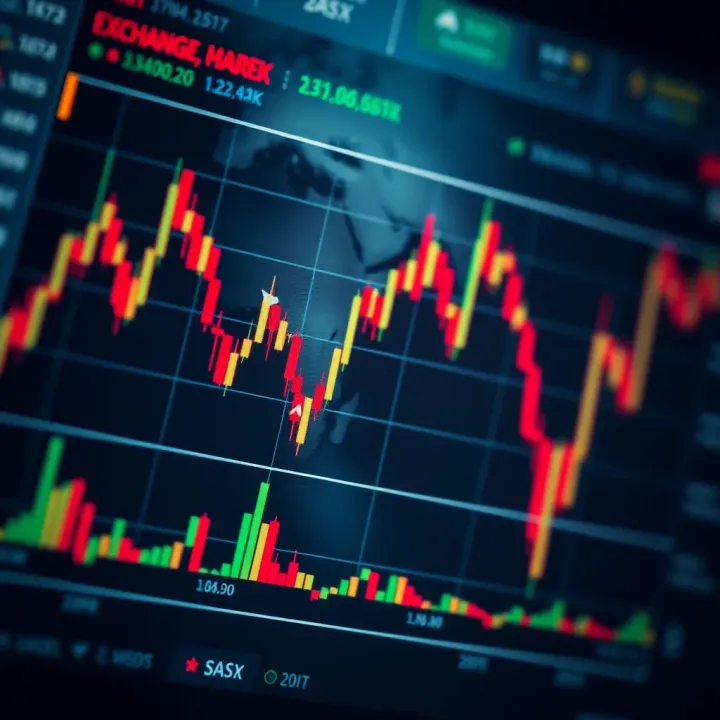
🌍 Learn forex trading essentials with practical tips for Nigerian traders: market basics, smart strategies, risk control, and local guidance to earn ₦ online safely. 💹
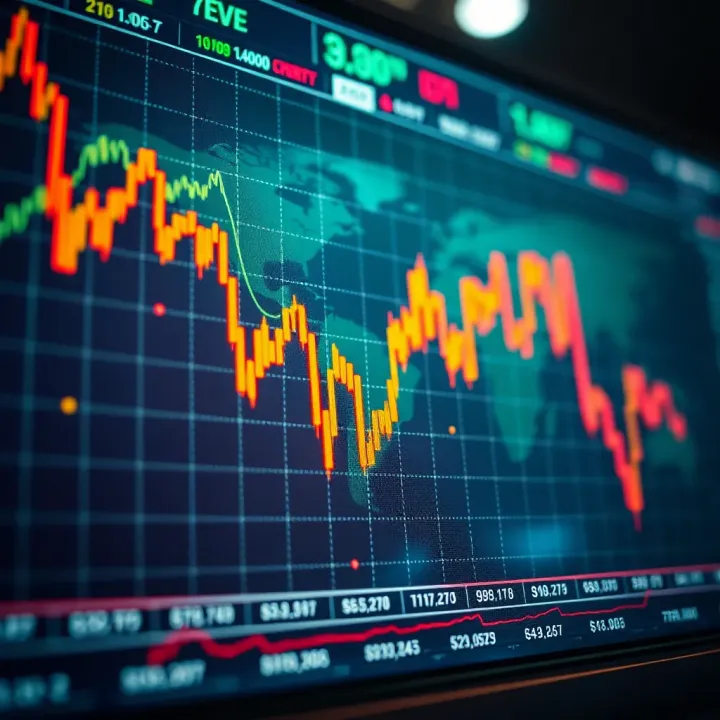
📉 Forex trading in Nigeria offers profit but brings risks like market volatility, leverage troubles, and scams. Learn how to manage them safely and why proper regulation matters.
Based on 11 reviews