
Best Forex Trading Platforms for Beginners in Nigeria
New to forex trading in Nigeria? 🌍 Discover how to pick the best beginner-friendly platform with tips on security, fees, features, and usability for confident trading.
Edited By
Amelia Wright
Starting forex trading in Nigeria can be a rewarding way to grow your ₦ investment, but it requires clear understanding and careful planning. Unlike traditional investments, forex trading involves buying and selling currencies, aiming to profit from exchange rate fluctuations. Before diving in, you need to master the basics and avoid common mistakes.
Firstly, forex trading requires real money, even if just a small amount to start. In Nigeria, due to naira volatility and exchange restrictions, choosing the right broker is critical. Many Nigerians have fallen victim to unregulated brokers or scams. Always verify if a broker is registered with Nigeria's Securities and Exchange Commission (SEC) or a valid international regulatory body like the Financial Conduct Authority (FCA) in the UK.
Another important point is understanding currency pairs. For example, trading USD/NGN involves the US dollar and Nigerian naira. Successful trading depends not only on market knowledge but also on knowing how global events, Nigerian economic policies, or central bank decisions affect these pairs.
Getting familiar with trading platforms such as MetaTrader 4 (MT4) or MetaTrader 5 (MT5) is essential. These platforms allow you to analyse charts, place trades, and track your performance. Nigerian traders often use these alongside mobile apps by fintech platforms for speedy execution.
Risk management is a pillar of forex trading. Given the fast changes in currency prices, using tools like stop-loss orders can protect your capital. Many beginners skip this and end up losing heavily during volatile periods like ember months when foreign exchange rates fluctuate wildly.
Remember, forex trading is not a lottery. It demands education, discipline, and constant market observation. Impatient or uninformed traders risk losing their hard-earned ₦ quickly.
In this article, you will find step-by-step guidance tailored for Nigerians: from choosing brokers, opening accounts, to real trading strategies. This helps you trade confidently and protect your funds in Nigeria’s unique forex environment.
Grasping the basics of forex trading is essential before you even think of dipping your toes in the market. It gives you a clear picture of how things work, helping you avoid costly mistakes right from the start. For Nigerian traders, understanding forex isn’t just about knowing what the market is; it’s about appreciating how currency movements can impact your investment, particularly in a market influenced by naira volatility and local economic shifts.
Forex trading involves buying one currency while simultaneously selling another. These pairs, such as USD/NGN or EUR/USD, are traded in pairs because currencies are always compared against each other. For example, if you buy USD/NGN, you’re speculating that the US dollar will strengthen against the Nigerian naira.
Trading profits come from these fluctuations in exchange rates. Suppose you buy USD/NGN at ₦460 and later sell it when it reaches ₦470; you make a profit from the difference. However, if the naira strengthens instead, you risk losing money. The forex market runs 24 hours, five days a week, but for Nigerian traders, the most active hours occur when both the European and US markets overlap, typically between 3 pm and 11 pm WAT. Being active during these hours allows you to catch better trading opportunities with higher liquidity.
Understanding jargon like pip, lot, leverage, and margin makes a huge difference in trading. A pip is the smallest price movement in a currency pair, often 0.0001 for most pairs. It helps you measure gains or losses precisely. A lot refers to the quantity you’re trading, with a standard lot equal to 100,000 units of the base currency. Leverage lets you control a large position with a small deposit, known as margin, but it amplifies both gains and losses. For example, using 1:100 leverage means a ₦10,000 margin can control ₦1,000,000 in the market.
The bid-ask spread is the difference between the price you can sell (bid) and the price you can buy (ask) a currency pair. A narrower spread means lower trading costs. Nigerian brokers often have wider spreads because of market factors, so looking out for competitive spreads can save you money.
Currency quotes show the value of one currency relative to another, generally displayed as base/quote pairs. For instance, if USD/NGN is quoted at 460.50, it means one US dollar costs ₦460.50. Understanding how these quotes work helps you decide when to buy or sell.
Mastering these basics helps you approach forex trading with confidence, making the market less intimidating and more manageable. Remember, the clearer you are about these fundamental concepts, the smoother your trading journey will be.
This foundational knowledge sets you up for stronger decisions as you select brokers, open accounts, or develop strategies.
Selecting the right forex broker is a key step for any Nigerian trader looking to enter the foreign exchange market. A broker acts as your gateway to trading currencies, so their credibility and the services they offer can directly impact your success and security. The wrong choice can expose you to scams, hidden fees, or poor trading conditions, while the right one will provide a safe environment, efficient platforms, and responsive support.
The Securities and Exchange Commission (SEC) and the Central Bank of Nigeria (CBN) are the main regulatory bodies overseeing financial markets and forex trading in Nigeria. Before opening an account, confirm that your broker is registered with these institutions. Compliance means they meet minimum standards meant to protect your funds and personal data. For example, SEC-regulated brokers must present audited financial reports and follow strict anti-money laundering rules.
Using a broker without proper licencing is risky because you have little recourse if they mishandle your money. Local regulation also helps ensure the broker supports Naira trading or local payment methods, which matters when funding your account.
The Nigerian forex space has seen many fraudulent schemes, especially online. Unscrupulous brokers lure beginners with promises of quick profits or bonuses but disappear once you deposit funds. A red flag is if a broker pressures you to invest large sums fast or asks for payment through unusual channels like crypto wallets.
To avoid falling victim, look for clear contact info, verify regulatory status via official SEC or CBN listings, and read reviews from fellow Nigerian traders. Trusted brokers usually have professional websites, offer demo accounts, and provide transparent terms.
A good broker offers reliable platforms like MetaTrader 4 (MT4) or MetaTrader 5 (MT5), widely preferred globally and by Nigerian traders for their user-friendly interface and analysis tools. Some brokers provide web-based or mobile apps too, allowing you to trade on the go.
Check if the platform supports features you need, such as automated trading or one-click order placement. A smooth experience helps you react quickly to market changes, especially given how volatile the Naira can be.
Brokers typically offer different accounts tailored to various trader levels. Some accounts start with as low as ₦10,000, which suits beginners. Others require higher minimums but offer perks like tighter spreads or dedicated account managers.
Choosing the right account depends on your budget and trading goals. For example, a micro account can help you practise with smaller position sizes, reducing risk while you learn.
Brokers make money through spreads (the difference between buying and selling prices) and sometimes commissions on trades. Nigerian traders should compare these costs because they eat into profits.
A broker might offer low spreads but charge commissions, or no commission but wider spreads. Also, watch for hidden fees like withdrawal charges or inactivity penalties. Transparent fee structures enable better planning.
Always prioritise brokers that balance affordable costs with quality service to protect your ₦ investment and trading experience.
In summary, choosing a forex broker in Nigeria involves verifying regulatory compliance, guarding against scams, and understanding the broker’s service features to match your style and resources. Taking time here can save you many headaches down the road.
Creating your trading account and setting up the platform correctly is a vital step in starting forex trading. This process lets you access the market confidently, ensuring you can execute trades smoothly and keep track of your investments. A well-set account and platform make the daily trading routine easier and reduce the chances of costly mistakes.
To open a trading account, you must complete a verification process called "Know Your Customer" (KYC). This involves submitting official documents like a valid Nigerian National ID card (NIN), international passport, or driver's licence. Proof of address such as a recent utility bill or bank statement is also required. Verification helps the broker confirm your identity and comply with Nigerian regulations, protecting you from fraud.
Most brokers offer different account types like standard, mini, or micro accounts, each with varying minimum deposits and trading conditions. Beginners usually benefit from micro accounts that allow smaller trades, limiting risk while learning. Choosing the right base currency is also important; selecting Nigerian Naira (₦) avoids constant conversion fees, but some traders prefer US dollars ($) if they plan to trade international markets extensively.
MetaTrader 4 (MT4) and MetaTrader 5 (MT5) are the most popular platforms among Nigerian traders due to their user-friendly design and rich features. MT5 offers more advanced tools and supports a wider range of instruments, but MT4 remains perfectly suitable for beginners. Some brokers also provide proprietary platforms or mobile apps tailored for Nigerian markets, offering easy access even with limited internet.
Trading platforms come with charting tools, technical indicators like Moving Averages or Relative Strength Index (RSI), and drawing options to analyse price patterns. These features help traders spot trends and plan entry or exit points. For example, you might set a line on the price chart to watch a support level, guiding when to buy or sell.
Effective platforms allow you to place different order types—market orders to buy or sell instantly, limit orders to enter at specific prices, and stop-loss orders to automatically cut losses. Learning to use these orders properly prevents big losses, especially in volatile times. Daily trade management includes monitoring open positions and adjusting stop-loss levels as the market moves.
Setting up your trading account accurately and mastering your platform are foundations that separate successful traders from those who struggle. The clearer and more disciplined you are here, the better your chances in the forex market.
A solid trading strategy and effective risk management are the backbone of sustainable forex trading. Without a well-thought plan, many beginners in Nigeria find themselves chasing quick profits and losing their naira rapidly. Developing a strategy helps you stay disciplined and focused, while managing risks protects your capital from sudden market swings, especially given the naira’s volatility.
Practising without risking real money lets you learn the ropes without the pressure of losing your savings. Most brokers in Nigeria offer demo accounts where you trade with virtual funds, enabling you to familiarise yourself with the platform and market movements. For example, before real trading, you can place buy and sell orders, observe how pips move, and see how leverage impacts your trades — all for free.
Building confidence and testing strategies on demo accounts is crucial before going live. It allows you to try different approaches, whether technical indicators or fundamental analysis, and identify what works for you. For instance, if you develop a strategy based on trend-following or news trading, the demo helps you test its success rate over days or weeks. This practice reduces the guesswork and emotional pressure when you start trading with real money.
Using stop-loss and take-profit orders is one of the simplest ways to safeguard your trades. A stop-loss automatically closes your position when losses hit a set point, preventing deeper losses if the market moves against you. Conversely, a take-profit order locks in gains once the price reaches your target. For example, if you buy USD/NGN at ₦410 and set a stop-loss at ₦405 and take-profit at ₦420, your losses are capped at ₦5 per unit while profits are secured at ₦10.
Setting appropriate leverage and position size matters a lot for protecting your account. High leverage can magnify gains but also wipe out your funds quickly if trades go south. Nigerian brokers often offer leverage ratios like 1:50 or 1:100, but beginners should start lower, say 1:10 or 1:20, to limit risk. Position size should align with your capital; for instance, risking no more than 2% of your trading capital on a single trade is a common rule to avoid big shocks.
Avoiding emotional and impulsive trading is vital, especially in a fast-paced market like forex. Fear and greed can cloud judgement, causing traders to deviate from their plans and chase losses or overtrade. Keeping a trading journal helps reflect on past mistakes and stay disciplined. Also, setting rigid rules for entry and exit points mitigates the temptation to act on whims. Remember, patience and consistency often beat random guesses.
Sustainable forex trading is less about quick wins and more about steady progress through strategy and risk control. Practise, plan, and protect your ₦ investment to thrive in Nigeria’s dynamic market.
Navigating the Nigerian forex market environment presents unique challenges and opportunities for traders. Understanding these local factors is vital for success, as operating without this knowledge increases risks unnecessarily. Adapting to Nigeria’s economic, infrastructural, and regulatory conditions can help you protect your ₦ investment and improve trading outcomes.
Naira volatility affects forex trading in Nigeria because it influences the value of the local currency against global ones. Sudden drops or spikes in naira value can turn a profitable trade into a loss when converting earnings back to naira. For example, during periods of exchange rate instability, your foreign currency profits may reduce significantly after conversion.
Managing this means carefully monitoring naira exchange rate trends, especially when funding or withdrawing from your trading accounts. Some traders choose brokers that offer multi-currency accounts to hedge against naira instability. It also helps to keep an eye on CBN policies that directly impact naira valuation.
Trading forex through local banks or online platforms can be tricky due to restrictions and foreign exchange controls imposed by Central Bank of Nigeria (CBN). Some banks impose limits on forex funding, making it difficult to move large sums easily. Additionally, delays in processing foreign currency transactions can affect timely trade execution.
Despite this, using trusted Nigerian fintech platforms like Paystack, Flutterwave, or even local bank APIs can facilitate smoother funding and withdrawals. These platforms often have integrations with major brokers, easing access to the international forex market. It’s crucial to verify the platform’s compliance and transparency before using it.
Reliable internet and power supply are essential for continuous forex trading. Nigeria's frequent power outages and inconsistent internet can disrupt live market data feeds, causing missed opportunities or poor trade decisions.
To mitigate this, many traders invest in backup power solutions like inverters or generators and use mobile data as a secondary internet option. Moreover, selecting brokers offering mobile-friendly platforms or apps helps maintain connectivity on the go, especially in Lagos or Abuja, where traffic alone can cause delays.
Forex trading in Nigeria is regulated primarily by the Securities and Exchange Commission (SEC) and the Central Bank of Nigeria (CBN). These bodies oversee broker licensing and foreign exchange controls. Traders must ensure their brokers are properly registered and compliant with Nigerian laws to avoid scams or legal trouble.
Regulatory adherence also means following CBN directives on forex liquidity and participation. For instance, unofficial offshore accounts may expose traders to legal risks if considered capital flight. Staying within the regulatory framework helps protect your capital and avoid prosecution.
Profits from forex trading are taxable in Nigeria as part of your income. The Federal Inland Revenue Service (FIRS) requires traders to declare earnings from all sources, including forex, and pay appropriate Income Tax or Companies Income Tax for business entities.
Traders often overlook this responsibility, which can lead to penalties later. It’s advisable to keep accurate records of trades, deposits, and withdrawals. Consulting a tax professional familiar with digital and forex trading income ensures compliance and helps optimise your tax position.
Maintaining transparent records supports ease of reporting to tax authorities and regulatory bodies. Nigerian traders should prepare documentation such as transaction histories, broker statements, and bank records.
Additionally, it is wise to use official channels for deposits and withdrawals and report any significant transactions exceeding ₦10 million to regulators where necessary. Following best practices reduces the risk of audits or investigations. Simple steps like using BVN-linked bank accounts and maintaining up-to-date KYC with brokers make compliance smoother.
Successful forex trading in Nigeria depends not just on market skills but also mastering local realities like naira fluctuations, infrastructural gaps, and regulatory demands. Being well-prepared shields your investment and positions you better for sustainable gains.
Naira volatility can erode forex profits; consider multi-currency strategies.
Use reliable fintech platforms and Nigerian banks for safe forex access.
Backup power and internet are crucial to uninterrupted trading.
Only trade with CBN/SEC-licensed brokers to stay within Nigerian laws.
Declare forex profits to FIRS to avoid tax penalties.
Keep thorough records and follow reporting requirements.
Navigating these local factors with proper knowledge and precaution means you can trade forex confidently, even amid Nigeria’s unique market conditions.
New to forex trading in Nigeria? 🌍 Discover how to pick the best beginner-friendly platform with tips on security, fees, features, and usability for confident trading.
📱 New to forex trading in Nigeria? Discover how to pick the best app, compare features, stay safe, and trade confidently on mobile platforms.
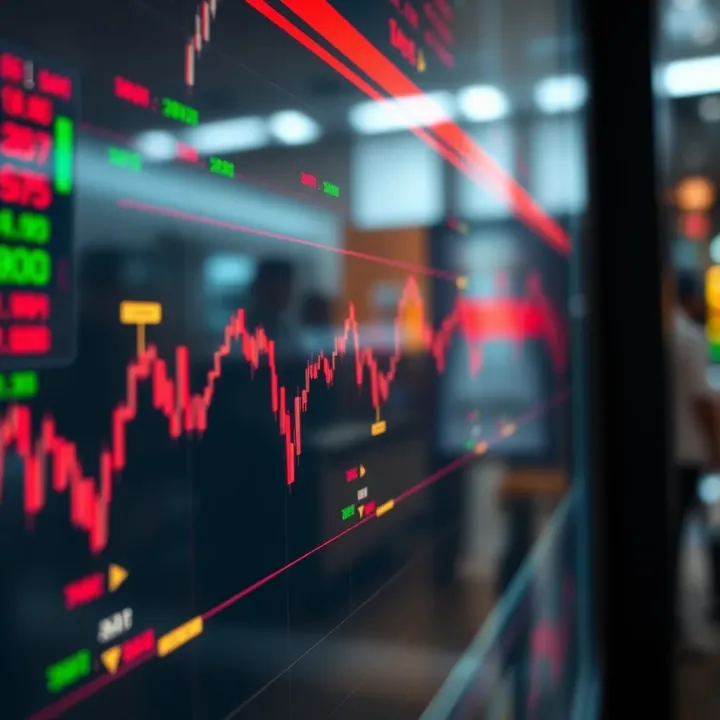
Learn the essentials of forex trading in Nigeria 🇳🇬. Discover key terms, strategies, risk tips, and how to pick a trustworthy broker to get started safely.
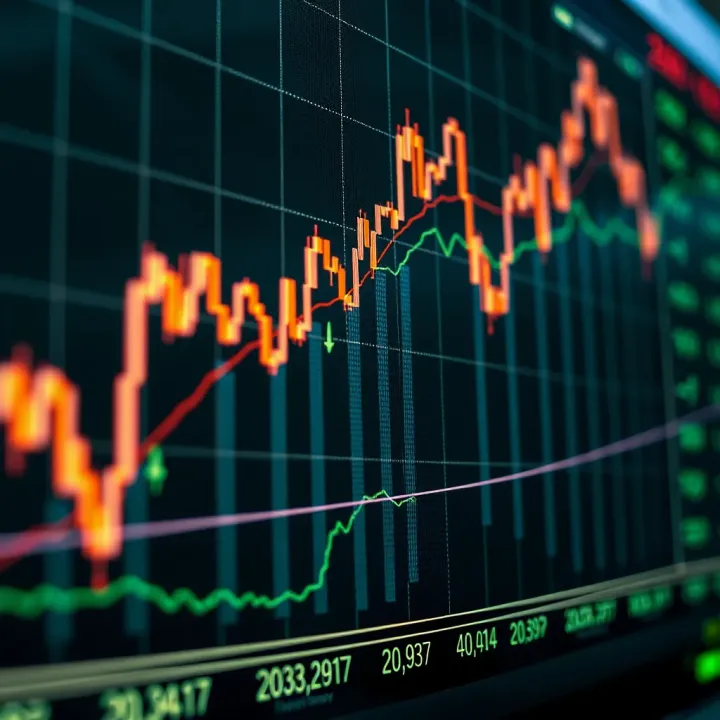
📊 Discover practical steps and essential forex trading tips🎯 tailored for Nigerians🇳🇬. Learn risk management, strategies, and market basics today!
Based on 10 reviews