

Understanding Chart Patterns for Smarter Trading
📊 Discover how recognising chart patterns can boost your trading game in Nigeria. Learn key types, strategies, and practical tips to navigate ₦ market trends wisely.
Edited By
Henry Collins
Technical analysis chart patterns serve as vital tools for traders and investors aiming to anticipate price movements in financial markets. By studying price charts, one can detect repeating shapes and formations reflecting the psychology of market participants. These patterns help identify potential trend reversals, continuations, or breakouts.
In the Nigerian trading scene, from the equities on the Nigerian Exchange (NGX) to foreign exchange rates affecting the naira, understanding these patterns can guide better decisions. For example, recognising a "head and shoulders" pattern on a stock like MTN Nigeria can signal a possible decline, offering an opportunity to exit or short the stock. Likewise, spotting an "ascending triangle" on a forex pair like USD/NGN might indicate a bullish breakout.

It's worth stressing that no pattern guarantees specific outcomes but knowing how to spot common formations improves timing and risk management. Traders often combine chart patterns with indicators like volume or moving averages to confirm signals.
Recognising and interpreting chart patterns sharpens your market edge, turning price history into actionable insights instead of random noise.
They reflect crowd behaviour and market sentiment.
Help forecast probable price directions.
Provide visual cues to set entry and exit points.
Allow setting stop-loss levels based on pattern structure.
Double Top and Double Bottom: Indicate potential reversals after a sustained movement.
Triangles (Ascending, Descending, Symmetrical): Usually consolidation before continuation or reversal.
Head and Shoulders: Signals possible reversal from bullish to bearish or vice versa.
Flags and Pennants: Suggest short pauses during strong trends before resumption.
Traders operating in the Nigerian markets should adapt these concepts by considering local market liquidity and volatility influenced by factors such as naira fluctuations or fuel scarcity.
Understanding these chart patterns forms the foundation for building robust trading strategies tailored to Nigerian market realities.
Understanding technical analysis and chart patterns is essential for traders and investors looking to navigate the Nigerian markets effectively. Technical analysis offers a practical way to read market behaviour by studying past price movements, helping you make informed decisions rather than relying solely on gut feeling. For instance, a trader can identify when the price of a stock like MTN Nigeria might reverse direction by observing certain patterns on the price chart, providing opportunities to buy low and sell high.
Chart patterns act like signposts in the price action, giving clues about potential future trends. In the context of Nigeria’s often volatile stock and forex markets, recognising these patterns can improve your timing and reduce losses. This section lays the foundation for understanding how analysing price charts can guide your trades with real examples from the Nigerian Exchange (NGX) and local forex platforms.
Technical analysis is based on the idea that price movements follow certain trends and history tends to repeat itself. It focuses solely on price and volume data, ignoring the company’s fundamentals like earnings or management performance. Instead, the technique uses charts and statistical measures to spot these trends early. For example, a trading chart of Dangote Cement over a few months might reveal a pattern indicating upcoming price rises or falls. This is especially useful in short- to medium-term trading where fundamentals may lag market sentiment.
Unlike technical analysis, fundamental analysis digs into a company’s financial health, economic factors, or geopolitical events. Analysts look at earnings reports, inflation rates, or government policies to value a stock in the Nigerian context. While fundamental analysis targets long-term investment decisions, technical analysis caters more to timing entry and exit points. For example, a Nigerian investor might use fundamental data to select sectors like agriculture or oil but use technical charts to decide when exactly to buy or sell shares within those sectors.
Chart patterns visibly organise past price data into formations that signal probable market behaviour. Traders trust these because markets often respond predictably due to collective psychology. In Nigeria, where rapid news or policy shifts affect markets, chart patterns help traders react quickly. For instance, identifying a "head and shoulders" pattern in an oil stock on the NGX could warn a trader of a near-term decline, thus allowing preemptive action.
The three main chart types are line, bar, and candlestick charts, each serving different preferences in detail and clarity. Candlestick charts are popular among Nigerian traders for their visual cues about daily price action. They show open, high, low, and close prices in distinct blocks, making it easier to spot patterns like bullish or bearish trends. These charts are widely used on platforms like Investing.com Nigeria and local brokers’ trading terminals to track assets ranging from equities to forex pairs.
Mastering these charts and recognising reliable patterns can boost your confidence and precision in trading, especially given the dynamic Nigerian market conditions.
Chart patterns form a cornerstone of technical analysis, helping traders and investors to make sense of price movements and predict what might happen next. They signal key moments when market sentiment shifts, either reversing or continuing a trend. Understanding these patterns is vital, especially in volatile Nigerian markets where timing entry and exit can significantly impact trade outcomes.
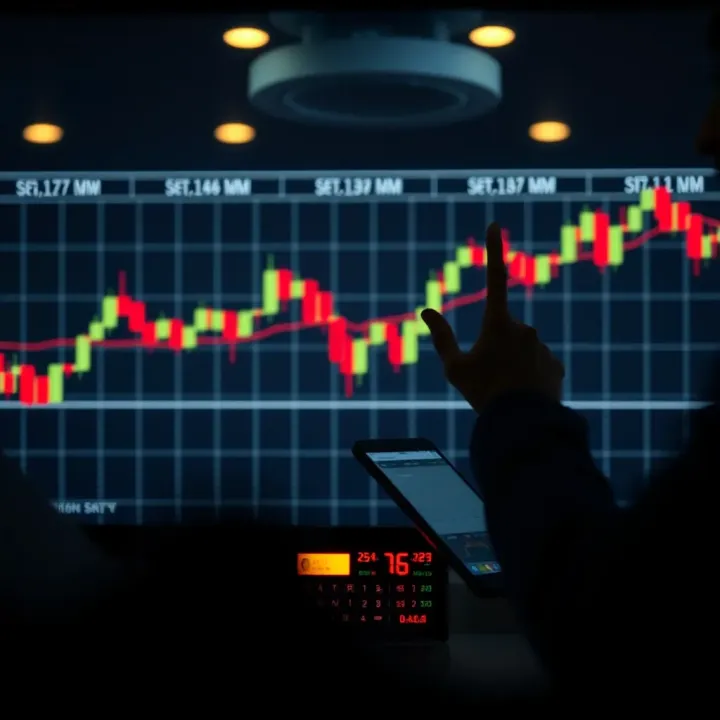
The Head and Shoulders pattern is a classic reversal signal showing a shift from a bullish to a bearish trend or vice versa. It features three peaks: a higher middle peak (the head) flanked by two lower peaks (the shoulders). When the price breaks below the neckline connecting the troughs, it often signals a bearish reversal. Nigerian traders may spot this pattern on stocks like Dangote Cement or MTN Nigeria during periods of profit-taking and market correction. It's practical because it helps you decide when to exit a rising market before prices drop.
The Double Top pattern suggests the price tried twice to break a resistance level but failed, hinting at a downward reversal. Conversely, the Double Bottom shows two failed attempts at breaking support, pointing to a possible upward move. For instance, if the NGX All-Share Index hits the same peak twice but pulls back, this could warn of a decline, guiding investors to reduce exposure. These patterns provide straightforward entry and exit points based on support and resistance tests.
Triple Tops and Bottoms build on the double concept by signalling stronger confirmation of trend reversals after three failed attempts to break important levels. They're less common but more reliable for Nigerian equities or commodities like cocoa prices, which may test price barriers multiple times before turning. Recognising these can prevent getting caught in false breakouts and help you set better stop-losses to protect capital.
Triangle patterns generally show market indecision but tend to resolve in the direction of the prevailing trend. A symmetrical triangle has converging trendlines where neither buyers nor sellers have clear control, often leading to a breakout. An ascending triangle has a flat resistance line with rising support, signalling bullish continuation—the price is likely to climb after testing the ceiling several times. Descending triangles, with falling resistance and flat support, tend to signal bearish continuation. Traders on the Nigerian Stock Exchange can watch how such patterns play out in stocks like Guaranty Trust Bank to position themselves for momentum moves.
Flags and pennants are short-term continuation patterns that appear after a strong price movement, reflecting a brief pause before the trend resumes. A flag looks like a small rectangle angled against the trend, while a pennant is a small symmetrical triangle. Both form during high-volatility phases and often resolve quickly, making them valuable for short-term traders looking to ride swift gains or cuts, for example, during intense market reactions to events like CBN policy changes.
Rectangles form when price moves sideways between clear support and resistance levels, showing consolidation. This pause can be a setup for continuation if the price breaks out in the direction of the trend. For instance, during festive periods like ember months when trading can be choppy, rectangle patterns help spot when markets might restart a clear trend, avoiding whipsaws. Properly trading rectangles demands patience but offers low-risk opportunities once a breakout confirms direction.
Mastery of these chart patterns helps you time your trades better and manage risks effectively in Nigerian markets. Always confirm patterns with volume and other indicators for stronger signals.
Learning how to identify and confirm chart patterns is fundamental for any trader who wants to improve market timing and decision-making skills. Recognising these patterns early can help you anticipate price movements before they happen, particularly in volatile markets like the Nigerian Stock Exchange (NGX). However, spotting the shape alone is not enough; confirming the validity of a pattern requires additional tools like volume analysis and support/resistance levels. This combination cuts down on false signals and increases your chances of making profitable trades.
Volume is the heartbeat of market activity — it shows the number of shares or contracts traded over a specific period. When a chart pattern forms, notable changes in volume often accompany price movements. For example, an increase in volume during a breakout suggests strong conviction behind the move, while low volume breakouts may point to weak interest and a likely false signal. In Nigerian markets, where liquidity can be uneven, volume spikes can confirm trends or reversals, helping traders avoid premature entries.
In reversal patterns like the Head and Shoulders, volume tends to be highest at the left shoulder and declines toward the right shoulder. The confirmed reversal usually happens with a surge in volume as price breaks below the neckline. For continuation patterns such as flags or pennants, volume typically decreases during the formation and then surges on breakout, signalling the trend’s resumption. By watching these volume changes closely, traders gain practical clues on when a pattern is reliable for entering or exiting a trade.
Support and resistance are price points where the market historically halts or reverses. Support acts like a floor preventing prices from falling further, while resistance is a ceiling limiting price advances. Identifying these levels in chart patterns helps traders set stop-loss and take-profit orders accurately. For instance, a double bottom pattern near a strong support level on the NGX can signal a buying opportunity with reasonable risk.
Trendlines connect swing highs and lows to outline the pattern’s shape. These dynamic support or resistance lines guide traders on the strength and direction of trends. In ascending triangles common in Nigerian equities, the upper horizontal trendline represents resistance and the rising lower trendline shows buyers pushing prices higher. Confirmation of a breakout above resistance on heavy volume usually marks a strong buy signal. Using trendlines alongside patterns adds an extra layer of confirmation vital for confident trading decisions.
Accurate identification and confirmation of chart patterns through volume and support/resistance analysis reduce guesswork and improve trading precision.
Together, volume analysis and support/resistance levels form the backbone of confirming chart patterns, especially in markets with varying activity, like Nigeria’s. Mastering these techniques can help you spot quality trade setups and avoid costly mistakes.
Chart patterns are not just for spotting market trends; they also play a central role in shaping trading strategies that manage risk and maximise profits. Nigerian traders can use these patterns to decide the best points to enter or exit trades, linking technical signals with real market movements seen on local stock exchanges like the NGX or even forex trading platforms. Combining chart patterns with well-planned strategies helps in timing trades more precisely, improving potential returns while limiting losses.
Setting stop-loss orders: A stop-loss order protects your capital by closing a trade automatically if the price moves against your predicted direction. When using chart patterns, placing a stop-loss just beyond the pattern’s boundary is common. For example, if you spot a bullish double bottom, you might set your stop-loss slightly below the lowest point of the pattern. This way, if the price falls under this level, it signals the pattern may have failed, helping you avoid bigger losses. This is particularly useful in the Nigerian market, where unexpected news or currency swings can quickly turn the tide.
Taking profit targets based on pattern size: Many traders estimate profit targets by measuring the height or width of the chart pattern and projecting it from the breakout point. Take a head and shoulders pattern: the distance from the head’s peak to the neckline usually indicates how far the price might move after breaking out. This offers a practical and quantifiable target, which helps traders lock in profits systematically instead of guessing. Using this technique reduces emotional decision-making, a common pitfall for many novice traders.
Managing risks in volatile markets: African markets, including Nigeria’s, can be quite volatile due to economic fluctuations, political events, or global commodity price changes. Using chart patterns alone isn’t enough; you need to size your trades carefully and prepare for sudden price swings. For instance, smaller position sizes or scaling out of trades gradually when the price hits key levels can protect your capital while giving some room to profit. These tactics prevent being wiped out in one bad trade, especially during the ember months when market movement intensifies.
Integrating chart patterns with other technical indicators: Chart patterns gain reliability when combined with indicators like Relative Strength Index (RSI), Moving Averages, or volume data. For example, a bullish triangle pattern confirmed by rising volume and RSI climbing out of oversold territory strengthens a buy signal. This blended approach helps filter false signals common in the inherently noisy Nigerian markets. Using a convergence of indicators can boost confidence in your trades and provide multiple layers of validation, which is crucial when trading sectors like oil and banking that often react to news events.
Successful trading in Nigeria’s markets depends on using chart patterns smartly within a full strategy, including clear entry/exit rules and solid risk control. This approach turns charts into practical tools for lasting gains rather than guesswork.
Chart patterns are valuable tools in technical analysis, but they come with limitations that traders must understand. Overlooking these can lead to poor decisions and financial loss. Recognising common mistakes and applying best practices will improve trading outcomes, especially in the unique conditions of Nigerian markets.
Many new traders mistakenly take chart patterns as absolute guarantees of market direction. A classic example is assuming a head and shoulders pattern will always signal a trend reversal. However, patterns can fail or produce false signals. Overdependence on patterns without considering other market factors can lead to unnecessary losses. For example, a double top might appear on a Nigerian stock price chart, making a trader exit prematurely, while the stock continues to climb due to strong earnings reports.
Another aspect of misinterpretation is viewing incomplete or distorted patterns as reliable. Nigerian brokers or traders sometimes rush into trades after noticing a pattern halfway formed, only to see the market move unpredictably. Such impatience distorts the pattern’s reliability and undermines confidence in technical analysis.
Chart patterns work best when combined with an understanding of overall market sentiment, economic events, and sector performance. Ignoring the wider context is a common pitfall. For instance, during Nigeria's recent petrol subsidy removal protests or intense ember months market fluctuations, chart patterns might not reflect real, underlying market stress.
Taking a pattern at face value without considering such factors can be misleading. If a continuation pattern forms in a heavily volatile session due to forex pressures on the naira, the expected outcome may never materialise. Traders need to connect chart signals with macroeconomic factors, government policies, or even local market stories like fuel scarcity or irregular power supply that can sway price behaviour.
Relying solely on chart patterns is risky. Successful traders combine patterns with other technical indicators such as moving averages, the Relative Strength Index (RSI), or volume indicators. For example, if a flag pattern appears but volume fails to increase during the breakout, this might signal a weak move needing cautious approach.
Integrating oscillators like RSI helps confirm whether an asset is overbought or oversold, adding weight to the pattern’s signal. Nigerian traders who combine patterns with trend indicators or volume tend to make smarter entries and exits, reducing exposure to false moves.
Nigerian markets have quirks like lower liquidity on some equities, frequent economic news changes, currency fluctuations, and regulatory shifts. Adapting technical analysis to such realities is crucial. For example, the NGX (Nigerian Exchange) can display sharper price moves requiring tighter stop-loss placements compared to more stable international markets.
Also, patterns in sectors affected by fuel supply or power outages might behave differently. Traders tackling stocks in banking, agrics, or oil sectors should factor in local news and operational disruptions when interpreting patterns. Using local Nigerian market data and contextualising with events such as CBN policy announcements or NYSC posting season helps make technical analysis more practical and reliable.
Remember, no pattern is foolproof. Regular practice, patience, and combining various tools tailored to Nigerian market realities increase your chances of successful trading decisions.
📊 Discover how recognising chart patterns can boost your trading game in Nigeria. Learn key types, strategies, and practical tips to navigate ₦ market trends wisely.

📊 Learn how to read different chart patterns in trading to spot market changes and predict price moves 🔍. Gain practical tips for smarter trading decisions in Nigeria.
📉 Learn to spot and use bearish candlestick patterns in trading. Understand market signals and make smarter trading decisions in Nigeria and beyond.
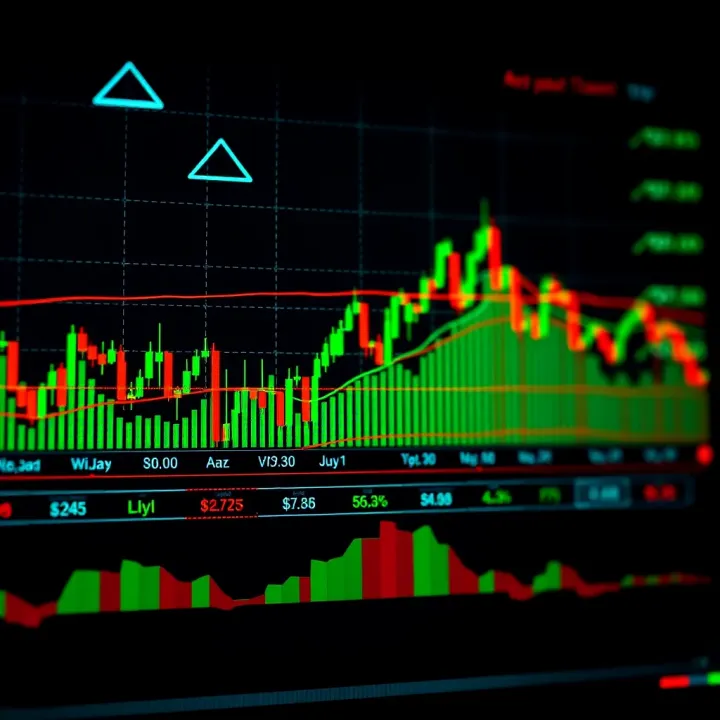
📊 Explore seven key chart patterns essential for trading analysis, learn to spot them, and get tips plus PDF guides to boost your trading strategy in Nigeria.
Based on 10 reviews