

Why Risk Management Matters for Nigerian Businesses
🌍 Learn why risk management is key for Nigerian businesses to avoid financial losses, legal risks, and reputational damage. Protect your business in the ember months and beyond.
Edited By
Henry Collins
A risk management calculator is an essential tool for investors and traders aiming to protect their investments in volatile markets like Nigeria's. It helps you measure potential losses beforehand and manage your exposure by calculating the right amount to stake or invest on every trade or stock purchase. Without this, you risk losing more than you can afford, especially in markets known for sudden swings—like the Nigerian Stock Exchange (NGX) or the forex market.
Risk calculators take inputs such as your account balance, the size of the trade or investment, stop-loss level, and sometimes leverage to determine your ideal position size. For example, if you’re trading ₦100,000 worth of forex and want to limit your maximum loss to 2%, the calculator tells you the exact trade size that fits this risk. This simple calculation prevents emotional decisions that might otherwise wipe out your portfolio in a few trades.
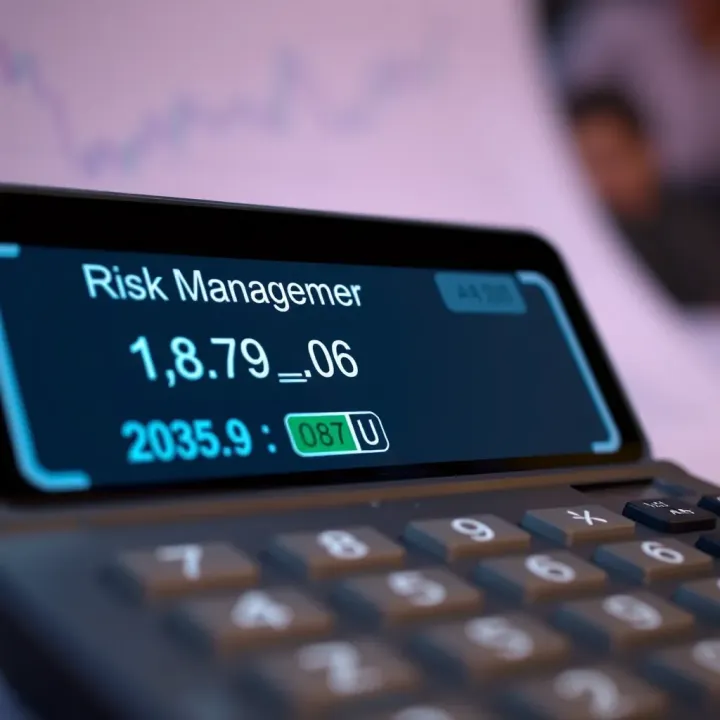
Using a risk management calculator is the backbone of disciplined investing, guarding you against risky behaviours common during market upsets and ember months when volatility spikes.
Account size: The total capital you have for trading or investing.
Risk percentage: The fraction of your capital you’re willing to lose on a single trade, usually between 1-3%.
Stop-loss distance: The price point where you exit the investment to stop further losses.
Entry price: The price where you plan to enter the market.
Leverage: If you use borrowed funds, this adjusts your risk accordingly.
For example, consider a trader with ₦500,000 capital looking to buy a stock currently trading at ₦200 per share. They decide to set a stop-loss at ₦180 to avoid further loss if the price falls. If they’re comfortable risking 2% of their capital (₦10,000), the risk calculator will show them the maximum number of shares they can hold. This prevents overcommitting to one position and exposing too much of the portfolio.
Using these calculators is especially vital for new investors and analysts to build solid risk habits early, creating a cushion during turbulent trading periods. Just as you wouldn’t hop on an okada without a helmet, don’t enter markets without managing your downside.
Next, we'll explore common mistakes investors make while using risk management tools and how to avoid them.
A risk management calculator helps investors control the possible downsides of their trades. It gives a quick, practical way to estimate how much money you’re risking on a deal and aligns that with your overall investment goals. For example, if you have a ₦500,000 portfolio, the calculator can show you how to limit risk on a single trade to, say, 2%, so that you don't lose more than ₦10,000 if the market turns against you.
This tool is especially useful in markets like Nigeria’s, where volatility and currency fluctuations can quickly wipe out gains. Without it, you might overexpose yourself on one investment and end up with losses that hurt your long-term progress.
At its core, a risk management calculator guides your decision-making by quantifying risk. It calculates position sizes based on the money you’re willing to lose, your entry price, and stop-loss level. Rather than guessing or relying on gut feeling, it puts numbers to risk, so your investment size matches your comfort level.
Imagine you want to buy a stock priced at ₦50 per share but only want to risk ₦5,000 if it falls below ₦45. The calculator tells you how many shares to buy so your loss stays within your limit. This takes the emotion out of trading and leads to more consistent decisions.
A risk calculator is one part of a wider safety net for your investments. While diversification, market analysis, and monitoring global events all form layers of protection, the calculator ensures each trade fits within your overall risk tolerance.
Think of it like a seatbelt in a car: it won’t stop accidents but reduces injury severity. Similarly, the calculator helps you define clear stop-loss points and position sizes that prevent small setbacks from becoming catastrophic losses, particularly during uncertain periods like election seasons or ember months, when markets often fluctuate.
Controlling losses is the heart of surviving the market over time. The calculator helps set a ceiling on what you can lose per trade, which protects your capital. Without this, one bad trade could wipe out profits from previous wins.
For instance, a trader who ignores risk sizing might invest ₦1 million in a volatile forex pair without a proper stop-loss. If the price swings sharply, losses can climb fast. Using a calculator forces you to stick to manageable loss levels.
Stop-loss points limit losses, while take-profit points secure gains. A risk management calculator advises realistic levels based on market volatility and position size, preventing hasty decisions like setting stops too close (which trigger early exits) or too wide (which risk large losses).
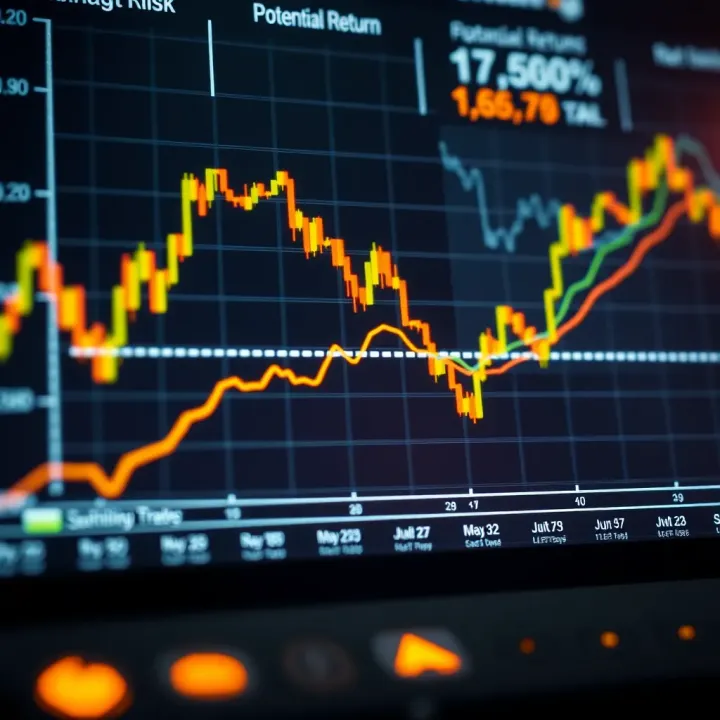
In Nigerian stock trading, where naira value shifts affect price stability, setting these levels thoughtfully ensures you’re not stopped out by everyday noise but protected from bigger downturns.
Using a calculator enforces discipline. Many investors struggle to stick to their plans, either chasing quick profits or holding losing positions hoping for a turnaround.
By calculating risk first, you commit to a clear plan with exit points and trade sizes. This creates consistency in your investment approach, helping you avoid impulsive moves common in markets like Nigeria’s where emotional trading is widespread.
Proper use of a risk management calculator is like having a financial compass. It keeps you on track amid the ups and downs, ensuring your portfolio survives and grows over time.
In summary, understanding the role of a risk management calculator helps you make smarter investment decisions, tailor your strategies to current market conditions, and protect your capital from needless losses. It’s a tool every serious trader and investor should embrace.
A risk management calculator relies on specific key components and inputs to deliver accurate and useful guidance for investors and traders. By understanding these elements, you can better measure your potential losses and decide the right size of your trades. This knowledge becomes vital, especially amid Nigeria's sometimes unpredictable market conditions, where naira fluctuations and economic events can swiftly shift risk profiles.
Account balance and risk percentage per trade are the foundation of effective risk control. Your account balance is the total capital you have available to invest or trade. Determining the risk percentage means deciding how much of that capital you’re willing to lose on a single trade without it affecting your overall financial health. For example, a conservative trader might risk 1%, while a more aggressive investor might go as high as 3%. If your account holds ₦500,000 and you risk 2% per trade, the maximum loss you should accept is ₦10,000. This limit helps prevent wipeouts from a string of bad trades.
The entry price and stop-loss price are crucial market variables that define your trade’s boundaries. The entry price is the level at which you buy or sell an asset, while the stop-loss price is the preset point where you exit to avoid further losses. For instance, if you buy a stock at ₦200 but set a stop-loss at ₦180, your risk per unit is ₦20. Entering realistic stop-loss levels ensures you protect your capital against sudden market moves, a common occurrence during Nigeria's ember months when volatility often spikes.
Position size and value per unit determine how many shares or contracts you can buy while staying within your risk limit. The calculator uses your account balance, risk percentage, and price difference (between entry and stop-loss) to compute the right position size. Suppose with a risk of ₦10,000 and a unit risk of ₦20, your position size would be 500 units (₦10,000 ÷ ₦20). Proper position sizing is vital to avoid overexposure and keep losses manageable.
Assessing personal risk tolerance means knowing how much loss you can handle emotionally and financially before making mistakes. Some traders feel uneasy after a 2% loss, while others comfortably withstand 5%. Recognising this lets you set risk percentages that match your personality and investment goals. This self-awareness helps you stick to your plan rather than acting on impulse.
Considering market volatility in Nigeria is necessary because local markets often shift quickly based on economic news, political developments, or naira exchange rate fluctuations. When volatility is high, a given stop-loss level might be hit more often, causing premature exit. To manage this, you might lower your risk percentage or widen stop-loss margins cautiously, depending on the asset class.
Adjusting risk for different asset classes reflects that not all investments carry the same price swings. Stocks on the Nigerian Exchange (NGX) can behave differently from forex pairs like USD/NGN or cryptocurrencies. For example, crypto often demands a smaller risk percentage due to its notorious swings, whereas blue-chip stocks might allow slightly higher risk levels. Tailoring risk settings ensures the calculator’s advice suits your diverse portfolio.
Effective use of a risk management calculator starts with entering the right variables accurately and choosing sensible risk levels based on your profile and market context. This approach helps protect your investments while offering room for growth, especially in Nigeria's dynamic financial landscape.
Using a risk management calculator properly can make a significant difference in safeguarding your investments, especially in the Nigerian market where volatility is common. This section walks you through entering accurate data and making sense of the results to fit your risk appetite and trading goals.
Before anything else, you must gather precise account and market data. This includes your current account balance, the percentage of capital you’re ready to risk per trade, asset entry price, and stop-loss price. For instance, if you have ₦500,000 in your trading account and are willing to risk 2% per trade, your maximum loss should not exceed ₦10,000 on any single trade. Accurate figures prevent miscalculations that could lead to unexpected losses.
Equally important is entering stop-loss and target prices carefully while planning your trade. The stop-loss marks the point where you exit a losing trade to minimise damage, while the target price signals where you take profits. Suppose you are trading a blue-chip stock on the Nigerian Exchange (NGX) at ₦150, and your stop-loss is ₦140. Inputting these correctly helps the calculator suggest the ideal position size, matching your risk limit. Planning with these prices keeps emotions in check and enforces discipline.
The calculator will show you the position size that aligns with your risk tolerance. For the ₦150 stock example earlier, the calculator might recommend buying 100 units to ensure your potential loss stays within the ₦10,000 risk limit. This avoids situations where overtrading or oversized positions drain your capital, especially when market swings occur during election periods or ember months.
Adjusting your trading strategy based on what the calculator shows is just as crucial. If the suggested position size is too small to reach your target gains, you might rethink your risk settings or wait for a better entry point. Conversely, if the position feels too large, it signals you need to lower your risk percentage or select a different asset. This adaptive approach preserves capital and sets you up for steady growth rather than gambling on unpredictable moves.
Accurate inputs and thoughtful interpretation of your risk management calculator’s results ensure disciplined trading and protect your investment portfolio from avoidable losses.
In sum, these step-by-step guidelines help Nigerian traders and investors apply risk calculators effectively, turning complex risk assessments into straightforward, practical decisions.
Using a risk management calculator can significantly strengthen your investment decisions, but slip-ups can still occur if you overlook some key factors. It's not just about punching in numbers — understanding the market's bigger picture and adapting your inputs matter just as much. Avoiding these common pitfalls helps you protect your capital and makes the tool genuinely effective.
Relying only on the calculator's numbers without checking the wider market context can backfire. For example, the calculator might suggest a position size based purely on your risk tolerance and stop-loss, but if there’s breaking news about a fuel subsidy cut or sudden naira devaluation, your risk exposure actually rises. Numbers alone won’t capture these shifts, and ignoring them could lead to losses that exceed what you planned.
In Nigeria, certain periods like the ember months (September to December) or during election seasons often bring heightened price swings and uncertainty. Volatility can surge as traders react to political developments or seasonal spending patterns. Planning for this by adjusting your risk limits or tightening stop-loss points around these times is wise. If not, your usual settings might leave you exposed to unexpected market shocks.
Sticking to a fixed position size for every trade might seem easier, but it can cause big problems. Suppose you decide always to trade 1,000 shares regardless of the stock or market conditions; you risk overexposure if the stop-loss distance widens or the underlying asset behaves differently. This inflexibility means a single bad trade can hit your capital harder than expected.
It's better to be flexible and recalibrate your trade size based on each investment's specifics. Different instruments, like equities versus forex pairs like USD/NGN, come with unique volatility and price movements. Adjusting position sizes accordingly ensures no single trade carries disproportionate risk, helping your portfolio survive tougher market stretches.
Your investment capital and risk tolerance are unlikely to stay static over time. Failing to update your calculator’s inputs when your account balance grows or shrinks causes inaccurate position sizing. For instance, if your capital doubles yet you keep the same risk percentage without revising stop-loss distances, you might end up risking more than intended in naira terms.
Currency fluctuations also affect risk calculations, especially in Nigeria’s sometimes volatile forex environment. A trader using a risk calculator on a USD/NGN forex trade must factor in shifts in the naira’s value; otherwise, the risk percentage applied might no longer reflect true exposure. Overlooking this can mean your losses multiply during naira depreciation periods, despite seemingly controlled risk settings.
Regularly reviewing your risk calculator inputs is crucial to align your trading with evolving market realities and personal financial changes.
Avoid these common mistakes by combining your calculator’s output with sound judgment, market awareness, and regular updates. This balanced approach guards your investments and sharpens your risk management strategy in the Nigerian market context.
Using practical examples helps Nigerian investors see exactly how a risk management calculator can protect their money in real markets. These examples focus on familiar assets like Nigerian stocks, forex pairs involving the naira, cryptocurrencies, and tools for small-scale traders relying on fintech apps. They show how everyday conditions, such as naira volatility or informal trading habits, affect risk decisions.
Blue-chip stocks listed on the Nigerian Exchange (NGX) are popular among investors seeking steady growth and dividends. Applying risk management calculators here means you can define how much of your ₦1 million portfolio you are willing to risk per trade—usually between 1% and 3%. For example, if you pick a Lagos-based conglomerate like Dangote Cement, you enter your stop-loss price and calculate a position size that limits losses if prices fall. This disciplined approach avoids panic selling during market dips.
However, naira fluctuations play a significant role in position sizing. If the naira weakens sharply against the dollar, imported input costs can hit companies, affecting stock prices unpredictably. Say you plan a stock trade during such a period; your calculator’s position size input must consider potential impacts on your local buying power. Adjusting your risk tolerance or trade size during naira instability helps you avoid overexposure that could lead to bigger losses.
Forex trading with USD/NGN pairs requires setting appropriate risk levels to account for Nigeria’s currency environment, which is often volatile due to policy shifts or external shocks. Suppose you actively trade on platforms like ForexTime or Alpari; a risk calculator helps you limit exposure by suggesting position sizes based on the stop-loss you can tolerate without draining your trading account.
Cryptocurrency prices, especially Bitcoin, fluctuate far more violently. For Nigerian crypto traders using platforms like Bundle or Binance, managing risk is about limiting investment size for such assets that can swing 10% or more within hours. Calculators help determine how much to allocate to Bitcoin or Ethereum trades, preserving some capital amidst unpredictable price moves.
Mobile apps like OPay and Kuda are changing how Nigerians save and invest, making disciplined money management accessible. Using a risk management calculator through these apps or even manually helps traders set daily or weekly loss limits—critical when working with small capital. For instance, a farmer in Oyo using OPay’s investment features can calculate how much of their earnings to risk on digital savings or micro-investments without exposing themselves to ruinous losses.
Informal sector investors commonly operate with limited financial buffers. Practical risk limits here mean smaller percentages of capital at risk—often less than 1%—to protect their limited resources while still taking advantage of market opportunities. This measured approach prevents wild swings that could wipe out essential savings.
Practical examples tailored to Nigeria’s unique market conditions help investors apply risk calculators more effectively, ensuring their investments survive market ups and downs.
🌍 Learn why risk management is key for Nigerian businesses to avoid financial losses, legal risks, and reputational damage. Protect your business in the ember months and beyond.

Disaster risk management in Nigeria helps reduce impacts from floods, droughts, and accidents. Learn roles, challenges & how communities build safety together 🌍🔥

Discover how Nigerian businesses can identify, assess, and control risks—from market shifts to power challenges—to protect profits and grow safely 💼⚡️📊
Manage forex risk like a pro in Nigeria 🇳🇬. Learn how economic factors affect your ₦ earnings and explore practical tools to protect your investments effectively.
Based on 15 reviews