
Basics of Forex Trading for Nigerian Beginners
💹 Explore forex trading basics in Nigeria: understand currency pairs, market players, strategies, and risk management for smarter investments! 📈
Edited By
Amelia Carter
Starting forex trading in Nigeria often begins with choosing the right trading app. These apps make the global currency market easily accessible from your phone, allowing you to buy and sell currencies like the US dollar, euro, or British pound with just a few taps. But not all apps are created equal, and picking the wrong one can cost you time, money, or both.
A solid forex trading app offers more than just a platform to place trades. It must provide real-time market data, clear charts, and reliable order execution without lag. For Nigerian traders, features like local currency (₦) support, easy funding methods through platforms such as Flutterwave or Paystack, and customer service responsive to Nigerian time zones are practical must-haves.
Understanding the forex basics helps too. Forex trading involves speculating on currency pairs, for example, USD/NGN, where you predict if the dollar will strengthen or weaken against the naira. The goal is to buy low, sell high (or sell high, buy low). Even beginners should grasp concepts like pips (the smallest price move), leverage, and spreads before risking real money.
Always remember: trading forex involves risks, especially with high leverage. Never invest money you can’t afford to lose.
When assessing apps, watch out for common pitfalls like hidden fees, poor security, and unreliable regulatory licensing. In Nigeria, the Securities and Exchange Commission (SEC) regulates financial markets. Although forex brokers operate internationally, choosing ones compliant with local or international authorities adds a layer of safety.
Popular platforms for beginners include MetaTrader 4 (MT4), MetaTrader 5 (MT5), and app-based brokers like OANDA or IG. These offer user-friendly interfaces, demo accounts to practice, and tutorials tailored for novices. Starting on a demo account allows you to test strategies with virtual funds before committing your naira.
To start confidently:
Pick an app that supports ₦ deposits and withdrawals seamlessly.
Check if the platform provides regular market analysis and beginner guides.
Use demo accounts to familiarise yourself with the app’s tools.
Be wary of promises that sound too good to be true, such as guaranteed profits.
Keep security tight—use strong passwords and enable two-factor authentication.
This practical approach helps Nigerian beginners avoid unnecessary losses and trade forex with clarity and purpose right from their smartphones.
Grasping what forex trading involves and why it attracts many beginners in Nigeria is crucial before diving in. Understanding the core concepts helps you make informed decisions and avoid common pitfalls, especially as a new trader using mobile apps.
Forex trading is simply buying one currency while selling another at the same time. It works through currency pairs like USD/NGN or EUR/USD, where the value of one currency changes relative to the other. For example, if you believe the US dollar will strengthen against the naira, you buy USD/NGN; if the dollar rises, you profit from the difference. This continuous exchange happens worldwide, enabling traders to speculate on price movements.
Unlike stock markets, forex markets run 24 hours a day during weekdays, starting from Sunday evening in Nigeria to Friday night. This non-stop nature means you can trade anytime, whether early morning before going to work or late at night. The global reach of forex markets also means price movements respond to news from anywhere, so you must stay alert. For Nigerians, this flexibility pairs well with the country’s varied daily schedules, plus easy access through mobile trading apps makes participation possible regardless of location.
Forex trading offers opportunities to earn from fluctuating currency prices with relatively low capital outlay. However, high leverage—a double-edged sword—can amplify gains and losses alike. Market volatility can be fierce, especially during major economic announcements or political events in Nigeria or abroad. This environment demands discipline, risk management techniques like stop-loss orders, and ongoing learning to protect your capital from sudden swings.
Nigeria’s mobile phone usage has skyrocketed, with over 80% of adults owning smartphones and widespread 4G coverage in urban and many rural areas. This means forex trading no longer requires a desktop or expensive setup. Apps like MetaTrader or Olymp Trade allow Nigerians to trade from their okada rides, mama put stalls, or even while waiting in danfo traffic. The ability to trade anywhere keeps many engaged and opens forex trading to younger demographics eager for extra income.
One reason forex trading appeals to Nigerians is that you don’t need ₦1 million to start. Many brokers let you open accounts for as low as ₦10,000 or less, which suits those who want to cautiously test the waters. Plus, mobile apps streamline deposits with options for bank transfers or payment platforms like Paystack. This ease lowers barriers, enabling those in small towns or with limited resources to join a global market.
With Nigeria’s recurring inflation and unstable naira value, many see forex trading as an accessible side hustle or even a main source of income. Unlike traditional jobs that may pay monthly or less, forex can offer more frequent returns—though not guaranteed. This potential income attracts students, artisans, and salaried workers alike, who want financial flexibility without leaving their day jobs. Still, it’s vital to approach forex trading as a serious venture requiring effort and learning rather than quick money.
Starting forex trading without understanding these basics and the Nigerian context is like trying to navigate Lagos traffic without knowing the road layout — you can get lost or caught up in serious jams.
This solid foundation will prepare you to use forex trading apps effectively, make smarter trades, and steadily build confidence.
Choosing the right forex trading app is the first step to smooth trading, especially for beginners in Nigeria. With several options available, it’s critical to settle for an app that combines usability, security, and practical tools. The app should help you trade confidently without confusion while offering access to resources that can guide you through the forex market’s ups and downs.
A simple, intuitive design matters most for beginners. An app cluttered with complicated charts and countless buttons can easily overwhelm someone new to forex trading. For example, apps like MetaTrader 4 offer clean layouts where key functions like order placement and balance check are clear and straightforward. This eases learning and speeds up decision-making.
Language also plays a big role. Apps that support English alongside local Nigerian languages, and provide responsive customer support, help users feel more comfortable and less isolated when issues arise. Responsive support, like a live chat or accessible hotline, is especially crucial during trading hours, preventing losses due to unresolved technical snags.
Security is non-negotiable when dealing with your money. Forex apps licensed by recognised bodies such as the Securities and Exchange Commission (SEC) Nigeria or international regulators ensure the platform meets basic safety standards. Without proper licensing, you risk dealing with shady operators.
Encryption and data protection further safeguard your account details and transactions. For instance, apps employing end-to-end encryption keep your login information and financial data safe from hackers, which is vital given Nigeria’s rising cybercrime concerns.
Practical trading tools like charting and technical analysis features let you track currency movements in real time. Good apps provide visual charts, trend indicators, and the option to overlay multiple data points, helping you make informed decisions instead of guessing.
Demo accounts and tutorials are lifesavers for beginners, allowing practise without risking real money. You can simulate trading with real-time data, which builds confidence before investing your naira.
Meanwhile, regular news updates and market analysis offer insights on events affecting currencies, such as Central Bank of Nigeria (CBN) monetary policies or global economic shifts. Staying informed lets you anticipate market swings and adjust your strategy.
Look for apps that support direct naira deposits and withdrawals. Some platforms facilitate funding via bank transfer or popular Nigerian payment services like Paystack or Flutterwave, reducing conversion delays.
Integration with major Nigerian banks ensures smoother cash flow. Being able to withdraw profits quickly back into your bank account without cumbersome delays makes a significant difference, especially amid naira volatility and fluctuating exchange rates.
Your forex trading app should be your trusted partner — offering simple navigation, robust security, practical trading tools, plus easy local payments. This balance lets you trade smarter and concentrate on growing your investment rather than wrestling with technology or bureaucracy.
Choosing the right app can make forex trading much easier for beginners. Popular apps bring trusted interfaces, strong support, and features suited to new Nigerian traders' needs. Knowing which platforms serve beginners well lets you focus on learning and trading without struggling with complicated tools or poor service.
MetaTrader 4 and 5 are among the most widely used forex trading platforms worldwide. For Nigerians, they offer reliability and powerful tools wrapped in interfaces that beginners can handle after some practice. MT4 is popular for its simplicity and includes all necessary charting tools, technical indicators, and automated trading options. MT5 builds on this by supporting more markets and offering improved features, but it retains the straightforward feel crucial for new traders.
Olymp Trade stands out as a beginner-friendly platform with a clean, easy-to-understand interface and accessible features. Unlike more complex apps, Olymp Trade provides low minimum deposits, making it a practical choice for Nigerians who want to start with limited capital. Its educational resources and customer support designed for novices make it easier to get comfortable with trading basics.
Binance Forex services are part of the larger Binance ecosystem, mainly known for cryptocurrency trading but also offering forex options. This is useful for Nigerian traders interested in diversifying their portfolios within one app. Binance supports direct naira deposits and withdrawals via Nigerian payment services, improving convenience while maintaining strong security and fast trade execution.
Local apps with forex options are increasingly popular in Nigeria. Apps developed locally often cater to the specific needs of Nigerian traders, including better integration with Nigerian banks and payment channels like Paystack or Flutterwave. These local platforms sometimes offer dedicated support in Nigerian English and understand the market challenges like naira volatility and regulatory updates more closely.
Spreads and commissions directly affect your profits or losses. Lower spreads on currency pairs mean less cost on every trade. Apps like MetaTrader and Binance offer competitive spreads, but sometimes local apps might charge slightly higher fees due to payment processing costs. Knowing these differences helps you choose an app that suits your budget, especially when trading with small capital.
Customer service responsiveness is often overlooked but matters a lot, especially when new to forex trading. Quick and clear support can save you from making costly mistakes or missing trading opportunities. Platforms that offer multi-channel customer care—phone, chat, email—and respond within hours rather than days create a better trading experience for Nigerians dealing with time-zone differences and network challenges.
App reliability and speed determine how well you can execute trades at the right time. Lagging or frequent downtime lead to missed chances or unintended losses. Popular platforms like MetaTrader and Binance have robust server networks ensuring smooth operations worldwide. Meanwhile, local apps are improving steadily but can still face challenges with internet fluctuations common in some Nigerian states.
Picking a forex app is mostly about balancing cost, comfort, and trust. For Nigerians, apps that combine low fees, easy deposits in naira, dependable support, and smooth performance provide the clearest path for beginners to succeed.
Starting forex trading on an app is your first real step toward participating in the global currency market. For Nigerian beginners, it means more than just tapping into convenience; it’s about understanding the practical setup essentials and learning trading basics to reduce costly errors early on. Apps simplify access, but knowing how to navigate account creation, verification, and trading processes is necessary to trade confidently and safely.
The journey begins with registering your trading account. Most forex apps offer a simple digital signup, requiring personal details like your full name, email, and phone number. This process may seem straightforward, yet it’s at this stage you select the account type—standard or mini—which influences your trading capital and risk. For example, a beginner might choose a mini account to start with smaller investments while learning the ropes.
Verification is crucial and unlike many other platforms, Nigerian forex apps often require linking your Bank Verification Number (BVN) or National Identification Number (NIN). This step helps confirm your identity and protects you against fraud. Given Nigeria’s strict financial regulations, these checks also align your trading activity with legal standards, making your deal safer and ensuring easier withdrawal of funds.
Connecting your payment options usually involves integrating Nigerian banks or popular payment gateways like Paystack or Flutterwave. This integration means you can deposit and withdraw naira directly without excessive charges or currency conversion hassles. For example, linking your Kuda or GTBank account with your trading app allows smooth fund transfers, removing common bottlenecks for new traders.
Understanding currency pairs is fundamental. Every forex trade involves buying one currency while selling another—for instance, USD/NGN. This pair shows how much naira you need to buy one US dollar. As a beginner, recognising common pairs and their economic drivers—like the impact of CBN policies on the naira—helps you make informed decisions.
Leverage and margin often confuse beginners but are central to maximising trading capital. Leverage lets you trade larger amounts than your deposit; for example, with 1:100 leverage, a ₦10,000 deposit controls ₦1,000,000 in the market. This magnifies profits but also increases risks. Margin is the required amount set aside as collateral on your account. Knowing how these work prevents overexposure.
Executing buy and sell orders on apps is often as simple as pressing buttons, but it demands understanding market timing and order types. A buy order means you expect the currency to gain value, while a sell assumes a drop. Beginners must grasp this to avoid trading blindly. Some apps also offer stop-loss orders to limit losses, an essential safety net.
Demo accounts simulate real trading without risking actual money. This feature is invaluable, especially for Nigerian traders new to forex, providing a risk-free environment to practise strategies and understand price movements. Using a demo account allows you to familiarise yourself with the app interface, test how leverage works, and get comfortable with executing orders.
By simulating real market conditions, these accounts expose you to live price changes and news impacts. Unlike static tutorials, demo trading offers experiential learning. For example, when Nigerian monetary policy causes naira fluctuations, you can observe how these shifts affect trades without losing capital. This practice builds both skill and confidence before committing real funds.
Starting forex trading through an app means blending practical account setup with grasping essential trading basics and practising wisely. These foundational steps set you on a path to becoming a consistent and informed trader within Nigeria’s dynamic financial landscape.
Trading forex without a solid plan can lead to costly mistakes, especially for beginners. Understanding how to manage risks and avoid common pitfalls protects your investment and builds your confidence in the market. Naija traders, in particular, must balance the fluctuations of global forex markets with local realities like naira volatility and policy changes by the Central Bank of Nigeria (CBN).
Keeping to a trading plan is essential to avoid overtrading. Many beginners jump into multiple trades just to make quick gains, often without thorough analysis. This approach quickly depletes capital. Having a well-defined trading plan that outlines your entry, exit, and stop-loss points keeps your actions disciplined. For example, if you decide to trade only one currency pair like USD/NGN and limit daily trades to three, you reduce the temptation to chase losses or ride emotional waves.
Being patient and disciplined means waiting for clear trade setups instead of rushing in on impulse. Forex markets often seem to move in unpredictable ways, especially during volatile periods like when the CBN announces policy changes. Resisting the urge to react emotionally prevents rash decisions that wipe out gains. Patient traders often find that sticking to their strategy steadily grows their portfolio over time, even if profits seem slow initially.
Protecting your capital is the top priority in forex trading. Setting stop-loss orders automatically closes a trade once it reaches a certain loss limit, ensuring you do not bleed money endlessly. For instance, if you enter a trade on EUR/USD, placing a stop-loss at 2% below your entry price ensures your losses won’t exceed your comfort zone. This simple tool guards your fund from unexpected market swings.
Limiting losses during market volatility is critical, especially given Nigeria’s exposure to global and local events affecting currency pairs. Take-profit levels help secure gains by closing trades at a set profit point. This avoids greed-driven attempts to squeeze every kobo out of the market, which can backfire when prices reverse suddenly. Smart traders combine these levels with ongoing market analysis to balance risk and reward effectively.
Impact of monetary policy on currency value directly affects forex trading decisions. The CBN’s interest rate changes and foreign exchange policies influence the naira’s strength against major currencies. For example, a hike in the Monetary Policy Rate (MPR) often strengthens the naira temporarily. Traders who track these developments can position their trades accordingly instead of operating blindly.
Using reliable sources for updates is necessary to avoid misinformation that unsettles traders. Trusted outlets like the official CBN website, reputable Nigerian news agencies, and financial analysis platforms provide timely and accurate data. Besides, subscribing to market alerts within your forex app enhances your response time to policy shifts and news events.
Risk is part of forex trading, but controlling your exposure through planning, discipline, and staying informed improves chances of success. Beginners who master these basics avoid common pitfalls and steadily build their forex skills in Nigeria’s dynamic market.
💹 Explore forex trading basics in Nigeria: understand currency pairs, market players, strategies, and risk management for smarter investments! 📈
📈 New to stock trading in Nigeria? Discover beginner-friendly apps, learn to set up accounts, understand fees, and trade safely with our easy guide!

Learn the essentials of forex trading in Nigeria 🇳🇬. Discover key terms, strategies, risk tips, and how to pick a trustworthy broker to get started safely.
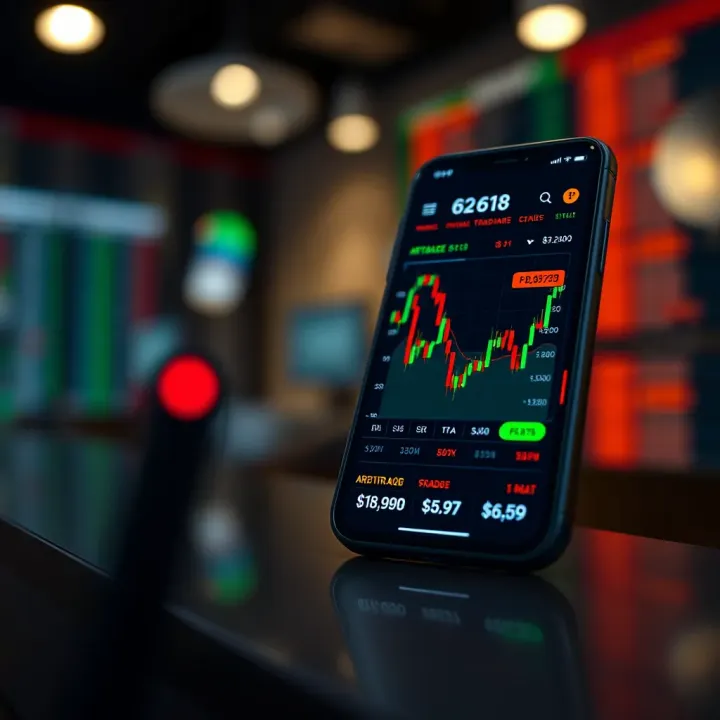
Explore how arbitrage trading apps work 📲, key strategies, legal tips ⚖️, and smart practices for Nigerian traders to trade safely and profitably 💰.
Based on 13 reviews