

Choosing the Best Forex Trading Robot in Nigeria
Explore how Nigerian forex traders can pick the right trading robot 🤖. Learn its perks, risks, and smart tips to boost your trading game wisely 🇳🇬.
Edited By
Oliver Wright
Automated trading systems, often called robot forex trading, are steadily reshaping how currency markets work. These robots are programs that automatically execute trades based on pre-set strategies without the emotional ups and downs that human traders often face. In Nigeria's fast-growing forex scene, such tools have become a practical choice for traders aiming to stay active while managing risks.
At their core, robot forex systems scan the market 24/7, analysing patterns and price movements to spot opportunities. For instance, a robot might be programmed to buy the US dollar against the Nigerian naira (USD/NGN) when certain technical indicators signal a potential jump, then sell when it expects a dip. This automation eliminates the need to stare at screens all day or rush orders, which is key in volatile markets like forex.
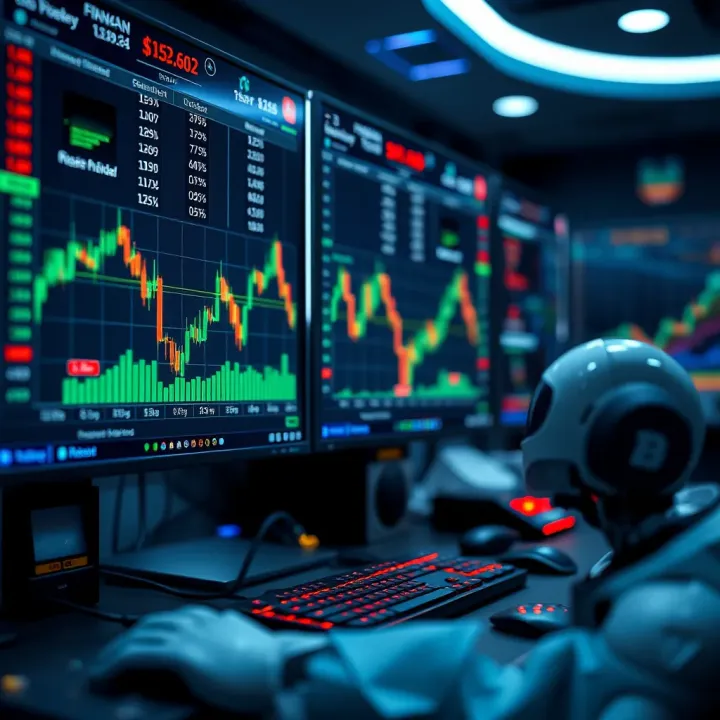
Many Nigerian traders favour robots because they reduce decisions made out of fear or greed—two emotions that often lead to poor timing and losses. Plus, these systems can backtest strategies against years of historical data before live usage, helping traders refine plans without risking real money at the start.
However, no robot guarantees profits. Some algorithms perform better during certain market conditions — say, trending markets — but might struggle during sudden shocks often seen in naira value changes or unexpected policy announcements from the Central Bank of Nigeria (CBN). It’s wise for traders to monitor robot performance continuously and adjust settings as needed.
Robot forex trading tools serve as helpful assistants rather than complete replacements for the trader’s judgement and vigilance.
Here are some practical points Nigerian traders should consider:
Understand the logic behind the robot’s strategy before trusting it with funds.
Start small, using demo accounts or small lots to assess the system’s behaviour.
Watch costs like subscription fees or commissions, as they can eat into gains.
Combine robot trades with personal market research to balance automation with local insights.
As Nigeria’s forex market attracts more attention, automated systems offer fresh ways to remain competitive and efficient—especially when time, emotion, and market complexity become barriers. With thoughtful use, robot forex trading can help optimise how you engage with currency markets here.
Grasping the basics of robot forex trading is key for anyone wanting to take a serious shot in the currency markets. This trading method uses software to perform forex trades automatically, reducing the human load and emotion that often skew decisions. Knowing how these systems function and their components helps traders maximise benefits while avoiding common pitfalls.
Definition of Automated Forex Trading
Automated forex trading uses computer programmes to open and close trades based on pre-set rules without needing manual input every time. Instead of sitting by your screen all day monitoring price moves, the robot scans the market 24/7 according to its strategy. For example, a typical trading bot may enter a buy position on the USD/NGN pair when it spots a moving average crossover, then exit when a target profit or stop loss level is met.
Role of Expert Advisors (EAs) and Trading Bots
Expert Advisors (EAs) are specialised bots designed mainly for MetaTrader platforms, popular among Nigerian forex traders. These EAs serve as personal digital traders executing strategies automatically. They analyse market data, generate signals, and manage trades consistently without human emotion. Trading bots cover similar functions and may also operate on web-based or custom platforms, adapting to various market conditions.
Programming Trading Strategies
Traders or developers write the instructions guiding the robot's decisions in code—these are the trading strategies. These rules can range from simple, like following moving averages, to complex algorithms incorporating multiple conditions. For instance, an EA might be programmed to trade only during Nigerian market hours or react to news releases affecting the naira.
Using Technical Indicators and Signals
Robots rely heavily on technical indicators such as the Relative Strength Index (RSI), Bollinger Bands, or Fibonacci retracements to identify trade opportunities. The system tracks these signals to decide when to enter or exit positions. For example, if RSI climbs above 70, indicating overbought conditions, the robot might trigger a sell trade automatically.
Trade Execution Without Human Intervention
Once the programmed conditions are met, the robot executes trades instantly without waiting for manual confirmation. This speed helps seize fleeting opportunities missed by manual traders. In volatile currency markets, this advantage can be significant, preventing delays that might turn potential profit into loss.
Automated forex trading takes the pressure off the trader, allowing trading 24/7 while sticking strictly to tested rules. However, understanding how these bots work is essential to use them effectively and safely.
In summary, robot forex trading is about letting smart software do the heavy lifting by following well-planned strategies, analysing market data using technical tools, and trading instantly when conditions align. Nigerian traders who understand these elements can better integrate automation into their forex activities, enhancing efficiency and decision-making.
Trading robots bring several distinct advantages to forex trading, particularly relevant to both new and experienced traders in Nigeria. They boost efficiency, remove emotional pitfalls, and allow more people to participate even with tight schedules. These benefits help traders stay competitive in Nigeria’s fast-moving currency market.
Constant market monitoring means a robot can scan currency pairs 24/7 without breaks or distractions. Unlike human traders who need rest and can miss market shifts arriving in the middle of the night (for example, during Asia or European sessions), trading robots stay alert. This continuous watch increases the chance of capturing profitable moves as soon as signals appear.
For instance, a Nigerian trader using MetaTrader with an automated expert advisor (EA) can rely on it to notice sudden price drops in the USD/NGN pair during volatile periods without needing to stare at the screen all day.
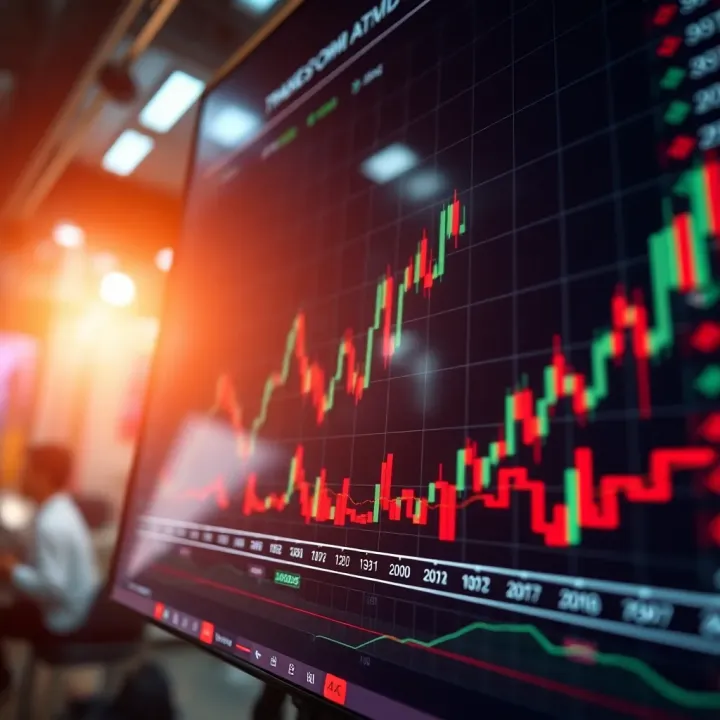
Automated trade execution ensures that once criteria are met, the robot places buy or sell orders instantly. This quick response is crucial in forex markets where prices change in seconds. Manual trading suffers delays caused by slow decision-making or execution errors, which costly slippage may result from.
Moreover, these systems can place multiple trades simultaneously across different currency pairs, something a single human trader cannot manage efficiently. This multitasking improves portfolio diversity and potential profits.
Preventing impulsive decisions is perhaps one of the biggest wins with trading robots. Human traders often chase losses or overtrade out of fear or greed—behaviours that lead to poor results. Robots follow pre-programmed rules without nerves or excitement.
This helps keep discipline intact during market turbulence, as the robot ignores emotions and focuses only on the strategy’s logic. For example, even in the ember months when news events trigger sharp market moves, the robot will neither panic sell nor irrationally hold losing positions.
Consistent application of rules means that every trade is subjected to the same conditions set by the trading strategy. This consistency removes human error caused by overlooking indicators or bending rules under pressure, enhancing the reliability of trading outcomes over time.
Take a typical moving average crossover strategy: the robot will execute trades strictly when the faster moving average crosses the slower one, every single time. This reliability is harder to achieve manually.
Suitability for non-professionals makes robot forex trading a practical entry point for those who lack extensive market knowledge or cannot devote long hours studying charts. Many ready-made expert advisors offer simple setups, allowing Nigerian traders to start with minimal technical experience.
Rather than learning complex technical analysis from the ground up, traders can test these robots with demo accounts, gaining familiarity before committing real funds.
Compatibility with part-time trading fits perfectly with Nigerians juggling multiple jobs or commitments. Since the robot executes trades automatically, it frees up time that would otherwise be spent monitoring markets. This way, a teacher, an okada rider, or a small business owner can still participate actively in forex markets without disrupting their daily routine.
Automated forex trading robots empower traders by handling routine tasks, reducing emotional errors, and offering flexibility that suits Nigeria's dynamic lifestyles. They do not guarantee profits but provide tools to trade more efficiently and consistently.
By understanding and leveraging these benefits, Nigerian traders can make smarter choices about integrating robots into their forex strategies.
Automated forex trading robots come with notable risks that traders in Nigeria and beyond must understand before diving in. While these systems promise efficiency and 24/7 market access, they depend heavily on technology, which introduces vulnerabilities. Furthermore, market behaviour remains unpredictable, and blind trust in automation can lead to costly errors. Knowing these challenges helps traders manage expectations and avoid common pitfalls.
Technical failures and connectivity issues can disrupt even the most sophisticated trading robots. For example, if your internet connection drops while an EA (Expert Advisor) is mid-trade, the robot could fail to execute crucial stop-loss orders, exposing you to unexpected losses. In Nigeria, where power outages and unstable internet are common, this challenge becomes more pressing. Traders must ensure they have reliable power backups or internet alternatives to prevent gaps in automated trading.
Broker platform compatibility is another critical factor. Many robots are built for specific trading platforms like MetaTrader 4 or 5. If your broker does not fully support these platforms or imposes restrictions on automated trading, the robot may malfunction or produce unexpected results. For instance, some Nigerian brokers might have latency issues or limits on order types when using EAs. Always confirm your broker’s support for automation and test your robot on a demo account with that broker before committing real funds.
Automation does not shield traders entirely from market risks, especially during volatile periods. Algorithms often struggle with sudden market shocks like unexpected central bank announcements or geopolitical events, which cause rapid price swings. A robot might keep opening and closing trades in quick succession under such conditions, leading to higher losses. For example, a robot trading on the naira-USD pair could be severely affected during currency devaluation news. Understanding that robots have limits in turbulent markets helps to avoid placing overreliance on them.
Over-optimisation, also known as curve fitting, is a common problem when developing trading bots. It happens when a robot is fine-tuned excessively on past market data, performing brilliantly in backtests but poorly in live trading. This is like memorising answers for an old exam paper but failing the actual test because conditions have changed. Nigerian traders should guard against this by avoiding overly complex strategies and stress-testing robots on diverse market periods before live deployment.
Even the best robots require ongoing oversight because market conditions evolve. Strategies that worked well six months ago may falter under new economic policies or shifts in global trade. A trader should review performance regularly and tweak settings rather than just setting the robot on autopilot indefinitely. This practice prevents stagnation and encourages adaptive trading.
Blind trust in automated systems can be perilous. Relying solely on robots without monitoring can lead to unchecked losses if the system malfunctions or market conditions change drastically. Nigerian traders, accustomed to taking a hands-on approach with their investments, should continue to supervise their robots actively. Combine automation with regular human checks to maintain control and manage risks effectively.
Automated forex trading offers convenience, but its success depends on understanding and managing inherent risks. Technology glitches, market turbulence, and the need for human oversight remain critical factors every trader must handle carefully.
By recognising these risks and challenges, Nigerian traders can better prepare, ensuring that robot forex trading serves as a helpful tool rather than a costly mistake.
Jumping into robot forex trading requires more than switching on some software. Especially in Nigeria, traders must understand key steps and considerations before deploying automated systems in the currency market.
One crucial step is picking a trustworthy forex broker. Regulation and security are top priorities here. In Nigeria, brokers regulated by bodies like the Securities and Exchange Commission (SEC) offer greater protection against fraud and malpractice. This regulation ensures brokers adhere to standards like segregating client funds and transparent operating practices, giving traders peace of mind.
At the same time, support for automated trading platforms such as MetaTrader 4 or 5 matters a great deal. These platforms are widely used worldwide and compatible with many Expert Advisors (EAs). A broker without reliable MetaTrader support can disrupt automated trading performance due to lag or execution errors. For instance, if a broker’s server is slow, EAs may miss executing stop-loss orders, risking bigger losses.
When it comes to choosing a trading robot, Nigerians can either pick ready-made EAs or develop custom-built ones. Ready-made bots are pre-programmed with specific strategies and usually cheaper, but they might not fully suit your trading style or local market conditions. Custom-built EAs, though more costly and requiring programming knowledge or hiring specialists, offer greater flexibility to tailor algorithms to your unique requirements.
Before applying any robot to real money, testing strategies using demo accounts is vital. Demo accounts allow you to simulate actual market conditions with virtual funds, reducing the risk of losing capital while fine-tuning parameters. Many Nigerian traders use demo testing to assess how different robots handle volatile hours typical of the NGN/USD pair.
A sound approach to capital management is to start with small funds. Considering the inherent risks of forex, beginning with amounts like ₦50,000 or ₦100,000 helps you learn the robot’s behaviour without risking significant loss. Nigerian traders often build up gradually as confidence grows.
Another key technique is employing stop-loss orders and setting clear risk parameters. Automated trading does not eliminate market unpredictability, so well-set stop-losses prevent runaway losses. Setting risk percentages per trade—say 1% of your capital—helps keep total exposure manageable. These settings are universally recommended but crucial for Nigerian traders facing market swings influenced by local events or naira volatility.
Robot forex trading can open new possibilities for Nigerian traders, but understanding and managing the risks through careful broker selection, thorough testing, and sound risk management is the best way to succeed.
By focusing on these practical steps, you stand a better chance of making robot forex trading a helpful part of your currency market activities.
Robot forex trading often attracts misconceptions, which can mislead traders, especially those new to the market. Clearing up these misunderstandings is crucial for anyone serious about navigating the currency markets with automated systems. By addressing prevalent myths, traders can better manage expectations and make informed decisions.
Requires effort and understanding: Many believe trading robots work like magic—plug them in and watch instant profits roll in. The truth is far from this. Automated forex systems depend heavily on the strategies programmed into them. A trader still needs to understand market fundamentals, economic news, and technical analysis to select or design effective trading bots. For example, a well-coded Expert Advisor (EA) might fail during a Nigerian trader’s unfamiliar market event if left unchecked or misunderstood.
Realistic expectations on returns: Setting practical targets is vital. Robots rarely deliver consistent double-digit returns every month without risk. Consider the naira's volatility against major currencies; an automated system might generate steady gains but with occasional drawdowns. Expecting 100% returns without losses is unrealistic. Successful trading robots operate best with moderate, steady profits over time rather than quick windfalls.
Monitoring performance regularly: Unlike fully autonomous machines, forex robots do not make perfect decisions. Market conditions shift due to geopolitical events or unexpected policy changes by bodies like the Central Bank of Nigeria (CBN). Routine checks help spot underperformance early. For example, if a trading bot struggles during a period of high naira instability, an alert trader should pause it or adjust parameters.
Updating strategies when needed: Forex markets evolve. What worked well last year may falter today due to new regulations or changing liquidity. Traders must update their robot’s strategy to reflect current realities. That means tweaking technical indicator thresholds or even replacing outdated algorithms. Continuous adaptation increases the chances of sustained success.
Beware of scams and unverified software: The forex robot space is crowded with make-believe solutions promising overnight riches. Nigerian traders have lost hard-earned funds to dodgy software that fails to execute trades or manipulates results. Avoid bots without verifiable track records or third-party testing. Trustworthy platforms like MetaTrader or Pepperstone support approved expert advisors vetted by users.
Importance of research and reviews: Prior to commitment, traders should seek thorough reviews from credible sources or community feedback. Forums such as Forex Factory or local trading groups often share genuine experiences about specific bots. Understanding the strengths and weaknesses of a robot helps avoid costly mistakes. For example, a bot praised for handling volatile pairs like USD/NGN might not perform well on illiquid cross-rates.
Automated forex trading offers exciting opportunities, but success depends on realistic goals, hands-on monitoring, and careful selection of quality software. Being aware of common misconceptions equips you to trade smarter and safer in Nigeria’s vibrant forex scene.
Explore how Nigerian forex traders can pick the right trading robot 🤖. Learn its perks, risks, and smart tips to boost your trading game wisely 🇳🇬.
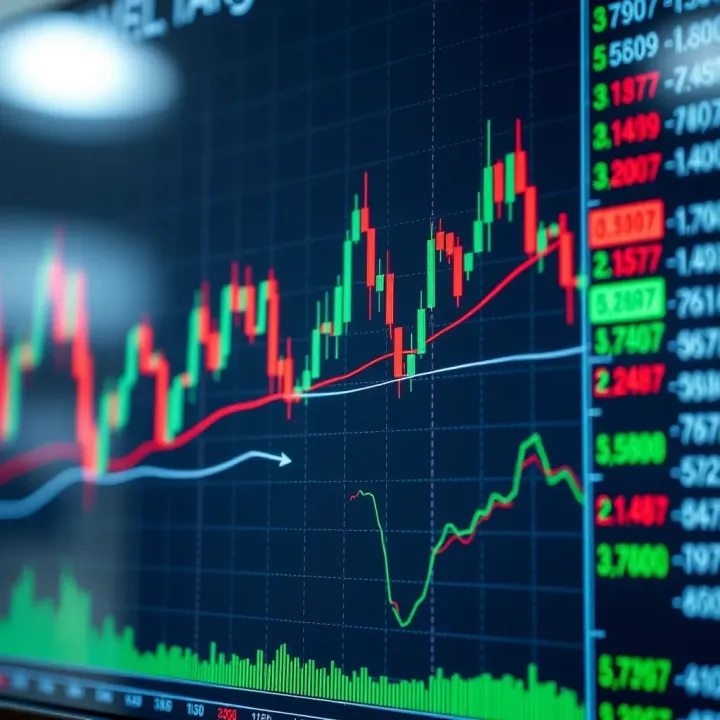
📊 Discover top forex trading indicators used by Nigerian traders for smart market analysis! Learn to combine tools & manage risks effectively.
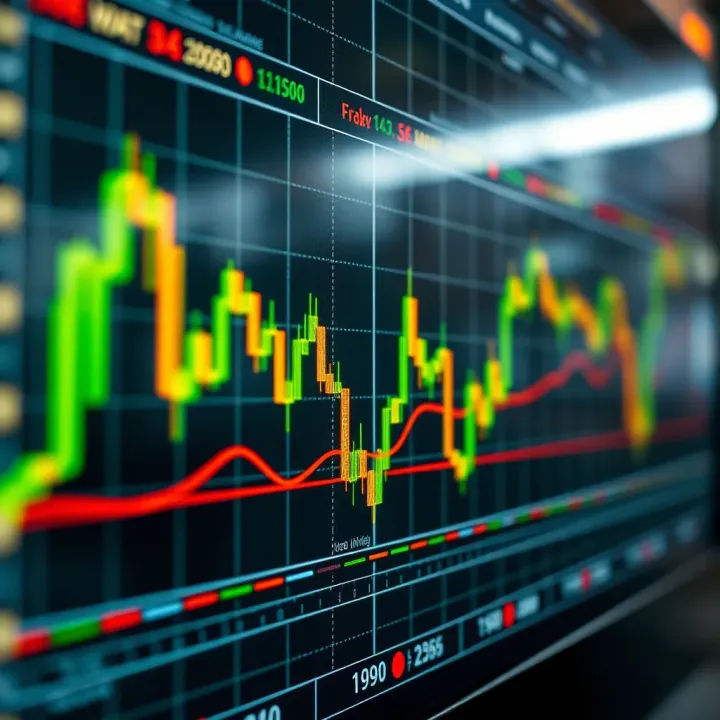
Discover key benefits of forex trading—easy market access, high liquidity, and flexible risk options—ideal for Nigerian investors interested in financial markets 📈💹
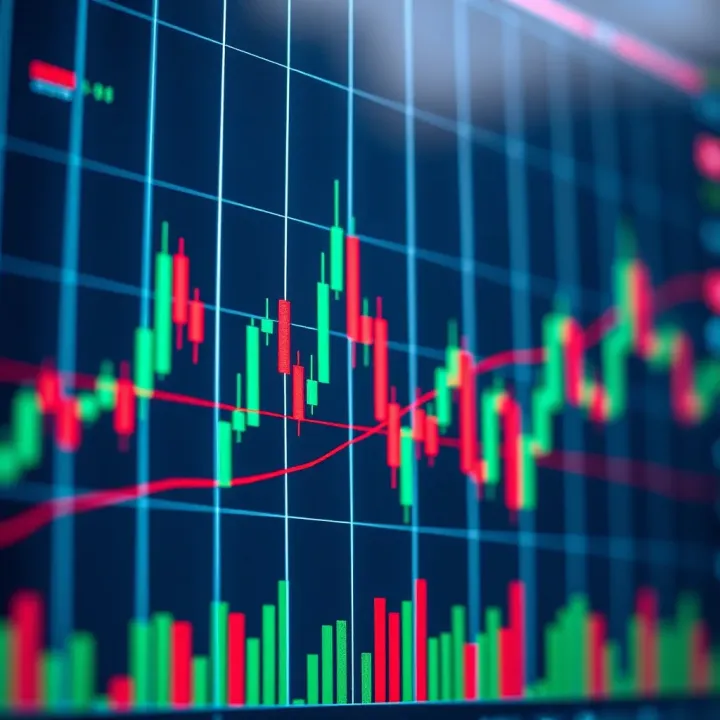
📈 Master chart forex trading in Nigeria with practical tips on chart types, key indicators, and trading strategies to handle market swings and boost profits effectively.
Based on 9 reviews