
Benefits of Forex Trading for Nigerian Investors
Explore how Nigerian investors can benefit from forex trading 🌍. Learn about its high liquidity, market access, flexibility, and what sets it apart from other investments 📈.
Edited By
Oliver Smith
Forex trading has attracted many Nigerian investors looking to grow their ₦₦ beyond traditional savings or stock investments. The foreign exchange market, where currencies are bought and sold, operates 24 hours daily worldwide, offering significant opportunities — but also considerable risks.
For Nigerian investors, the appeal lies in the market’s liquidity and accessibility. Platforms like MetaTrader and brokers registered with the Nigerian Securities and Exchange Commission (SEC) provide easy entry into forex trading. However, profitability is not guaranteed; it depends heavily on knowledge, market conditions, risk management, and trading strategy.
Market Volatility: The forex market can be highly volatile, with exchange rates shifting quickly. For instance, naira fluctuations against the dollar can be swift, affected by CBN monetary policies or geopolitical developments.
Leverage Use: Nigerian traders often use leverage to increase investment power. While this can amplify profits, it equally multiplies losses. Excessive leverage without adequate safeguards can wipe out trading accounts fast.
Economic Indicators: Events like Nigeria’s inflation rate announcements, oil production changes, or global economic reports directly impact currency pairs and traders’ outcomes.
A trader who bought US dollars at ₦420 and sold when the rate hit ₦460 made a nice profit in naira terms. Yet, erratic news or sudden Central Bank interventions could have turned the trade sour had they not used stop-loss orders or monitored market signals.
Successful forex trading in Nigeria requires a strong understanding of both global markets and local economic shifts. Blindly following tips or trends without critical analysis usually leads to losses.
This article will unpack how Nigerian investors can realistically assess forex trading’s profitability, manage risks, and apply practical strategies to improve their chances of earning steadily. Expect insights grounded in Nigerian market realities, avoiding hype or empty promises.
Before jumping into forex trading, grasping what it entails and why it attracts many Nigerians is key. Forex trading involves exchanging currencies against each other with the goal of making a profit as exchange rates fluctuate. This market is the largest globally, moving trillions of dollars daily, offering huge opportunities for investors who understand its mechanics.
Forex trading is the buying and selling of foreign currencies. It is not like buying stocks; instead, you deal with currency pairs such as USD/NGN or EUR/USD, where you speculate whether one currency will strengthen or weaken compared to the other. For example, if you expect the US dollar to gain value against the naira, you buy USD/NGN, hoping to sell later at a better rate.
Every forex trade involves two currencies because currencies are priced in pairs. The first currency is called the base, and the second is the quote. If the pair is USD/NGN at a rate of 460, it means 1 US dollar equals 460 naira. If the rate rises to 470 and you bought earlier, you make a profit by selling at the higher price. Understanding how these pairs move according to global events or Nigerian economic indicators is crucial for trading decisions.
Leverage lets you control a large position with a small amount of your own money, known as margin. For example, with 1:100 leverage, ₦10,000 lets you trade positions worth ₦1,000,000. While leverage can multiply profits, it also increases risk sharply. Many Nigerian traders are drawn to leverage to boost potential returns, but without strict risk management, losses can wipe out capital quickly.
Nigeria’s fluctuating exchange rates, inflation, and limited local investment options push many to explore forex. With naira volatility against the dollar and other major currencies, traders see chances to profit from swings. Also, rising unemployment and underemployment make forex trading a way for youths and even formal workers to earn extra income or try full-time trading.
Fintech services such as OPay and MTN have made forex more accessible by allowing easy fund deposits and withdrawals through mobile money and USSD codes. Nigerians no longer need traditional bank accounts or hefty capital to start trading. These platforms bridge the gap by supporting transactions that fund forex accounts swiftly, reducing some barriers new traders face.
Forex trading offers Nigerians a path to earn in US dollars, euros, or pounds, currencies generally stronger than the naira. For traders who can consistently profit, this foreign currency earning power protects against naira depreciation and the rising cost of living. However, turning this potential into consistent income demands discipline, knowledge, and risk management.
Understanding forex trading's mechanics and why it appeals to Nigerians sets the stage for realistic views on profitability. Without this foundation, many can fall prey to unrealistic expectations or scams.
This section provides the groundwork needed before exploring how factors like market conditions, skills, and broker reliability affect trading success in Nigeria.
Profitability in forex trading is far from guaranteed and hinges on certain key factors. For Nigerian investors, understanding these elements is necessary to avoid costly mistakes and improve chances of success. Factors such as market volatility, trader skills, and broker reliability each impact how much you can earn, as well as how much risk you face.
Currency values constantly shift due to supply and demand forces. These fluctuations create opportunities for traders to buy low and sell high, or vice versa. For instance, if the US dollar strengthens against the naira following a change in US interest rates, traders positioned correctly can profit from that movement. This dynamic nature is why forex can be attractive, though volatile markets demand quick and informed decisions.
Global events also shape currency trends. Political instability in oil-producing nations or economic data releases like the US nonfarm payroll reports can trigger sharp currency movements. Nigerian traders must keep abreast of major economic events worldwide since these can influence naira exchange rates indirectly and affect trading positions.
Regarding timing, it’s best to trade when major forex markets overlap. For Nigerians, peak activity happens during the London and New York sessions, typically between 2 pm and 10 pm WAT. Trading during these hours usually means better liquidity and narrower spreads, helping you enter and exit trades at favourable prices.
Profit depends heavily on technical and fundamental analysis. Technical analysis involves reading charts and indicators to predict price trends, while fundamental analysis examines economic reports, political events, and market sentiment. A trader ignoring these tools essentially trades blind, increasing the chances of losses.
Beyond knowledge, disciplined strategies separate successful traders from gamblers. Sticking to a plan, avoiding emotional trades after losses, and limiting risk per trade through stop-loss orders are crucial habits. For example, a disciplined trader may risk only 1% of their capital per trade, protecting their account from sudden downturns.
Learning from mistakes is part of the journey. Many beginner traders may rush into live trading without practising on demo accounts, leading to repeating errors that drain capital. Continuous education, such as attending local forex seminars or following Nigerian market analysis, sharpens your decision-making over time.
Choosing a regulated broker in Nigeria is vital. The Nigerian Securities and Exchange Commission (SEC) oversees some brokers, ensuring they meet standards that protect traders. A regulated broker also offers transparency, making fund withdrawals and deposits straightforward, unlike many unregulated outfits.
Costs such as spreads, commissions, and swap fees reduce profits directly. For example, a broker charging a 2-pip spread may seem minimal, but it adds up over multiple trades. Selecting brokers with competitive fees like ForexTime or HotForex, which operate in Nigeria, helps preserve your gains.
Unregulated or bogus brokers pose serious risks. There have been numerous cases where Nigerian traders lost funds to scammers promising guaranteed returns or insider tips. Red flags include unrealistic profit claims, pressure to fund accounts quickly, and lack of proper documentation. Always verify broker credentials before committing funds.
When it comes to forex, your profit depends not just on the market but also your preparedness and choices. Market timing, skill development, and broker selection work hand in hand to influence your bottom line.
This understanding helps Nigerian investors approach forex trading with their eyes open, avoiding pitfalls and focusing on factors they can control for better profitability.
Navigating forex trading from Nigeria comes with its share of unique risks and challenges. Many fall prey to financial pitfalls, technology failures, or outright scams. Understanding these dangers is essential for anyone looking to trade profitably and avoid losing hard-earned cash.
High leverage is one of the most tempting yet dangerous aspects of forex trading. In Nigeria, traders often borrow 50 times or more of their initial capital, hoping for big wins. However, this magnifies losses just as quickly. A small adverse move can trigger a margin call, forcing traders to deposit more funds or close positions at huge losses. This risk is very real, especially for those who trade without strict discipline.
Common mistakes include overtrading, chasing losses, and neglecting to use stop-loss orders. For example, some traders might open many positions simultaneously without considering their capital’s limit. This leads to rapid depletion of funds when the market moves slightly against them. Others react emotionally, doubling down when in loss instead of analysing the situation calmly. These errors explain why many Nigerian traders see their accounts wiped out within weeks.
Also, unreliable power supply and unstable internet connections significantly affect trading activities. Imagine executing a trade but losing power just as the market turns, or your internet drops during a critical stop-loss adjustment. These interruptions often result in missed opportunities or unexpected losses. Traders in Lagos or Abuja have reported disruptions during peak hours causing significant damage to their positions.
The Nigerian forex market is unfortunately riddled with scams. Fake brokers promise guaranteed returns with schemes that eventually disappear with traders’ deposits. Some use pyramid-like recruitment, offering commissions to bring in new clients — an unsustainable and risky approach. Other scams involve rigged trading platforms that manipulate prices or block withdrawals.
There are clear warning signs to watch out for. Promises of fixed, high returns with little or no risk should raise red flags immediately. Brokers without proper registration or licence from Nigerian authorities or international regulators are risky. Unsolicited messages urging urgent deposits, and pressure to add funds quickly, typically indicate fraud.
Protecting yourself means verifying broker credentials through agencies like the Securities and Exchange Commission (SEC) Nigeria. Always use regulated platforms and avoid deals that seem too good to be true. If you suspect fraud, reporting to SEC or the Economic and Financial Crimes Commission (EFCC) helps authorities track offenders. Sharing experiences with fellow traders via forums or social media groups also creates awareness and discourages scammers.
Being aware of common risks and challenges in forex trading isn’t just theoretical—it directly impacts your ability to protect capital and build a sound trading business in Nigeria’s market.
In summary, Nigerian investors must navigate high leverage risks, common behavioural errors, technological challenges, and widespread scams carefully. Only with clear awareness and caution can forex trading become a viable path to income without falling victim to preventable losses.
Successful forex trading in Nigeria is rarely down to luck. Implementing solid strategies can make a big difference between steady gains and heavy losses. Traders need a clear plan, good education, and reliable tools to improve their chances of consistent profit.
Setting realistic profit targets keeps expectations grounded in reality. Rather than aiming for double-digit returns overnight, most Nigerian traders should aim for modest profits consistent with their capital and risk appetite. For example, targeting 2-3% profit per week might seem small but compounds effectively over time without exposing one to reckless risk. Ambitious targets without the right discipline often tempt traders to take unnecessary chances.
Using stop-loss and take-profit orders effectively protects your capital and locks in gains. A stop-loss order automatically closes a trade if the price moves against you beyond a set point, preventing larger losses. Meanwhile, take-profit ensures you exit a trade once your target profit is reached. Many beginners in Lagos or Abuja fail to use these tools and end up losing more when the market swings unexpectedly.
Managing position sizes according to capital is key to surviving the volatile forex market. For instance, if you have ₦100,000 to trade, risking 5% on one position means you only lose ₦5,000 if the trade goes wrong. Overtrading large positions can wipe out accounts quickly, especially with the high leverage offered by many brokers. Starting small and adjusting position size as your confidence and account balance grow helps maintain sustainability.
Practising on demo accounts before live trading lets Nigerians sharpen their skills without risking real money. Demo accounts simulate real market conditions, allowing users at platforms like MetaTrader or local fintech apps to test strategies and learn order types. This practice is essential before committing funds, as many traders who skip this step jump into live markets unprepared.
Accessing local training and online courses tailored to the Nigerian market adds practical value. Several fintech firms and trading academies in Lagos offer workshops or webinars where traders learn about forex tools, market behaviour, and regulatory issues. Staying informed through these resources helps players avoid common pitfalls and understand how local economic events impact forex.
Following market news and analysis relevant to Nigeria equips traders to anticipate possible price moves. Given Nigeria’s naira volatility, updates on CBN policies, oil prices, or geopolitical events can influence forex trends. Using reliable news sources alongside global market reports means traders can make more informed decisions instead of guessing.
Comparing popular platforms like MetaTrader and local apps is necessary before you start trading. MetaTrader 4 and 5 are widely used globally for their charting and automation features. However, Nigerian fintech platforms like OPay or PalmPay might offer more user-friendly interfaces, local customer service, and easier funding options. Selecting a platform that suits your trading style and comfort level enhances efficiency.
Considering mobile trading given Nigeria’s data costs is practical. Many Nigerian traders rely on smartphones rather than desktop setups. Mobile apps that consume less data and load quickly perform better in areas where connectivity is inconsistent or costly. Optimised mobile platforms allow quick trade execution without burning through expensive data plans.
Security features and ease of fund withdrawal should never be overlooked. Trustworthy brokers and platforms with proper Nigerian regulatory compliance reduce the risk of fraud. Nigerian traders must verify that their investments are safe and that withdrawing profits or deposits happens smoothly. Platforms that make fund movement easy, with options for bank transfer or USSD payment, offer clear advantages.
Successful forex trading starts with smart planning, continuous learning, and using the right tools. Nigerian investors who approach with discipline and local awareness stand better chances of turning forex into a steady income stream.
Evaluating forex trading as a reliable income stream is vital for Nigerian investors who want to make informed decisions. Many are drawn by the potential to earn in foreign currency, but understanding the realistic returns, time commitments, and discipline needed is crucial before committing resources.
Typical profit margins for small retail traders tend to be modest. Most beginner traders in Nigeria might expect to make between 5% and 15% monthly returns under good conditions, though losses are common. For instance, a trader starting with ₦100,000 should be pragmatic about earning ₦5,000 to ₦15,000 monthly rather than hoping for sudden riches. This reflects the realities of market volatility and brokerage costs that chip away at profits.
Time investment needed to become consistently profitable is significant. Mastery of forex trading doesn’t happen overnight; it often takes months or years. Nigerian traders juggling full-time jobs may find it difficult to dedicate daily hours needed for thorough market analysis. Consistent practice, reviewing trading journals, and staying updated on global events affecting currency demand are necessary steps. Without this time input, consistent profitability remains elusive.
Comparing forex to other income opportunities in Nigeria helps balance expectations. While forex may offer higher returns than some informal business ventures, it carries greater risk and requires better financial literacy. Unlike running a mama put or small retail, forex demands continuous learning and emotional control. For a university graduate in Lagos, forex could be an alternative income stream alongside freelancing or investing in stocks listed on the Nigerian Exchange (NGX), depending on risk appetite and available capital.
Separating trading funds from living expenses is a must. Forex trading should ideally involve money you can afford to lose without affecting daily life. Nigerian traders who mix personal and trading funds risk jeopardising household budgets, especially in unpredictable markets. Setting up a dedicated trading account ensures decisions remain rational rather than desperate calls driven by urgent financial needs.
Dealing with losses without emotional decisions is critical for survival. Forex markets can be unforgiving; losses will happen. Nigerian traders often fall into the trap of chasing losses or overtrading after a losing streak. The best approach is to stick to a tested trading plan and view losses as part of the learning process—not as signals to panic or double down rashly.
Adopting a long-term mindset rather than chasing quick wins leads to sustained success. Some Nigerians are tempted by flashy adverts promising overnight wealth from forex. However, patient traders standing their ground through market ups and downs tend to develop steady profits. For example, slowly growing a ₦200,000 capital over a year with controlled risks beats risking all on speculation that might wipe out savings.
Forex trading in Nigeria can provide genuine income but requires clear-eyed assessment and strong financial habits to be viable over time.
In summary, Nigerian investors should weigh realistic profit levels, commit adequate time, and cultivate strict discipline to turn forex trading into a steady income source. Both the promise and the pitfalls must be balanced to avoid disappointment.
Explore how Nigerian investors can benefit from forex trading 🌍. Learn about its high liquidity, market access, flexibility, and what sets it apart from other investments 📈.
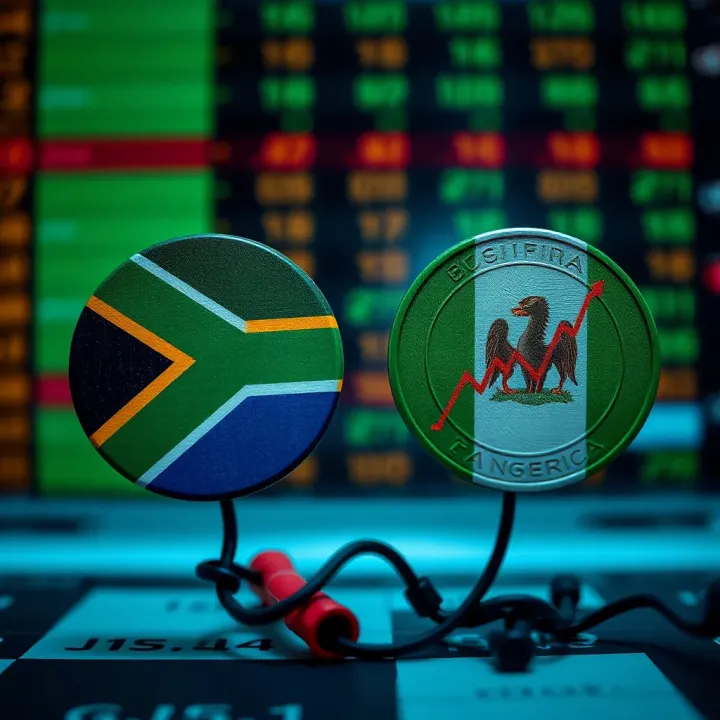
🌍 Explore forex trading in South Africa from a Nigerian viewpoint — learn key regulations, top platforms, and smart tips for profitable forex deals across Africa. 💱
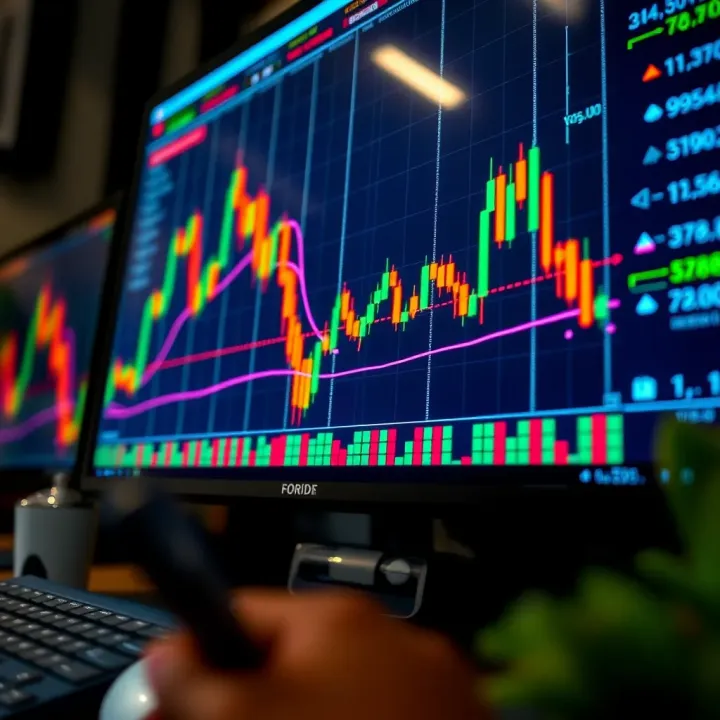
Master essential forex trading techniques tailored for Nigerian traders 🇳🇬. Learn strategies, risk management, tools, and avoid pitfalls amidst naira volatility 💹.
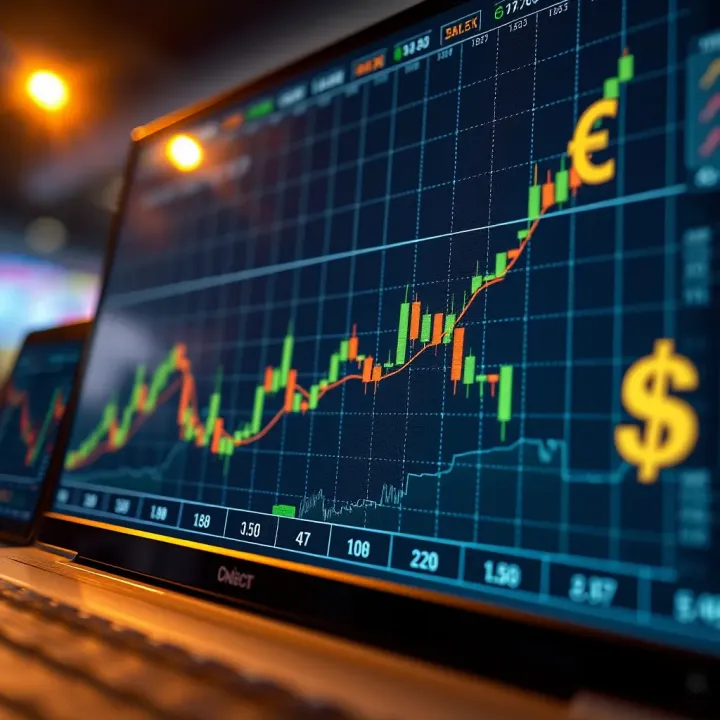
📈 Master forex trading with strategies tailored for Nigerian traders. Learn risk management, technical & fundamental tactics to grow your ₦ safely and smartly.
Based on 6 reviews