

Forex Trading Strategies Nigerian Traders Must Know
📈 Master forex trading with strategies tailored for Nigerian traders. Learn risk management, technical & fundamental tactics to grow your ₦ safely and smartly.
Edited By
Emily Foster
Forex trading captivates many Nigerian traders searching for new income streams beyond traditional sectors like oil or agribusiness. Yet, without a solid grip on effective trading techniques, most traders struggle to keep consistent profits amid naira volatility and fluctuating global markets.
Understanding essential forex trading methods helps traders navigate these choppy waters confidently. This section sets the stage by highlighting basics every Nigerian trader should know before diving deeper into strategies, risk management, and trading tools.
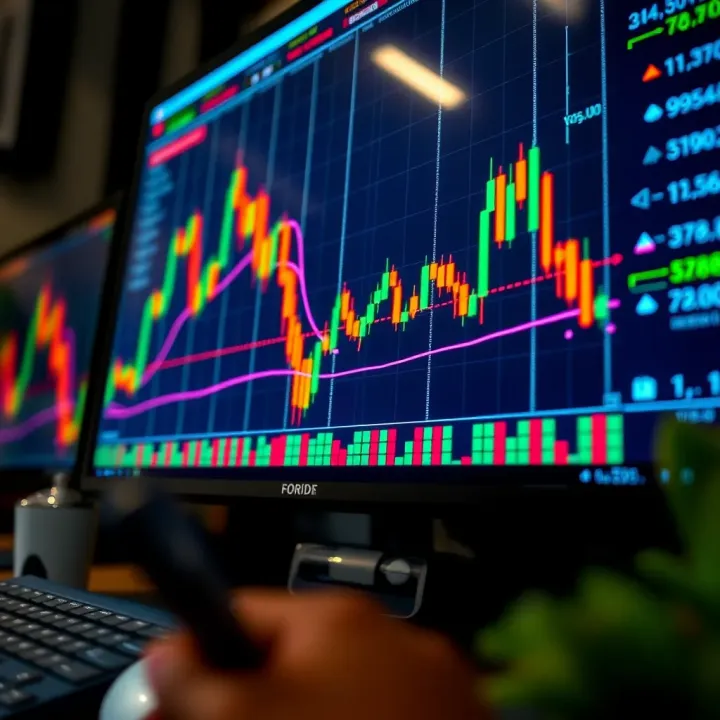
Nigerian forex traders operate within a mix of global economic shifts and local challenges. For example, naira depreciation against the US dollar can unexpectedly affect trading outcomes — sometimes wiping out gains overnight if not managed properly. Additionally, limited access to stable internet or low capital often restricts traders to smaller positions.
Yet, the market also offers opportunities. With increasing fintech platforms like Paystack, Flutterwave, and OPay integrating forex functionalities, Nigerian traders can engage more efficiently. Understanding these local realities is vital before adopting any technique.
Before jumping into complex strategies, grasp these fundamental ideas:
Currency pairs: Forex always involves trading one currency against another, such as USD/NGN or EUR/USD.
Leverage: Often used to amplify gains, but it equally increases loss risk. Nigerian traders should handle leverage cautiously due to market swings.
Pips and lots: A pip is the smallest price move a currency pair can make; lots represent trading volume.
Spread and commissions: The difference between buying and selling prices affects your cost of trading.
Successful forex trading begins with sound knowledge of these core elements applied within Nigeria’s unique financial environment.
Choose a reliable broker: Confirm the broker supports NGN transactions and complies with local regulations.
Start with demo accounts: Many platforms offer practice accounts to build your skill without risking real money.
Keep abreast of news: Economic reports from the Central Bank of Nigeria (CBN) and global events impact currency trends.
Set realistic goals: Begin with small, manageable trades and avoid chasing big profits quickly.
This introduction aims to prepare Nigerian traders with a realistic foundation. In the next sections, we will explore actionable strategies, technical analysis basics, and risk control tailored to your context.
Grasping the fundamentals of forex trading is essential for any Nigerian trader aiming to navigate this fast-moving market confidently. Without a solid foundation, even the best strategies can falter due to misunderstanding key concepts or market dynamics unique to forex.
Forex trading revolves around buying one currency and selling another simultaneously; these are called currency pairs. For example, trading the USD/NGN pair involves exchanging the US dollar for the Nigerian naira. Understanding which pairs are most liquid and how they behave during different trading hours is crucial. Since forex markets operate 24 hours across global time zones, Nigerian traders should note peak activity times, typically when the London and New York sessions overlap, to optimise entry and exit points.
Knowing market hours helps avoid illiquid periods where spreads widen and price movement slows, making trades riskier. For instance, during Nigerian night hours, major forex markets might be closed or less active, which affects trade execution and potential profits.
The forex market comprises a broad mix of participants, including central banks, commercial banks, hedge funds, corporations, and retail traders. Central banks like the Central Bank of Nigeria (CBN) can influence currency values through monetary policy. Big financial institutions provide liquidity and often set market trends.
Retail traders in Nigeria, accessing platforms like OPay or ForexTime, can participate with comparatively smaller capital but face stiff competition from institutional players. Knowing these market actors helps traders anticipate market moves and plan trades, especially when local developments, such as policy changes by the CBN, affect naira volatility.
A 'pip' is the smallest unit of price movement in forex, usually the fourth decimal place in currency pairs like USD/NGN. For example, a movement from 460.00 to 460.10 represents 10 pips. This measurement helps traders quantify gains or losses. Trades occur in 'lots'; a standard lot is 100,000 units of the base currency, but many brokers cater to smaller lot sizes suited for retail traders.
Leverage allows traders to control larger positions with smaller capital, effectively borrowing funds from the broker. While this can increase profits, it also magnifies losses. Margin represents the trader's collateral to open a leveraged position. For instance, with 50:1 leverage, you can control ₦50,000 with just ₦1,000. However, reckless use can wipe out your account swiftly, so understanding these terms helps manage risk prudently.
The 'spread' is the difference between the buying (bid) and selling (ask) prices of a currency pair, representing the broker’s fee. In periods of low market activity, spreads tend to widen, increasing trading costs. Nigerian traders should watch spreads on pairs involving the naira, as these can be wider due to lower liquidity compared to major currencies.
Swap rates apply when traders hold positions overnight. This fee can be positive or negative, depending on interest rate differences between the currencies in the pair. For example, holding USD/NGN overnight might incur swaps influenced by Nigeria’s interest rates versus the US Federal Reserve's rates. Understanding swap rates aids in planning longer trades and avoiding unexpected charges.
Mastery of these basics sets the stage for savvy forex trading decisions in Nigeria's unique market environment.
Familiarise yourself with currency pair behaviour during market hours to trade at optimal times.
Be clear on who drives market moves to anticipate changes, especially from local economic policies.
Know pip, lot, leverage, margin, spread, and swap to calculate risks and potential returns accurately.
Knowing popular forex trading strategies gives Nigerian traders practical methods to approach the market with confidence. These strategies help you make informed decisions rather than relying on guesswork, especially in a market as volatile as forex. Nigerian traders face unique challenges such as naira fluctuations and limited platform access, making tried-and-true strategies even more relevant.

Identifying trends in currency pairs involves spotting the general direction—whether upward, downward, or sideways—that a currency pair takes over a period. For example, if the USD/NGN pair consistently rises over several days, it's considered an uptrend. Traders ride such trends to profit from the momentum instead of trying to predict sudden reversals. Understand the context: trends in forex often reflect broader economic policies or global events, so watching CBN policies or oil price trends can give clues.
Using moving averages to spot entry points means relying on technical tools that smooth out price fluctuations, making trends easier to see. A common method is the crossover strategy, where a short-term moving average crosses above a long-term average, signalling a potential buy opportunity. For instance, if the 10-day moving average of EUR/USD crosses above its 50-day moving average, it might indicate the start of an uptrend worth entering. Nigerian traders can use free platforms like MetaTrader 4 or 5 to apply these tools confidently.
Trading within price ranges occurs when a currency pair fluctuates between clear support and resistance levels without breaking out. For example, if GBP/USD bounces between 1.2500 and 1.2600 for several days, traders might buy near 1.2500 and sell near 1.2600. This method suits markets lacking strong trends, allowing traders to profit from these sideways moves.
Recognising breakout signals and volume spikes involves watching for when a currency pair moves decisively beyond its established range, often accompanied by increased trading volume. A breakout above resistance may indicate a fresh uptrend start. Nigerian traders should note that breakouts can be false, so confirming with volume spikes or economic news is wise. For example, a GBP/USD breakout after the Bank of England announces a rate change usually carries weight.
Quick trades for small profits define scalping and day trading, where traders open and close positions within minutes or hours. The focus is on numerous small wins rather than waiting for big price moves. For Nigerian traders, this can be effective during the London or New York sessions when volatility peaks. However, scalping demands intense concentration and fast execution.
Tools needed for effective scalping include reliable trading platforms with low latency, real-time charts, and fast order execution. Features like one-click trading and access to economic calendars are vital. Tools such as MT4 with custom indicators or broker apps like FXTM cater to Nigerian traders’ needs. Also, having a stable internet connection is crucial since delays can turn profits into losses quickly.
Mastering these popular strategies helps Nigerian traders navigate the forex market with clearer tactics and better discipline, giving an edge even amid local market challenges.
Technical analysis is a cornerstone for many Nigerian traders looking to navigate the forex market effectively. It involves studying past price movements and trading volumes to anticipate future trends. This approach helps traders make informed decisions, especially in a volatile market like forex where currency values can swing unpredictably. By mastering technical tools, you can spot potential entry and exit points, improve timing, and manage risks better.
Chart patterns like the head and shoulders or double top and bottom are familiar to many experienced traders. They represent shapes on price charts that suggest a possible reversal or continuation of a trend. For instance, a head and shoulders pattern often signals that an uptrend is about to reverse, giving you an early warning to consider selling. Conversely, double bottoms may hint that a falling price will bounce back soon, prompting a buying opportunity.
Candlestick analysis, on the other hand, provides more granular insight into price action. Each candlestick shows how the price moved during a specific time frame, including opening, closing, high, and low prices. You can recognise patterns such as doji, hammer, or engulfing candles, which reflect market sentiment shifts. For example, a hammer candle appearing after a downtrend might mean buyers are gaining strength, suggesting a potential reversal.
The Relative Strength Index (RSI) measures the speed and change of price movements to identify overbought or oversold conditions. When the RSI goes above 70, it typically means a currency pair is overbought and may soon correct downwards. When below 30, it signals oversold conditions, implying a possible price rise. In Nigeria, where local currency pairs can be affected by CBN policy announcements or naira volatility, RSI helps you anticipate these swings.
The Moving Average Convergence Divergence (MACD) indicator tracks momentum by comparing two moving averages. When the MACD line crosses above its signal line, it suggests a bullish turn, while crossing below indicates a bearish shift. This tool is handy for identifying trend reversals early and confirming entry or exit points. For example, using MACD alongside moving averages can help a trader on the NGN/USD pair confirm whether the uptrend is gaining steam or losing momentum.
Technical analysis tools, when used carefully, give Nigerian forex traders a measurable edge. They help you peel back the noise and focus on signals that matter, making your trading more strategic and less guesswork.
By combining chart patterns, candlestick reading, RSI, and MACD in your trading routine, you enhance your ability to make sound decisions even amidst the wild swings typical of the forex market.
Risk management remains the backbone of sustainable success in forex trading, especially for Nigerian traders navigating a volatile naira and unpredictable market conditions. Without a proper risk strategy, even the best trading setups can quickly erode your capital. Managing risk helps protect your investment, minimise losses, and maintain steady growth over time. This means controlling how much you are willing to lose per trade and having clear exit strategies to prevent emotional decision-making.
Stop-loss and take-profit orders are critical tools for protecting your trading capital. A stop-loss order closes your trade automatically at a specified loss level to stop further downside, while a take-profit order locks in gains once your target price is reached. Nigerian traders benefit by applying these levels to avoid devastating losses, especially given the naira’s frequent swings caused by Central Bank policies or FX restrictions.
For example, if you open a trade on USD/NGN expecting the dollar to rise against the naira, setting a stop-loss ensures you don’t lose more than you can afford if the pair unexpectedly reverses. These orders should be set logically based on price action, not randomly, considering local market volatility.
Stop-loss distances vary depending on your trading strategy and the currency pair. For volatile pairs like USD/NGN, a stop-loss of about 50 to 70 pips may be sensible for short-term trades, balancing room for normal price swings without risking too much. Longer-term trades might use wider stop-losses of 100 pips or more to avoid being stopped out by ordinary fluctuations.
The key is to adapt to the currency’s behaviour and your risk tolerance. A tight stop-loss on a volatile pair might lead to frequent premature exits, while a loose stop-loss may expose you to bigger losses.
Proper position sizing determines how many units of a currency pair to trade, based on your risk appetite and account size. If you trade too large a lot, even small adverse moves can wipe out your capital. For Nigerian traders with smaller accounts, starting with micro lots (1,000 units) helps control risk and survive the market’s ups and downs.
For example, if your trading account holds ₦100,000 and you’re willing to risk 2% per trade (₦2,000), your lot size should be calculated so that a stop-loss of 50 pips equates roughly to that amount. Managing lot size this way prevents blowing your account on a bad trade.
Leverage allows traders to control larger positions with a smaller amount of capital, but excessive leverage inflates both gains and losses, increasing risk dramatically. Nigerian traders often face temptations from brokers offering high leverage, but it's safer to stick to moderate levels like 10:1 or 20:1.
High leverage can quickly amplify market noise, turning small price movements into big losses. Especially when naira volatility spikes during periods of economic uncertainty or policy changes, lower leverage reduces the risk of margin calls and emotional strain.
Impulsive trading usually arises from emotional reactions like fear or greed, leading to decisions that break trading rules. For instance, after a loss, many might rush to recover money by opening unplanned trades, which often just multiplies losses.
Maintaining discipline means sticking to your trading plan, trusting your analysis, and avoiding rash choices. Nigerian traders should remember that the market won’t always go their way, and patience separates consistent winners from those burnt out by haste.
A trading journal records every trade’s details—entry, exit, rationale, and emotions felt. This habit helps you review your performance and identify patterns both in success and failure.
For example, by logging trades during naira fluctuations or economic announcements, you can see how your approach handles local market realities. This reflection aids improvement, turning experiential learning into structured growth rather than repeated mistakes.
Remember, successful forex trading is not about avoiding losses completely but managing them smartly and growing steadily.
Using the right forex trading platforms and tools can make a significant difference in your trading efficiency and profitability. These platforms serve as your gateway to the market and determine how well you access real-time data, execute trades, and manage risks. For Nigerian traders, selecting platforms that work well locally — considering internet speed, payment options, and regulatory compliance — is especially important. Popular platforms like MetaTrader 4 and 5, as well as web-based platforms provided by brokers like FXTM and HotForex, offer a range of tools tailored to different trading styles.
When choosing a broker, Nigerian traders should focus on factors such as local deposit and withdrawal options, trading costs, and customer support availability. Platforms compatible with Nigerian banks and mobile money services like OPay or PalmPay ease transaction processes and reduce delays. Lower spreads and commissions can enhance profitability, so compare pricing structures carefully. Also, check the broker’s execution speeds — poor execution can lead to slippage and unexpected losses.
Regulation and security stand out as non-negotiables. Trading with brokers regulated by recognised authorities like the Financial Conduct Authority (FCA) or the National Futures Association (NFA) helps ensure your funds are safe and operations are transparent. Some local brokers are also regulated by the Securities and Exchange Commission (SEC) Nigeria, which adds an extra layer of trust. Avoid brokers without clear licences or those offering unrealistically high leverage, as they expose traders to unnecessary risks and potential scams.
The choice between mobile and desktop trading apps depends on your trading style and lifestyle. Mobile apps should have intuitive interfaces, quick loading times, and real-time alerts to help you act fast in volatile markets. A solid charting tool within the app, such as TradingView integration, makes a big difference. Desktop apps often provide more comprehensive analytics and customisation options, useful for traders who spend hours analysing the market.
Efficient trade execution comes down to knowing your platform’s features well. Use one-click trading to open and close positions quickly, and set up automated stop-loss and take-profit orders to manage risk without constant monitoring. Familiarise yourself with the platform’s technical features like trailing stops and pending orders. For instance, if you spot a breakout on the USD/NGN pair during active market hours, swift execution can turn the opportunity into profit before the market corrects.
The right tools and platforms empower Nigerian traders to stay competitive despite challenges like internet fluctuations or naira volatility. Taking time to evaluate brokers and mastering your trading app can elevate your forex trading game significantly.
By focusing on these essentials, Nigerian forex traders can navigate the market with confidence, knowing their trading platforms and tools complement their strategies and local realities.
Navigating the forex market in Nigeria requires more than just understanding strategies. Many traders, even those with skills, often stumble into common pitfalls that cost them money and morale. Knowing these pitfalls and how to sidestep them can save you from unnecessary loss and frustration.
Trading too frequently can drain your capital faster than you think. If you find yourself entering and exiting trades several times within a few hours without a clear plan, you might be overtrading. Other signs include chasing losses by increasing trade sizes or letting emotions drive your decisions rather than analysis. For example, a trader in Lagos might keep opening positions after losses hoping to recover quickly, only to watch losses compound. Recognising these behaviours early is key to preserving your funds.
Good risk management is your shield in the volatile forex jungle. Always set stop-loss orders to limit potential losses and decide beforehand how much of your capital you are willing to risk per trade—commonly 1-2%. Avoid leveraging excessively even if Nigerian brokers offer high multiples; while leverage can amplify gains, it equally magnifies losses. Using position sizing tools helps you keep your stakes reasonable. For instance, if you have ₦500,000 in your account, risking just ₦5,000 to ₦10,000 on a single trade can stop a bad run from wiping you out. Plus, trading with discipline—sticking to your plan and not reacting to market noise—helps keep risk manageable.
The Central Bank of Nigeria (CBN) influences forex deeply—through policies like official exchange rates, restrictions on dollar access, and interventions to stabilise the naira. When the CBN changes its rules or monetary policy, it often triggers sharp movements in currency pairs, especially USD/NGN. Traders who overlook these changes may find their positions suddenly moving against them. Picture a trader holding a long naira position without realising the CBN just devalued it; the result can be serious losses. Staying updated with CBN announcements is vital to avoid surprises.
The naira is known for frequent fluctuations due to foreign exchange shortages, political events, and global commodity prices. Such volatility can either open profit opportunities or increase risk magnitudes. For example, during the ember months, when demand for dollars rises for import payments and festivities, naira pressure intensifies, causing unpredictable swings. Traders who do not factor this into their trades might experience sudden stop-outs or margin calls. Using hedging strategies or limiting exposure to naira pairs during these periods can help navigate the challenges.
Avoiding common pitfalls requires attentiveness to both personal trading habits and the local financial environment. Combine sound risk management with a sharp eye on economic news, especially CBN policies, for a better shot at success in Nigeria's forex markets.
📈 Master forex trading with strategies tailored for Nigerian traders. Learn risk management, technical & fundamental tactics to grow your ₦ safely and smartly.
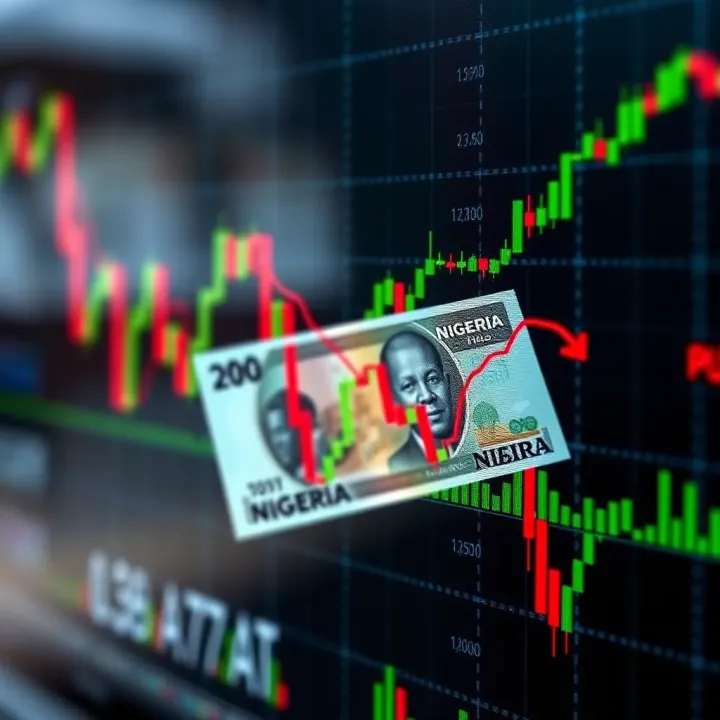
📈 Learn how forex trading works in Nigeria with practical tips on currency pairs, brokers, key players, and managing risks to grow your ₦ daily hustle smartly.
📘 Learn forex trading with easy-to-follow PDF tutorials designed for Nigerian traders. Master strategies, risk management & thrive in Nigeria's market today! ₦
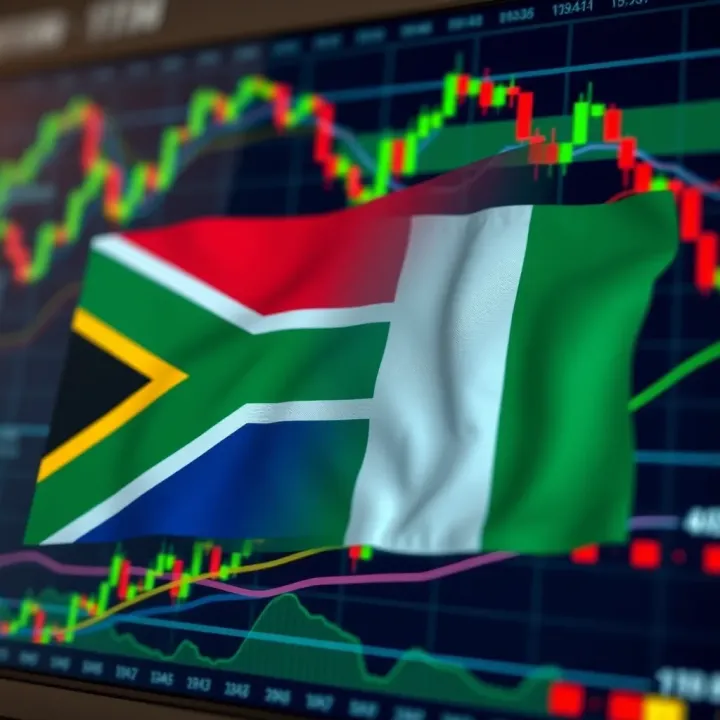
Explore how Nigerian traders can access South Africa's forex market 🇿🇦. Get insights on regulations, top brokers, trading tips, and managing risks effectively 💹📈.
Based on 11 reviews