
Understanding Forex Trading in Nigeria
Learn how forex trading works in Nigeria 🇳🇬, discover key players, risks, analysis methods, and how global events shape currency rates for better ₦ decisions.
Edited By
James Stewart
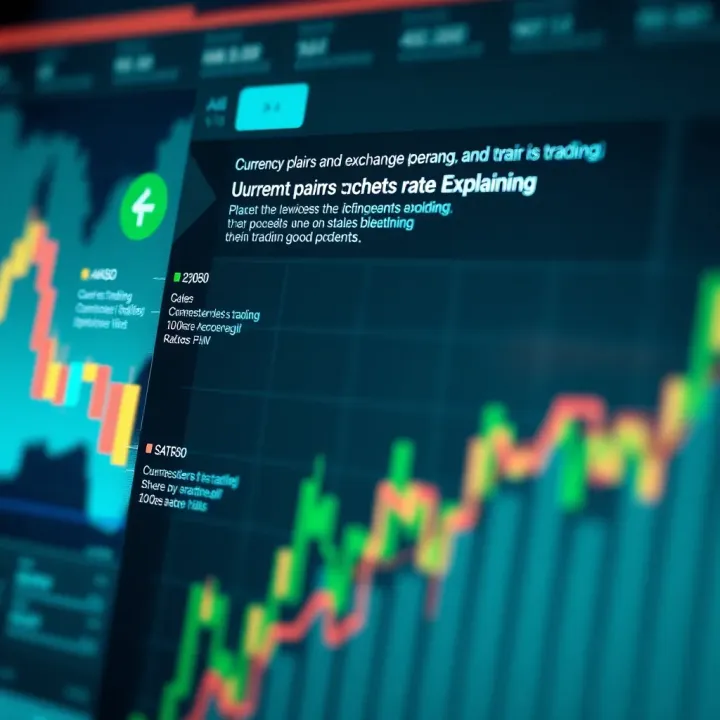
Forex trading charts serve as the backbone for anyone serious about currency trading. They turn raw price data into visual snapshots that reveal how currency pairs like USD/NGN or EUR/USD move over time. For Nigerian traders dealing with volatile naira exchange rates, mastering these charts can be the difference between smart trades and costly mistakes.
Charts come in different types, each with its unique way of showing price action. The three main charts you'll encounter are:
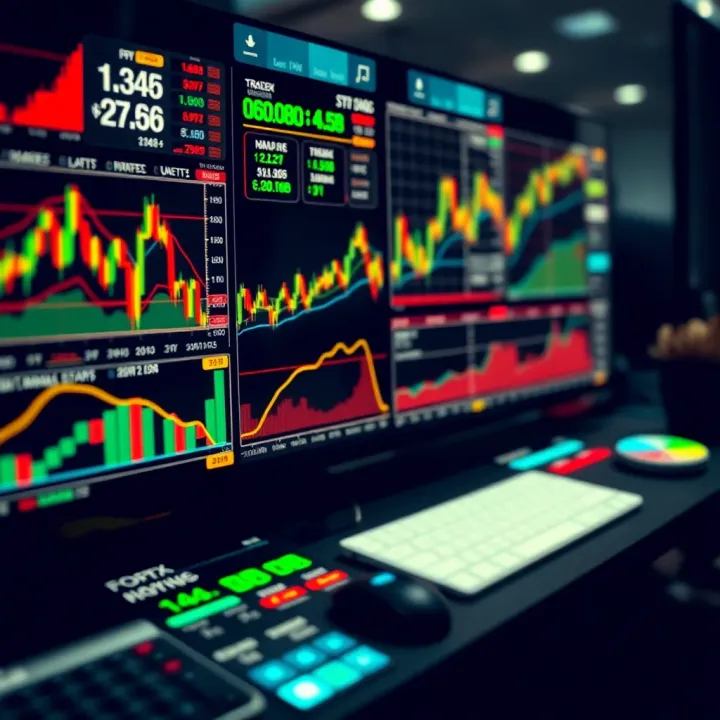
Line charts: Simple, connecting closing prices over a set period. They’re great for spotting general trends but lack detail.
Bar charts: Show opening, closing, high, and low prices, helping traders understand market volatility more clearly.
Candlestick charts: Highly popular among forex traders, these provide the same details as bar charts but with colour-coded 'candles' that illustrate price direction and momentum vividly.
Understanding these charts requires more than just glancing; it’s about interpreting what these patterns mean. For example, a long wick in a candlestick might suggest price rejection at a certain level, signalling potential reversals.
Charts are your window into the market's mood—ignoring them is like driving blind in Lagos traffic.
For Nigerian traders, combining charts with indicators like Moving Averages or the Relative Strength Index (RSI) provides better signals for entry and exit points. These tools filter noise and identify trends or overbought conditions, key to effective decision-making amid the naira's frequent swings.
To boost your chart-reading skills:
Start with daily charts to get the bigger market picture.
Use multiple timeframes—like hourly and weekly—to confirm trends.
Pay attention to support and resistance levels where price often stalls or reverses.
In sum, forex trading charts give you crucial insights that numbers alone cannot provide. Nigerian traders can leverage these visuals to time their trades better and manage risks in a market influenced by local economic shifts and global dynamics.
Forex trading charts come in different forms, each offering distinct views of currency price movements. Understanding these chart types is vital for traders seeking to make informed decisions. They highlight price trends and volatility in different ways, providing traders with various tools to assess the market.
Line charts plot a series of closing prices over time, connecting them with a line. This simplicity makes them excellent for spotting basic trend direction. For example, if a trader watches the USD/NGN exchange rate over the last two weeks, a line chart quickly reveals if the naira is strengthening or weakening against the dollar without overwhelming details. However, line charts don't show intra-day price fluctuations or the range within a trading period, limiting their usefulness for detailed analysis.
Bar charts, often called OHLC charts, display open, high, low, and close prices for each time segment. This provides a more complete picture of market activity. Nigerian traders can benefit from bar charts when examining volatile pairs like GBP/USD, where price swings within an hour or day matter. The vertical bar shows the high and low prices, while horizontal ticks mark the open and close. Traders use bar charts to understand price range and momentum, gaining insights on market strength that line charts cannot offer.
Candlestick charts combine the advantages of line and bar charts, showing the open, high, low, and close prices in a visually accessible way. Each “candlestick” is coloured to indicate price movement direction — usually green (or white) for gains and red (or black) for losses. Candlesticks allow traders to identify patterns such as doji, hammer, or engulfing, which often signal trend reversals or continuation.
For Nigerian forex traders, candlestick charts are widely preferred due to their clear visual cues, making reading price action more intuitive. For instance, spotting a hammer candlestick after a sharp decline might hint at a potential reversal — a cue to consider entry points. Combining these patterns with local economic data or CBN policy announcements enhances decision making.
Each chart type serves different trading needs. Novices might start with line charts for big-picture trends, while more experienced traders rely on bar or candlestick charts for detailed market analysis.
Whether you’re day-trading naira pairs or holding positions for several days, selecting the appropriate chart type can improve your trading accuracy and help avoid costly mistakes.
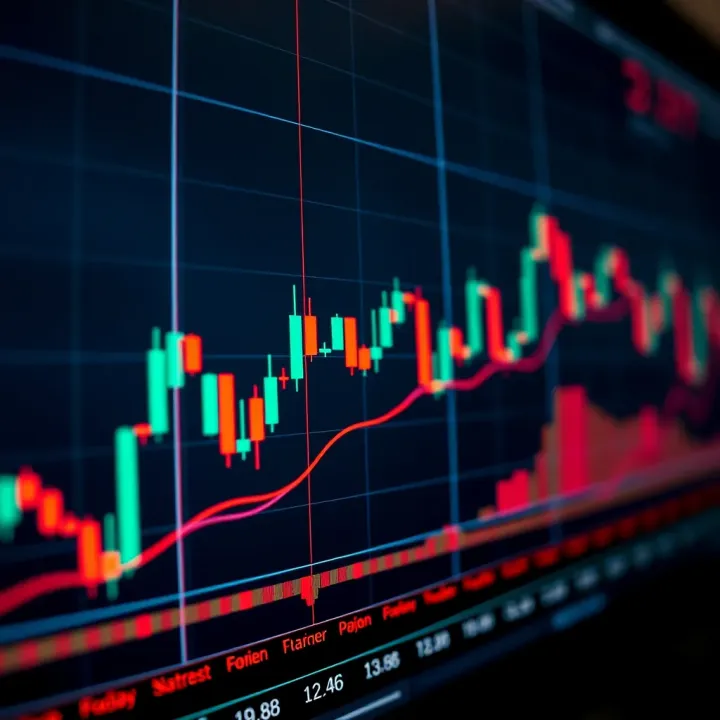
Understanding the key elements of forex trading charts is essential for navigating the currency market effectively. These elements provide the framework traders use to interpret price action and make informed decisions. Without a clear grasp of these basics, traders may misread signals or overlook vital information.
The price axis, usually vertical on the right side of the chart, shows the currency pair's trading prices. It helps traders see how much the price has moved over a certain period. Meanwhile, the time axis runs horizontally at the bottom and displays the time intervals, whether minutes, hours, days, or weeks. For example, a forex trader analysing the USD/NGN pair might use a daily time frame to understand monthly trends or switch to an hourly frame to catch immediate market moves during volatile sessions. Both axes work together to pinpoint when and at what price specific movements occurred, making it easier to plan entry or exit points.
Support and resistance levels act like invisible handrails guiding price movements. Support is a price level where buying interest is strong enough to prevent the price from falling further. Conversely, resistance is where selling pressure stops the price from rising. For instance, the naira might repeatedly find support at ₦410 against the dollar, bouncing back every time it hits this point. Traders watch these levels to predict reversals or breakouts. When the price approaches a resistance level, a break above might signal a bullish momentum, while a failure to breach it might indicate a sell-off. Recognising these levels helps Nigerian traders avoid costly mistakes, like buying too high or selling too low around known barriers.
Volume indicators show how much trading activity occurs during each time period, reflecting the strength behind price moves. Higher volume often confirms the validity of trends or breakouts. Take, for example, a sudden spike in volume when the Central Bank of Nigeria announces a new monetary policy; this surge underlines strong market interest and can validate the direction seen on the price chart. On the other hand, low volume might mean weak conviction, implying a possible false signal. For Nigerian traders especially, volume helps filter noise from real market action, aiding better timing and risk management.
Clear knowledge of these chart elements empowers traders to read forex charts like a map, enabling sharper analysis and more confident trades, which ultimately improves success rates in the competitive Nigerian forex market.
By mastering price and time axes, support and resistance zones, and interpreting volume indicators correctly, traders can grasp the bigger picture without getting lost in market noise or guesswork.
Traders rely heavily on technical indicators to make sense of forex charts and spot trading opportunities. These tools aim to distil market noise into clearer signals, helping you gauge trend directions, momentum shifts, and volatility swings. Among the many indicators, moving averages, the Relative Strength Index (RSI), and Bollinger Bands stand out for their practical use and accessibility.
Moving averages smooth out price data by averaging values over a set period. They provide a clearer picture of the general direction of a currency pair, cutting through short-term fluctuations. For example, the 50-day moving average offers insight into mid-term trends, while the 200-day is popular for identifying long-term momentum.
Traders often watch the crossing of shorter moving averages over longer ones — when a 50-day crosses above the 200-day, it signals a strong uptrend, known as a "golden cross". On the other hand, a downward crossover marks a potential downtrend, or "death cross". This method helps Nigerian forex traders decide when to enter or exit positions, avoiding noise typical in volatile markets like the NGN/USD pair during economic shifts.
RSI measures the speed and change of price movements on a scale from 0 to 100, indicating overbought or oversold conditions. Typically, above 70 signals that a currency might be overbought and due for a price correction, while below 30 suggests oversold conditions with possible upward reversals.
This is particularly useful during news-driven volatility, like announcements from the Central Bank of Nigeria (CBN) on interest rate changes. For instance, if the USD/NGN pair’s RSI hits above 70 repeatedly before a dip, a trader may decide to protect profits or avoid new long trades until momentum cools.
Bollinger Bands consist of a simple moving average surrounded by two bands set at standard deviations away, visually representing volatility. When bands widen, it signals high volatility; narrowing bands point to calmer markets.
Use Bollinger Bands to anticipate breakout opportunities. For Nigerian traders, currency pairs like EUR/USD often exhibit volatility ahead of major European economic reports, reflected in expanding bands. A price breaking above the upper band can suggest a strong bullish move, while touching the lower band may warn of bearish pressure. This helps you decide whether to hold back or jump into the trade.
Mastering these indicators can make forex charts less overwhelming and more actionable. Combine them wisely to confirm trends, momentum, and volatility before placing trades.
In practice, don’t rely on a single indicator alone; rather, integrate multiple signals with your trading plan and local market knowledge for steadier results, especially in Nigeria’s forex scene which is influenced by unique economic and political factors.
Making sense of forex charts is what separates savvy traders from those merely guessing. Chart analysis helps you spot market conditions that favour profitable trades, reduce risks, and time your entries and exits better. Nigerian traders, especially, face unpredictable factors like naira volatility or economic announcements that can send prices swinging. Knowing how to read charts turns that unpredictability into opportunities.
The backbone of chart analysis is recognising trends. A trend shows the general direction prices are moving over time—up, down, or sideways. For example, if the EUR/USD pair steadily climbs over days or weeks, you’re likely seeing an uptrend. Jumping in early on an established trend can boost gains. But be wary of trend reversals, which signal a shift in market sentiment.
You can identify a reversal through price action changes like a break below a support level in an uptrend. Imagine the USD/NGN pair holding steady around ₦460 but then dipping below ₦455 suddenly; this hints sellers may be gaining ground. Spotting these moments allows you to adjust your strategy—whether to lock in profits or avoid losses.
Chart patterns act like signposts in a complicated market jungle. Patterns such as the ‘head and shoulders’ indicate potential reversal zones. For instance, after months of steadily rising GBP/USD, a head and shoulders pattern might form, warning the bullish run could soon end. Similarly, double tops and double bottoms mark areas where price tried but failed to push higher or lower twice, signalling a likely change.
Using these patterns wisely means you’re not just hoping for the best but following clues price itself provides. Nigerian traders should watch carefully during major economic events like CBN policy days, where these patterns often gain real momentum.
Relying on one indicator alone is risky; markets can mislead. Combining several indicators offers confirmation and improves decision accuracy. For example, if you spot a bullish chart pattern, you might check the Relative Strength Index (RSI) to see if the asset is oversold, signalling a potential upward move. Moving averages can confirm the trend’s strength.
Here’s a practical case: Suppose USD/JPY shows a double bottom pattern, RSI is below 30 (oversold), and the 50-day moving average is trending upwards. Together, these signals present a strong case to buy.
Smart chart analysis combines price patterns and indicators to give Nigerian traders an edge, especially amid volatile local and global economic shifts.
Analysing forex charts well means you’re not just watching prices but understanding the story they tell. This knowledge turns raw data into clear trading signals, improves confidence, and helps you trade with discipline rather than guesswork.
Using forex charts effectively can make the difference between a savvy trader and one who struggles to keep up with the market. Nigerian forex traders face unique challenges like naira volatility and local economic factors, so practical tips tailored to these realities can greatly improve trading results.
Selecting the appropriate chart time frame depends largely on your trading style and goals. For instance, a scalper focused on quick gains might use 1-minute or 5-minute charts to catch small price moves within minutes. Meanwhile, a swing trader seeking to hold positions for days could rely on 4-hour or daily charts to identify broader trends. Nigerian traders should consider their lifestyle and market hours—Lagos's peak hours, for example, may offer better liquidity and price action on certain time frames. Using multiple time frames can also help; a daily chart might show the general trend, while a 15-minute chart pinpoints entry points.
Nigerian traders often struggle with overtrading by reacting to every minor price move. This is usually caused by misreading charts or lacking a clear plan. Avoid cluttering charts with too many indicators, which can send conflicting signals. It helps to stick to two or three trusted tools like moving averages and RSI for clearer decisions. Another typical mistake is ignoring market context—trading against strong trends or during illiquid hours can lead to losses. Remember to confirm signals across different indicators and time frames before jumping into a trade.
Forex charts gain extra meaning when combined with knowledge of local market events. Nigerian traders must pay attention to the Central Bank of Nigeria's (CBN) policies such as interest rate adjustments or forex interventions since these cause sharp market moves. Public holidays, budget presentations, and fuel subsidy announcements often trigger volatility, providing both opportunities and risks. Economic reports like inflation rates or crude oil prices—Nigeria’s main export—also influence currency movements. Integrating these events with chart analysis helps traders anticipate shifts rather than just react, improving timing.
Integrating solid chart skills with awareness of Nigeria’s economic landscape is essential. It grounds your trading in real-world dynamics rather than pure guesswork.
Trading forex in Nigeria requires adapting chart techniques to the local context. By choosing suitable time frames, avoiding common pitfalls, and factoring in key domestic events, you stand a better chance at smart, profitable currency trading.
Learn how forex trading works in Nigeria 🇳🇬, discover key players, risks, analysis methods, and how global events shape currency rates for better ₦ decisions.

🤖 Explore how robot forex trading automates currency deals, cuts human errors, and keeps your trading active 24/7. Learn key tips for Nigerians diving into forex markets.
📊 Discover how margin lets Nigerian forex traders control bigger trades with smaller funds. Learn to manage risks and boost profits using margin effectively in ₦ forex markets.
📈 Learn how forex trading works, from currency pairs to leverage, plus risks and benefits. Get ready to navigate this global market well and smartly in ₦naira terms.
Based on 11 reviews