
Understanding Forex Trading in Nigeria
Learn how forex trading works in Nigeria 🇳🇬, discover key players, risks, analysis methods, and how global events shape currency rates for better ₦ decisions.
Edited By
Charlotte Davies
Forex trading in Nigeria is no longer just the business of a few on the Lagos Island or Abuja banks. Today, it spreads wide among retail investors, aspiring traders, and even students looking at ways to earn from their laptops. But before you start buying and selling currencies, understanding the different types of forex trading is vital. It shapes your strategy and risk appetite in this fast-moving market.
At its core, forex trading involves exchanging one currency for another, often with the hope of making a profit from fluctuations in exchange rates. However, the way traders approach the market varies significantly. For example, a spot trader buys or sells currencies at current prices with immediate settlement. This contrasts with futures trading, where contracts specify buying or selling a currency at a set price on a future date—helping some hedge against volatility but adding complexity.
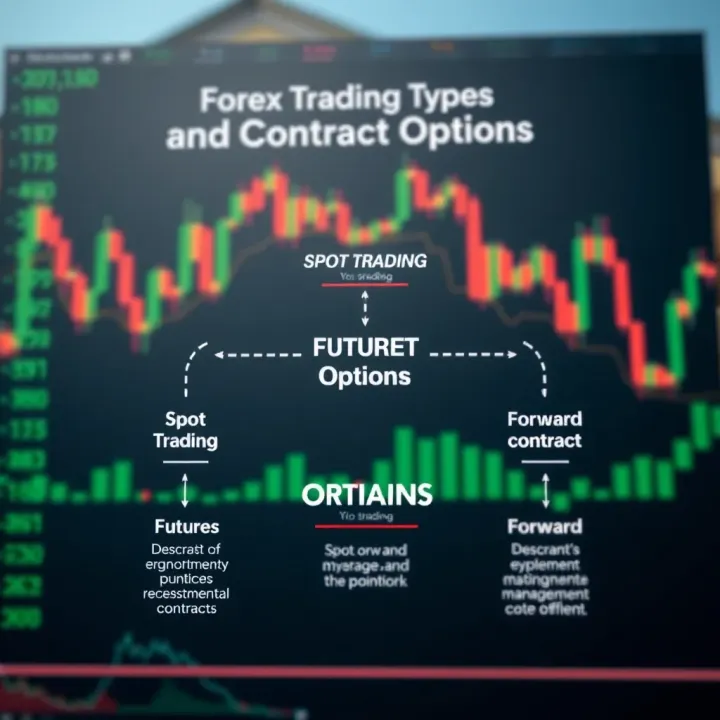
Below are key forex trading types and styles to know:
Spot Trading: The simplest and most direct form, where currencies exchange hands instantly. It suits traders who want to capitalise on short-term market moves without waiting for contract maturity.
Forward Contracts: These let you lock exchange rates for a future date to manage risks, especially useful for businesses involved in international trade.
Futures Trading: Standardised contracts traded on exchanges, good for speculators who want transparency and the ability to exit trades quickly.
Options Trading: Gives the right, but not the obligation, to exchange currencies at a certain price before expiry, offering flexibility for complex strategies.
Alongside these trading types, styles such as day trading, swing trading, and scalping differ by how long positions are held and how quickly decisions are made. For instance, day traders in Lagos might make dozens of trades daily, hoping to profit from small price gaps, while swing traders hold positions for days or weeks, tracking broader market trends.
Knowing the differences between these methods helps Nigerian forex traders select what fits their skills, capital, and market outlook. It can be the difference between steady gains and costly losses.
Understanding these foundations provides a strong base to build your forex trading journey in Nigeria, where market access is improving through platforms like MTN Mobile Money, OPay, and local brokers offering USD/NGN pairs.
Next, we'll explore each type in detail, showing how they work and what you should watch out for.
Core methods of forex trading form the foundation every trader needs to understand before diving into the market. These methods describe how currencies are exchanged and the contracts involved. Knowing these basics helps traders pick strategies that fit their goals and risk tolerance, particularly in the Nigerian context where currency fluctuations can be sharp.
Definition and process: Spot forex trading involves buying and selling currency pairs for immediate delivery, typically settled within two business days. When you trade spot forex, you exchange one currency for another at the current market rate — known as the spot rate. For example, a Nigerian trader using a platform like ForexTime might buy USD/NGN at today's rate anticipating the naira to weaken.
Advantages and challenges: The spot market is straightforward, with high liquidity allowing quick entry and exit. However, this market moves fast and can be volatile, making it riskier for those who can't monitor trades closely. There’s no fixed contract length, so traders need to watch for sudden changes, especially when CBN policies cause abrupt naira shifts.
Relevance for Nigerian traders: Given Nigeria’s frequent naira volatility and changing forex policies, spot trading offers direct exposure to real-time price changes. It suits traders who want flexibility and can act quickly. Still, the risk is real if one lacks proper knowledge or tools, since currency swings can wipe out capital swiftly.
How forwards work: Forward contracts lock in an exchange rate today for a currency trade set to occur in the future, such as 30 or 90 days ahead. This means businesses or traders agree to exchange currencies at a fixed rate on a set date. For instance, a Nigerian importer can fix the USD/NGN rate to avoid surprises when paying suppliers months later.
Use cases in hedging currency risk: Forwards serve well for hedging, protecting against adverse currency moves. A manufacturing company importing raw materials from the US can use forwards to avoid paying more naira if the dollar strengthens unexpectedly.
Contract terms and settlement: Terms are customised between parties, covering amount, rate, and settlement date. Settlement usually involves delivering the agreed currency amount on the due date. Since these contracts are OTC (over the counter), they offer flexibility but rely on counterparties’ credibility.
Standardised contracts on exchanges: Unlike forwards, futures are standardised contracts traded on regulated exchanges with fixed sizes and settlement dates. For example, the Chicago Mercantile Exchange offers forex futures contracts rather than customised forward deals.
Comparison with forwards: Futures provide more transparency and lower counterparty risk due to exchange clearinghouses. However, they’re less flexible regarding amount and timing, which may not suit all business needs.
Accessibility to retail traders: Nigerian retail traders may access futures through brokers offering global platforms. Still, high margins, contract sizes, and regulatory requirements may limit participation compared to spot or forwards.
Basics of call and put options: Forex options give traders the right, but not obligation, to buy (call) or sell (put) a currency pair at a predetermined price within a set period. It’s like buying insurance against adverse price moves while keeping upside potential.
Risk management through options: Options help manage risk by limiting potential losses to the premium paid. For Nigerian traders unsure about naira direction, options provide a controlled way to speculate or hedge, though premium costs come with these benefits.
Cost factors and potential returns: Option premiums depend on volatility, time to expiry, and strike price relative to current rates. While costs can be higher than spot trading, returns can be significant if the market moves favourably, making options attractive for those with deeper understanding.
Understanding these core forex methods equips Nigerian traders and investors to choose strategies that align with their risk appetite and market outlook. Each type carries unique features crucial for effective trade planning and risk control.
Different forex trading styles suit different personalities, goals, and resources. Understanding popular styles helps traders choose what fits them best so they can improve success chances in forex markets. Popular approaches like day trading, swing trading, and scalping each operate on distinct time frames and risk levels. Nigerian traders benefit by matching their trading time, capital, and risk appetite with these styles.
Trading within one day involves opening and closing all positions before the market closes or the trading day ends. This method avoids overnight risk due to unexpected market swings. Practically, day traders focus on capturing short-term price movements during active trading sessions, such as the London or New York forex sessions, which align reasonably with Nigerian trading hours.
Technical analysis tools commonly used by day traders include candlestick charts, moving averages, Relative Strength Index (RSI), and Bollinger Bands. These tools help spot entry and exit points in quick trades. For example, monitoring RSI can warn of overbought or oversold currency pairs before a price reversal. Effective use of these tools requires timely data and discipline.
Challenges like volatility and stress stand out with day trading. Forex markets can be highly volatile, especially around news releases involving US dollar or naira economic data. This volatility offers profit opportunities but demands rapid decision-making under pressure. Traders often face emotional strain due to frequent trades and possible losses, so maintaining a calm mindset and strict risk management is critical.
Holding positions for days to weeks defines swing trading. Traders aim to capitalise on medium-term trends or price swings. This style suits Nigerians who can’t monitor the market constantly but still want active engagement beyond long-term investing.
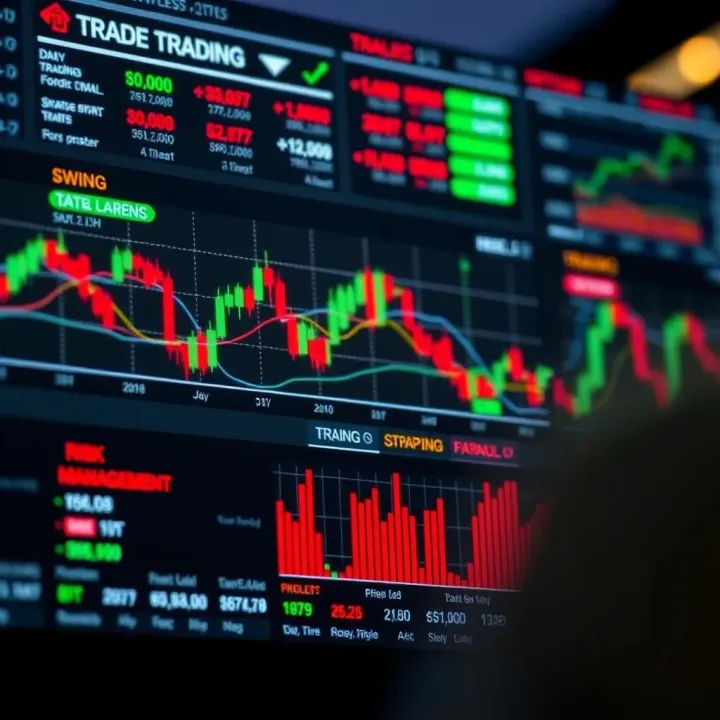
Identifying market trends and reversals is vital in swing trading. Traders look for chart patterns, trendlines, or fundamental signals to predict when a currency pair’s direction might shift. For instance, recognising a head-and-shoulders pattern may prompt a trader to exit a bullish position before a correction. This method combines technical and sometimes fundamental analysis.
Risk considerations for Nigerian market conditions include naira’s tendency for sudden devaluations influenced by external shocks, oil price fluctuations, or CBN policies. Swing traders must keep an eye on such events to adjust stop-loss orders and position sizes. Nigerian traders often have to account for restricted trading hours and occasional platform downtime due to internet challenges.
Quick trades for small gains are the hallmark of scalping. Traders open many positions for mere minutes or seconds, aiming to accumulate small profits repeatedly. Given Nigeria’s market hours and internet infrastructure, scalping requires steady connectivity and sharp focus.
Requirements for speed and technology mean scalpers depend heavily on fast, reliable trading platforms, low latency internet, and direct market access. Delays can wipe out tiny profit margins. Nigerian traders will often prefer brokers with local servers or offices, ensuring smooth execution.
Suitability for beginners and experienced traders varies with scalping. It is demanding and needs experience to interpret price fluctuations and act swiftly. Beginners might struggle with the pressure and speed, while experienced traders use scalping to add short-term gains to a broader strategy.
Popular forex trading styles cater to different lifestyles and goals. Whether you have minutes or weeks to trade, understanding these approaches helps you pick the style that suits your Nigerian trading environment and personal preferences.
Choosing the right forex trading type depends heavily on several practical factors. Every trader must consider their unique circumstances because what works for one might not be suitable for another. Understanding these factors ensures better alignment between trading strategies and personal goals, improving chances of success.
Your risk appetite determines what type of trading fits you best. If you're comfortable with high risk and can tolerate frequent losses, styles like day trading or scalping might suit you. For those who prefer steadier, less intense trading, swing trading or long-term position trading could be the better option.
Capital plays a crucial role here too. Some trading types require larger funds to open meaningful positions or to meet margin requirements. For example, futures contracts often demand more capital compared to spot forex trading. Starting with reasonable capital protects you from overleveraging and potentially wiping out your funds too quickly.
In Nigeria, the naira’s volatility adds another layer of risk. Traders must factor in occasional sharp currency swings and inflation effects that can impact leverage outcomes. Large leverage during naira depreciation could multiply losses fast, so it’s wise to adjust trade sizes accordingly.
Trading types differ in time demands. Active trading styles such as day trading need constant monitoring throughout the trading session to catch small price movements. In contrast, passive styles like swing trading require less frequent checks, allowing traders to manage other responsibilities alongside.
For Nigerians balancing jobs, family, or studies, choosing a trading style that fits into their daily schedule is essential. One who works a typical 8 to 5 office job may find swing trading more practical, avoiding the stress of watching charts all day.
Time zones also influence trading decisions. Major forex sessions—London, New York, and Tokyo—overlap at different hours. Lagos time (WAT) means active traders often operate late into the night or early morning, which might not suit everyone. Understanding session timing helps traders pick periods when liquidity and volatility match their strategies.
In Nigeria, traders have access to well-known platforms such as MetaTrader 4 and 5, as well as local broker platforms like FXTM Nigeria and OANDA. Selecting a reliable platform with good Nigerian server connectivity reduces latency and trade delays.
Real-time data and fast execution speed are critical, especially for strategies involving quick entry and exit like scalping. Slow platforms increase the risk of slippage, reducing profitability. Hence, traders must prioritise brokers with proven technology that handles market moves instantly.
Advanced trading tools — including automated bots, technical indicators, and risk management features — often come with subscription costs. While beginners can start with basic functions, serious traders should weigh the cost against potential gains. Some Nigerian traders find qualitative tools affordable through monthly plans rather than outright purchases, making it easier to scale as they grow.
Selecting your forex trading type goes far beyond personal preference; it involves assessing risk, time, and tools to fit your financial and lifestyle realities. Matching these factors properly can safeguard your capital and enhance your trading experience.
Trading forex comes with risks that every trader must understand and manage well. Without careful precautions, the impact of sudden price changes or misusing leverage can quickly wipe out capital. Being aware of common pitfalls, how the market fluctuates, and regulatory rules can shield traders from heavy losses and frustration.
Forex market volatility refers to how much currency prices move over a period. Several factors drive this volatility, including geopolitical events, economic data releases like inflation or GDP figures, and central bank policy decisions. For example, when the Central Bank of Nigeria (CBN) adjusts interest rates, it often jolts the naira's value sharply, affecting forex prices.
Managing unexpected price swings means employing strategies like setting stop-loss orders to automatically limit losses when prices move unfavourably. Traders must also keep position sizes reasonable so one bad move doesn’t drain their entire account. Having exposure too large in a volatile market is a common trap that catches many beginners.
Nigerian economic events offer clear lessons in volatility’s effects. In recent years, the naira experienced sudden drops caused by restrictions on foreign exchange access and changes in oil prices. These swings stressed many traders who weren’t prepared with risk management tools. Traders learned quickly that keeping some funds in safer assets or diversifying portfolios helped weather such storms.
Leverage lets traders control large positions with relatively small capital, magnifying both gains and losses. For instance, using 50:1 leverage means that ₦1,000 controls ₦50,000 in the market. While this can boost profits, a small adverse price move quickly translates to significant losses, sometimes bigger than the initial deposit.
A margin call happens when losses reduce the trader’s account equity below the broker’s required minimum. Then, positions may be liquidated by the broker to cover the losses. This can lead to unexpected closure of trades, leaving traders with less capital than expected.
In Nigeria, regulators like the Securities and Exchange Commission (SEC) set guidelines to protect investors from excessive leverage. Many brokers operating in the country limit maximum leverage to safer levels, often around 20:1 or lower. Traders must ensure they understand their broker’s terms, as local rules aim to curb risky behaviour that led to past market collapses.
Many traders fall into the trap of overtrading by opening too many positions without proper analysis, often driven by emotion rather than strategy. This behaviour increases transaction costs and the risk of mistakes, especially during volatile periods.
Having a clear trading plan is essential. Such a plan outlines entry and exit points, risk limits, and capital allocation. It helps traders stay disciplined and prevents decisions based on fear or greed, which often lead to losses.
For beginners, using demo accounts on platforms like MetaTrader or local brokers gives invaluable practice without risking real money. Continuous learning through webinars, financial news from Nigerian sources, and studying past trades sharpens skills and builds confidence. This preparedness reduces the chances of costly errors when transitioning to live trading.
Successful forex trading isn’t about chasing every opportunity; it’s about managing risks effectively and sticking to sound strategies specific to your goals and market conditions.
By understanding market volatility, respecting leverage limits, and avoiding common errors, Nigerian traders can protect their capital and improve their chances of consistent returns.
Choosing the right forex trading type is essential because it directly shapes your trading experience, risk exposure, and potential profits. In Nigeria, where market factors like naira volatility and trading platform access vary, understanding which method aligns with your goals and circumstances helps avoid costly mistakes. By picking a style suited to your energy, capital, and time, you improve chances of sustainable success.
Deciding whether you want quick returns or steady, long-term growth impacts your trading approach. If you need faster cash flow, day trading or scalping might suit you, since these involve opening and closing positions within hours or minutes. However, these methods demand higher time commitment and can be very stressful.
Conversely, swing trading or spot trading lean towards longer-term positions, allowing Nigerian traders to take advantage of broader market moves without the pressure of watching charts all day. For instance, juggling a regular office job alongside forex trading might be easier with swing strategies.
Some trading types require more technical analysis and market study than others. Options trading, for example, involves understanding derivatives, strike prices, and expiry dates — complex concepts that need consistent learning. If you enjoy diving deep into charts, news, and economic indicators, more sophisticated approaches can be rewarding.
On the other hand, simpler methods like spot forex or basic swing trading fit traders who prefer straightforward buy-sell decisions without too many moving parts. Knowing your patience for research and analysis helps you avoid frustration later.
Forex trading demands some capital, but the amount varies by strategy. Day trading often needs more funds to handle margin requirements and withstand losses during volatile market swings. In Nigeria, where the naira's value shifts and power costs affect incomes, starting with too much can expose you to unnecessary risks.
Starting small with low leverage and gradually building capital fits many Nigerian traders better. Assess your disposable income – money you can afford to lose – not your savings for essentials. Financial discipline here is critical.
Demo accounts offer virtual money to practise trades in real market conditions without risking your naira. This hands-on experience lets you test strategies, understand how platforms work (like MT4 or MT5), and adjust to markets before risking cash.
For Nigerians new to forex, this is especially useful considering the fast-changing global currency rates and local infrastructural challenges like internet reliability.
Jumping straight into live trading with large sums often leads to losses hurtful to beginners. Starting live trades with small positions helps build confidence and adapt to the emotional side of real-money trading.
Many Nigerian brokers support scaling up over time, encouraging traders to develop discipline and risk management skills rather than rushing into high stakes.
Ensure your broker holds licences from Nigerian bodies like the Securities and Exchange Commission (SEC). This regulation protects traders against scams and malpractice.
Many top brokers operating in Nigeria comply with these rules. Picking regulated brokers also gives you access to local customer support and clearer recourse channels if disputes arise.
Staying updated with happenings affecting the naira and forex markets in Nigeria is vital. Nigerian financial newspapers, online portals, and TV channels provide relevant data on inflation, CBN policies, and major economic developments.
For example, knowing when the CBN adjusts interest rates helps anticipate currency movements.
Many local institutions and fintech firms organise free or paid forex workshops online. Participating in these events deepens your understanding and exposes you to fresh strategies or tools.
Engaging actively also connects you with other traders, offering support and insights unique to the Nigerian trading environment.
The CBN’s monetary policies affect exchange rates and forex liquidity in Nigeria. Traders who track CBN announcements gain early signals on market shifts, helping them position trades better.
Regularly revisiting official statements from the CBN website or trusted financial news platforms ensures you trade with relevant awareness rather than guesswork.
Choosing your forex trading type carefully, practising first, and consistently learning from trusted sources are the best steps towards profitable trading that fits your lifestyle and goals in Nigeria.
Learn how forex trading works in Nigeria 🇳🇬, discover key players, risks, analysis methods, and how global events shape currency rates for better ₦ decisions.
📊 Discover how margin lets Nigerian forex traders control bigger trades with smaller funds. Learn to manage risks and boost profits using margin effectively in ₦ forex markets.
📈 Learn how forex trading works, from currency pairs to leverage, plus risks and benefits. Get ready to navigate this global market well and smartly in ₦naira terms.
📈 Understand forex trading basics, how currency exchange rates move, factors affecting currencies, and risks Nigerian traders must watch to profit safely in forex market.
Based on 5 reviews