
How to Succeed in Forex Trading in Nigeria
📈 Learn how to win in forex trading with practical tips on market moves, risk control and strategy building. Discover tools Nigerian traders use daily to grow ₦ sustainably.
Edited By
Oliver Hayes
Trading forex and cryptocurrency attracts many Nigerians looking to grow their income or diversify investments. Both markets offer opportunities, but they operate very differently. Understanding key distinctions helps traders make smarter choices and manage risk better.
The forex market is the world’s largest financial market, with daily turnover exceeding US$6 trillion. It involves trading national currencies pairwise, like the US dollar (USD) against the Nigerian naira (NGN) or the euro (EUR). Forex trading in Nigeria often happens through licensed brokers offering platforms such as MetaTrader 4 or 5.
Cryptocurrency trading deals with digital assets like Bitcoin, Ethereum, and local tokens. The crypto market is much younger, volatile, and less regulated compared to forex. Nigerians access crypto via platforms such as Binance, Luno, or local exchanges like Bundle Nigeria.
Forex trading is often favoured by those who prefer established markets with strong liquidity, while crypto appeals to risk-tolerant traders seeking high profit potential.
Here are some clear differences between the two:
Market Hours: Forex runs 24 hours, five days a week, pausing over weekends. Crypto trades nonstop, including weekends and holidays.
Volatility: Cryptocurrency prices can swing wildly within minutes, driven by market sentiment, news, or regulation changes. Forex volatility tends to be lower but spikes during economic data releases or geopolitical events.
Regulation: Forex brokers in Nigeria must comply with regulatory standards from bodies like the Securities and Exchange Commission (SEC). Crypto platforms often operate in a grey area, although the Central Bank of Nigeria (CBN) has issued advisories against unofficial crypto dealings.
Accessibility: Starting forex trading usually requires a higher capital outlay and better understanding of macroeconomic factors. Crypto trading platforms allow buys from ₦500 or less, making them more accessible to many Nigerians.
Knowing these differences shapes your trading strategy, whether you're balancing risk or seeking quick gains. For instance, a novice trader might prefer forex for its stability and clearer regulatory environment. On the other hand, someone willing to tolerate sharp price movements may explore crypto’s profit opportunities.
Next, we'll break down these features further and explore how Nigerians can navigate each market effectively.
To navigate the world of trading effectively, Nigerians must understand the core differences and mechanics of forex and cryptocurrency markets. Knowing how each market functions helps traders make informed decisions, manage risks better, and harness appropriate tools suited to their financial goals. For example, a trader who understands forex’s liquidity and regulated nature may prefer its relative stability, while another attracted by rapid growth might lean toward crypto despite its wild price swings.
The forex market is a global network where currencies are bought and sold against each other. Trades happen mostly through banks, brokers, and financial institutions, creating a highly liquid environment. In Nigeria, forex trading often involves the naira paired with other major currencies like the US dollar or euro. For instance, a trader might speculate on the naira's strength against the dollar by buying or selling USD/NGN on approved trading platforms.
While global majors like EUR/USD dominate worldwide, Nigerians commonly trade currency pairs involving the naira, such as USD/NGN or GBP/NGN. These pairs reflect Nigeria’s trade relationships and remittance flows. Traders watch these closely because fluctuations directly impact imported goods costs, overseas tuition fees, and business expenses.
Forex operates across several overlapping sessions, including London, New York, and Tokyo. This system ensures high liquidity during business hours, allowing traders to enter or exit positions with ease. Nigerians usually find the London and New York sessions most relevant due to their proximity in time and volume. For example, liquidity dips at weekends — a critical factor to consider when planning trades to avoid unexpected gaps.
Cryptocurrencies are digital assets secured by cryptography and built on blockchain technology, which makes them decentralised and resistant to tampering. Unlike forex, cryptocurrencies do not rely on national governments or central banks. This independence attracts Nigerians seeking alternatives amid frequent naira volatility.
Bitcoin (BTC) remains the most popular cryptocurrency, alongside Ethereum (ETH), Binance Coin (BNB), and stablecoins like Tether (USDT) that peg their value to the US dollar. Many Nigerians use these coins for trading or to bypass currency control restrictions during business transactions. For instance, USDT offers a way to keep value stable amidst the naira’s fluctuations.
Cryptocurrency markets run 24/7 globally without centralised exchanges, meaning trading never pauses. Nigerians access crypto mainly through exchanges like Binance, Luno, and Quidax. These platforms offer features tailored to local users, such as naira deposits and withdrawals. The constant availability allows flexible trading, but it also demands traders remain vigilant for sudden market moves even outside conventional working hours.
Understanding how forex and cryptocurrency markets differ in operation, popular instruments, and timing provides the foundation for smarter trading choices in Nigeria's dynamic financial environment.
Understanding market differences is essential for Nigerian traders considering forex or cryptocurrency. Each market has unique setups influencing trading hours, access, risks, and regulatory obligations. Recognising these differences helps traders make informed choices, manage expectations, and tailor strategies to Nigerian realities.
The Central Bank of Nigeria (CBN) remains cautious about cryptocurrencies. In 2021, it directed banks to close accounts linked to cryptocurrency trading, citing concerns over fraud and instability. While forex trading enjoys established regulation through authorised dealers and brokers, crypto operates in a grey area. This regulatory uncertainty affects Nigerians seeking reliable access to cryptocurrency platforms.
Internationally, cryptocurrency regulation varies significantly. Countries like the US and UK have clearer frameworks requiring exchanges to comply with know-your-customer (KYC) and anti-money laundering (AML) standards. Others adopt a hands-off approach, allowing rapid innovation but less investor protection. Forex markets, on the other hand, are universally regulated by central banks or financial authorities, ensuring market integrity and transparency.
For Nigerians, this means forex trading is generally safer and more straightforward in compliance terms. Crypto enthusiasts must navigate unpredictable regulatory shifts, risking platform restrictions or sudden policy changes. As a result, traders should prioritise engaging with reputable brokers and exchanges that follow international best practices to minimise potential legal or financial pitfalls.
Forex operates through major global centres—Tokyo, London, New York—with overlapping sessions creating peak liquidity periods. For instance, Nigerian traders find the London session (8 am–4 pm WAT) most active, matching local daytime hours. This segmentation allows strategic trading but limits access to specific hours aligned with global market times.
Unlike forex, cryptocurrency markets never close. Trading runs non-stop, adapting to global time zones without breaks. This continuous operation means Nigerians can react instantly to market news, even late at night or on public holidays, offering unparalleled flexibility.
The fixed forex hours require planning around specific sessions to optimise liquidity and price movements. Traders might focus on news releases tied to these periods for best effect. Crypto’s round-the-clock availability demands constant monitoring or the use of automated tools to manage trades outside active hours. Nigerians can adopt hybrid approaches, trading forex during day hours and crypto in off-peak forex times to maximise opportunities.
Choosing between these markets depends largely on your lifestyle, risk appetite, and trading style. Understanding market structures helps avoid surprises that can affect profit and trading ease.
This clarity on regulation, market hours, and accessibility arms Nigerian traders with the practical insight necessary to navigate forex and cryptocurrency trading landscapes effectively.
Understanding the risks and volatility in forex and cryptocurrency trading is essential for anyone serious about investing their ₦ wisely. Both markets offer opportunities, but they come with different challenges you need to manage carefully to protect your capital. Nigerian traders often face unique conditions, such as exchange rate unpredictability and regulatory uncertainties, which add layers to these risks.
Forex markets generally experience moderate price swings compared to crypto. Typical daily price changes in popular forex pairs like USD/NGN or EUR/USD may range between 0.5% and 1.5%, depending on economic events or market sentiment. For Nigerian traders, this means forex provides relatively stable price movements suitable for predictable strategies like swing trading or day trading. However, even forex pairs can react sharply to announcements like Central Bank of Nigeria (CBN) policy changes or global economic shifts.
In stark contrast, cryptocurrency prices jump with far greater drama. Popular coins like Bitcoin (BTC) or Ethereum (ETH) can surge or drop by 10% or more within hours. This extreme volatility makes crypto trading attractive for those chasing quick gains but very risky without solid risk management. For example, the crypto market crash in May 2021 wiped out large portions of investors’ portfolios within days, a lesson familiar to many Nigerian traders who entered the market late.
Managing risk amid these fluctuations involves setting clear limits on losses and gains. Stop-loss orders, which automatically sell your holdings at a preset price, can help you avoid catastrophic losses in both markets. Diversifying your trading portfolio—spreading your ₦ across multiple currency pairs or cryptocurrencies—also reduces the impact of sudden drops in any single asset. Above all, avoid investing money you cannot afford to lose, especially in crypto where swings are extreme.
Fraud and scam risks appear in both forex and crypto but with different faces. Forex scams often involve fraudulent brokers promising unrealistic returns or rigging prices. Crypto scams, meanwhile, include fake Initial Coin Offerings (ICOs), phishing attacks, and fraudulent wallet services. Nigerian traders have seen cases where unregistered crypto platforms simply vanish with investors’ funds. Always verify broker or exchange licences with regulatory bodies like the Securities and Exchange Commission (SEC) Nigeria or confirm their reputation through community feedback.
Liquidity and slippage issues affect how easily you can buy or sell assets at your desired price. Forex markets, particularly major pairs, usually have high liquidity, meaning you can enter or exit positions quickly without significant price changes. In contrast, some lesser-known cryptocurrencies suffer low liquidity. Attempting to sell large amounts can cause slippage, where you get worse prices than expected. This is a concern when trading on smaller Nigerian crypto exchanges or less popular coins. Always check trading volumes before committing funds.
Technology and cybersecurity concerns also shape your trading experience. Forex platforms tend to be well-established and secure, but poor internet connectivity common in Nigeria can disrupt trades. Cryptocurrency trading depends heavily on digital wallets and personal security practices. Hacks and ransomware attacks remain real threats, particularly for traders storing coins in online wallets or using weak passwords. Securing your devices, using hardware wallets, and enabling two-factor authentication are simple but effective steps to reduce these risks.
Proper awareness of volatility and market-specific risks is non-negotiable for Nigerian traders. It helps prevent avoidable losses and improves your chances of consistent profitability in either forex or crypto trading.
When choosing between forex and cryptocurrency trading, understanding the costs involved and the potential returns is vital. The expenses affect your net profits directly, while the return profiles help set realistic expectations, especially for Nigerian traders managing limited capital or facing currency volatility. Comparing these factors allows you to adopt strategies that match your financial goals and risk appetite.
In forex trading, the primary cost is the spread—the difference between the buying and selling price of currency pairs. For example, if the EUR/USD pair has a spread of 1 pip, that translates to an immediate cost the moment you enter a trade. Some brokers may also charge additional commissions per trade, typically on more specialised accounts or instruments. Nigerian traders often find brokers offering competitive spreads, sometimes as low as 0.5 pips on major pairs like USD/NGN, but you must watch for hidden commissions.
The practical effect is that higher spreads or commissions can eat into your profits quickly, especially if you trade frequently or with small margins. Therefore, choosing a broker with transparent fees and lower spreads benefits you in the long run.
Cryptocurrency trading fees are usually charged as a percentage of the trade value on exchanges like Binance or Luno. These fees range from 0.1% to 0.5%, depending on the platform’s fee structure and your trading volume. Beyond trading fees, network or gas fees—paid to validate transactions on blockchain networks like Ethereum—can add significant costs, fluctuating widely with demand.
For instance, sending ₦50,000 worth of Ethereum during peak network congestion might cost ₦3,000 or more as gas fees, which is steep compared to forex transaction costs. These fees make frequent transfers or small trades less cost-effective, so Nigerian traders need to plan carefully, especially when moving coins across wallets or exchanges.
Overall, forex trading tends to have more predictable costs focused on spreads and commissions. In contrast, crypto trading fees vary with market activity and blockchain congestion. For a Nigerian trader working with modest capital, forex might offer lower and steadier transaction costs, while crypto fees can bite unexpectedly.
That said, crypto exchanges occasionally offer fee discounts for large-volume trades or native tokens, which savvy traders can leverage. Evaluating your trading frequency and transfer needs helps identify which setup suits your budget.
Forex markets are traditionally less volatile than cryptocurrencies, offering more consistent but generally modest returns. For example, a seasoned forex trader in Nigeria might expect 5–10% monthly gains by capitalising on currency fluctuations, leveraging economic reports, and following global events.
This steadiness suits traders who prefer gradual wealth building without the rollercoaster price swings that could wipe out gains quickly. However, forex profits require discipline, solid analysis, and patience.
Cryptocurrency markets are known for delivering remarkable profit opportunities, sometimes doubling or tripling investments within weeks. For instance, Nigerian investors who bought Bitcoin in early 2020 experienced significant gains by late 2021. Yet, these highs come with sharp drops that could turn profits into losses overnight.
Such unpredictability means crypto trading demands careful timing and risk management. Investors chasing quick returns in volatile coins may experience wild swings, making crypto more suitable for those who can stomach sudden losses.
For Nigerian retail traders, the choice boils down to balancing risk and reward within available resources. Forex trading offers a relatively stable platform for those building skills and capital slowly, especially given leverage options and lower transaction costs.
On the other hand, crypto trading can attract those seeking faster gains and willing to accept higher risks, but it requires close monitoring of market trends and regulatory changes. Also, given the Central Bank of Nigeria’s restrictions on crypto transactions, many traders operate through foreign exchanges, adding complexity.
When deciding between forex and crypto, consider your risk appetite, capital size, and access to reliable platforms. Start small, learn consistently, and don’t let impulsive moves drain your funds.
In short, costs and returns are two sides of the same coin. Wise Nigerian traders weigh these carefully before committing funds to either market.
Choosing between forex and cryptocurrency trading is a critical decision for Nigerian traders, given the unique features and challenges each market presents. This choice shapes your trading approach, risk management, and potential profits. Knowing what fits your needs can prevent costly mistakes and help you grow your capital steadily.
Your comfort with risk plays a huge role in deciding whether forex or crypto suits you better. Forex markets generally experience smaller, more predictable fluctuations compared to cryptocurrencies, which are known for wild price swings. For example, while the naira-dollar pair might move a few per cent in a day, Bitcoin’s price could gyrate by 10–20% within hours. If you prefer steady, less turbulent returns, forex might be more suitable. Conversely, if you can handle volatility and aim for high returns (accepting the possibility of steep losses), crypto trading could align with your goals.
Specifying your financial objectives is equally vital. Are you trading for long-term wealth growth, or short-term gains? Forex offers better opportunities for consistent, incremental profits, often favoured by day traders or those keen on technical analysis. Crypto can deliver big wins but typically requires a higher risk appetite and a tolerance for uncertainty.
For Nigerian traders, using trustworthy platforms is a must, whether forex or crypto. Forex brokers like FXTM, HotForex, or local banks’ platforms offer regulated services with clearer consumer protections. Crypto, however, is mostly traded on exchanges such as Binance, Luno, or Quidax, which have varying regulatory oversight. You must verify if the platform supports ₦ deposits and withdrawals smoothly.
Capital availability also steers your options. Forex allows leverage, so even with ₦50,000 you can open significant positions, though this magnifies risk. Crypto trading usually requires full capital upfront, and network fees can add to costs, especially during busy periods. Planning your available trading fund honestly helps avoid overexposure and prevents losses beyond your means.
Neither forex nor crypto trading is a walk in the park. Forex trades rely heavily on understanding macroeconomics, central bank policies, and geopolitical events affecting currency pairs like USD/NGN or EUR/USD. Nigerian traders must keep tabs on CBN announcements and global economic trends.
Crypto trading demands familiarity with blockchain principles, tokenomics, and security practices. Besides price charts, you’ll track developments in projects like Ethereum or Cardano and technology upgrades that influence valuations. Crypto markets also face unique hurdles like scams and volatile regulatory news, requiring constant vigilance.
Starting on a solid foundation means picking verified platforms. Look for brokers with valid licenses from recognised authorities, clear fee structures, and positive user reviews. For forex, ask if they provide NGN trading accounts and local payment methods, which make deposits and withdrawals painless.
For crypto, prioritize exchanges with robust security features—two-factor authentication, cold storage of funds, and transparent operations. Avoid platforms without clear ownership or questionable customer support, as these pose risks to your funds.
Practising without risking real money is invaluable. Most forex brokers offer demo accounts where you can trade fake funds in real market conditions. Utilize these to test strategies and understand market reactions.
Similarly, crypto platforms sometimes allow paper trading or simulators. Beyond that, enrol in tutorials or webinars to grasp trading fundamentals, chart reading, and risk management. Continuous learning reduces costly errors and boosts your confidence.
Remember, trading is not a get-rich-quick scheme. Especially in Nigeria, many fall prey to hype or promises of overnight riches. Set realistic goals and understand that losses are part of the process.
Avoid chasing losses, over-leveraging, or blindly copying tips from unverified sources. Tracking your trades, reflecting on mistakes, and staying updated will improve your edge over time.
Whether you choose forex or crypto, proper preparation and disciplined execution make all the difference in safeguarding your ₦ and achieving steady growth.
📈 Learn how to win in forex trading with practical tips on market moves, risk control and strategy building. Discover tools Nigerian traders use daily to grow ₦ sustainably.
📈 Master chart forex trading in Nigeria with practical tips on chart types, key indicators, and trading strategies to handle market swings and boost profits effectively.
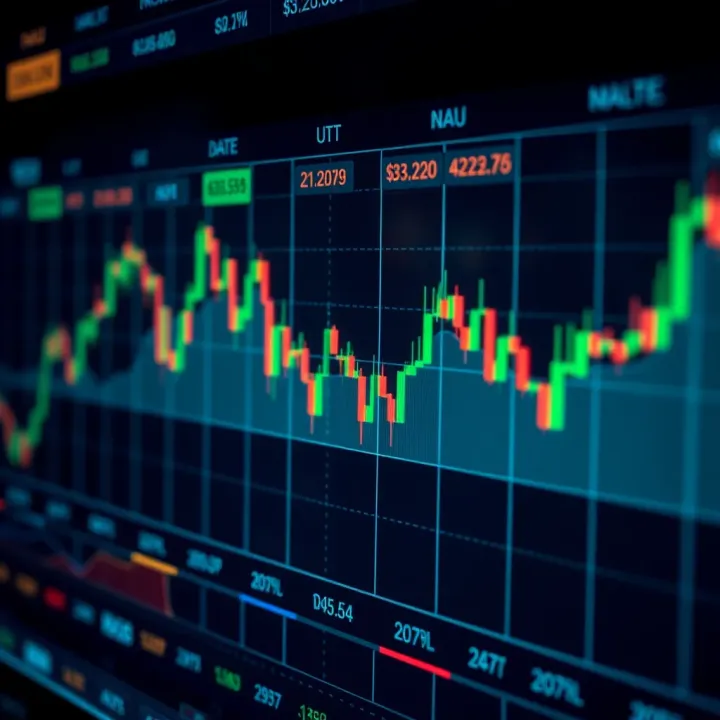
Learn how forex trading works in Nigeria 🇳🇬, discover key players, risks, analysis methods, and how global events shape currency rates for better ₦ decisions.
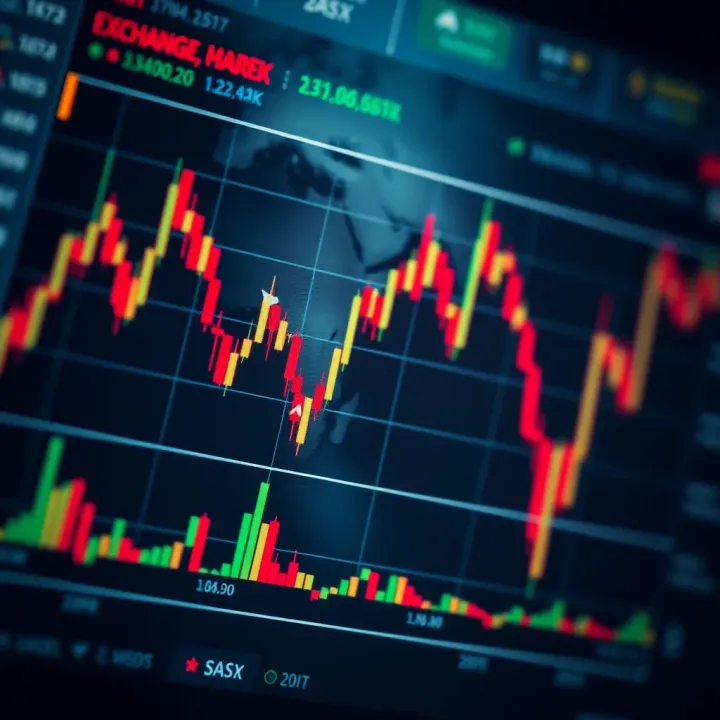
🌍 Learn forex trading essentials with practical tips for Nigerian traders: market basics, smart strategies, risk control, and local guidance to earn ₦ online safely. 💹
Based on 8 reviews