
How to Succeed in Forex Trading in Nigeria
📈 Learn how to win in forex trading with practical tips on market moves, risk control and strategy building. Discover tools Nigerian traders use daily to grow ₦ sustainably.
Edited By
Jack Morrison
Forex trading offers Nigerians a real chance to grow their money by buying and selling currencies. Unlike typical investments, forex markets operate 24 hours, giving traders flexibility to act at any time. However, success does not come by chance — it requires understanding the market basics, using the right tools, and managing risks carefully.
Many Nigerian traders get drawn to forex by the allure of quick profits, but without solid knowledge, it’s easy to lose money. This guide focuses on practical steps you can take to make informed decisions and increase your chances of earning consistent profit.
At its core, forex trading involves exchanging one currency for another, typically quoted in pairs like USD/NGN or EUR/USD. Prices change due to factors like interest rates, economic data, and geopolitical events. For Nigerian traders, awareness of how the naira responds to local policies, CBN interventions, and oil prices is crucial.
To trade forex effectively, choose a reliable broker regulated by relevant authorities such as the Securities and Exchange Commission (SEC) Nigeria. Secure a stable internet connection, preferably fibre optic or strong 4G, to avoid disruptions. Use trading platforms like MetaTrader 4 or 5, which allow technical analysis and quick order executions.
Risk management protects your capital and keeps losses manageable. Successful traders often risk only a small portion of their account on each trade, commonly 1-2%. Using stop-loss orders and not over-leveraging prevents large unforeseen losses, especially considering naira volatility.
Focus on preserving your trading capital before chasing big profits.
Start with a demo account to practise without risking real money.
Study economic calendars to anticipate market-moving events.
Keep a trading journal to track your wins, losses, and lessons.
Taking forex seriously means preparing well and staying disciplined, so you don’t fall victim to common pitfalls many Nigerian beginners face. This article will walk you step-by-step through concepts and strategies tailored to Nigeria’s unique financial environment.
Understanding what forex trading entails and recognising its opportunities is the backbone for anyone serious about making money in this field. For Nigerian traders, knowing the nuts and bolts can help avoid common mistakes and seize profitable chances amid the naira’s frequent volatility.
Forex trading is the buying and selling of currencies against one another in a global decentralised market. It allows traders to speculate on the rising or falling value of one currency against another. For example, a Nigerian trader might speculate on the US dollar (USD) versus the Nigerian naira (NGN) exchange rate to profit from its movements.
This market runs 24 hours a day during weekdays, making it accessible regardless of your location. The key point is that forex trading is not about owning actual cash but rather on contracts or agreements reflecting currency value changes.
Currencies in forex are quoted in pairs, such as EUR/USD or GBP/USD. The first currency in the pair is the base currency, while the second is the quote currency. The price shows how much of the quote currency you need to buy one unit of the base currency.
In practice, if EUR/USD is quoted at 1.15, it means ₦1.15 is needed to buy €1. Understanding these pairs helps traders guess which way the exchange rates might move to make profits.
Forex is the largest financial market globally, with an average daily turnover of over US$6 trillion. This huge liquidity means trades can be executed quickly without major price changes from a single transaction. For Nigerian traders, this liquidity translates into tighter spreads and better price execution, even for smaller trading accounts.
One big draw for Nigerian traders is that forex trading only requires internet access and a device. Platforms like MetaTrader 4 and proprietary apps offered by brokers can be easily accessed from Lagos to Kano. Unlike investments needing fixed assets or high capital, forex lets you start trading with as little as ₦20,000, which suits many who trade part-time alongside other work.
The naira’s fluctuating exchange rate pushes many Nigerians towards forex as a way to protect and grow their funds. Skilled trading can turn naira weakness to advantage, buying foreign currencies cheaply and selling when rates shift. That said, volatility also means risk, so discipline and risk management remain essential.
The forex market operates across Asia, Europe, and America, offering around-the-clock trading during weekdays. Nigerians can trade at any time, whether early morning or late at night, fitting around daily routines or side hustles. For instance, you could catch the London session’s volatility in the evening after work.
Knowing these basics boosts your confidence to enter the market with eyes wide open, giving you practical edges over uninformed traders. It’s the first important step in turning forex trading from guesswork into a potential earning avenue.
By grasping these fundamentals, Nigerian traders situate themselves better to handle the complexities and seize opportunities the forex market throws their way.
Before you start trading forex, taking some solid steps to set yourself up for success can save you from avoidable losses and frustrations. Preparing involves choosing the right broker, getting your account ready, and practising without risking real money. By covering these basics, you’ll build a strong foundation and avoid common pitfalls many beginners face.
Picking a trustworthy broker is a key decision. Look for brokers with clear fee structures, good customer support, and a trading platform that suits your style. For example, some brokers offer lower spreads but higher withdrawal fees, while others may provide fast execution but limited educational tools. Understanding these trade-offs helps you choose a broker that fits your needs.
Regulation also matters. The Securities and Exchange Commission (SEC) Nigeria works to protect investors by overseeing brokers operating within the country. Trading with a broker registered by SEC Nigeria reduces your risk of falling victim to scams or fraudulent schemes. Always verify a broker’s regulatory status before committing funds.
Among popular brokers accessible to Nigerian traders are IC Markets, HotForex, and FXTM. They support local payment methods and offer varying account types and leverage settings. Choosing a broker with proven experience in Nigerian markets can also help you navigate local challenges like naira fluctuations.
Forex brokers typically offer different account types—standard, mini, or micro accounts—each with varying minimum deposits. Some may require as little as ₦10,000 to start trading, making it accessible for many Nigerians. Understanding what each account offers helps you pick one aligned with your capital and risk appetite.
Funding options matter too. In Nigeria, popular methods include bank transfers, USSD payments, and e-wallets like OPay or Paystack. These channels offer convenience and quick fund clearance compared to international wire transfers. Choosing a broker that supports multiple local payment methods will save you time and reduce hassle.
Currency choice and leverage settings are also vital. Many brokers allow you to trade with USD or directly in naira. Since naira can be volatile, consider how currency conversion affects your trades. Leverage lets you control bigger positions with less capital but increases risk. Setting sensible leverage (for example, 1:50) helps protect your funds while allowing meaningful trades.
Demo trading is an invaluable step for any beginner. It lets you try strategies, navigate the trading platform, and understand market behaviour without risking real money. This hands-on learning reduces costly mistakes when you switch to a live account.
Practising on a demo account gives you a sense of timing and decision-making under market pressure. For example, you can test how currency pairs like USD/NGN or EUR/USD respond to economic news. The goal is to build confident habits that serve you well when real funds are involved.
When ready, transitioning to a live account should be gradual. Start with small trades and accept that losses will happen. Use the discipline and knowledge gained from demo practice to manage emotions and stick to your trading plan. This approach increases your chances to trade profitably in Nigeria’s forex market.
Establishing a reliable foundation through proper broker selection, funding readiness, and demo practice is your best route to lasting success in forex trading.
To succeed in forex trading, especially in Nigeria's complex economic environment, traders need reliable strategies that combine analysis with discipline. Effective strategies allow you to turn market information into profitable trades instead of just guessing. Whether you’re just starting or aiming to sharpen your skills, understanding how to read economic signals and price charts, plus managing your risk properly, is essential.
Economic factors like inflation, interest rates, and political events shape currency values. For example, a rise in Nigeria's inflation often weakens the naira against major currencies like the US dollar because higher inflation erodes purchasing power. Similarly, if the Central Bank of Nigeria (CBN) raises interest rates, it might attract foreign investment, causing the naira to strengthen temporarily. Political stability, or the lack of it, also affects trader confidence and currency movement. Understanding these forces helps you predict currency trends beyond short-term noise.
Keeping an eye on Nigerian economic data and CBN policy updates is crucial. CBN’s monetary policy decisions directly impact forex markets; for instance, any unexpected change in benchmark interest rates can cause rapid swings in currency pairs involving naira (NGN). Regularly checking economic reports, trade balances, and inflation figures reported by Nigeria’s National Bureau of Statistics ensures your decisions align with current realities.
Using news releases strategically can give you a trading edge. Major announcements like CBN policy meetings, government budget releases, or foreign exchange interventions often trigger sharp market moves. Timely reaction based on these news items can help you enter or exit positions profitably. For instance, during the last fuel subsidy removal scare, forex markets quickly priced in expected naira pressure, giving informed traders an opportunity to capitalise.
Chart patterns tell stories about market sentiment without needing to understand economics deeply. For example, a "head and shoulders" pattern often signals a possible reversal from an uptrend to a downtrend. Nigerian traders watch these to anticipate when to close a buying position or start selling. Recognising such common patterns can prevent late entries and unnecessary losses.
Popular indicators like Moving Averages and the Relative Strength Index (RSI) help measure trends and momentum. A 50-day moving average crossing above a 200-day average may signal that a currency pair is gaining strength, prompting traders to buy. RSI, meanwhile, shows whether a currency is overbought or oversold, advising caution when prices run too high or too low. These indicators work best when used in combination for more reliable signals.
Combining several tools gives clearer market insights. For instance, confirming a chart pattern with RSI and volume data gives more confidence in a trade setup. Relying on just one method often leads to false signals, but blending various analyses reduces risks and sharpens timing.
Using stop losses and take profits is vital to protect your capital. A stop loss closes a losing trade to cap potential damage, while a take profit locks in gains once a preset target price is reached. Suppose you buy USD/NGN expecting naira weakness—but it suddenly reverses—you want a stop loss that prevents you from losing too much. Properly placed stops mean you don't have to watch the markets every minute.
Controlling your trade size relative to your account ensures losses don’t wipe you out. If you have ₦100,000, risking more than 2% on a single trade (₦2,000) exposes you to big shock. Scaling your trade size down maintains your ability to survive losing streaks and stay in the game longer.
Avoiding overtrading, or chasing every small market move, stops you from draining your funds through unnecessary transactions. Many new traders impulsively open multiple trades daily, ignoring strategy and risk limits. Discipline in trade frequency actually leads to better results over time and keeps your emotions in check.
Effective forex trading is less about luck and more about understanding markets, using the right strategies, and managing risk consistently. Nigerian traders who blend fundamental insight, chart reading, and sound money management increase their chances of making money steadily in the forex market.
Handling risks carefully is vital in forex trading, especially for Nigerian traders facing unique challenges. Without proper risk management, it's easy to lose more than you expect or fall into traps set by unscrupulous players. This section highlights crucial risks and offers practical advice on staying alert and disciplined.
The naira's volatility significantly affects traders in Nigeria. Since most forex brokers operate in US dollars or other major currencies, naira fluctuations impact your trading capital’s value when converted. For example, sudden naira depreciation can either boost profits when withdrawing or inflate losses if not properly managed. Traders must monitor CBN policies closely and consider using stablecoins or dollar-denominated accounts to shield their earnings against local currency swings.
Sadly, scams remain a serious problem, with fake brokers targeting unsuspecting Nigerians. Common warning signs include promises of guaranteed profits, lack of regulation verification, or requests for large upfront deposits. Always check if the broker is registered with the Securities and Exchange Commission (SEC) Nigeria or recognized international bodies. Reviews from fellow Nigerian traders and forums can also reveal red flags. Avoid brokers who pressure you to deposit additional funds or manipulate withdrawal requests.
Frequent power cuts and unreliable internet pose real obstacles for Nigerian traders. Missing a timely trade due to a blackout or disconnection can cause significant losses. To mitigate this, invest in backup power solutions like generators or inverters, and use mobile data networks or multiple internet providers where possible. Some traders adopt mobile apps with offline features or alert systems to stay updated even during connectivity issues.
A solid trading plan acts as your roadmap. Sticking to it prevents emotional spur-of-the-moment decisions that often end badly. For instance, deciding to double down on a losing trade because of a hunch can wipe out your capital fast. Maintain clear entry and exit rules, manage your risk exposure, and record your trades for later review. This discipline helps you stay consistent and avoid costly mistakes.
Emotions, especially fear and greed, cloud judgment in forex trading. Nigerian traders sometimes get overwhelmed during volatile periods or when naira crashes, leading to rash trades. Techniques such as pausing before executing trades, setting automatic stop losses, and taking regular breaks can reduce emotional interference. Remember, the market will always be there tomorrow — rushing rarely pays off.
Losing trades are inevitable; what sets successful traders apart is learning from them. Keep a trading journal detailing why you entered a trade, what went right or wrong, and lessons learned. Nigerian traders can benefit from joining local forex communities or webinars to share experiences and update strategies. Consistent evaluation helps you refine your skills and adapt to Nigeria’s unique market conditions.
Managing risks isn’t about avoiding losses entirely but controlling them to protect your capital. Paired with a disciplined mindset, it forms the foundation to succeed in Nigeria’s forex trading scene.
Having the right tools and resources plays a big role in making money from forex trading, especially for Nigerian traders facing unique challenges like naira fluctuations and internet reliability. Good platforms and educational support help you make quicker, smarter decisions. Resources designed with Nigerian traders in mind can bridge gaps caused by local constraints and keep you updated on both local and global forex markets.
MetaTrader 4 (MT4) and MetaTrader 5 (MT5) remain the top choices for most Nigerian forex traders. These platforms are popular because they offer a user-friendly interface, access to real-time forex prices, and advanced charting tools. MT5, being an upgrade, offers more technical indicators and a wider range of timeframes, helping traders spot more trading opportunities. Nigerian brokers often provide MT4 and MT5 as default options, making it easy to start without needing extra setup.
Mobile apps are a must in Nigeria given the unpredictability of power and internet. Platforms like MT4 and MT5 have mobile versions that work well on Android and iOS, letting you trade from anywhere—even while on danfo or okada rides. Apps such as Oanda and FXTM also offer Nigerian-friendly mobile experiences with fast execution and localised payment options. Traders should pick mobile apps that stay responsive despite limited data, as losing connection mid-trade can hurt your bottom line.
When selecting trading software, look out for features like automatic trade execution, customisable charts, and integrated news feeds. Tools that support local payment methods—like USSD or local bank transfers—simplify funding. Besides, risk management functions such as setting stop-loss or take-profit orders directly inside the platform are vital to control losses. In sum, software that balances speed, reliability, and user control gives Nigerian traders an edge in forex.
Learning from quality websites and YouTube channels focused on forex is crucial for Nigerian traders keen on improving their skills. Platforms like Babypips and Forex Factory offer in-depth tutorials and live market analysis. Nigerian YouTubers who explain forex in plain language with local examples can also make complex concepts easier to grasp. Subscribing to these resources means you stay current with trading techniques and avoid common newbie mistakes.
Local forums and trader groups provide a space where Nigerians can share real-life experiences and trade ideas. Communities on Telegram, WhatsApp, or Facebook connect you with fellow traders who understand challenges like intermittent power supply and naira volatility. Such groups often exchange tips on reliable brokers, fast internet data plans, or the latest CBN forex policies affecting trading.
Webinars and online courses offer structured learning and direct access to experts. Nigerian traders can attend sessions organised by local fintech companies or educational platforms, sometimes free or at affordable rates. These programmes might cover specialised topics like technical analysis or risk management tailored for the Nigerian market, making your learning more relevant and effective.
Effective tools and local resources help Nigerian traders not just survive but thrive in forex trading — equipping you with timely info, practical skills, and community support that adapt to Nigeria’s trading environment.
📈 Learn how to win in forex trading with practical tips on market moves, risk control and strategy building. Discover tools Nigerian traders use daily to grow ₦ sustainably.
📈 Master chart forex trading in Nigeria with practical tips on chart types, key indicators, and trading strategies to handle market swings and boost profits effectively.
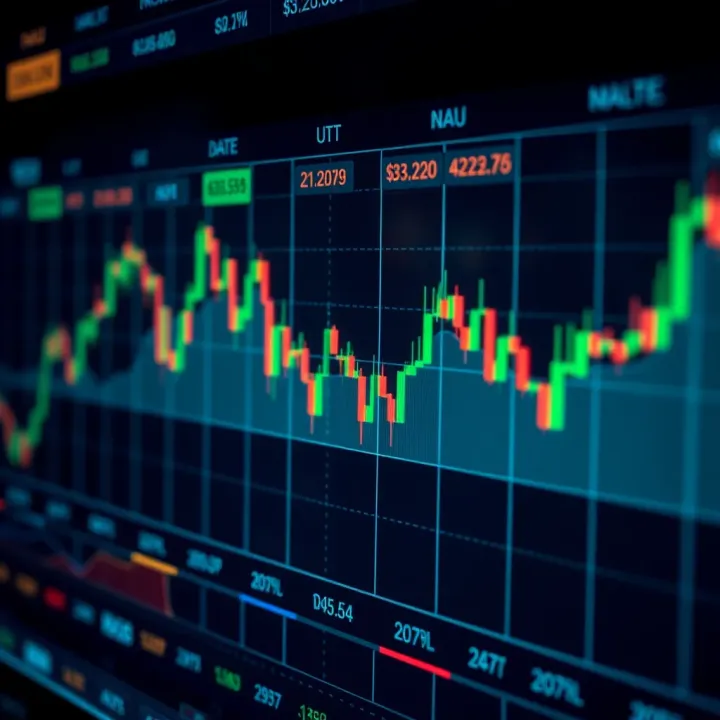
Learn how forex trading works in Nigeria 🇳🇬, discover key players, risks, analysis methods, and how global events shape currency rates for better ₦ decisions.
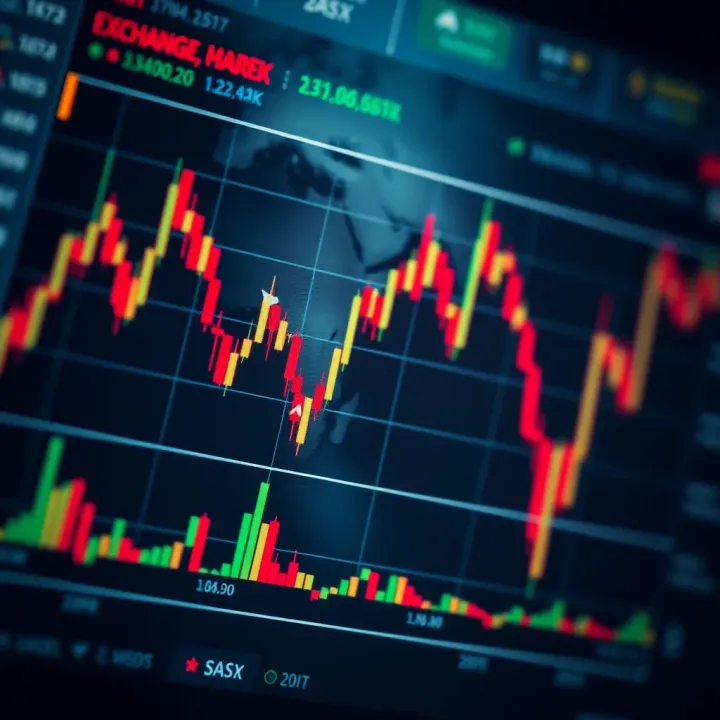
🌍 Learn forex trading essentials with practical tips for Nigerian traders: market basics, smart strategies, risk control, and local guidance to earn ₦ online safely. 💹
Based on 5 reviews