
Understanding Forex Trading in Nigeria
Learn how forex trading works in Nigeria 🇳🇬, discover key players, risks, analysis methods, and how global events shape currency rates for better ₦ decisions.
Edited By
Charlotte Davies
Forex Trading View has become an indispensable tool for Nigerian traders active in the foreign exchange market. In recent times, with growing interest in forex as a source of income, understanding how to navigate this platform will improve your trading decisions significantly.
At its core, Trading View offers a detailed visualisation of currency pairs, allowing you to analyse price movements, spot patterns, and predict future market behaviour. For Nigerian traders, this means you can monitor pairs involving the Nigerian Naira (₦), such as USD/NGN or EUR/NGN, alongside major global currencies.
The platform's strength lies in its user-friendly charting capabilities. You can customise charts with different time frames — from minutes to weeks — helping you plan short-term trades or long-term investments. For example, intraday traders might focus on 15-minute or 1-hour charts, while investors hold positions based on daily or weekly views.
Besides charts, Trading View provides numerous indicators like Moving Averages, Relative Strength Index (RSI), and Bollinger Bands. These tools guide users in determining market trends, momentum, and potential reversal points. A Nigerian trader using the RSI indicator on USD/NGN, for example, can identify overbought or oversold conditions, making smarter entry or exit choices.
Moreover, Trading View includes a social element where traders share ideas, analyses, and forecasts. This is particularly helpful when navigating Nigeria’s market challenges such as naira volatility or limited access to real-time data due to poor internet speeds. Engaging with active communities can bring fresh insights applicable in the local context.
Using Trading View effectively requires understanding both its technical features and how to apply them within Nigeria’s specific forex environment.
Key takeaways:
Customisable chart types and time frames help align analysis with your trading style.
Indicators assist in confirming trends and spotting valuable trading signals.
Monitoring currency pairs involving ₦ equips you to respond to local market shifts.
Participating in Trading View’s community connects you with other Nigerian traders and experts worldwide.
In summary, mastering the basics of Forex Trading View unlocks a practical advantage. It lets you tackle the forex market's ups and downs with more confidence and clearer insight, especially amid Nigeria’s unique economic landscape.
Forex Trading View is a popular online platform that helps traders analyse foreign exchange (forex) markets using detailed charts and real-time data. For Nigerian traders, who face unique challenges like naira volatility and local broker limitations, having access to such a tool improves decision-making and reduces guesswork.
Understanding this platform is vital because forex trading is not just about guessing price movements; it requires clear visualization, analysis, and timing. Trading View makes it easier to track currency pairs like USD/NGN, EUR/USD, or GBP/USD, helping traders spot trends and market patterns that affect their trades.
Trading View offers one of the simplest and cleanest charting interfaces tailored for forex pairs. Nigerian traders can quickly select currency pairs that matter most to them, such as USD/NGN or EUR/NGN, and see price changes through different chart types like line, candlestick, or bar charts. This visual clarity helps when timing entries and exits, particularly during volatile periods influenced by local economic announcements like CBN monetary policy changes.
One key advantage Trading View brings is immediate access to live forex rates. Unlike some broker platforms that update data irregularly, Trading View connects to multiple global exchanges and data providers to ensure that prices reflect the market’s current state. For Nigerian traders dealing with fast-moving currency swings, having up-to-the-second data can be the difference between profit and loss.
Trading View does more than just show charts; it connects with a range of brokers, allowing users to place trades directly from the platform. This integration simplifies the process, especially for traders using Nigerian-based brokers or international firms operating locally. You don’t need to toggle multiple apps or windows; placing and managing trades happens smoothly within one platform.
Charts are the heart of forex trading, and Trading View’s robust visual tools let users break down complex price actions into digestible visuals. For example, trend lines, support and resistance zones, and candlestick patterns become easier to spot. Nigerian traders can use this clarity to time their trades better around local economic events like petrol subsidy announcements or inflation reports that impact exchange rates.
Trading View doesn't force traders into a one-size-fits-all approach. Whether you’re a scalper focusing on minute-by-minute moves or a swing trader looking several days ahead, the platform allows extensive customisation of indicators and chart settings. Nigerian traders might combine technical tools like RSI and EMA with personal thresholds reflecting market conditions such as fuel scarcity effects or ember months demand pressure.
Beyond tools and charts, Trading View supports a community where traders share analyses and ideas. This social aspect can be particularly valuable for Nigerian traders looking to learn from experienced peers or spot trends before the news hits. Traders upload screenshots, publish forecasts, and discuss setups, helping others avoid common pitfalls, especially in Nigeria’s sometimes unpredictable forex market.
Having access to real-time data, customisable tools, and a knowledgeable community makes Trading View an essential platform for Nigerian forex traders aiming to trade smarter, not harder.
Navigating the Trading View interface effectively is key to making the most of its analytical tools. For Nigerian traders, who often deal with fast-moving market conditions like naira volatility and currency pegging, understanding the layout and features helps in swift decision-making.
Choosing currency pairs relevant to Nigerian traders is the first step in setting up your workspace. While global majors like EUR/USD and GBP/USD reflect broad market trends, pairs involving the Nigerian Naira (NGN) such as USD/NGN and EUR/NGN deserve close attention. This is because their fluctuations directly impact import costs, remittances, and local business operations. By focusing on these specific pairs, you can better track how local economic policies, Central Bank of Nigeria (CBN) interventions, or foreign exchange restrictions affect your trades.
Adjusting timeframes for short-term and long-term views allows you to tailor your analysis to your trading style. For example, day traders may choose 15-minute or one-hour charts for quick entries and exits, spotting intraday opportunities. On the other hand, swing traders or investors handling naira exposure might prefer daily or weekly charts to understand broader market sentiment and avoid noise caused by short-term fluctuations. This flexibility in timeframe makes Trading View particularly practical in a market like Nigeria, where external shocks and policy shifts can impact exchange rates abruptly.
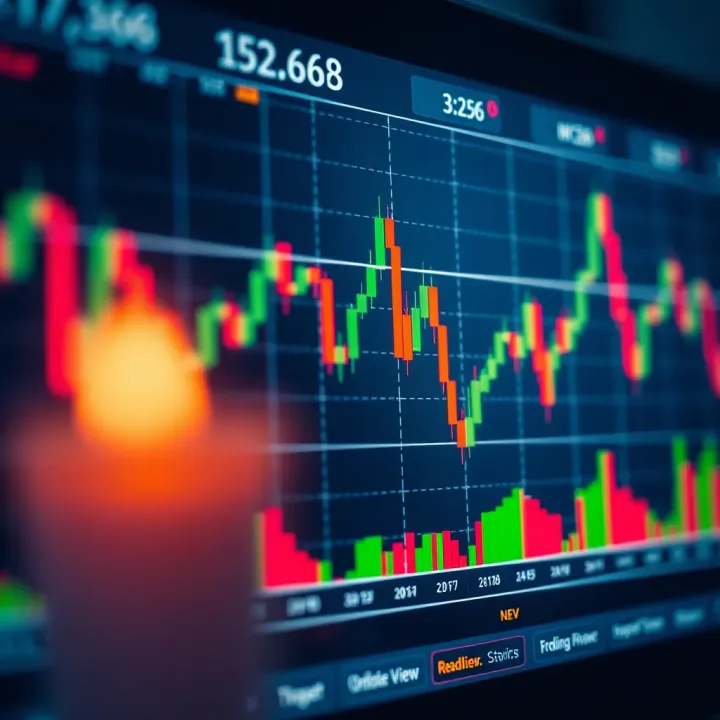
Drawing support and resistance levels is crucial in identifying price zones where the currency pair historically struggles to break or tends to reverse. For instance, with USD/NGN, you might find a support level around ₦460 and a resistance near ₦480 depending on recent data. Marking these levels on your chart helps you predict potential bounce backs or breakouts. This precision aids in timing your trades more effectively and managing risks, especially in Nigeria’s often unstable forex environment.
Identifying trend lines and patterns provides insights into market direction and momentum. By connecting successive lows or highs, you can spot ascending or descending trends. Patterns like head and shoulders or double tops on currency pairs could signal reversals or continuations. For Nigerian traders, recognising such patterns early is invaluable, particularly during periods of economic uncertainty or announcements like CBN policy changes and budget releases. Using these annotations, you can structure your trades to align with market momentum rather than fighting against it.
Mastering how to set up your workspace and use drawing tools within Trading View not only sharpens your trading accuracy but also prepares you better to navigate Nigeria’s unique forex challenges.
Navigating the Trading View interface confidently makes analysis more intuitive and your trading decisions more informed. Spend time exploring these features with pairs and timeframes that matter most to your trading goals.
Indicators help traders make sense of price action and market trends. For Nigerian forex traders using Trading View, understanding popular indicators such as moving averages, RSI, and MACD can improve decision-making. These tools offer signals on entry and exit points, momentum, and trend strength, which is essential given the volatility often seen in currency pairs involving the naira.
A simple moving average (SMA) calculates the average price over a specified number of periods, smoothing out short-term fluctuations to reveal the underlying trend. For instance, a 50-day SMA will track the average closing price over the last 50 days. Nigerian traders might use the 20-day or 50-day SMA to get a clearer picture of recent market direction before making decisions, especially for pairs like USD/NGN or EUR/USD.
SMA is practical for spotting support and resistance levels. When prices bounce off the SMA, it suggests traders respect that level. An example is when the USD/NGN rate dips to the 50-day SMA and then bounces back, signalling a possible buying opportunity.
The exponential moving average (EMA) responds more quickly to recent price changes compared to SMA because it gives more weight to the latest data points. This makes it useful for capturing emerging trends early. A common approach is to watch the 12-day and 26-day EMAs. When the shorter 12-day EMA crosses above the 26-day EMA, it usually signals a bullish trend, hinting at upward momentum.
In the Nigerian forex market, EMA assists traders in spotting trend reversals faster, which can be crucial to protect profit or minimise losses given the often-volatile naira exchange rates. For example, if the 12-day EMA on the USD/NGN pair rises above the 26-day EMA, it might prompt traders to enter long positions anticipating further gains.
The RSI measures the speed and change of price movements on a scale of 0 to 100, highlighting overbought or oversold conditions. When RSI climbs above 70, the asset might be overbought, suggesting a potential correction. Conversely, readings below 30 often indicate oversold conditions, signalling a possible price rebound.
For Nigerian traders, RSI offers a chance to avoid chasing pumps or getting stuck in falling trades. For instance, if the RSI on GBP/USD hits 75 after a sharp rally, it could mean the pair is due for a pullback, so holding off on buying is wise.
MACD combines moving averages to show momentum shifts and trend strength. It uses the difference between 12-day and 26-day EMAs and plots a signal line (9-day EMA). Traders look for MACD crossing above or below the signal line as buy or sell signals.
In practice, the MACD works well for Nigerian traders aiming to confirm trends indicated by other indicators. If the MACD line crosses above the signal line on USD/NGN, it often suggests growing bullish momentum. This confirmation can give traders more confidence to enter trades, especially in a market affected by local economic news.
Popular forex indicators like SMA, EMA, RSI, and MACD provide practical tools Nigerian traders can apply on Trading View to spot trends and momentum shifts, helping them make more informed trading moves amid naira volatility.
By understanding and applying these indicators wisely, traders reduce guesswork and improve their chances in the forex market.
Developing a clear trading strategy on Trading View is essential for Nigerian traders seeking to navigate the foreign exchange market successfully. A well-structured approach helps reduce guesswork, manage risk better, and adapt to changing market conditions influenced by both global and local factors. For instance, combining chart analysis with real-time economic data ensures traders do not miss crucial signals that affect currency pairs like USD/NGN or EUR/USD.
Using multiple technical indicators in tandem improves the accuracy of trading decisions. For example, a trader might combine the Moving Average Convergence Divergence (MACD) with the Relative Strength Index (RSI) to confirm momentum and potential reversals. The MACD can highlight trend strength, while RSI shows if a currency pair is overbought or oversold. This dual-check approach prevents premature entries or exits based on a single indicator.
Traders on Trading View can overlay these indicators on the same chart, adjusting settings to suit short-term or long-term analysis. For Nigerian traders dealing with volatile naira pairs, using more than one indicator helps filter out noise common to such markets.
Trading View offers an integrated economic calendar that lists upcoming economic events and data releases worldwide. Nigerian traders benefit from this as it consolidates information in one place, highlighting events like CBN monetary policy announcements or US Non-Farm Payroll releases. Being able to see when high-impact news will hit markets helps traders plan and avoid unexpected moves.
By setting alerts for specific events, you get notified in advance, allowing time to close risky positions or prepare entry points. This proactive use of economic calendars adds an important layer of market awareness beyond pure technical analysis.
Nigerian economic indicators such as inflation rate, GDP growth, or foreign reserves fluctuations directly influence the naira’s value in the forex market. For example, a surge in inflation typically weakens the naira, affecting USD/NGN exchange rates. Being aware of the timing and expected values of such reports gives traders a strong edge.
Moreover, developments related to oil prices—Nigeria’s export backbone—can cause ripple effects on the naira. Traders using Trading View should keep a close eye on local economic news alongside global data for comprehensive insight.
Trading View’s charting tools support precise identification of entry and exit points. By analysing support and resistance levels combined with indicators, traders can decide where to place stop-loss orders to limit losses. For example, if a resistance line appears strong around a certain price, setting a stop loss just below that level helps avoid bigger losses in case of a reversal.
Such discipline in planning trades is vital, especially for Nigerian traders facing the naira’s occasional volatility and sudden market swings.
Volatility in Nigerian forex markets can spike due to political developments, fuel scarcity impact, or sudden CBN interventions. Proper use of stop losses and calculated position sizing prevents devastating losses. Trading View’s features let you simulate trades and assess risk-to-reward ratios before committing capital.
By consistently applying risk management principles, traders safeguard their funds against the kind of rapid moves that happen during ember months or election seasons. Preserving capital in this way ensures longevity in trading rather than frequent wipeouts.
A good forex trading strategy isn't just about chasing profits but protecting your investment. Trading View equips Nigerian traders with tools to make smarter, more deliberate decisions.
In short, combining technical indicators, economic data tracking, and strict risk control on Trading View creates a robust foundation for trading forex efficiently in Nigeria’s complex market environment.
Making the most of Forex Trading View requires understanding both the platform’s features and local market conditions. Nigerian traders face unique challenges like naira volatility and limited broker options, so tailoring Trading View’s capabilities to these realities can improve trading effectiveness. Practical tips on subscription plans, handling local quirks, and engaging with the Trading View community ensure that traders maximise value from the platform.
Trading View offers a free tier that provides access to essential features like basic charting and some technical indicators. This option suits beginners or casual traders who want to get a feel for the forex market without commitment. However, free access limits the number of indicators per chart and restricts access to advanced tools that active traders rely on.
Paid subscriptions unlock extras including multiple charts on one screen, priority data updates, and access to proprietary indicators. For Nigerian traders who monitor volatile pairs like USD/NGN or GBP/NGN, the speed and depth of data in premium plans can make a difference when timing entry and exit points. Choosing between plans depends on how often you trade and your need for advanced analysis.
Active traders benefit from features like multi-chart layouts, volume profile indicators, and alert systems that notify you of key price moves in real-time. For instance, setting alerts for when the USD/NGN pair hits resistance can help you react quickly in a fast-moving market.
Moreover, access to Trading View’s extensive library of community-built indicators through premium plans can offer diverse perspectives. Traders who use scalping or day trading strategies will find combining several indicators across timeframes especially useful to refine their signals and manage risk.
The Nigerian naira is known for frequent swings caused by policy changes, foreign exchange shortages, or export commodity prices. Traders using Trading View must factor in this volatility by paying extra attention to risk management features like stop-loss levels, which the platform supports.
In practical terms, adapting your chart analysis to recognise sharp departures from usual patterns can prevent losses. For instance, sudden spikes in USD/NGN charts during fuel subsidy news should prompt a cautious approach rather than routine trading.
Trading View does not execute trades directly in Nigeria but integrates with some brokers. Nigerian traders engage local firms that provide access to forex via platforms like MetaTrader or proprietary apps.
Translating Trading View analysis into orders on these platforms requires discipline and accuracy. For example, if Trading View highlights support at a certain level for EUR/USD, placing a buy order on your broker’s interface at that price helps execute your strategy smoothly. Some Nigerian brokers sync with Trading View, allowing faster trade execution based on your charts.
One advantage Nigerian traders have is the growing community of experienced forex analysts who share ideas publicly on Trading View. Following such traders who focus on African markets or forex pairs relevant to Nigeria provides insights tailored to local conditions.
For example, a trader regularly posting analyses on USD/NGN fluctuations due to CBN policy shifts can provide cues others might miss. Engaging with these experts gives you access to tested approaches and helps build your own trading confidence.
Trading View’s social features allow you to publish your trade ideas, get feedback, and learn from others’ successes or mistakes. Nigerian traders benefit immensely by sharing strategies that consider challenges like naira liquidity or market regulation.
Collaborative analysis reveals patterns or news impacts unique to Nigeria’s market. Whether you share a quick chart setup for a short-term trade or a longer-term view of forex cycles, this interaction enhances collective knowledge and sharpens individual decision-making.
Successful forex trading in Nigeria means combining global tools like Trading View with local insights, subscription choices, and community learning to navigate a dynamic market confidently.
Learn how forex trading works in Nigeria 🇳🇬, discover key players, risks, analysis methods, and how global events shape currency rates for better ₦ decisions.
📊 Discover how margin lets Nigerian forex traders control bigger trades with smaller funds. Learn to manage risks and boost profits using margin effectively in ₦ forex markets.
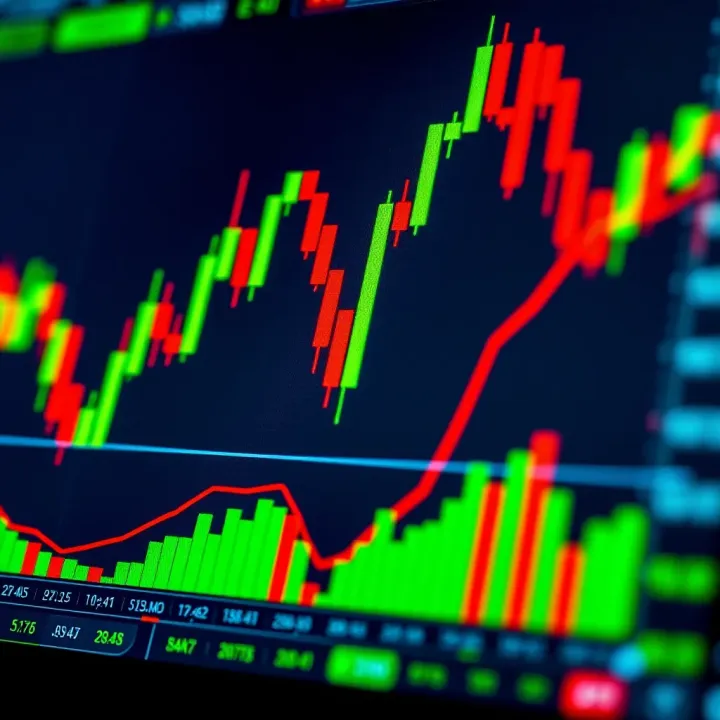
📈 Learn how to win in forex trading with practical tips on market moves, risk control and strategy building. Discover tools Nigerian traders use daily to grow ₦ sustainably.
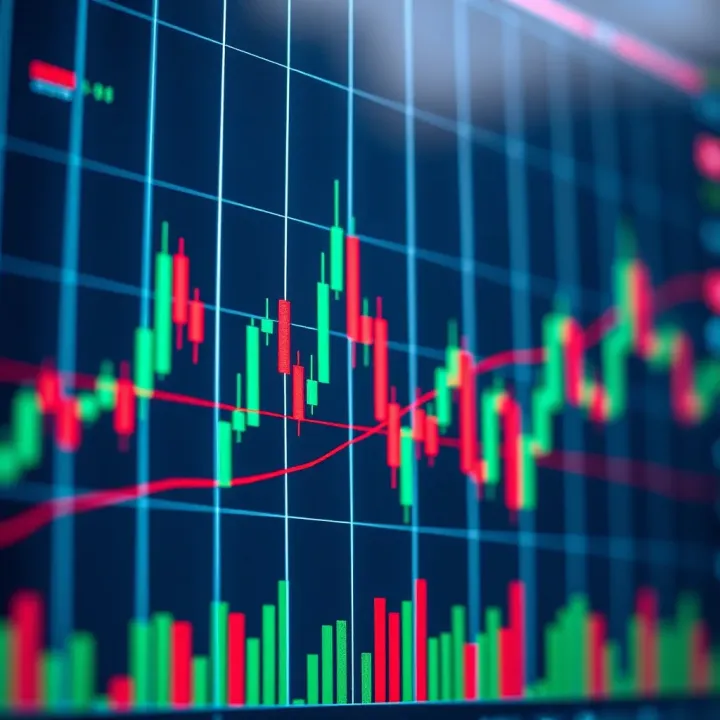
📈 Master chart forex trading in Nigeria with practical tips on chart types, key indicators, and trading strategies to handle market swings and boost profits effectively.
Based on 13 reviews