
Understanding Forex Trading in Nigeria
Learn how forex trading works in Nigeria 🇳🇬, discover key players, risks, analysis methods, and how global events shape currency rates for better ₦ decisions.
Edited By
Amelia Carter
Forex trading courses provide a practical roadmap for Nigerians eager to trade currencies confidently. Unlike random online tutorials or hearsay, these courses structure learning, covering key areas such as market fundamentals, technical analysis, risk management, and trade execution.
In Nigeria, with growing interest in foreign exchange markets fueled by fluctuating naira values and accessible trading platforms like MT5 and MetaTrader4, a good forex course sets traders apart. It helps avoid common pitfalls like overtrading or chasing unrealistic gains, especially amid Nigeria’s volatile forex environment.
A typical forex course often breaks down into modules like:
Understanding how currency pairs work (e.g., USD/NGN, EUR/USD)
Reading forex charts and price indicators
Applying strategies such as scalping or swing trading
Managing risks using stop-loss and take-profit levels
Navigating local forex regulations and platforms
For Nigerian traders, knowing how to align strategies with local conditions—such as naira depreciation, CBN policy changes, or fund flow restrictions—is crucial. Practical examples, like adjusting trade sizes during high volatility often seen in ember months or around election cycles, prove especially valuable.
Many beginners skip formal education and jump straight to demo accounts. While practice matters, structured courses reduce costly trial and error by explaining why markets move and how to respond logically.
Choosing a course requires care. Verify the instructor’s track record, look for content tailored to the Nigerian market, and assess whether the course offers ongoing support. Some local platforms blend video lessons with webinars and mentorship, which helps traders navigate complexities effectively.
Ultimately, forex trading courses equip Nigerian traders with tools to make informed decisions, handle risks realistically, and build a sustainable investment approach. Whether you are a student, analyst, or investor, understanding the course content and applying lessons prudently can lead to smarter forex trading.
This article will guide you through the core topics covered in forex courses, how to spot a high-quality programme, and practical tips tailored for Nigerian traders to succeed in this often volatile but rewarding market.
Forex trading, simply put, is the exchange of one currency for another in the global marketplace. It happens in the foreign exchange market, where currencies like the US dollar (USD), euro (EUR), and Nigerian naira (₦) are bought and sold. The market influences everyday life — from how much it costs to import goods to the value of your savings if you plan to travel or invest abroad.
At its core, forex trading is about predicting how currency values will fluctuate and profiting from those changes. For the Nigerian trader, understanding forex trading opens doors to participate in a high-volume market that operates around the clock and offers opportunities to build wealth using relatively small initial capital.
Forex trading involves buying one currency while simultaneously selling another. It is the largest financial market with a daily turnover exceeding $6 trillion globally. Unlike stock exchanges, the forex market is decentralised, meaning it operates through a network of banks, brokers, and financial institutions.
This decentralisation allows Nigerian traders to access the market via online platforms, making it convenient to trade from Lagos, Abuja, or even smaller towns. Forex trading lets you speculate on currency pair price movements, aiming to buy low and sell high (or vice versa) based on market analysis.
Currencies are always traded in pairs — for example, USD/NGN or EUR/USD. The first currency is called the base currency, and the second is the quote currency. The pair's price shows how much of the quote currency you need to buy one unit of the base currency.
If the USD/NGN rate is ₦750, it means it costs ₦750 to buy US$1. When traders expect the naira to weaken, they might sell NGN and buy USD, hoping to profit as the rate rises. Understanding how these pairs fluctuate is essential for strategic entry and exit points.
The forex market is active 24 hours a day across different time zones, divided mainly into the London, New York, Tokyo, and Sydney sessions. For Nigerian traders, the London session overlaps with their local time around 8 am to 4 pm WAT, usually offering the most liquidity and trading opportunities.
Knowing when these markets open and close helps traders avoid periods of low activity or high volatility. For example, trying to trade during the Sydney session might present fewer opportunities compared to overlapping London and New York hours.
Nigerians have increasingly turned to forex trading due to economic challenges like inflation, restricted access to foreign currency, and limited local investment options. With the Central Bank of Nigeria (CBN) implementing exchange controls and the naira facing devaluation pressure, many seek forex as a way to protect earnings and diversify income.
Furthermore, increased internet penetration and smartphone use have made it easier for many Nigerians to access forex trading platforms. This shift means even people outside major cities can start trading with modest funds, provided they learn the basics.
The active forex market presents a chance for traders to earn income beyond traditional jobs. While the market can be risky, disciplined traders who apply good strategies can generate consistent profits. For instance, some Nigerians supplement earnings by trading during market hours, especially when naira rates fluctuate sharply.
Forex trading also offers flexibility—trade at your convenience and scale trades to your budget. This appeal has been particularly strong among youth and working professionals looking to maximise income with limited capital.
Naira volatility has been a significant factor pushing Nigerians into forex trading. When the naira weakens against the dollar or euro, imported goods become costlier, and the real value of savings decreases. Trading forex allows individuals to speculate on these fluctuations or hedge against currency risk.
For example, someone expecting the naira to devalue further might buy USD/NGN contracts in anticipation of selling later at a better rate, aiming to benefit from the price shift. This ability to react to naira movements makes forex trading particularly relevant in Nigeria's current economic climate.
The intersection of forex trading knowledge and Nigeria’s economic context creates opportunities—but requires understanding risks and market dynamics.
Enrolling in a forex trading course provides a clear roadmap for understanding one of the most dynamic markets out there. These courses break down complex trading concepts into digestible parts, helping Nigerian traders grasp both theory and practical skills. Knowing what to expect helps set the right mindset and avoids confusion when navigating unfamiliar territory. Typically, courses cover core topics that form the foundation of forex trading, and they come in several formats that meet different learning preferences and budgets.
Currency pairs are the backbone of forex trading. Basically, you buy one currency while selling another, expressed as pairs like USD/NGN, EUR/USD, or GBP/USD. Traders learn how to read these pairs correctly, interpreting the base and quote currencies along with their exchange rates. For example, if the USD/NGN rate is 750, it means one US dollar exchanges for 750 Nigerian Naira. This understanding is vital because each trade involves these pairs, and knowing how they move helps predict profits or losses.
Courses teach two main approaches to market evaluation. Technical analysis looks at historical price data and chart patterns to forecast future movements. Nigerians might use platforms with sophisticated chart tools, like MetaTrader or TradingView, to spot trends or reversals. On the other hand, fundamental analysis involves study of news, economic indicators, or events that impact currencies, such as CBN policy rate changes or inflation figures. Combining both methods gives a solid basis for making informed decisions rather than relying on guesswork.
Managing risk is the safety net for traders, preventing losses from wiping out capital. This module shows how to set stop-loss orders, control trade size, and manage leverage wisely. For instance, using leverage recklessly in volatile markets can quickly erase savings. Learners understand how to balance potential gains against potential losses, which is key amid Nigeria’s naira volatility. Proper risk management keeps trading sustainable and disciplined.
Online courses have become popular because they allow flexible learning from anywhere—be it Lagos or Abuja. These courses offer videos, webinars, and interactive lessons accessible on smartphones, a big plus for busy Nigerians. Conversely, in-person classes allow face-to-face interaction with trainers and peers, which some find better for asking questions and staying focused. Both formats suit different learners; the choice depends on your schedule, learning style, and comfort level.
The internet is full of free forex tutorials and YouTube videos that help beginners start. However, free materials often lack structure, may be outdated, or provide shallow coverage. Paid programmes tend to offer comprehensive content, mentorship, and practical assignments for a fee, which can range from a few thousand to several tens of thousands of Naira. Paid courses also usually certify completion, which could help build credibility if you plan to become a professional trader or consultant.
Beginners start with basics: understanding what forex is, how pairs work, and simple trading concepts. Advanced courses cater to experienced traders wanting to deepen skills on strategies, automated trading, or psychological discipline. Many Nigerian platforms offer tiered courses so you can progress naturally. Choosing the right level ensures you neither feel overwhelmed by jargon nor bored by elementary topics.
Knowing what a forex course covers and the types available helps you pick the most suitable option. This saves time and money while boosting your chances of succeeding in Nigeria’s forex market.
Selecting the right forex trading course is vital for Nigerian traders aiming to avoid costly mistakes and build a strong foundation. With many options available—both online and offline—knowing what to look for ensures your time and money are well spent. The right course is one that fits your specifics goals, learning style, and budget while offering reliable support and practical knowledge.
Verifying trainers' experience is a key step. Check whether the trainers have hands-on trading experience and a demonstrable presence in Nigeria's forex scene. For instance, some trainers might have backgrounds in local financial institutions or have traded with well-known brokers like FXTM or HotForex Nigeria. A credible trader doesn’t just teach theory; they share insights they’ve gained from real markets, including navigating challenges unique to the Nigerian economy such as naira fluctuations or restricted dollar access.
Similarly, transparent student feedback and success stories provide valuable clues about a course’s effectiveness. Look out for genuine testimonials that mention how past students progressed after completing the course, especially those who started with little knowledge. Nigerian forex forums or social media groups often have members sharing their experiences. Success stories backed by verifiable results — like consistent profits or better risk management — show the course delivers practical value.
Focusing on practical trading skills is crucial. A course loaded with heavy theory but little real-world application will leave you stuck. Courses that teach live chart analysis, use of technical indicators popular in Nigerian trading circles (like RSI or MACD), and offer simulated trading sessions help bridge the gap between knowledge and actual trading. For example, learning how to apply stop-loss orders during volatile sessions, common in Nigeria during 'ember months', can preserve your capital.
Also, you must find a course that fits your time commitment and budget. Some Nigerian traders juggle full-time jobs or studies, so a course offering flexible schedules or self-paced modules proves more practical. Tuition fees also vary widely, from free webinars by community groups to paid workshops costing ₦50,000 or more. Assess what you can realistically commit to without stress. A course charging higher fees may provide better post-course support or advanced modules, which might justify the price if you plan to trade seriously.
Access to mentorship or community is a game-changer. A course that pairs you with an experienced trader or includes a connected community group helps with ongoing questions and motivation. For example, a WhatsApp mentorship group or monthly Q&A sessions can help clarify doubts about market entry points or broker selection relevant to Nigerian regulations.
Finally, check the availability of learning materials. Quality courses provide varied resources such as video tutorials, downloadable PDFs, trading journals, and recommended reading. These materials become your reference guides when you start trading independently. Nigerian traders often face internet disruptions; having offline resources or apps can ensure uninterrupted learning.
Choosing the right forex trading course in Nigeria means balancing credibility, practical skills, support, and affordability. This approach maximises your chances to build profitable trading habits suited to local market realities.
After completing your forex trading course, the real task begins—putting the lessons into practice. The transition can be tricky without the right approach. This section offers practical advice on setting up your trading environment, making strategic plans, and using tools to build confidence. Each step helps minimise losses and sharpen your skills on the Nigerian forex market.
Choosing a reliable broker in Nigeria is essential. With rising demand for forex trading, many brokers emerge, but not all are trustworthy. Look for brokers registered with the Nigerian Financial Services Regulatory Commission or recognised international bodies. For example, brokers like FXTM and OctaFX have gained favour due to transparent fees and prompt withdrawal options. Avoid brokers promising unrealistic profits or those lacking clear contact support. Your account should offer good customer service and comply with Nigerian regulations to ensure safety.
Understanding trading platforms is next. Most brokers offer platforms like MetaTrader 4 or MetaTrader 5, widely used for their balance of usability and features. You need to be comfortable navigating charts, placing trades, and setting stop losses. Nigerian traders often prefer mobile-friendly platforms, given mobile internet access. For instance, the MetaTrader app, available on Android or iOS, allows you to trade anywhere, even Lagos traffic jams. Spend time exploring demo versions to familiarise yourself before risking real money.
Defining risk limits protects your capital over time. Successful traders rarely risk more than 1-2% of their trading account on a single trade. For example, with a ₦100,000 account, you shouldn't risk more than ₦1,000-₂,000 per trade. This guardrail prevents catastrophic losses from a wrong guess. Many new traders often plunge in without limits and wipe out accounts quickly. A solid rule is always knowing your maximum loss before entering a trade.
Setting entry and exit strategies guides your actions logically. This means deciding in advance when to buy or sell currency pairs, and when to take profits or cut losses. For example, using technical indicators like Moving Averages or RSI can help pinpoint ideal entry points. Planning exits is just as key; setting stop-loss and take-profit orders keeps emotions out of decisions. This discipline helps avoid chasing losses, a common pitfall among Nigerian beginners.
Practising strategies without real money is invaluable. Demo accounts mimic real trading but use virtual funds, so you can experiment freely. Nigerians often use demo accounts from brokers like FXTM or Olymp Trade to try various strategies, such as scalping or swing trading, without stress. This hands-on experience before real investing is the best way to understand market moves.
Tracking performance and improving skills sharpens your edge. Treat demo trading like real business: keep records of trades, note what worked and what didn’t, and refine your method. Many Nigerian traders keep simple Excel sheets or journals to log results and emotions felt during trades. Over time, this helps identify habits that lead to profits or losses and boosts confidence going live.
Starting to trade after your course is not about rushing; it’s about steady steps, solid planning, and learning from each trade. With the right setup and mindset, you turn knowledge into viable income in Nigeria’s dynamic forex market.
Trading forex involves several risks that can affect your capital significantly. Understanding these risks and knowing how to manage them is essential, especially for Nigerian traders dealing with volatile foreign exchange rates and unfamiliar market conditions. Managing risks well not only safeguards your investment but also helps you trade with clearer judgement and less stress.
The forex market moves fast, sometimes sharply. Market volatility means prices can change significantly within minutes. In Nigeria, even political or economic news can trigger sudden shifts. If you use leverage — borrowing money from your broker to increase your trading position — these swings can either multiply your gains or worsen your losses. For example, with 50:1 leverage, a 2% drop can wipe out your entire investment faster than you expect.
Leverage is tempting because it amplifies profit potential, but it also increases exposure to risk. Beginners should treat leverage like tokunbo car keys handed over for the first time — handle carefully and learn before accelerating. Controlling position size and keeping leverage low can protect your trading capital from huge unexpected losses.
Emotions like fear, greed, and hope often cloud traders’ decisions. In Nigeria, where many are looking for quick income during pressures like ember months or fuel scarcity, impatience can lead to impulsive trades. It's common for traders to hold losing positions too long, hoping for a market reversal, or to overtrade after a winning streak, risking more than planned.
Emotional trading tends to ignore strategy and analysis — it’s like trying to navigate Lagos traffic blindfolded. Developing discipline, sticking to a trading plan, and learning to accept losses as part of the game helps prevent costly mistakes driven by feeling.
A stop-loss order limits how much you lose on a trade by automatically closing a position at a specified price. Nigerian traders can think of it as setting a safety net before climbing a risky tree. Without it, markets can turn unexpectedly and drain your account.
For example, if you buy US$ against naira, you might set a stop-loss to sell if prices fall 1%. This caps your loss, sparing your funds for better opportunities. Effective stop-loss use requires setting realistic levels based on market volatility, not just guesswork or emotions.
Discipline goes beyond following rules — it means consistently applying your trading strategy, avoiding hasty decisions, and respecting your risk limits. Keeping detailed records of each trade, including why you entered and the outcome, helps identify patterns and mistakes.
In Nigeria, where many traders learn on their own, this habit separates serious traders from those who gamble recklessly. Reviewing your trades monthly can highlight what works and what doesn’t, building stronger skills over time.
Risk is part of forex trading, but managing it well is what keeps your journey sustainable and profitable. Simple tools and good habits are your best defence against the market’s surprises.
Understanding and managing these risks will make your trading course education truly worthwhile. It’s not just about making money quickly, but preserving capital and building consistent success over time.
Access to reliable resources and a supportive community forms a key part of successful forex trading. Nigerian traders benefit particularly from local forums, events, and tailored online tools that reflect the realities of the Nigerian market — including naira volatility, CBN regulations, and local economic indicators. Having these learning and support systems helps traders stay updated, sharpen skills, and manage risks better.
Nigerian forex trading groups on social media serve as practical platforms where traders exchange ideas, share daily market analysis, and alert each other on updates affecting the naira-dollar pair. Platforms like WhatsApp, Telegram, and Facebook host active groups where both beginner and experienced traders gather. For instance, a WhatsApp group focusing on Nigerian forex trading might post regular updates following CBN policy announcements or NGX market trends, immediately giving members a local edge.
These communities also offer emotional support, which is often overlooked but crucial for managing the psychological ups and downs in forex trading. Traders share personal experiences, highlight scams to watch out for, and sometimes organise mentorship pairings within the group.
Networking events and webinars have grown in popularity, especially after the COVID-19 pandemic normalised virtual learning. These events connect Nigerian traders with industry experts and brokers while providing real-time insight into market patterns and trading best practices. For instance, companies like AFEX, FXTM, or local fintechs sometimes host webinars addressing how global events affect the naira or discussing tools like MT4/MT5 platforms.
Attending a webinar or networking event also expands professional connections, offering opportunities to learn about brokers registered with SEC Nigeria or regulatory updates from the FSC. In-person meetups in Lagos or Abuja frequently feature panel discussions where seasoned forex traders address topics like managing leverage in volatile markets, indispensable for those trading in Nigeria.
Popular charting and analysis software such as MetaTrader 4 (MT4), MetaTrader 5 (MT5), and TradingView are widely used by Nigerian traders. These tools offer intuitive interfaces for technical analysis, allowing users to set custom indicators, draw trend lines, and perform backtests of trading strategies. For example, a trader can monitor the USD/NGN cross rate, spotting support and resistance levels that align with CBN intervention periods.
Local brokers supporting these platforms provide tutorials and demo accounts, allowing Nigerian users to practise in a risk-free environment before moving to live trading. Integration with popular payment platforms like Paystack or Flutterwave also simplifies depositing and withdrawing funds.
News and economic indicator sources focused on Nigeria are vital for fundamental analysis. Websites like BusinessDay, Nairametrics, and the Central Bank of Nigeria's official portal give timely updates on inflation rates, interest rate decisions, and government policies impacting the forex market. For instance, knowing the monthly inflation rate helps traders anticipate central bank moves that can influence naira strength.
Staying connected to such local information streams helps avoid blind spots common when relying solely on international news. A trader informed about rising fuel costs or trade balance shifts in Nigeria can better judge potential currency fluctuations and adjust trading plans accordingly.
Building a forex trading career in Nigeria is not just about mastering charts but also tapping into the right local resources and communities. These tools provide context, clarity, and connection, making trading less risky and more informed.
Learn how forex trading works in Nigeria 🇳🇬, discover key players, risks, analysis methods, and how global events shape currency rates for better ₦ decisions.
📊 Discover how margin lets Nigerian forex traders control bigger trades with smaller funds. Learn to manage risks and boost profits using margin effectively in ₦ forex markets.
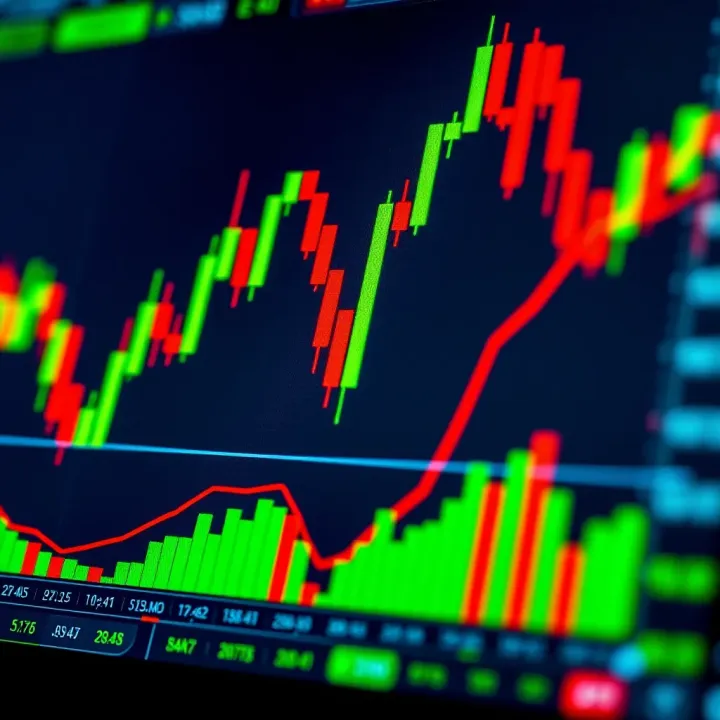
📈 Learn how to win in forex trading with practical tips on market moves, risk control and strategy building. Discover tools Nigerian traders use daily to grow ₦ sustainably.
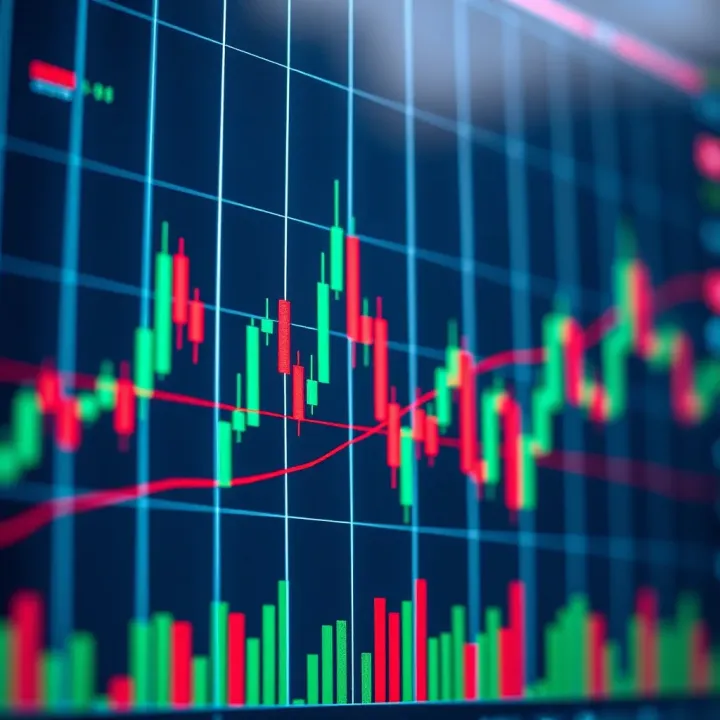
📈 Master chart forex trading in Nigeria with practical tips on chart types, key indicators, and trading strategies to handle market swings and boost profits effectively.
Based on 11 reviews